
A customer opens the washer and finds a torn mesh bag, a loose bra hook, and a snag in a silk blouse. For the shopper, that is one bad wash. For a retailer or brand, it often means a return, a poor review, and a question about product quality.
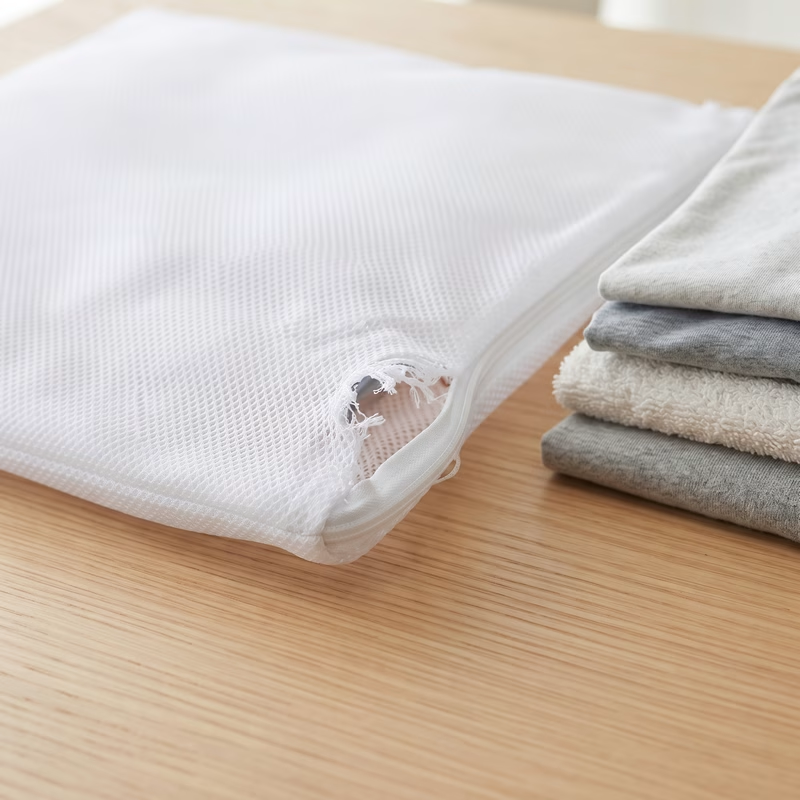
So why does a mesh bag tear? In most cases, the fabric is not the only problem. Tears usually start at a weak point, like the zipper, a seam, or an area rubbed thin by friction. Then washing stress spreads the damage.
Below, we explain the seven most common causes of tearing. We also compare mesh types, share simple prevention steps, and list what buyers should check before placing an order. Because we have made laundry mesh bags since 2014, the advice comes from years of testing, production, and customer feedback.
What Makes a Mesh Bag Tear?
A mesh bag tears when stress in one spot is greater than the strength of the fabric or seam in that spot. Washing machines create a lot of stress. The drum spins, clothes tumble, and water adds weight. Therefore, every bag is pulled, twisted, and rubbed hundreds of times in one cycle.
Most damage comes from a short list of sources:
- Too much weight inside the bag
- Zipper strain or zipper teeth rubbing against the mesh
- Sharp objects like hooks, buttons, and metal trims
- Weak seams with low stitch density or thin thread
- Light, low-grade fabric that wears thin quickly
- Heat and harsh chemicals that weaken fibers
- The wrong mesh type for the items being washed
In other words, tearing is rarely random. It follows patterns. Once you know the pattern, you can prevent most of it through better use and better product design.
The 7 Most Common Causes of Mesh Bag Damage
Each cause below explains what happens, why it happens, and how to spot it early.
1. Overloading the Bag
Overloading is the most common cause of tearing. When a bag is packed tight, the clothes cannot move freely. As a result of the tight fit, the mesh stretches at its limit during every spin.
Also, a full bag holds more water. Wet cotton can weigh two to three times more than dry cotton. So a bag that feels fine when dry becomes much heavier in the drum.
Warning signs:
- The zipper is hard to close
- The mesh looks stretched or shiny in spots
- Seams pull open slightly at the corners
A good rule is to fill a bag only about half to two-thirds full. That leaves room for water and movement.
2. Zipper Strain and Exposed Teeth
The zipper area is the second most common failure point. First, a forced zipper puts heavy pull on the seam where the zipper tape meets the mesh. Second, exposed zipper teeth or an open slider can rub against the mesh during washing. Over time, that friction cuts fibers one by one.
In addition, a zipper left partly open lets small items escape. Those items can catch on the drum and pull the bag in odd directions.
A bag with a zipper guard (a small fabric pocket that covers the slider) reduces this risk. You can see several zipper styles in our laundry bags with zipper collection.
3. Sharp Items Inside or Outside the Bag
Bra hooks, jean rivets, metal buttons, and sequins can all snag mesh. Once a single strand breaks, the hole grows with each wash. That is why a small snag often becomes a large tear within a few cycles.
Outside the bag matters too. Heavy jeans or jackets with metal zippers can scrape the mesh from the outside as they tumble together.
Quick fixes:
- Fasten bra hooks before washing
- Close zippers on garments
- Turn items with trims inside out
- Wash heavy denim separately from delicate bags
4. Weak Seams and Low Stitch Density
Many tears do not start in the mesh at all. Instead, they start along the seams. When stitches are spaced too far apart, each stitch carries more load. So the thread or the fabric edge gives way first.
Thin thread and single-row stitching are also common problems in low-cost bags. By contrast, double stitching or bound edges spread the load across a wider area.
What to look for:
- Even, tight stitches with no skipped spots
- Bound or overlocked edges, not raw cut edges
- Reinforced corners, where stress is highest
5. Thin or Low-Grade Fabric
Mesh fabric weight has a direct effect on lifespan. Light mesh feels soft, but it wears thin faster. Also, low-grade polyester may use recycled or mixed fibers with uneven strength.
Fabric weight is often measured in grams per square meter (GSM). A heavier, thickened mesh usually holds up better for daily household use. For example, our thickened white mesh laundry bag with embroidered logo uses a denser mesh built for repeated washing.
6. Heat and Harsh Chemicals
Polyester mesh handles warm water well. However, very high heat can soften and weaken synthetic fibers. Tumble drying on high heat is a frequent cause of brittle, easily torn mesh.
Chlorine bleach is another problem. It can break down fibers over time, especially in colored mesh. Strong stain removers poured straight onto the bag can have a similar effect.
Safer habits:
- Wash at 40°C or below for most bags
- Air dry or tumble dry on low heat
- Use oxygen-based bleach instead of chlorine bleach
7. Using the Wrong Mesh Type for the Job
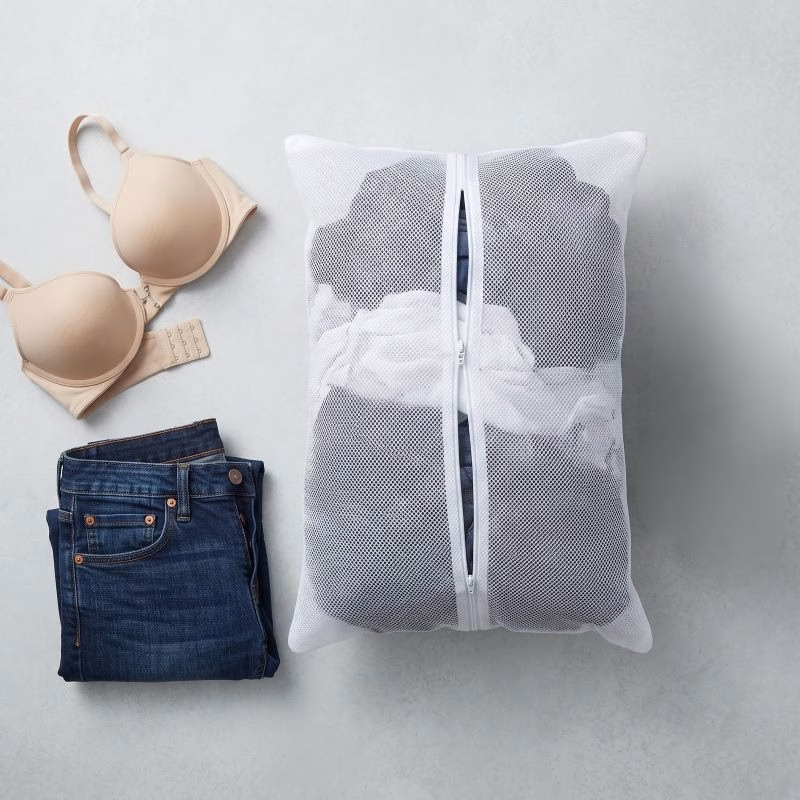
Not every mesh bag suits every item. Coarse mesh lets water flow well, but large holes can catch hooks and small parts. Fine mesh protects delicate items, yet it can trap more lint and weigh more when wet.
So when a shopper puts a heavy towel in a small fine-mesh bag, or a lace bra in a coarse-mesh bag, damage is more likely. Matching the mesh to the load is one of the easiest ways to extend bag life.
Fine Mesh vs Coarse Mesh: Which Laundry Mesh Bags Last Longer?
Buyers often ask which mesh type is more durable. The honest answer is that it depends on use. Each type has strengths and limits. Therefore, the right choice depends on what customers will wash.
| Feature | Fine Mesh | Coarse Mesh |
|---|---|---|
| Hole size | Small, tight weave | Larger, open weave |
| Best for | Bras, lingerie, silk, socks, baby clothes | Towels, shirts, sportswear, bedding |
| Snag risk from hooks | Low | Higher |
| Water flow | Moderate | High |
| Cleaning power | Gentler | Stronger |
| Main wear risk | Lint build-up, heavier when wet | Hooks and small parts catching in holes |
| Typical lifespan with correct use | Long | Long, if items are sorted well |
As the table shows, neither type is weak by nature. Instead, lifespan depends on matching the mesh to the load and on build quality.
For delicate loads, a set of 7 thickened fine mesh bags gives shoppers a size for each item type. For bulkier items, a set of 5 thickened coarse mesh laundry bags offers better water flow and cleaning.
What About Sandwich Mesh?
Sandwich mesh is a three-layer fabric with a cushioned middle layer. It is thicker and more rigid than standard mesh. Because of that, it resists snags and holds its shape well. It suits bras and shaped garments that need extra support. Our Korea-style sandwich mesh laundry bag is one example.
How to Prevent Mesh Bag Tears in Daily Use
Good products last longer with good habits. These steps work for households, hotels, and laundry services. They are also useful for brands to print on care cards or packaging inserts.
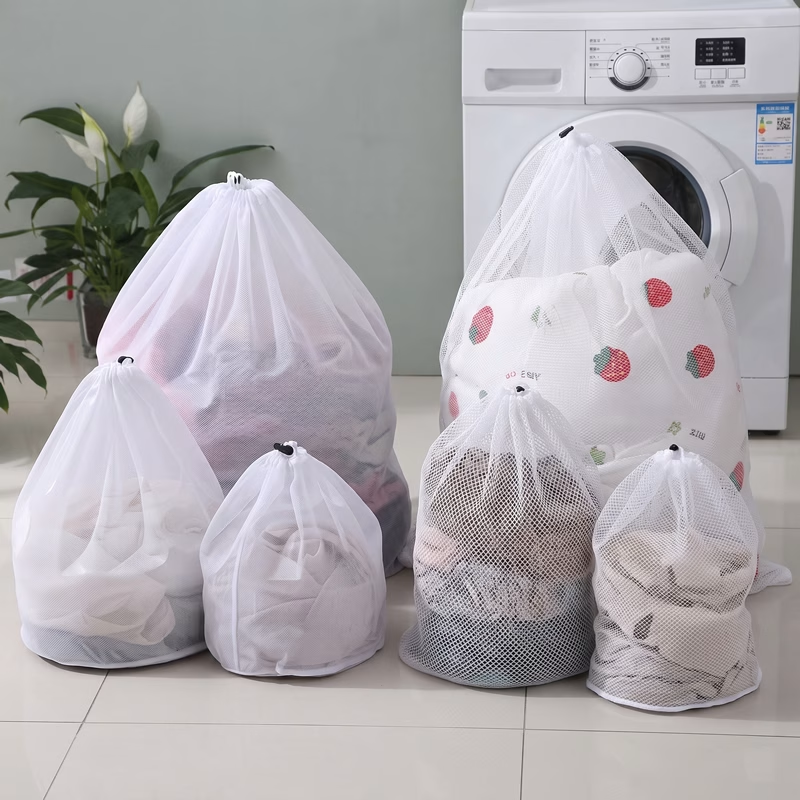
- Fill the bag to two-thirds or less. Leave room for water and movement.
- Close the zipper fully. Then tuck the slider into the zipper guard if the bag has one.
- Fasten hooks and close garment zippers. This stops snags from the inside.
- Sort by weight. Keep heavy jeans and jackets away from light mesh bags.
- Match the mesh to the item. Use fine mesh for delicates and coarse mesh for bulky items.
- Choose a gentle or delicate cycle. Lower spin speeds reduce stress on seams.
- Avoid chlorine bleach. Use mild detergent and oxygen-based stain removers.
- Air dry when possible. If you use a dryer, keep the heat low.
- Check bags every few weeks. Replace a bag once you see small holes or loose seams.
Also, a bag set helps shoppers follow these steps. When customers have several sizes, they are less likely to overload one bag. That is one reason sets like our set of 3 colorful mesh laundry bags sell well in retail. You can browse more options in our laundry bag set range.
For small items like socks, masks, and baby clothes, a compact bag works better than a large one. A large bag with only a few small items lets them bunch in one corner, which adds uneven strain. Our small laundry bag range covers these needs.
What Buyers Should Check Before Ordering Mesh Bags
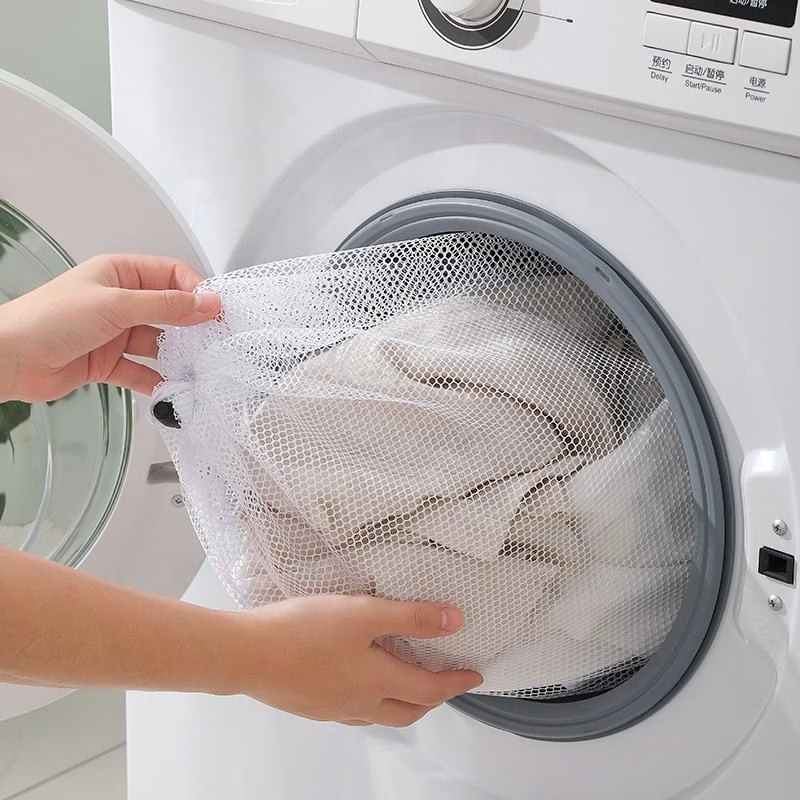
For buyers and product teams, prevention starts at the sourcing stage. A bag that fails early costs more than its purchase price. It can lead to returns, complaints, and lost repeat orders. So it pays to check a few points before bulk production.
| Checkpoint | What to Ask the Supplier | Why It Helps |
|---|---|---|
| Fabric weight | What is the mesh GSM? Is a thickened option available? | Heavier mesh wears thin more slowly |
| Mesh type | Fine, coarse, or sandwich mesh? | Matches the bag to its intended use |
| Stitching | Stitch density, thread type, single or double row? | Strong seams stop edge tears |
| Edge finish | Bound, overlocked, or raw edges? | Finished edges resist fraying |
| Zipper | Zipper size, material, and slider type? Is there a zipper guard? | Reduces zipper failure and friction |
| Tensile strength | Can you share test data for fabric strength? | Confirms the fabric can handle washing stress |
| Compliance | Does the product pass REACH or related tests? | Needed for many markets, especially the EU |
| Samples | Can we test samples in real wash cycles? | Shows real-world performance before ordering |
Ask for Test Data
Fabric strength can be measured. For example, ISO 13934-1 describes a common method for testing the tensile strength of textile fabrics. When a supplier can share this kind of data, buyers get a clearer picture of expected durability.
Check Material Compliance
Material safety is also part of quality. In the EU, the REACH regulation from the European Chemicals Agency sets rules on chemical substances used in products. Our raw materials are environment friendly, and our products can pass REACH and related tests. This matters for brands selling into Europe, and it also builds trust in other markets.
Wash-Test Your Samples
Lab tests are useful, but real wash tests show how a bag behaves in daily use. A simple method is to run samples through 20 to 30 normal cycles with typical loads. Then check the zipper, seams, and mesh surface. This gives your team practical evidence before you commit to volume.
How Better Manufacturing Keeps a Mesh Bag Intact
Many tearing problems can be solved before a bag ever reaches a washing machine. Design and production choices decide where stress goes and how well the bag handles it.
Here is how we approach durability in our own production:
- Thickened mesh options. We offer thickened fine and coarse mesh for buyers who want longer product life. See our white thickened fine laundry bag for wholesalers and the colorful thickened fine mesh laundry bag.
- Reinforced seams and bound edges. Edges are finished to resist fraying, and corners get extra attention.
- Zipper guards. Many of our bags include a fabric pocket that covers the slider during washing.
- Right mesh for the right use. We help buyers pick fine, coarse, or sandwich mesh based on their target products.
- Custom logos that do not weaken the fabric. Embroidered or printed logos are placed to avoid high-stress areas. Our sandwich cartoon cleaning fine mesh laundry bag with embroidery and set of 5 thickened coarse mesh bags with customized logo show how branding and durability work together.
Durability Features at a Glance
| Design Feature | Tearing Risk It Reduces |
|---|---|
| Thickened mesh | Surface wear and thin spots |
| Double or bound seams | Seam splitting under load |
| Zipper guard | Zipper friction and snags |
| Reinforced corners | Corner tears from spin stress |
| Size range in sets | Overloading a single bag |
For buyers who want a clean, neutral option for hotels or private label lines, the set of 5 thickened white coarse mesh laundry bags is a popular starting point. Likewise, the set of 7 fine mesh laundry bags suits retail shelves where shoppers want a full size range. You can view our full line of laundry mesh bags here.
A torn bag is often a sign of a design gap, not just a user mistake. So if your current supplier’s bags keep failing at the zipper or seams, it may be time to compare. As the original manufacturer, we work with buyers directly, with no trading layer between you and the production line. That means faster answers on specs, clear sample feedback, and custom designs built around your market. Send us your target sizes, mesh type, and quantity, and our team will prepare a quote and sample plan for your review.
Frequently Asked Questions
1. What is the minimum order quantity for mesh bags?
MOQ depends on the style, size, and level of customization. Standard designs usually have lower minimums than fully custom ones. Contact us with your target quantity, and we will confirm the MOQ for your chosen model.
2. Can you make laundry mesh bags with our logo?
Yes. We offer embroidered logos, printed logos, and custom labels on laundry mesh bags. We place logos away from high-stress areas so branding does not weaken the fabric. Reach out with your artwork for a design proposal.
3. Do your mesh bags pass REACH and other tests?
Yes, our raw materials are environment friendly, and our products can pass REACH and related tests. We can share test details during the quotation stage. Ask our team for the documents your market requires.
4. How long does production take for bulk orders?
Lead time depends on order size, customization, and season. Standard items move faster than new custom designs. Contact us with your delivery date, and we will provide a clear production schedule.
5. Can we get samples before placing a bulk order?
Yes, samples are available for most styles. We suggest running them through real wash cycles to check seams and zippers. Contact us to request samples and detailed specifications.