
Every year, countless garments are ruined in washing machines—tangled straps, stretched fabrics, colors bleeding between items. For businesses handling large volumes of laundry, from hotels to uniform services, these losses add up quickly. Washable laundry bags offer a practical answer: breathable mesh containers that protect garments during machine washing while allowing water and detergent to flow through freely.
As a manufacturer established in 2014, specializing in laundry mesh bags, bra laundry bags, washing bags for shoes, storage bags, laundry baskets, and drawstring mesh products, we have spent over a decade refining designs that prevent damage, extend garment life, and simplify laundry operations. Our customers span Europe, North America, South America, Korea, and Japan. This guide covers everything buyers and procurement teams need to know—from materials and mesh types to compliance standards and customization options.
What Are Washable Laundry Bags?
Washable laundry bags are mesh containers specifically designed to protect garments during machine washing. Unlike solid laundry bags used for transport, these bags are made from breathable mesh fabric that allows water and detergent to pass through while keeping items contained and separated. The mesh construction serves a dual purpose: it shields delicate items from abrasion and prevents smaller pieces from tangling with larger garments.
How They Work in Practice
When you place items inside a washable mesh laundry bag and close it securely, the bag acts as a protective barrier. Water and detergent flow through the mesh openings, cleaning the garments inside without exposing them to the full force of the washing machine’s agitation. This matters most for delicate fabrics like lingerie, knitwear, and items with hardware such as zippers or buttons that could snag other garments.
For businesses managing uniform programs or hospitality linens, these bags help organize loads by garment type, color, or owner—reducing sorting time after washing and minimizing the chance of lost items.
Why Buyers Choose Them
Procurement teams and product managers choose washable laundry bags for several practical reasons:
-
Garment protection reduces replacement costs over time
-
Color separation prevents dye transfer between items
-
Small item containment prevents loss of socks, accessories, and hardware
-
Load organization speeds up post-wash sorting
-
Durability across hundreds of wash cycles delivers long-term value
The bags also support sustainability goals by extending garment life and reducing textile waste—a growing priority for organizations across Europe, North America, and Asia.
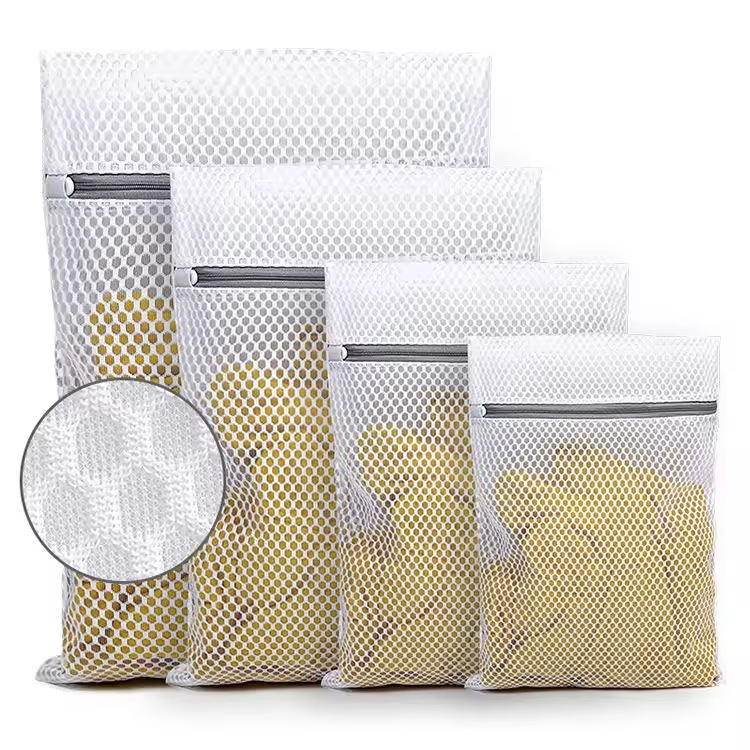
Materials Used in Washable Mesh Laundry Bags
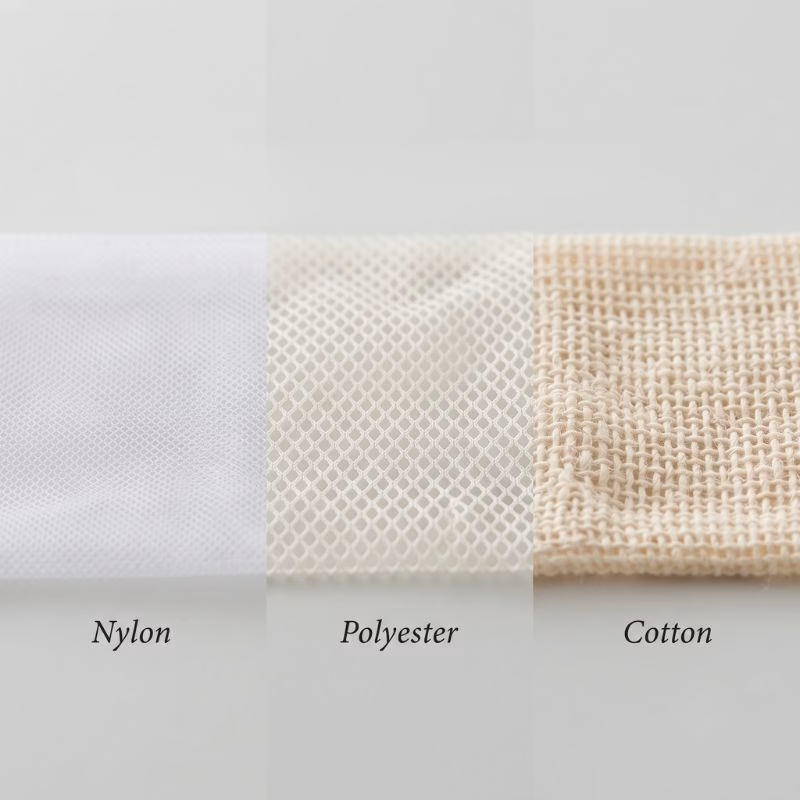
The material of a mesh laundry bag determines its durability, breathability, and suitability for different washing conditions. Three primary materials dominate the market: nylon, polyester, and cotton. Each has distinct properties that affect performance in commercial and residential laundry settings.
Nylon Mesh
Nylon is widely regarded as the strongest mesh fabric for laundry applications. Its tightly woven fibers resist tearing, making it ideal for bags that handle heavy loads or frequent washing. Nylon mesh also offers natural flexibility—the bag stretches to accommodate bulky items without losing its shape. For buyers sourcing bags for high-volume environments like hotels or uniform services, nylon provides excellent wear resistance, often outperforming polyester by 30 to 50 percent in abrasion tests.
Polyester Mesh
Polyester mesh is valued for its durability and quick-drying properties. It absorbs minimal water, which means bags dry faster between uses—an advantage in humid environments where mold and odor are concerns. Polyester also resists UV degradation, making it suitable for bags that may be air-dried outdoors. Many polyester mesh bags are made from recycled materials, appealing to buyers with sustainability mandates.
Cotton Mesh
Cotton mesh offers a natural, biodegradable alternative. It feels soft against garments and provides excellent airflow. Cotton is less durable than synthetic options and may not withstand the rigors of commercial washing over hundreds of cycles. Cotton mesh bags are best suited for light residential use or specialty applications where natural fibers are preferred.
Types of Washable Mesh Laundry Bags
Washable mesh laundry bags come in several configurations, each designed for specific laundry needs. Understanding the differences helps buyers select the right product for their use case. You can explore our full range of laundry mesh bag options to see the variety available.
By Closure Type
The closure mechanism affects both security and ease of use:
-
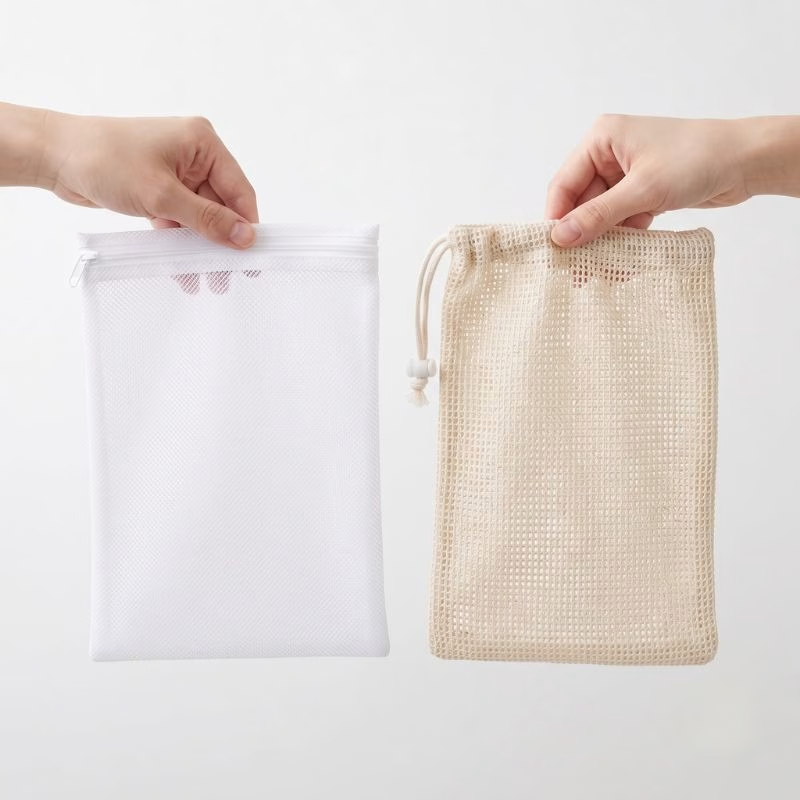
Zipper closures provide a secure seal that prevents items from escaping during aggressive wash cycles. A mesh laundry bag with zipper using rust-resistant hardware is particularly valued in commercial settings where bags go through heavy-duty cycles daily.
-
Drawstring closures allow quick loading and unloading, making them ideal for high-turnover environments where speed matters.
By Size
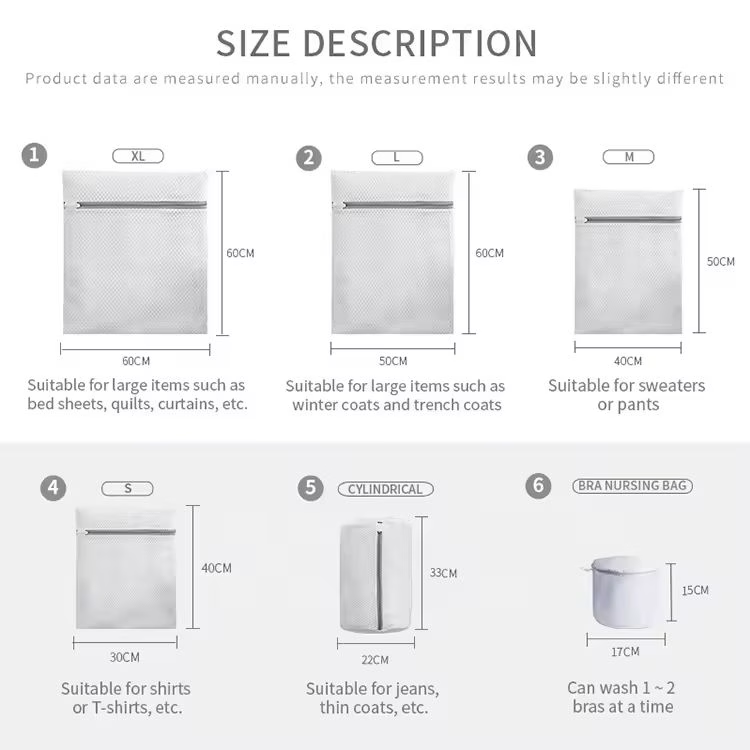
Size determines what garments the bag can accommodate:
-
Small bags (approximately 15 by 19 inches) handle socks, underwear, and baby items. See our small laundry bag collection for options.
-
Medium bags (approximately 20 by 24 inches) suit t-shirts, blouses, and everyday wear.
-
Large bags (approximately 24 by 36 inches) accommodate bulky items like sweaters, bedding, and uniforms.
By Set Configuration
Many buyers prefer purchasing a laundry mesh bag set, which offers variety and value. Sets typically include multiple sizes or mesh grades, allowing users to match the bag to the garment type. Set options range from 3-piece starter sets to 7-piece collections covering fine and coarse mesh grades.
For example, a set of 3 colorful mesh laundry bags provides color-coded organization, while a set of 7 fine mesh bags offers comprehensive coverage for delicate-heavy laundry programs.
Fine vs. Coarse Mesh: Which Should You Choose?
The mesh grade—fine or coarse—directly affects which garments the bag can protect effectively. This is one of the most common questions buyers ask when evaluating options.
Fine Mesh
Fine mesh bags feature tightly woven fabric with small openings. This construction prevents small items from slipping through and offers gentle protection for delicate fabrics like silk, lace, and knitwear. Fine mesh is the preferred choice for lingerie, baby clothes, and any garment with fine detailing that could catch or snag.
A set of 7 thickened fine mesh bags provides durable fine mesh construction suitable for both residential and commercial use. For buyers needing a single grade of fine mesh across their operation, a white thickened fine mesh laundry bag offers a consistent option. A colorful thickened fine mesh laundry bag is also available for color-coded sorting systems.
Coarse Mesh
Coarse mesh bags have larger openings that allow more water and detergent to flow through. This makes them better suited for heavier items like jeans, towels, and bedding, where thorough cleaning matters more than gentle handling. A coarse mesh laundry bag also promotes faster drying between washes.
A set of 5 thickened coarse mesh bags is designed for buyers who need durable bags for heavier laundry loads. For operations needing branded options, a set of 5 thickened coarse mesh bags with customized logo combines durability with branding capability.
Choosing between fine and coarse mesh depends on the garment mix. Operations handling mostly delicates benefit from fine mesh throughout, while mixed loads may require both grades.
How to Choose Washable Laundry Bags for Your Needs
Selecting the right washable laundry bags involves matching product specifications to your operational requirements. Several factors should guide the decision.
Consider Your Garment Types
The garments you wash determine the mesh grade, size, and closure type. Delicate items like lingerie and knitwear require fine mesh bags with secure closures. Heavier items like towels and workwear perform better in coarse mesh bags that allow thorough cleaning. If your operation handles a mix of garment types, consider investing in laundry mesh bag sets that include multiple grades and sizes.
Think About Volume
High-volume operations need bags that withstand hundreds of wash cycles without failing. Look for features like double-stitched seams, reinforced corners, and thickened mesh fabric. A thickened white mesh laundry bag with embroidered logo combines durability with branding capability—useful for operations that need to identify bags by department or client. A set of 5 thickened white coarse mesh laundry bags offers bulk durability for heavy-duty programs.
Evaluate Durability Features
For operations in Korea and Japan where mesh laundry bags are widely used in both residential and commercial settings, a sandwich mesh laundry bag in Korea style offers a popular regional design.
How to Use Washable Laundry Bags Step by Step
Proper use extends both garment life and bag lifespan. Follow these steps for best results:
-
Sort your laundry by color and fabric type before loading. Group similar items together—delicates with delicates, heavy items with heavy items.
-
Select the right bag for the garment type. Use fine mesh for delicates and small items; use coarse mesh for heavier pieces.
-
Load the bag loosely. Fill to no more than two-thirds capacity to allow water and detergent to circulate freely. Overloading reduces cleaning effectiveness and strains the mesh.
-
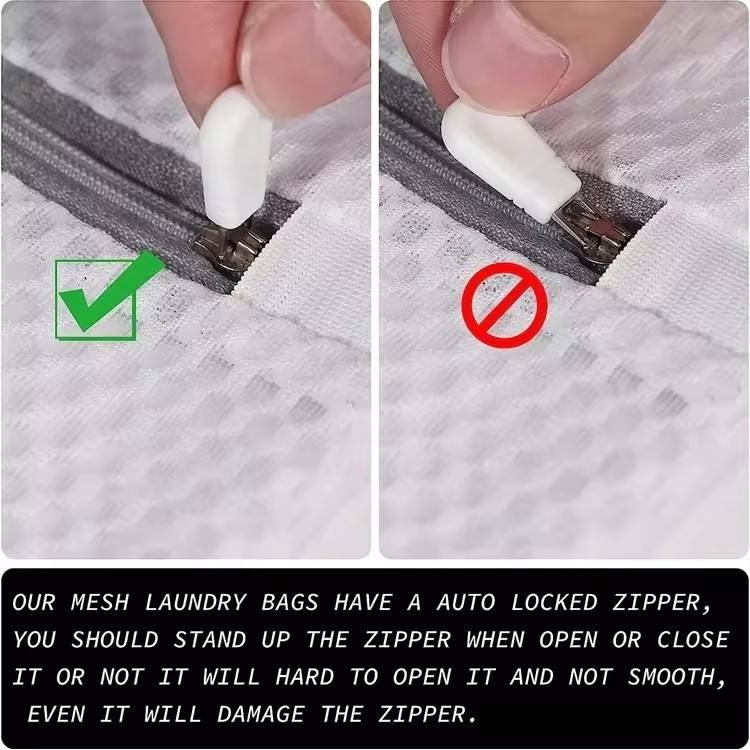
Close the bag securely. If using a zippered bag, tuck the zipper pull into its protective cover to prevent snagging. For drawstring bags, pull the string tight and tie a simple knot.
-
Wash according to garment care labels. The mesh bag protects items but does not change the recommended wash temperature or cycle.
-
Remove items promptly after washing. Leaving damp garments in mesh bags can lead to mildew, even with breathable mesh.
-
Dry the bag by hanging it in a well-ventilated area before reuse.
These steps apply whether you are washing a few items at home or managing hundreds of loads in a commercial facility. Consistency in how bags are loaded, closed, and maintained makes a measurable difference in both garment longevity and bag lifespan.
Caring for Your Mesh Laundry Bags
Washable laundry bags are designed to be washed repeatedly, but they also need care to maintain performance. Proper maintenance extends bag life and ensures hygienic laundry handling.
Cleaning
Mesh laundry bags can be washed like regular laundry. For routine cleaning:
-
Wash bags in warm water with mild detergent
-
Avoid bleach or harsh chemicals that weaken mesh fibers
-
For stubborn stains, soak the bag in warm soapy water for 30 minutes before washing
-
Bags used for heavily soiled items should be washed separately from garments
Drying and Storage
After washing, proper drying prevents mold and odor:
-
Air dry bags by hanging them in a well-ventilated area
-
Avoid machine drying at high heat, which can damage mesh fibers and warp closures
-
Store bags fully dry in a cool, dry place
-
Fold or roll bags to save storage space
For commercial operations, rotating bags in sets ensures even wear and extends overall lifespan. Color-coded bags make it easy to organize by department or washing frequency.
Customization and OEM Options
Established in 2014, our company is a professional manufacturer of laundry mesh bags, bra laundry bags, washing bags for shoes, storage bags, laundry baskets, and drawstring mesh products. Our customers are located worldwide, with key markets in Europe, North America, South America, Korea, and Japan. OEM orders are welcome, and customized designs are available.
Design Options
Buyers can customize mesh laundry bags in several ways:
-
Logo embroidery and printing: Add your brand logo, department name, or client identifier directly on the bag. A sandwich carton cleaning fine mesh laundry bag with embroidery shows how embroidery integrates with fine mesh construction.
-
Color customization: Match bags to your brand palette or use color-coding for organizational systems.
-
Size and shape: Specify dimensions that fit your garment types and washing equipment.
-
Mesh grade selection: Choose fine, coarse, or sandwich mesh based on your laundry needs.
-
Closure type: Select zipper, drawstring, or Velcro closures.
Order Quantities and Production
For buyers needing customized logos, a set of 5 thickened coarse mesh bags with customized logo shows how branding integrates with durable construction. Minimum order quantities vary by product and customization level—reach out for detailed specifications and pricing based on your volume needs.
Our environment-friendly raw materials and REACH-compliant production process ensure that customized products meet international safety standards across all our key markets. Production timelines depend on design complexity, order size, and customization level. Standard designs typically take 7 to 10 days, while fully custom orders with specialized branding may take 10 to 25 days. We maintain strict quality checks at every production stage.
Compliance and Safety Standards
For buyers supplying products to European and international markets, compliance with chemical safety regulations is non-negotiable. Our products are manufactured using environment-friendly raw materials and can pass REACH compliance testing for textiles, ensuring they meet EU chemical safety requirements.
REACH (Registration, Evaluation, Authorisation and Restriction of Chemicals) is an EU regulation that controls hazardous substances in products entering the European market. All textile products—including mesh laundry bags—must comply with REACH Annex XVII restrictions and avoid Substances of Very High Concern above defined thresholds. Restricted substances in textiles are most commonly found in synthetic dyes, metallic accessories (like zipper pulls), plastic components, and preservatives used to prevent odors and mold.
Beyond REACH, many buyers also look for voluntary certifications like OEKO-TEX STANDARD 100, one of the world’s most recognized labels for textiles tested for harmful substances. OEKO-TEX certification demonstrates that every component of a textile product—from the mesh fabric to the zipper and thread—has been tested against a comprehensive list of regulated substances.
For procurement teams evaluating suppliers, requesting test reports and compliance documentation should be a standard part of the qualification process. Maintaining organized test reports and supplier certifications ensures quick response when EU customs or buyers request verification.
Why Sourcing Directly from the Manufacturer Matters
When you source washable laundry bags from the original manufacturer, you gain several advantages that trading companies and intermediaries cannot match. Direct access to the production source means you can specify exact requirements—from mesh grade and material to size, closure type, and branding. You also get transparent pricing, shorter communication loops for design revisions, and direct quality control oversight.
As a manufacturer established in 2014, we produce laundry mesh bags, bra laundry bags, washing bags for shoes, storage bags, laundry baskets, and drawstring mesh products for customers across Europe, North America, South America, Korea, and Japan. Our environment-friendly raw materials pass REACH and related tests, and OEM orders with customized designs are always welcome.
If you are evaluating suppliers for reusable mesh laundry bags or planning a custom order, we invite you to reach out with your specifications. Our team can provide samples, detailed product specifications, and quotes based on your volume and customization needs. Working directly with the manufacturer means you are not just buying a product—you are partnering with a team that understands mesh construction, compliance requirements, and the operational demands of laundry management.
Frequently Asked Questions
1. What minimum order quantities apply to custom bags?
Minimum order quantities vary depending on the product type and level of customization. Basic designs without customization may have lower MOQs, while fully custom bags with embroidered logos or special colors typically require larger orders. Reach out for detailed specifications based on your specific needs.
2. Can mesh laundry bags pass REACH compliance tests?
Yes. Our products are manufactured using environment-friendly raw materials and can pass REACH and related chemical safety tests. We maintain test reports and compliance documentation for buyers supplying European and international markets.
3. What customization options are available for OEM orders?
Buyers can customize mesh grade (fine, coarse, sandwich mesh), size, color, closure type (zipper, drawstring), and branding (embroidered or printed logos). Our team works with you to develop designs that match your specifications—contact us to request samples.
4. How long do washable mesh laundry bags typically last?
Lifespan depends on usage frequency, load weight, and washing conditions. Bags made from thickened mesh with reinforced seams can withstand hundreds of wash cycles in commercial settings. Nylon mesh generally offers the longest wear life, followed by polyester.
5. Are samples available before placing a bulk order?
Yes, samples are available for evaluation. We encourage buyers to test bag performance with their specific garment types and washing equipment before committing to a full production run. Contact us to request samples.