
Delicate programs look simple from the outside, but buyers know how much work sits behind a small mesh washing bag: product failure, returns, or weak customer reviews can all cut into your margins. A well-specified mesh washing bag protects garments, supports your brand promise, and reduces complaints in both retail and institutional channels. Within the first few washes, your customers will feel the difference between a thin, noisy bag and a stable design that holds its shape and keeps zippers under control.
For procurement and product teams, the goal is clear: match fabric, mesh density, closure, and size to the real use scenario, while staying on top of testing requirements and cost targets. A carefully planned mesh washing bag program can also help you rationalize SKUs, build a clearer upsell ladder, and keep your textile partners aligned across regions. In this guide, we’ll walk through how to evaluate specifications, compare formats like a delicate laundry mesh bag versus a mesh laundry sack, and work directly with a factory to fine-tune designs for your market.
Our company, established in 2014, manufactures laundry mesh bags, bra laundry bags, washing bags for shoes, storage bags, laundry baskets, and drawstring mesh for customers in Europe, North America, South America, Korea, and Japan, with OEM and customized designs available. All raw materials are environment friendly and can pass REACH and related tests, which is especially important as textile chemical limits have tightened in recent years.
Why a mesh washing bag is now standard for delicates
For many garment categories, a mesh washing bag has moved from “nice accessory” to “expected protection.” Retail shoppers and institutional laundries alike now recognize that delicate fabrics and garments with hardware need an extra layer between them and the wash drum.
How mesh washing bags protect garments
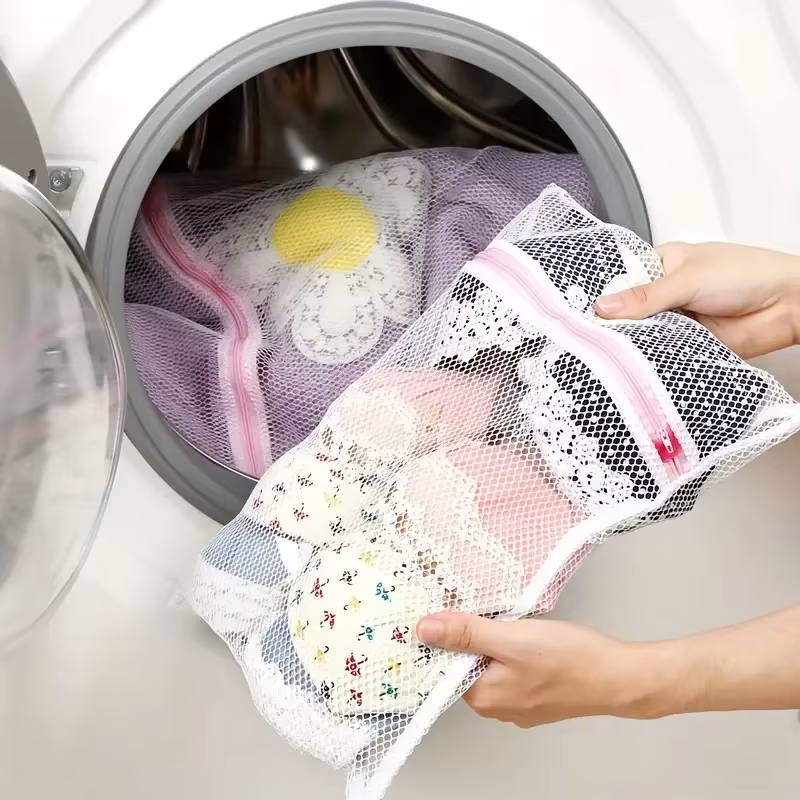
Mesh bags act as a barrier that reduces snagging, stretching, and fabric abrasion while still allowing water and detergent to circulate freely. Limit friction from the drum and other garments
-
Prevent hooks, zippers, and buttons from catching on lace or knits
-
Keep small items together so they don’t slip into machine gaps or filters
Delicate fabrics like silk, lace, wool blends, lingerie, and embroidered pieces are especially prone to damage from agitation and friction in the machine. When these items are enclosed in a mesh bag, movement is contained and contact with rough surfaces is reduced, which slows down wear and visible [youtube]
Mesh washing bag vs hand washing
Hand washing is still recommended for some labels, but it’s time-consuming and hard to scale when you think about hotel rooms, student dorms, or busy family households. A well-designed mesh washing bag allows many delicate items to go safely into a gentle cycle while achieving cleaning results close to hand washing, saving time and effort for end users.
For buyers, this becomes part of the product story:
-
Lingerie brands can position the bag as a way to keep lace sets looking new for longer
-
Sportswear labels can protect bras, leggings, and performance tops with bonded seams
-
Babywear brands can reduce complaints about snaps, zippers, or appliqués snagging in the wash
Impact on claims and returns
From a commercial view, one of the biggest hidden costs around delicates is post‑purchase disappointment:
-
“My bra wire came out in the second wash.”
-
“The lace on this sleepwear tore in the machine.”
-
“The knit has stretched and lost shape already.”
Encouraging use of a mesh washing bag, or even including one inside your packaging, can reduce these issues significantly by limiting mechanical stress on the garment surface. For institutional users like hotels or care facilities, adding mesh bags for small or delicate items can also protect other garments.
Where buyers typically deploy mesh washing bags
You’ll see mesh washing bags used across:
-
Intimate apparel and lingerie
-
Fine knitwear and cashmere‑blend collections
-
Performance sports bras and leggings
-
Baby clothes, especially items with snaps, embroidery, or appliqués
-
Hosiery and tights
-
Small items in hotels (guest laundry, staff uniforms with badges)
Once you treat the bag as a standard part of a category, it becomes much easier to brief your supplier and create a consistent specification across styles and seasons.
Key specs to check when choosing a mesh washing bag
When you compare supplier quotes, most samples will look similar at first glance: white mesh, zipper, maybe a zipper garage. The differences sit in the details—material, mesh type, density, stitching, and hardware—all of which affect performance in daily use.
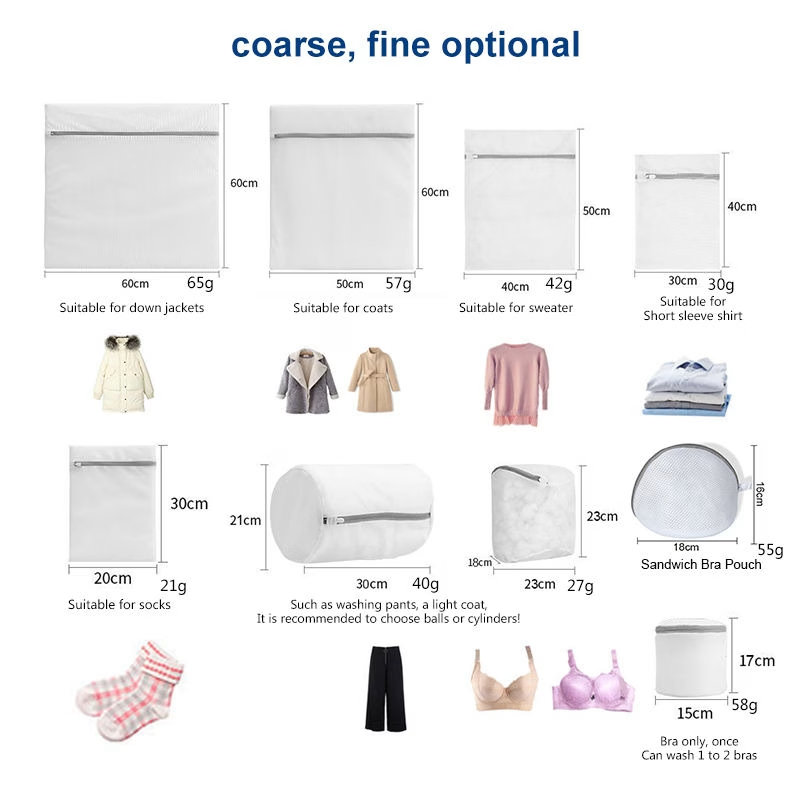
1. Material and mesh type
Most mesh washing bags are made from polyester or nylon, chosen for their strength, shape retention, and resistance to heat from repeated washing and drying. Within that, there are several mesh constructions:
| Mesh type | Typical use case | Notes for buyers |
|---|---|---|
| Fine mesh | Lingerie, hosiery, silk tops, delicate babywear | Better protection, slower water flow, good for small items |
| Coarse mesh | T‑shirts, uniforms, towels, outerwear | Faster rinsing, more abrasion, suited to tougher fabrics |
| Sandwich mesh | Higher‑end delicates, bras with underwires, embellishments | Padded structure, more cushioning, higher material consumption |
Fine mesh is ideal for a delicate laundry mesh bag that needs to handle lace, tulle, and sheer fabrics. Coarse mesh works well for hard‑wearing garments where the goal is organization as much as protection. Sandwich mesh—with its padded, three‑layer structure—adds extra cushioning around wires and hardware, decreasing the risk of deformation or breakage.
From our range, designs like the sandwich mesh laundry bag in Korea style and sandwich cartoon cleaning fine mesh laundry bag with embroidery are good examples of how sandwich mesh supports both function and branding.
2. Mesh density and weight
Beyond structure, mesh density (the size and number of holes) and fabric weight strongly influence how a bag behaves. A denser, heavier fabric:
-
Holds its shape better in the wash
-
Reduces the impact of zipper edges and buttons
-
Feels more substantial in the customer’s hand
Lighter meshes can work for budget programs or single‑use promotions, but they may collapse in the machine, ball up, or allow hardware to push through more easily. When you review samples, ask suppliers for fabric GSM and mesh count so you can compare like‑for‑like.
Products like the thickened white mesh laundry bag with embroidered logo and set of 5 thickened coarse mesh laundry bag set are built specifically to give that heavier, more durable feel while still allowing good water circulation.
3. Size, shape, and capacity
Buyers often standardize on three to seven sizes across a line:
-
Small: underwear, socks, baby items
-
Medium: tops, knits, sports bras
-
Large: dresses, sweaters, light outerwear
-
Extra‑large or mesh laundry sack: bedding, towels, uniforms
Sets, such as a set of 3 colorful mesh laundry bag or set of 7 fine mesh laundry bag set, are popular for retail channels and e‑commerce because they guide the end user on which bag to use for which garment type. For institutional buyers, consistent dimensions are more important so bags fit well with existing carts and machines.
Shape also matters:
-
Flat rectangles are efficient for folding and packing
-
Cylindrical or domed bags are ideal for bras and shoes
-
Gusseted bags offer more volume without increasing footprint
4. Closure type and zipper protection
Closures are one of the most common complaint points on mesh washing bags. A strong closure should keep bags shut through repeated cycles while avoiding damage to other garments. Common options include:
-
Coil zipper with zipper garage (fabric cover)
-
Coil zipper with elastic tab to hold the slider
-
Drawstring with plastic or metal cord lock (common for a mesh laundry sack)
Zippers should close smoothly and be color‑matched or contrasted according to your design brief. The zipper garage is more than a visual detail; it helps stop the slider from scratching the inside of the machine or catching on other garments.
We offer a wide range of laundry bag with zipper designs, including thickened fine mesh versions in both white and color, where the zipper and garage are carefully aligned with the branding.
5. Stitching, seams, and reinforcement
Stress points—bag corners, zipper ends, and drawstring channels—are where failures appear first. Look for:
-
Overlocked or bound seams to prevent fraying
-
Double‑stitched edges on large or heavy‑duty bags
-
Bar‑tacks or reinforcement at the zipper ends and drawstring openings
In heavy‑use environments, a set of thicker coarse mesh bags with reinforced seams will usually outlast lighter single‑use constructions by many cycles. This is where designs like the set of 5 thickened white coarse mesh laundry bag and set of 5 thickened coarse mesh laundry bag with customized logo sit in the range.
6. Branding and labeling
Branding on a mesh washing bag does more than advertise your name. It can also:
-
Indicate the garment category or care level (icons for lingerie, knitwear, shoes, etc.)
-
Help users sort sizes with color‑coded zippers or binding
-
Provide washing icons and brief care instructions
Options include woven labels, printed logos, and even embroidered branding, as seen on our thickened white mesh bags with embroidery. These details help your product stand out on shelf and in unboxing moments while guiding correct use.
Selecting the right delicate laundry mesh bag for each category
Once you understand the specs, the next question is simple: which delicate laundry mesh bag fits which garment group? Aligning bag design with category use is what turns a generic accessory into a valued part of your product or service.
Lingerie and intimate apparel
For lingerie, the main risks are lace snagging, underwires deforming, and hooks catching on other garments. A fine or sandwich mesh washing bag with a structured shape is usually the right choice.
Key points:
-
Use fine or sandwich mesh for softer surface protection
-
Consider dome or cylinder shapes for underwire bras
-
Add interior partitions if you want to separate cups
-
Specify a smooth coil zipper with a covered slider
Including a dedicated bra laundry bag in your assortment makes it easier to upsell a bundle and reduces return rates associated with damaged lace or bent wires.
Knitwear and delicate tops
Soft knits, especially those with cashmere or merino content, suffer when they stretch under their own weight in the wash. A large flat delicate laundry mesh bag keeps the garment folded and supported, reducing distortion.
Recommended features:
-
Fine mesh to reduce surface friction
-
Larger dimensions to fit folded sweaters
-
Clear care icons printed or embroidered on the bag
-
Color‑coding that matches your knitwear line
Many buyers pair these bags with seasonal knitwear launches as a value‑add accessory or gift‑with‑purchase.
Sportswear and athleisure
Performance fabrics are technically strong but can be damaged by Velcro, zippers, or hooks in the same load. A medium‑sized mesh washing bag with coarse or medium mesh is often enough to protect these garments while still allowing good rinsing.
Think about:
-
Medium‑weight mesh for balance between protection and drying time
-
Reflective or neon zipper pulls to match sports branding
-
Multipacks so users can sort by family member or garment type
Sets like the set of 7 thickened fine mesh bags provide multiple sizes that work well for sports bras, leggings, and training tops.
Baby and children’s wear
Baby items often feature snaps, embroidery, and appliqués that can catch, and many pieces are small enough to slip into machine gaps. A delicate laundry mesh bag makes it easier for parents to wash small items together without losing socks or mittens.
Buyers in this category often prefer:
-
Soft, fine mesh with gentle hand‑feel
-
Pastel colors or playful zipper pulls
-
Printed icons for socks, bibs, or bodysuits on each bag
Shoes and accessories
Washing shoes, caps, or padded accessories without protection can damage both the items and the machine drum. A thicker coarse mesh or sandwich mesh washing bag built for shoes adds structure and manages noise while still letting water flow.
Features to consider:
-
Extra reinforcement on seams and zipper ends
-
Padded or sandwich mesh panels
-
Rectangular or structured cube shapes
Our washing bags for shoes are built specifically around this use case, with the right balance of mesh openness and structure.
When a mesh laundry sack design makes more sense
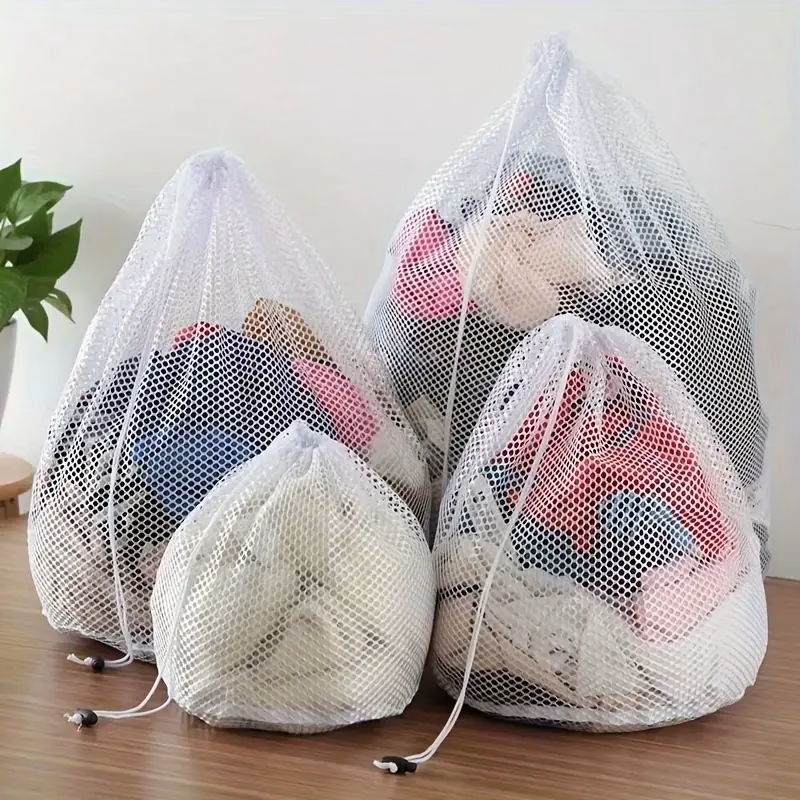
While many retail programs focus on small and medium bags, large‑volume users often need a mesh laundry sack instead. These sack‑style bags are designed to hold bulk loads and withstand frequent cycles in commercial machines.
Typical applications for mesh laundry sacks
Common use cases include:
-
Hotels and resorts collecting guest laundry or staff uniforms
-
Hospitals, clinics, and care homes organizing patient garments
-
Gyms and sports clubs washing team kits
-
Universities managing student or dorm laundry services
In these environments, a mesh laundry sack allows staff to keep garments together by room, patient, team, or department. The sack goes directly into the machine, preventing mix‑ups and reducing sorting time.
Design differences vs smaller mesh bags
Compared with smaller delicates bags, a mesh laundry sack usually features:
-
Larger dimensions and higher volume capacity
-
Coarser mesh for faster rinsing and drying
-
Drawstring closure with cord lock instead of zipper
-
Heavier stitching and reinforced seams
Here’s a simple view of the differences:
| Feature | Delicate mesh washing bag | Mesh laundry sack |
|---|---|---|
| Capacity | One to a few garments | Many garments, towels, or uniforms |
| Closure | Zipper with garage | Drawstring with cord lock |
| Typical mesh type | Fine or sandwich | Coarse or medium mesh |
| Main user | Home, retail, small loads | Hotels, hospitals, gyms, laundries |
Our laundry bag set and small laundry bag collections allow buyers to mix and match small, medium, and large formats—including sack designs—under one sourcing program.
Branding and identification for sacks
For larger sacks, clear identification is almost as important as construction:
-
Color‑coding by department or floor
-
Large, readable printed or embroidered logos
-
Space for barcodes or RFID tags if your system uses them
The set of 5 thickened coarse mesh laundry bag set is an example of how consistent sizing and branding can support professional users who need predictable performance across many sites.
Compliance, testing and material safety for mesh laundry bags for delicates
For global buyers, material safety is just as important as construction. Regulations like REACH in the European Union set strict limits on hazardous chemicals in textiles that come into contact with human skin.
Why REACH and chemical limits matter
REACH (Registration, Evaluation, Authorization, and Restriction of Chemicals) is an EU regulation that aims to protect human health and the environment from risks caused by chemicals used in consumer products, including textiles. In recent updates, additional restrictions have targeted substances in clothing, footwear, and accessories, limiting the concentration of chemicals that are carcinogenic, mutagenic, or toxic for reproduction.
For laundry accessories like a mesh washing bag, this means:
-
Base fabrics and trims must be checked against REACH restricted substances lists
-
Dyes, prints, and coatings must comply with current limits
-
Suppliers should be able to provide test reports from recognized laboratories
Our factory uses environment‑friendly raw materials that can pass REACH and related tests, which helps buyers meet requirements for Europe and many other regulated markets.
Key tests and documentation to request
When you source mesh laundry bags for delicates, it’s reasonable to request:
-
REACH compliance reports or equivalent chemical safety reports
-
Colorfastness tests (washing, rubbing) on dyed or printed mesh
-
Mechanical tests for seam strength and zipper performance
This doesn’t just help with internal compliance. It also builds confidence for your customers if you wish to communicate that materials are tested to modern standards.
For deeper reading on textile REACH compliance, independent guides from testing and inspection specialists outline how Entry 72 of Annex XVII now restricts 33 substances in textiles that come into contact with skin.
Sustainability and recycling considerations
Mesh washing bags that comply with stricter chemical limits are better candidates for recycling, because harmful substances are already controlled. While polyester and nylon recycling infrastructure varies by region, designing with clean, compliant inputs is an important first step toward more circular textile flows.
Customization and OEM options from our mesh washing bag factory
Once specifications and compliance are clear, customization turns a standard mesh washing bag into a product that matches your brand and target customer. Because we are the original manufacturer, we can adjust design details at fabric, pattern, and packaging level, rather than just printing a logo on a finished item.
Custom sizes, meshes, and sets
We offer size ranges from very small bags for accessories and baby socks through to extra‑large sacks for bedding and institutional loads. Buyers typically:
ag+1Define a core set of dimensions to cover their main categories
-
Choose between fine, coarse, or sandwich mesh depending on risk level
-
Build curated sets (3‑piece, 5‑piece, 7‑piece) to match retail price points
Examples include:
-
Set of 3 colorful mesh laundry bag – suitable as an entry bundle with strong visual differentiation
-
Set of 5 thickened coarse mesh laundry bag set – ideal for institutional users who need durable sacks
-
Set of 7 fine mesh laundry bag set – supports full household sorting, from lingerie to sweaters
You can review the broader range in our mesh laundry bag catalog to align existing SKUs with your next program.
Logo applications and visual identity
Branding options cover:
-
Screen‑printed or heat‑transfer logos on mesh or solid panels
-
Woven labels sewn into side seams or zipper garages
-
Embroidery on thicker meshes, as seen in our sandwich mesh laundry bag with embroidery and thickened white mesh laundry bag with embroidered logo
Color‑coding is also a powerful tool. Using different zipper colors, binding, or printed icons, you can help users link specific bags to lingerie, knitwear, sportswear, shoes, or babywear at a glance.
Packaging and retail‑ready presentations
For retail and e‑commerce, presentation sells the concept as much as the function. We support:
-
Flat packs with printed inserts explaining how to use each bag
-
Hanging cards for in‑store displays
-
Custom barcode stickers and multilingual care text
Because we produce both the mesh washing bag and many related storage items (laundry baskets, storage boxes), it’s possible to build coordinated collections that share design language across categories.
Planning your next mesh washing bag program with our team
For many buyers, the challenge is not whether to offer a mesh washing bag, but how to build a line that balances cost, performance, and brand positioning. Working directly with a factory that has been manufacturing laundry mesh bags and related products since 2014 gives you access to the people who understand both the fabric and the end‑use demands.
Typical workflow with our customers
A common process looks like this:
-
Define use scenarios
-
Which categories: lingerie, sportswear, kids, hotel laundry, etc.
-
Expected wash frequency and machine type
-
Target retail or contract price range
-
-
Select core constructions
-
Decide when to use a delicate laundry mesh bag vs a mesh laundry sack
-
Choose fine, coarse, or sandwich mesh for each group
-
Align on zipper or drawstring closures
-
-
Build initial sample sets
-
Use existing SKUs like the colorful thickened fine mesh laundry bag wholesaler range or white thickened fine laundry bag wholesaler range as starting points
-
Adjust dimensions, logos, and color details
-
Run internal washing tests with your team or third‑party labs
-
-
Finalize specifications and packaging
-
Confirm labeling and care icons
-
Approve packaging for retail or institutional distribution
-
Lock in carton quantities and palletization for logistics
-
From there, repeat orders become much simpler because both sides share a clear technical file and testing history.
Why working with the original manufacturer matters
Sourcing directly from the manufacturer means your feedback can influence real structural details—mesh weight, reinforcement patterns, zipper garages—rather than being limited to cosmetic changes. That’s particularly relevant when you need:
-
Custom logo positions or embroidery on thicker mesh
-
Material tweaks to meet updated REACH or local test requirements
-
Sets or assortments created for specific markets (for example, Europe vs Korea)
Because our customers span Europe, North America, South America, Korea, and Japan, we are familiar with different retail expectations, laundry habits, and labeling norms across regions.
If you’re planning to expand or refresh your mesh washing bag offer, share your current pain points—returns, complaints, margin pressure, or logistics constraints—and we can recommend combinations of existing SKUs and custom options. You gain direct access to the source, a team that works daily with mesh laundry bags for delicates, and a product line that can grow with your brand or operation.
Frequently Asked Questions
1. What minimum order quantities do you support?
We work with flexible minimums depending on construction, printing method, and packaging, and we can advise realistic quantities once we know your target markets and channels. For larger programs, consolidating sizes and mesh types usually helps reach more efficient MOQs.
2. How can we customize a mesh washing bag for our brand?
You can customize mesh type, size, zipper color, logo application, and packaging, starting from proven base designs in our existing catalog and product collections. Reach out to discuss artwork, color standards, and any special category icons or care messages you’d like to include.
3. What testing and compliance documents can you provide?
We can support REACH‑related testing and other textile compliance checks through recognized laboratories, along with mechanical tests for seams, zippers, and colorfastness on our mesh washing bags. Share your destination markets and retailer requirements so we can align test plans.
4. How long are lead times for custom mesh laundry bags for delicates?
Lead times depend on order volume, customization level, and shipping route, but many custom mesh laundry bags for delicates move from sample approval to shipment within a standard production window agreed during quotation. We’ll outline a clear schedule during the sampling stage so your launches stay on track.
5. Do you offer samples of delicate laundry mesh bag designs?
Yes, we can provide reference samples from existing styles—such as fine mesh sets, thickened coarse mesh options, or sandwich mesh bra bags—as well as custom prototypes once your brief is defined. Contact our team to request samples matched to your product categories and markets.