
A lot of teams are trying to cut plastic use, but the buying decision is not as simple as “plastic bad, reusable good.” When you compare mesh bag bulk orders with disposable plastic bags, the answer depends on how long the bags last, how often they are reused, how they are washed, and whether the size and material match the actual job.
That point shows up in global guidance too: UNEP notes that non-plastic alternatives are not automatically better in every case and should be reused as much as possible to reduce impact. UNEP also points out that product design should support reuse and end-of-life handling.
For buyers, procurement teams, and product managers, the goal is practical: reduce waste without creating a hidden problem in cost, washing, or product failure. The best choice is usually the one that gets used many times, survives daily handling, and fits the use case without extra material.
Why buyers are rechecking bag choices now
Plastic reduction is no longer only a branding topic. It is now part of product design reviews, retail compliance discussions, and supplier scorecards. Teams are being asked to explain why they selected one bag type over another, and they need a clear answer backed by use patterns, not just opinions.
Reusable mesh formats are getting more attention because they can serve multiple roles:
-
laundry sorting
-
shoe washing protection
-
garment care
-
travel organization
-
retail packing for reusable systems
-
internal warehouse sorting
That flexibility matters. A single product line can support many use cases, which helps reduce the number of disposable bags used across operations.
At the same time, buyers have to think about trade-offs:
-
If a reusable bag is overbuilt for a light task, the material footprint per use can stay high.
-
If the zipper or seam fails early, reuse counts stay low.
-
If the bag is washed too often or at high heat, the environmental gain can shrink.
-
If sizes are wrong, users stop using the bags.
So the right question is not “mesh or plastic?” The better question is:
Which reusable mesh bag specification will actually be reused enough to beat disposable plastic in our real workflow?
That question leads to better sourcing decisions, fewer returns, and more stable long-term demand planning.
What “better for the environment” means in practice
“Better” usually means one thing in marketing and another thing in operations. For sourcing teams, it should mean a bag performs well across the full use cycle:
-
Material use
-
Manufacturing durability
-
Transport efficiency
-
Actual reuse count
-
Washing behavior
-
End-of-life handling
If a mesh bag is reused many times, it can lower waste volume and cut repeated plastic purchases. If it is poorly matched to the job, it may sit in storage or wear out too early.
A practical way to compare bags
Use this simple rule:
-
Per-use impact matters more than first-use impact
A disposable plastic bag may use less material per unit at the start. A reusable mesh bag usually uses more material per unit. The environmental case improves when the mesh bag is used again and again.
UNEP makes this same point in broader terms: alternatives need repeated use, and product design should support durability, low weight, and good end-of-life pathways.
Two authoritative references your team can use
-
UNEP guidance on reducing single-use plastic impacts — useful for policy context, reuse logic, and life-cycle thinking.
-
EEA report on microplastics from textiles — useful when your team is evaluating synthetic textile use and washing impact.
What buyers should document internally
When you approve a reusable mesh line, record these points:
-
expected uses per bag
-
wash frequency
-
failure points (zipper, seam, fabric)
-
replacement cycle
-
size match to the product or laundry load
-
return/reject rates
-
user compliance (are people actually reusing it?)
This gives your team a clean way to compare vendors and improve the next order.
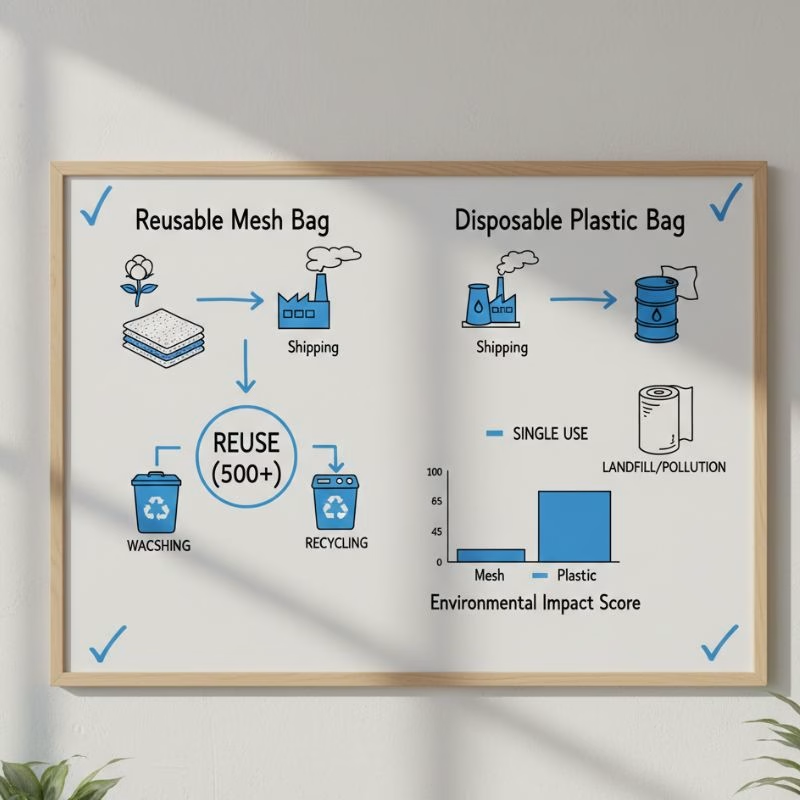
Where mesh bag bulk can reduce plastic use
This is where reusable mesh products usually perform well: repeated tasks with stable routines. If the bag is used often and handled correctly, the environmental case gets stronger each month.
Typical examples:
-
hotel and dorm laundry sorting
-
household laundry care products sold in sets
-
shoe washing bags
-
garment protection during washing
-
reusable retail or packaging systems
-
internal sorting at warehouses or fulfillment centers
Why mesh performs well in repeat-use systems
Mesh products are easy to see through, fast to dry, and easy to sort by size or color. In many workflows, that makes them more likely to be reused than opaque bags.
For example:
-
A color-coded set helps users keep using the same bags for the same purpose.
-
A zipper closure reduces spills and product loss.
-
Fine mesh helps with delicate garments.
-
Coarse mesh supports airflow and faster drying.
These features do not guarantee lower impact by themselves. They support consistent reuse, which is the main driver.
Simple comparison table: mesh vs plastic in repeated use
| Use case | Disposable plastic bag | Reusable mesh option | Environmental note |
|---|---|---|---|
| Laundry sorting | Often torn or discarded after short use | Used repeatedly for sorting and washing | Reuse can lower waste volume over time |
| Shoe washing | Single-use protection or no protection | Dedicated mesh laundry sack with zipper | Product protection can reduce damage and replacement |
| Travel organizing | Usually replaced often | Reused across many trips | Better if size fits actual packing habits |
| Retail add-on bag | Frequent repeat purchases | Reusable set encourages longer use | Works best when users keep and reuse the bags |
Where mesh bag bulk works best operationally
1) You can standardize sizes
If your team defines a small, medium, and large format clearly, users adopt them faster.
2) You can control quality at the source
Seams, zipper quality, and mesh density decide how long the bag stays in service.
3) You can support repeat behavior
Color coding, labels, and care instructions improve reuse rates.
When these three conditions are in place, a mesh bag bulk order is usually easier to justify than a disposable plastic bag line because it supports repeat use instead of repeat disposal.

When mesh bag bulk may not be the greener option
Reusable products can lose their environmental advantage if the use pattern is weak. This is where many teams make mistakes: they buy reusable items, then measure the purchase but not the usage.
Common cases where reuse fails
-
Bags are handed out but not reused
-
The wrong mesh type is selected, so bags tear early
-
Bags are too large, so users avoid them
-
Washing instructions are unclear
-
Zippers fail before the mesh fabric wears out
-
Teams order too many variants, creating slow stock
A mesh bag bulk purchase only helps when the product stays in use.
Washing impact and textile shedding
This part matters more than many buyers expect. The European Environment Agency notes that synthetic textiles contribute to microplastic release, including from washing. The EEA also reports that a significant share of microplastics entering marine environments comes from textiles.
That does not mean mesh laundry products should be avoided. It means buyers should source with care and manage usage well:
-
choose the right mesh density for the task
-
avoid unnecessary washing cycles
-
provide care instructions for lower-friction washing
-
replace damaged bags before they shed more fibers
-
avoid over-specifying synthetic material when a lighter option works
A better way to handle this risk
Build the microplastic question into your product brief:
-
What material blend is used?
-
What is the expected wash frequency?
-
Is the bag intended for delicate clothing, shoes, or sorting only?
-
Does the design reduce abrasion inside the machine?
-
Can the supplier provide guidance for proper use and care?
This is also where a good supplier helps. A factory that already makes different mesh types can recommend the right structure for each use case instead of pushing one bag style for everything.
Watch for over-ordering
Over-ordering can erase the benefit of reusable products. If bags sit for years in storage, you tie up cash and create dead stock.
For better results:
-
start with a realistic pilot quantity
-
track usage and replacement rates
-
expand only after you confirm repeat use
-
keep the SKU range tight
That approach is better for cost control and better for environmental reporting.
How mesh for bags and product design change impact
The phrase mesh for bags sounds simple, but it covers many design choices that affect lifespan and user behavior. For environmental performance, design details are not small details. They decide whether a bag survives long enough to be reused.
1) Mesh density: fine vs coarse
Fine mesh
-
Better for delicates and small items
-
Helps reduce snagging
-
Often used for underwear, socks, and light garments
Coarse mesh
-
Better airflow
-
Dries faster
-
Useful for larger garments or general sorting
If the wrong mesh is selected, users stop using the bag or the bag fails early. That is why product matching is part of environmental performance.
2) Size matching: avoid “one size for everything”
This is where small mesh bags become very useful. Small sizes help with:
-
socks
-
baby items
-
undergarments
-
accessories
-
light travel packing
When teams skip smaller sizes, users often overload a larger bag or go back to disposable plastic bags for tiny items. A mixed-size set usually supports more repeat use than a single large bag.
3) Closure type: zipper, drawstring, or open top
Closures affect both usability and service life.
-
Zipper bags: better containment for washing and travel
-
Drawstring bags: good for quick sorting and storage
-
Open top bags: fine for internal sorting, less ideal for washing
If the bag is used in a washing machine, zipper protection and seam finishing matter a lot. A zipper that fails early can end the bag’s usable life even if the mesh is still fine.
4) Fabric weight and reinforcement
“Heavier” is not always greener. A thicker mesh bag may last longer, but it also uses more material. The best choice is the lightest construction that still handles the real use pattern.
That is why buyers should ask for:
-
seam strength samples
-
zipper cycle tests (if applicable)
-
wash test feedback
-
use-case recommendations by bag size
Simple design table for sourcing teams
| Design choice | Better for | Risk if mismatched | Buying note |
|---|---|---|---|
| Fine mesh | Delicates, small items | Slower drying if overloaded | Pair with smaller sizes |
| Coarse mesh | General laundry, airflow | Small items may slip or snag | Use for larger garments |
| Zipper closure | Machine washing, travel | Zipper failure ends product life | Check zipper finish quality |
| Drawstring closure | Sorting and storage | Less secure in machine use | Best for non-wash workflows |
| Mixed-size set | Higher repeat use across tasks | More SKUs to manage | Keep set structure simple |
If your goal is lower waste, the design brief should not stop at “reusable.” It should specify who will use the bag, for what, and how often.
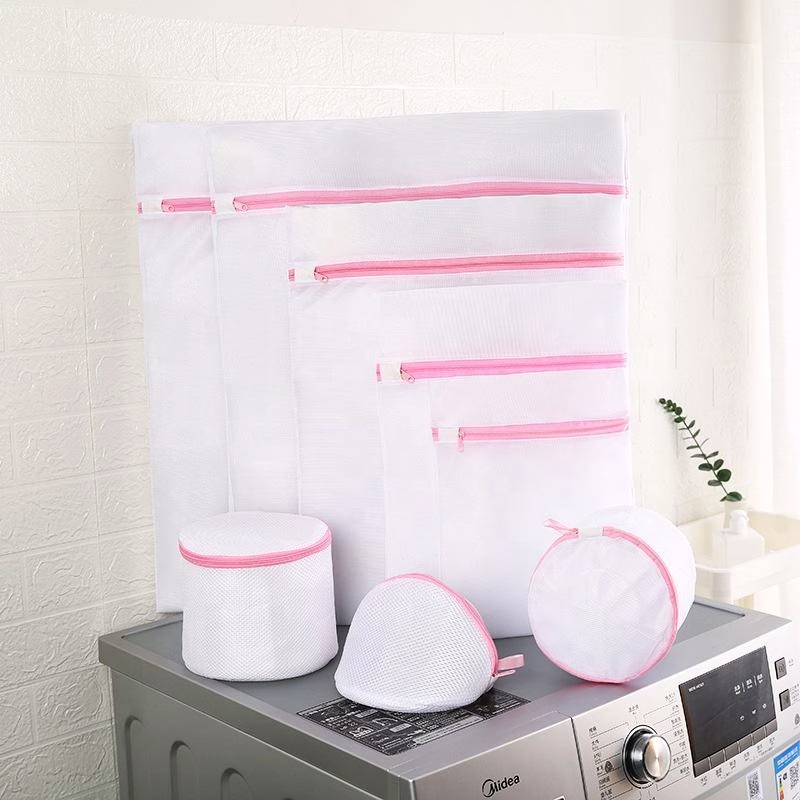
How to source mesh bag bulk and match the right product
Once your team knows the use case, the sourcing process gets easier. The goal is to match product style, mesh type, and size to the real workflow, then place a mesh bag bulk order that users will keep using.
Start with a short buyer checklist
Before requesting a quote, define:
-
primary use (washing, sorting, travel, shoe care)
-
bag sizes needed
-
fine mesh or coarse mesh preference
-
closure type (zipper or drawstring)
-
color coding needs
-
logo or branding needs
-
expected monthly volume
-
target replacement cycle
-
packaging format (single, set of 3, set of 5, set of 7)
This keeps your quote request clear and helps suppliers recommend the right configuration faster.
Use product families instead of random single SKUs
A product family approach gives better results than one-off orders. It also supports repeat purchasing.
Here is a practical way to structure your sourcing:
A) Core catalog entry points
B) Fine mesh laundry bags for delicates and mixed sets
C) Coarse mesh and thicker options for airflow and repeated handling
D) Branded and mixed-style options for retail or program use
How to choose the right set size
-
Set of 3 works well for starter programs and sample testing
-
Set of 5 works well for repeat household or laundry use
-
Set of 7 works well when you want a full weekly rotation
A good set structure can increase actual reuse because users have enough bags on hand while others are in the wash.
Customization and environmental value
Custom logo mesh laundry bags can support better retention when they are used for hospitality, retail programs, or branded care kits. The logo itself does not lower impact, but branded programs often improve return and repeat use rates because users keep the items longer.
For teams comparing offers, ask suppliers to quote:
-
plain version
-
logo version
-
mixed-size set
-
single-size set
This gives a clearer picture of cost, usage, and reorder potential.

Buy from the original manufacturer with clear specs
If your team wants reusable bags that are better for the environment than disposable plastic in daily use, the main win comes from one thing: getting the specification right from the start.
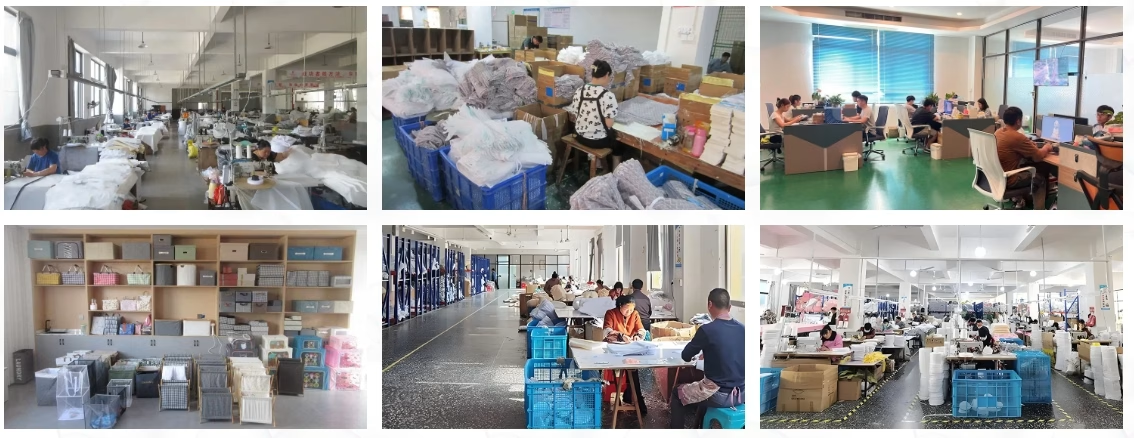
We are the original manufacturer, established in 2014, producing laundry mesh bags, bra laundry bags, shoe washing bags, storage bags, laundry baskets, and drawstring mesh products. We support customers across Europe, North America, South America, Korea, and Japan, and we offer OEM customization with materials that can pass REACH and related tests.
Working directly with the source factory helps you:
-
confirm the right mesh type for the use case
-
align sizes before mass production
-
review zipper and seam details early
-
simplify mixed-set planning
-
avoid over-ordering slow SKUs
-
get a quote that matches the real product brief
If you share your usage scenario, target quantity, size plan, and logo requirements, we can recommend a practical mesh bag bulk configuration and provide a direct factory quote with sample options and production details. That gives your team a cleaner path to lower plastic use with a product people will keep using.
Frequently Asked Questions
1. What is a good starting order quantity?
Start with a pilot quantity that matches one real use program, not every department at once. A small trial helps your team track reuse rate, washing frequency, and product feedback before placing a larger order. Reach out for a pilot quote based on your target monthly usage.
2. How do we choose fine or coarse mesh?
Choose based on the items being washed or stored. Fine mesh is usually better for delicates and small items, while coarse mesh is often better for airflow and larger garments. Contact us to request samples so your team can compare the mesh textures in real use.
3. Can you provide custom logo mesh laundry bags?
Yes, OEM customization is available. Logo printing or embroidery can be added for retail sets, hospitality programs, or branded garment care kits, and we can recommend the right bag style for your logo method.
4. Do your materials support compliance requirements?
Yes, our raw materials are environment friendly, and our products can pass REACH and related tests based on the project requirement. Share your market and compliance target, and we can prepare the right material and testing plan.
5. How long does sample and production take?
Lead time depends on bag type, quantity, and customization details. For faster quoting, send your size list, mesh preference, closure type, and logo file, and we can provide a clear sample and production schedule.