
To decide how to wash swimsuits, start with the garment’s care label. Rinse promptly after swimming, wash gently with a suitable detergent, and follow the drying instructions. A mesh bag belongs in this routine only when the swimsuit is suitable for machine washing.
The distinction matters for swimwear containing spandex: a laundry bag helps limit mechanical stress during washing, but it does not neutralize chlorine or prevent chemical damage. Rinsing, detergent choice and washing settings still need attention. The following sequence covers pool visits, beach days and the decision between hand washing and machine washing.
Start with the swimsuit’s care label and washing temperature
Check the washing method, permitted temperature and drying instructions before filling a basin or loading the machine. Do not assume that swimsuits with similar fabric compositions have identical care requirements. Use the instructions for the complete garment, including its lining, padding and decorative details.
If the label specifies hand washing, follow that instruction. A machine’s delicate setting does not override it. If machine washing is permitted, check the temperature and any restrictions on spinning. When the label is missing or unreadable, ask the garment supplier for care instructions before choosing a machine cycle.
One gentle-care routine uses water at a temperature permitted by the care label and a neutral detergent intended for delicate garments. Treat this as a conditional option, not a temperature rule for all swimwear. Follow any cooler limit or more restrictive instruction on the garment.
For other delicate clothing in the same laundry basket, see the separate guide to hand washing silk and using mesh bags. Choose the care method for each item before deciding whether anything can share a wash.
Rinse promptly after swimming to remove chlorine, salt and sand
Separate immediate rinsing from the detergent wash at home. After taking off the swimsuit, rinse it in fresh water to help carry away pool-water residues, salt and loose sand. Work gently, opening folds and allowing water to reach the lining rather than scrubbing the fabric against itself.
At the beach, pay attention to folded edges and places where sand has collected. Let water carry loose particles away. Avoid rubbing a sandy area aggressively or trying to scrape trapped grains out through the fabric.
When you return home, wash the swimsuit according to its label with a suitable detergent. The immediate rinse and the later wash serve different purposes; a quick rinse should not automatically become the entire cleaning routine.
Do not leave the swimsuit damp inside a bag after swimming. If it needs to travel home in a bag, unpack it promptly on arrival. A mesh wash bag is useful during an appropriate wash cycle, but it should not become a place to store wet swimwear until the next outing.
Prepare your swimsuit before washing
Before putting the swimsuit in washing water, check its closures, accessories and fabric condition. Preparation is especially useful for garments with straps, removable decorations or several layers.
- Close zippers. Check that the slider is fully closed and that no fabric is caught in it.
- Remove detachable decorations. Remove only accessories designed to come off. Leave sewn-on details in place and follow their care instructions.
- Check removable inserts. Follow the garment instructions on whether padding should remain inside or be washed separately.
- Turn the swimsuit inside out. Do this gently, without pulling hard on straps, stitching or decorative areas.
- Inspect the garment. Look for loose threads, damaged closures or existing snags before deciding how to wash it.
If a beach hat also needs cleaning, use the separate hat and mesh-bag care guide. Its construction may call for a different method from the swimsuit.
Hand-wash gently with a suitable mild detergent
Fill a clean basin with water at a temperature permitted by the label. Add a mild detergent suitable for the garment, following the detergent’s hand-washing dose. Where the garment instructions specify a neutral detergent for delicates, choose a product described that way rather than assuming any household cleaner is suitable.
Distribute the detergent in the water before adding the swimsuit. Move the garment gently through the solution, using light pressing or swishing motions. Pay attention to areas that need cleaning without twisting the whole garment into a tight bundle.
One hand-washing method uses gentle pressing or swishing motions, followed by rinsing with gentle pressing. This is an example of a gentle sequence, not a requirement for every swimsuit. Continue rinsing if detergent remains, and follow any garment-specific instructions.
Strong rubbing or kneading can stress the fabric, printed markings and stitched areas. For a dirty patch, use the permitted detergent and gentle pressing instead of vigorous scrubbing. Avoid pulling the fabric taut while working on a mark.
After rinsing, press out excess water gently without wringing. Follow the label’s drying method. If a stain remains, check the garment maker’s stain-care advice before trying a stronger product or repeating increasingly aggressive washing.
Machine-washing options: mesh bags, delicate cycles and gentle spinning
Use a machine only when the swimsuit’s care instructions permit it. A bag provides a barrier against some rubbing and snagging during washing. It does not make an unsuitable temperature, forceful cycle or prohibited machine wash acceptable.
Choose and load the mesh bag
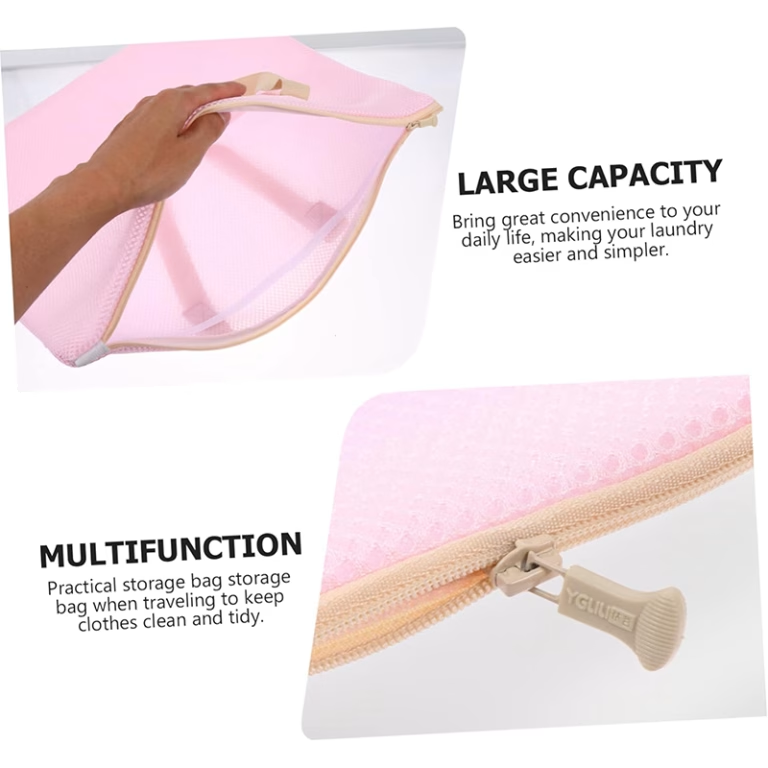
Choose a clean bag with intact mesh, smooth seams and a working closure. Check inside for grit or objects left from another wash. Place the prepared swimsuit inside loosely; do not compress it into a tightly packed bundle or force the bag closed.
Keep straps and fabric clear of the closure. Close the bag fully and use its zipper cover if one is provided. Avoid combining the swimsuit with items that have exposed hooks, rough surfaces or heavy hardware.
Do not choose a mesh construction solely because it is described as thick, fine or multilayered. Those descriptions identify product features; they do not by themselves establish which bag provides the best protection for a particular swimsuit.
Set the machine for the garment
Where the label permits it, a cold delicate cycle with a mesh bag and gentle spinning is a practical option. Avoid strong spinning. Check the actual cycle settings rather than relying only on a program name, and use no spin if the garment instructions require it.
Use a suitable detergent at its recommended machine-washing dose. Remove the swimsuit when the cycle finishes rather than leaving it inside the closed bag.
Keep mechanical protection separate from chlorine and salt care
A mesh bag’s role is to limit mechanical stress. It does not neutralize chlorine, and it should not be treated as a way to remove salt more effectively or prevent chemical damage to spandex. Keep prompt rinsing and appropriate washing in the routine even when a bag is used.
If fabric has already become loose, faded or damaged, do not expect a bag to restore it. Review the garment’s condition and care instructions before its next wash.
After washing: unpack promptly and dry away from direct sun
Take the swimsuit out of the mesh bag immediately after washing. Gently return it to its natural shape and arrange straps and lining without stretching them. Follow the label’s instructions for flat or hanging drying.
Dry indoors in a ventilated area or outdoors in shade. Keeping swimwear away from direct sunlight helps limit fading from ultraviolet exposure. Do not assume tumble drying is permitted because the swimsuit was suitable for machine washing; check the drying instruction separately.
Let both the swimsuit and its wash bag dry before putting them away. If the bag contains visible sand or detergent residue, rinse it before drying. Preparing the bag for its next use is part of the washing routine, especially after beach trips.
Washing a new swimsuit before its first outing
Read the care label before the first wash, even if you have owned a similar swimsuit before. For a new bikini that is not heavily soiled, gentle hand washing with lukewarm water and mild detergent is a suitable approach when consistent with its label.
Use the same preparation steps: close zippers, remove detachable decorations and turn the garment inside out. There is no need to choose a harsher cycle simply because the swimsuit is new. Rinse carefully and dry as directed before wearing or storing it.
Choosing swimwear wash bags for a retail range
For importers, distributors and private-label buyers, keep product instructions focused on the bag’s actual role. Explain how to load and close it, and tell users to follow the swimsuit’s care label. Avoid wording that promises protection from chlorine or makes machine washing sound suitable for every garment.
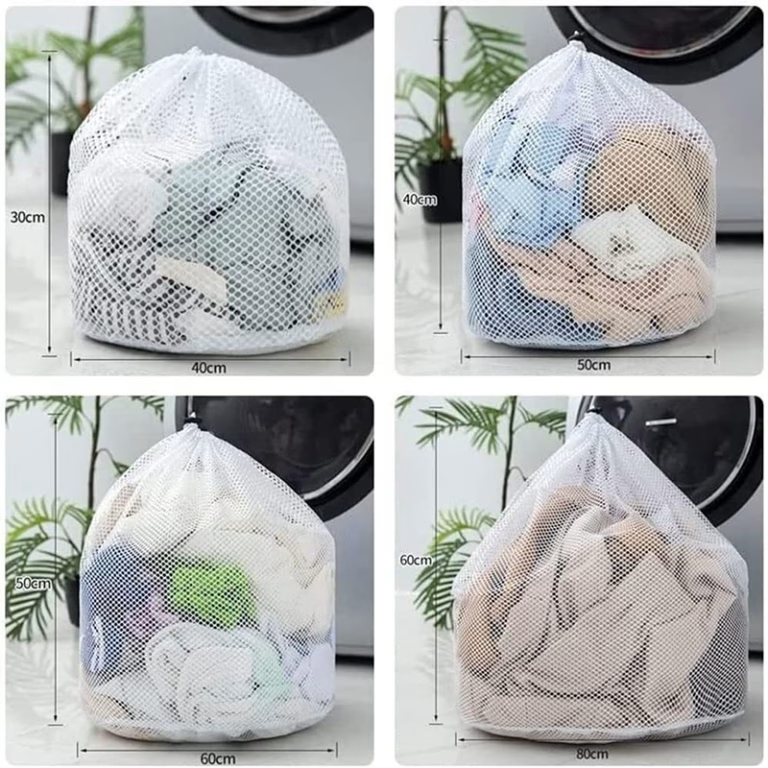
Yiwu Yihang Daily-Use Commodity Co., Ltd. has manufactured laundry mesh bags and related household products since 2014. Its polyester bag range includes fine, coarse, honeycomb, sandwich/3D and thickened mesh. These are available constructions, without an established ranking for swimsuit protection.
Europe and Japan are among the company’s main markets. OEM orders, custom designs and custom-logo bags are available. Business buyers can review the product catalog and discuss bag specifications and customization. Define the intended garments, bag dimensions, closure and care wording before selecting a construction.
FAQ
Is machine washing suitable for my swimsuit?
Only if its care label permits machine washing. Use the permitted temperature and cycle, place the swimsuit loosely in a mesh bag, and follow any spin restrictions. A bag does not override a hand-wash-only instruction.
How frequently does a swimsuit need washing?
Rinse promptly after each swimming session, then wash with suitable detergent when you return home, following the garment’s instructions. Do not leave it damp in a bag between uses or rely on repeated quick rinses as the whole cleaning routine.
Which washing method should I choose for swimwear?
Choose the method stated on the care label. For hand-wash garments, use gentle pressing or swishing in suitable water. For machine-washable garments, use the permitted gentle settings and a mesh bag to help limit mechanical stress.
Which cleaning products can I use on a swimsuit?
Use a mild detergent suitable for the garment. If its instructions call for a neutral detergent for delicates, follow that requirement. Check both garment and product instructions before using bleach, stain treatments or other laundry additives.