
A single pair of sneakers can ruin a washing machine drum. The shoes bounce, slam against the glass, and scratch the interior. The shoes often come out worse too, with bent soles, loose glue, and tangled laces. So buyers and product teams keep asking the same question: is there a safer way?
There is, and the answer is simple. A laundry bag shoes solution holds footwear inside a protective mesh layer during the wash. The bag absorbs impact, keeps pairs together, and lets water and detergent flow freely. Below, you’ll find how these bags work, which styles suit different markets, and what to check before placing a wholesale or OEM order.
Can You Put Shoes in the Washer?
Yes, many shoes handle machine washing well. But the answer depends on two things: the shoe material and the protection you use.
Canvas sneakers, mesh trainers, and most synthetic running shoes survive a gentle cycle without trouble. Their fabrics tolerate water, and their construction holds together under mild agitation. In fact, machine washing often cleans these shoes more evenly than hand scrubbing.
Some footwear should never go in the machine, though. Leather cracks when soaked. Suede stains and stiffens. Dress shoes and heels rely on glued construction that water weakens fast. For those, hand cleaning or professional care is the only safe route.
Here’s a quick reference for common shoe types:
| Shoe Type | Machine Washable? | Recommended Protection |
|---|---|---|
| Canvas sneakers | Yes | Mesh shoe bag, gentle cycle |
| Mesh running shoes | Yes | Mesh shoe bag, cold water |
| Synthetic trainers | Yes | Padded or mesh shoe bag |
| Leather shoes | No | Hand clean only |
| Suede footwear | No | Specialist care |
| Dress shoes / heels | No | Spot clean by hand |
Even for machine-safe shoes, protection makes the wash safer for both the footwear and the appliance. That protection is exactly what a dedicated shoe bag provides. You can explore the full range of washing bags for shoes to see how the category is built.
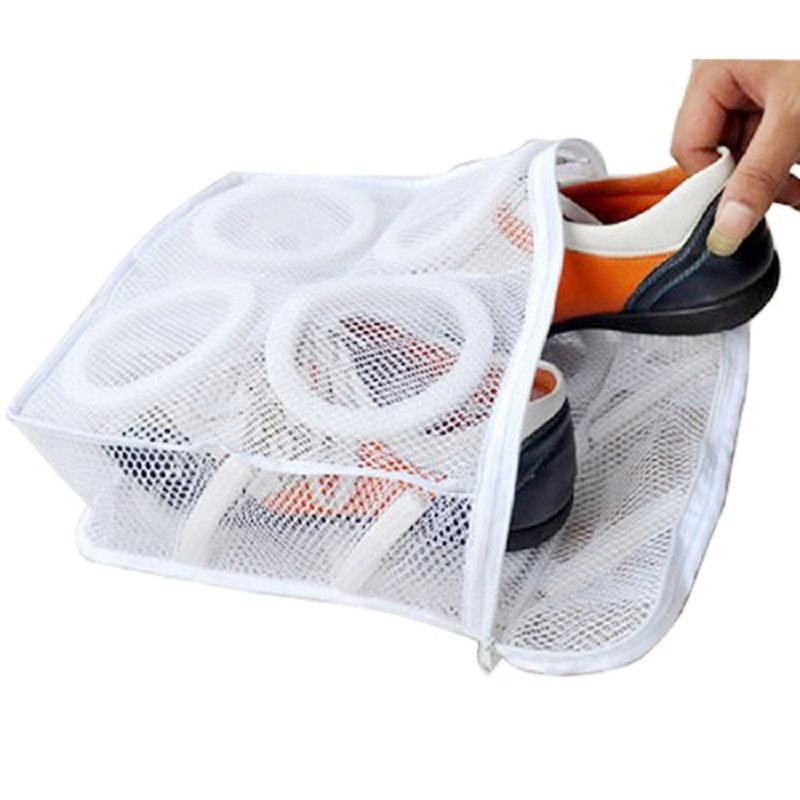
Why Shoes Get Damaged During Machine Washing
Understanding the damage helps explain why protection works. Shoes fail in the washer for four main reasons.
Impact damage. Shoes are heavy compared to clothing. During the spin cycle, they slam against the drum repeatedly. This bends midsoles, dents toe boxes, and can chip the machine’s interior coating.
Glue failure. Most sneakers use adhesives to bond the sole to the upper. Hot water softens these adhesives, and constant flexing then pulls the layers apart. Cold water reduces this risk, but impact still stresses every glued seam.
Lace and strap tangling. Loose laces wrap around other items or the agitator. The pulling force can tear eyelets or stretch straps out of shape. Tangled laces also throw the drum off balance, which strains the machine’s bearings.
Color bleeding and abrasion. Shoes rubbing directly against clothing transfer dirt and dye. The friction also wears down printed logos and fabric overlays.
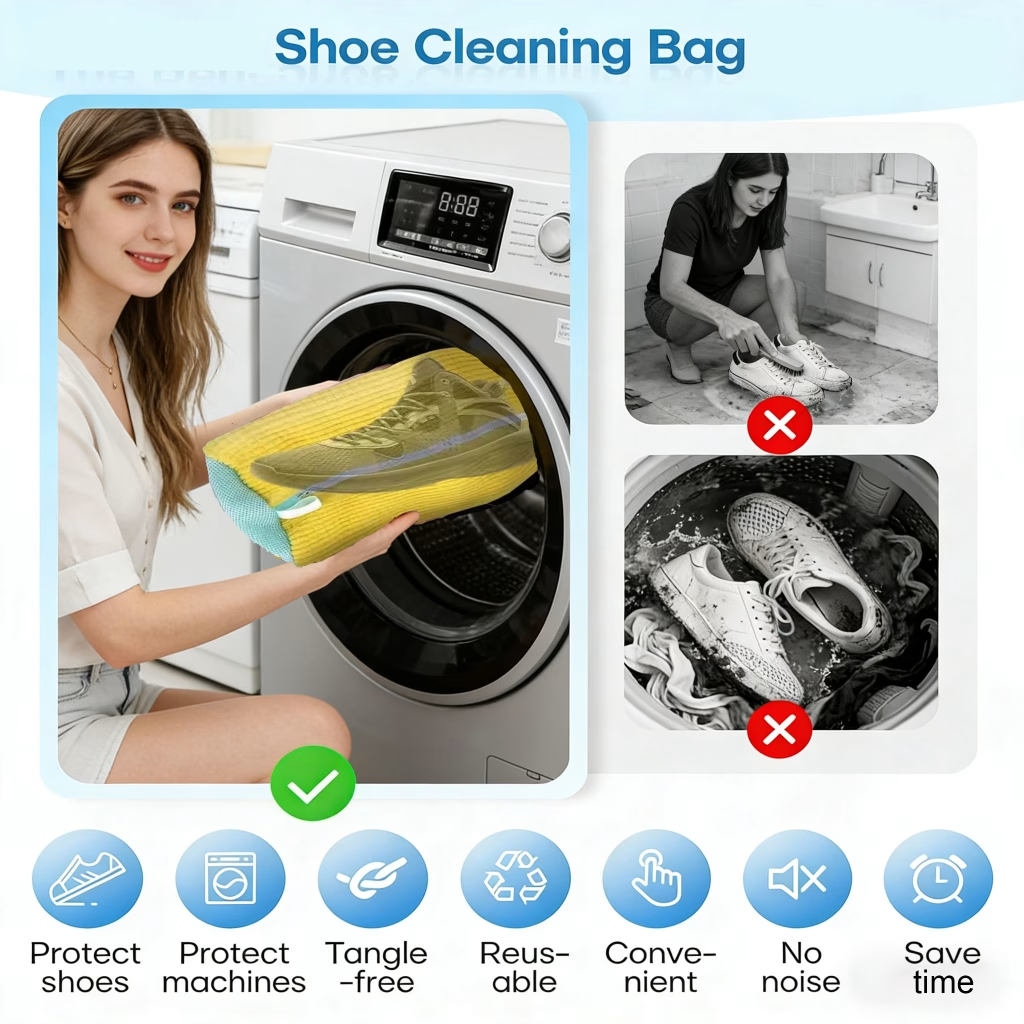
A protective bag addresses every one of these problems at once. The mesh layer cushions impact, contains laces, and separates shoes from other laundry. Because water still passes through freely, cleaning performance stays high. That single change turns a risky wash into a routine one, which is why laundromats and households worldwide have adopted shoe washing bags as standard equipment.
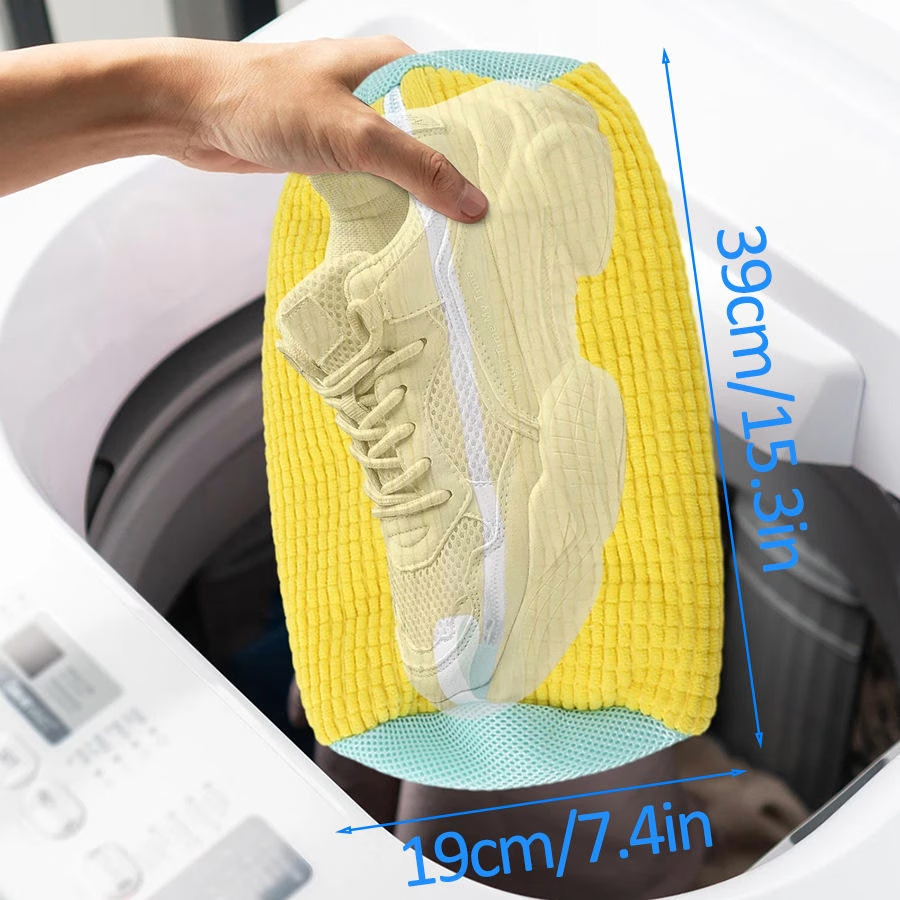
What Is a Mesh Laundry Bag for Shoes?
A mesh laundry bag for shoes is a zippered or drawstring enclosure made from open-weave polyester. It holds one or two pairs of footwear during a machine wash. The mesh structure does three jobs at the same time.
First, it lets water, detergent, and rinse cycles reach every surface of the shoe. The open weave creates no barrier to cleaning, so shoes come out as clean as they would unprotected.
Second, it contains movement. The bag keeps the pair together and limits how far the shoes can travel inside the drum. Many designs add foam padding or thicker sandwich mesh on the sides for extra cushioning.
Third, it protects the machine. The fabric layer sits between the shoe sole and the drum wall, so hard rubber never strikes metal or glass directly.
Typical construction details include:
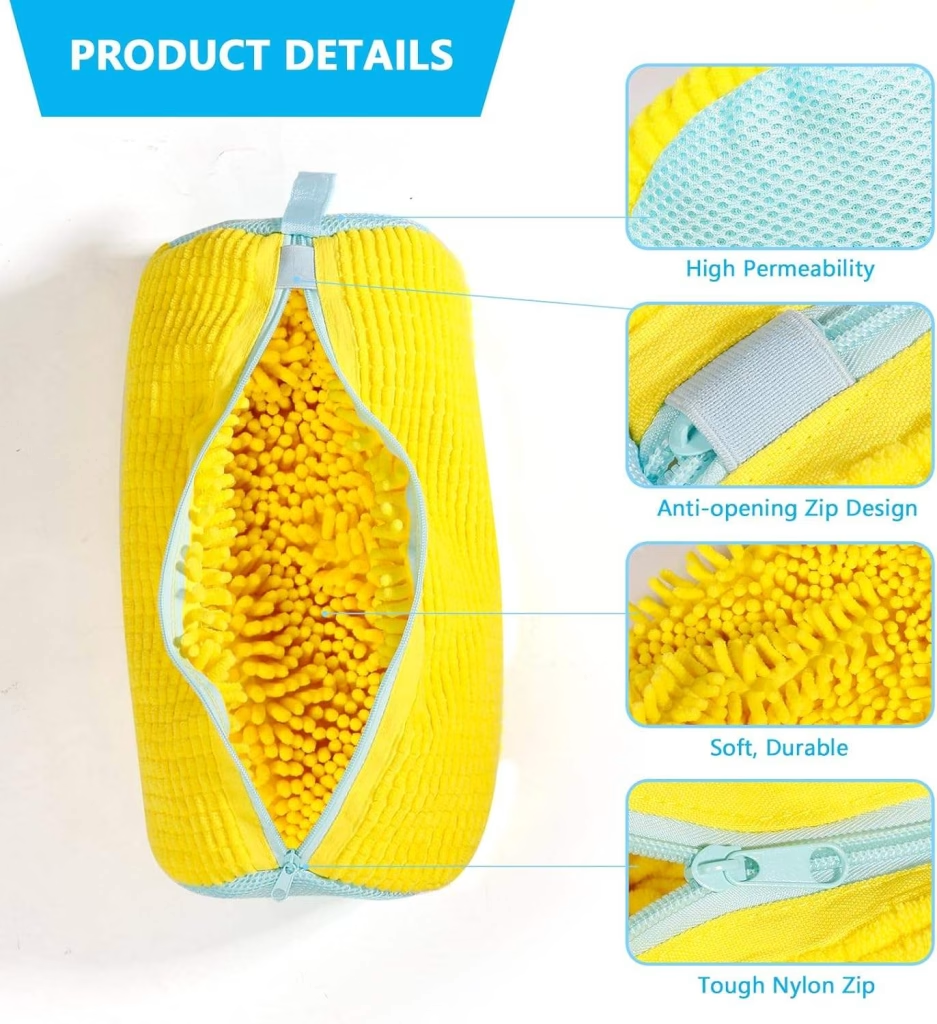
- Material: polyester mesh, often 75D to 150D yarn, sometimes with a sandwich (3D spacer) layer
- Closure: covered zipper with a protective flap, or a locking drawstring
- Capacity: sized for one adult pair, with larger formats for boots or two pairs
- Extras: hanging loops for air drying, reinforced seams, color-coded trims for sorting
Since 2014, our factory has manufactured these bags alongside bra laundry bags, storage bags, laundry baskets, and drawstring mesh products. The same production lines serve customers across Europe, North America, South America, Korea, and Japan. That experience shapes small details that matter in daily use, like zipper garages that stop metal pulls from scratching the drum.
For a closer look at a standard model, see this mesh laundry bag for shoes with durable polyester and a secure zipper.
Laundry Bag Shoes Styles: Which One Fits Your Product Line?
Not every shoe bag serves the same buyer. Retailers, importers, and product managers usually choose between four core styles. Each style targets a different end user and price point, so the right mix depends on your market.
| Style | Best For | Key Feature | Typical End User |
|---|---|---|---|
| Trainer washing machine bag | Everyday athletic shoes | Reinforced mesh, covered zipper | Households, gyms |
| Sneaker washing machine bag | Fashion and casual sneakers | Padded side panels | Sneaker retailers |
| Shoe bag for washing machine | General footwear | Universal sizing | Supermarkets, e-commerce |
| Sneaker wash bag | Compact travel use | Lightweight, foldable | Travel and sports brands |
Beyond these four, the category branches into more specific formats. A trainer washing bag with thicker spacer mesh suits running stores. A sneaker laundry bag with printed branding works well as a gift-with-purchase item. And a basic shoe washing bag at a lower price point fits discount retail programs.
When comparing styles, buyers should weigh three factors:
- Mesh density. Finer mesh protects delicate uppers but dries slightly slower. Coarser mesh rinses faster and costs less.
- Closure type. Zippers with fabric covers protect machines best. Drawstrings cost less and suit promotional runs.
- Padding level. Sandwich mesh adds cushioning and a thicker feel in hand, which supports a higher retail price.
Because all of these formats run on the same production base, mixed orders are practical. Many of our customers combine two or three styles in a single shipment to test market response before scaling one design.
How to Wash Shoes Step by Step with Shoe Washing Bags
A clear washing routine keeps results consistent. This is the same sequence we recommend printing on hang tags or packaging inserts, because end users follow it easily.
Step 1 — Check the care label. Confirm the shoes are machine washable. Fabric, canvas, mesh, and most synthetics qualify. Leather and suede do not.
Step 2 — Remove laces and insoles. Laces tangle, and insoles trap water. Wash laces inside the bag too, but place insoles aside for hand cleaning.
Step 3 — Brush off loose dirt. Knock soles together outdoors, then brush away dried mud. This keeps grit out of the machine filter.
Step 4 — Pre-treat heavy stains. Apply a small amount of mild detergent to scuffs and stains. Let it sit for ten minutes.
Step 5 — Load the shoe washing bag. Place one pair inside, close the zipper fully, and tuck the pull under its cover flap. Add a few towels to the drum to balance the load and soften impact further.
Step 6 — Select a gentle, cold cycle. Cold water protects adhesives. A low spin speed reduces drum stress. Skip fabric softener, since it can leave residue on mesh uppers. The American Cleaning Institute offers helpful general guidance on machine washing settings and detergent use that applies here as well.
Step 7 — Air dry only. Heat from a dryer warps soles and melts glue. Instead, hang the bag by its loop or set shoes in a ventilated spot. Stuff them with paper to hold their shape.
How often should shoes be washed? Once a month works for everyday sneakers, while sports footwear may need a wash every one to two weeks. Frequent gentle washes inside a bag cause far less wear than rare, aggressive scrubbing sessions. Also, rotating two pairs gives each one time to dry fully, which limits odor and extends the life of both the shoes and the bag.
The whole process takes five minutes of hands-on time. Compare that to twenty minutes of scrubbing per pair, and the case for shoe washing bags becomes easy to make on packaging and product pages alike. For buyers, this routine is also a ready-made content asset for retail marketing.
Materials, Safety Tests, and Environmental Standards
Procurement teams increasingly ask about material compliance before price. That shift makes sense, because retailers in Europe and North America face strict chemical regulations on imported textiles.
Our shoe bags use environment-friendly raw materials, and finished products pass REACH and related tests. REACH is the European Union framework that governs chemical substances in consumer goods. The European Chemicals Agency explains the scope of these requirements in its overview of how REACH regulates chemicals in products sold in the EU. For importers, documented compliance removes a major customs and liability risk.
Material choices also affect product life. Here’s how the common options compare:
| Property | Standard Polyester Mesh | Sandwich (3D) Mesh | Nylon Mesh |
|---|---|---|---|
| Durability | Good | Very good | Good |
| Cushioning | Light | Strong | Light |
| Drying speed | Fast | Moderate | Fast |
| Cost level | Low | Medium | Medium |
| Print compatibility | Good | Limited | Good |
Polyester remains the standard for a reason. It resists stretching, holds color through hundreds of wash cycles, and accepts custom printing well. Sandwich mesh costs more, but its cushioning supports a stronger retail position for sneaker-focused lines.
Stitching and hardware deserve equal attention. Look for double-stitched seams, bartacks at stress points, and zippers rated for repeated wet use. A bag that fails after ten washes damages the retailer’s brand, not just ours. So we test closure cycles and seam strength on every production run, and test reports are available on request.
Laundry Bag Shoes Buying Guide for Wholesale and OEM Orders
Sourcing this product category is simpler than most textile lines, but a few decisions shape cost and lead time. The checklist below reflects what experienced buyers confirm before signing a purchase order.
1. Define the size range. A single universal size covers most adult footwear. Still, markets with large work boots or children’s lines often need two or three sizes. Standard adult formats run around 30 × 40 cm in a 1:1-friendly square or rectangular shape.
2. Choose closure and padding early. These two choices drive unit cost more than any other spec. A covered zipper with sandwich mesh sits at the top of the range. A drawstring with flat mesh sits at the entry level, like this simple shoe bag wash format.
3. Plan customization. OEM orders are welcome, and customized designs are available across the catalog. Common options include woven labels, printed logos on the mesh or trim, custom packaging, hang tags with washing instructions, and color-matched zippers. Branding turns a generic accessory into a recognizable line, such as a co-branded shoe bag cleaner kit bundled with detergent sheets.
4. Request samples first. Samples confirm mesh feel, zipper action, and print quality before mass production. Because the category is light and compact, sample shipping is fast and inexpensive.
5. Confirm compliance documents. Ask for REACH test reports and material declarations with the quotation. Having these on file speeds up listing approval on major retail and e-commerce platforms.
6. Check packing efficiency. Mesh bags compress well. A 40-foot container holds a very large quantity, so freight cost per unit stays low even at modest order sizes. This is one reason the shoe bag washer category performs well for first-time importers testing a new accessory line.
Buyers serving Europe, North America, South America, Korea, and Japan have run these programs with us since 2014. That history means export documentation, labeling rules, and regional sizing preferences are already familiar ground. If your line needs a specific format, such as a dedicated laundry bag shoes model with your own spec sheet, development starts from proven tooling rather than from zero.
Where Shoe Bags Add Value Across Different Markets
The same product serves very different channels, and positioning changes with each one. Knowing the use cases helps buyers pick the right spec mix.
Households and e-commerce. Online shoppers buy shoe bags as problem-solvers. Product pages that show before-and-after photos and the seven-step routine above convert well. Multipacks of two or three bags raise average order value.
Laundromats and shared laundry rooms. Commercial machines run hotter and faster, so operators prefer heavier mesh and locking zippers. Bags also protect expensive commercial drums, which makes them an easy add-on sale at the counter.
Hotels and hospitality. Housekeeping teams use shoe bags to return guest footwear cleaned and intact. Durable, plain designs with discreet labeling fit this channel.
Sports clubs and schools. Teams wash dozens of pairs weekly. Color-coded trims help sort footwear by player or class, and drawstring formats keep unit costs low for bulk programs.
Retail gift and bundle programs. Sneaker stores increasingly bundle a branded wash bag with shoe purchases. The bag extends the product’s life, reinforces the brand at every wash, and costs little against the margin of the footwear itself.
Across all of these channels, one fact stays constant: the bag is small, light, and inexpensive, yet it protects items worth fifty to two hundred dollars a pair. Few accessories offer that ratio of cost to protected value. That is the story worth telling on packaging, on product pages, and in retail training notes.
If you’re ready to build or expand a shoe care line, working directly with the factory keeps that story simple. We’ve manufactured laundry mesh bags, bra laundry bags, washing bags for shoes, storage bags, laundry baskets, and drawstring mesh products since 2014, and every order ships from our own production floor. That means factory pricing, direct answers on specs and compliance, and one point of contact from sample to shipment. Send us your target spec or request a quotation, and we’ll prepare samples so you can judge the product in hand before committing to volume.
Frequently Asked Questions
1. What is the minimum order quantity for shoe bags?
Minimum quantities are flexible and depend on customization level. Stock designs ship in smaller volumes, while printed OEM runs need higher quantities per color. Reach out for detailed specifications and a tiered price list.
2. Can you produce custom sizes and printed logos?
Yes, OEM orders are welcome and customized designs are available. We support custom dimensions, woven labels, printed mesh, zipper colors, and retail packaging. Send your artwork or spec sheet, and we’ll confirm feasibility within a short review.
3. Do your shoe bags pass REACH and related tests?
They do. Our raw materials are environment friendly, and finished products pass REACH and related testing. Compliance documents can accompany your quotation, which speeds up retail platform approval. Contact us to request the current test reports.
4. How long do production and delivery usually take?
Stock items move quickly, while customized orders need additional time for printing and approval samples. Lead times vary by season and order size. Share your target delivery date, and we’ll confirm a realistic schedule before you commit.
5. Can I get samples before placing a wholesale order?
Yes, samples are available for every style, including the mesh laundry bag for shoes range. Sampling lets you check mesh density, zipper quality, and print accuracy in hand. Contact us to request samples for your evaluation.