
Shoes take a beating. Dirt, sweat, road grime, gym floors. You can scrub by hand, but that takes time. Tossing shoes straight into a washer feels risky. Laces tangle. Soles bang the drum. Fabric frays faster than expected.
A zippered shoe bag solves this problem in a simple way. It keeps shoes contained, cushioned, and clean during machine washing. For brands, retailers, and sourcing teams, it also means fewer complaints and longer product life for customers.
This guide breaks down how a zippered shoe bag for washing works, why it matters, and what to look for when choosing one for resale or private label programs.
Why a Zippered Shoe Bag Matters for Washing Shoes
Washing shoes without protection causes problems fast. The washer drum is metal. Agitation is strong. Water pressure shifts shoes around. Over time, this leads to cracked soles, loose stitching, and warped shapes.
A shoe bag with zipper creates a barrier. The mesh allows water and detergent to flow through. The zipper keeps shoes locked in place. Many designs also include padded edges or internal separators to stop shoes from colliding.
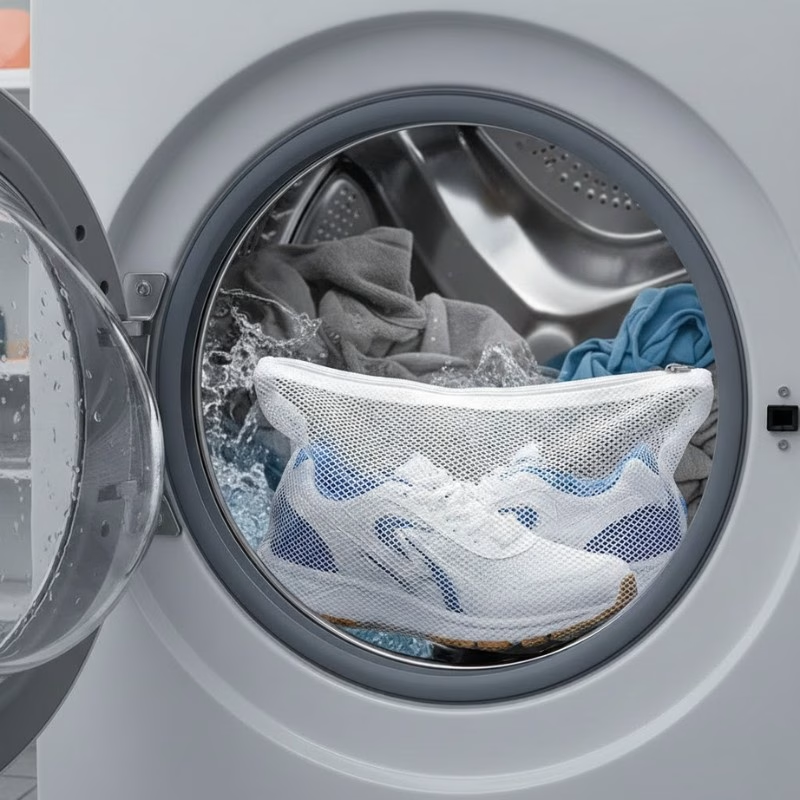
From a product quality view, this matters. Customers expect shoes to last. When washing damage happens, frustration follows. A well-made shoe zipper bag reduces that risk.
Common Problems Without a Shoe Bag
-
Shoes slam against the drum
-
Laces wrap around machine parts
-
Logos peel or fade
-
Soles lose shape
-
Loud noise during wash cycles
Using zip lock bags for shoes may seem like a shortcut, but they trap water and detergent. That leads to poor cleaning and odor buildup. A breathable mesh zippered shoe bag avoids both issues.
How a Zippered Shoe Bag Works in the Washing Machine
A standard zippered shoe bag is made from durable polyester mesh designed for repeated machine washing. The mesh structure is carefully balanced. Openings are wide enough to allow water, detergent, and motion to pass through freely, yet tight enough to reduce direct contact between shoes and the metal drum. This balance protects both the footwear and the washing machine.
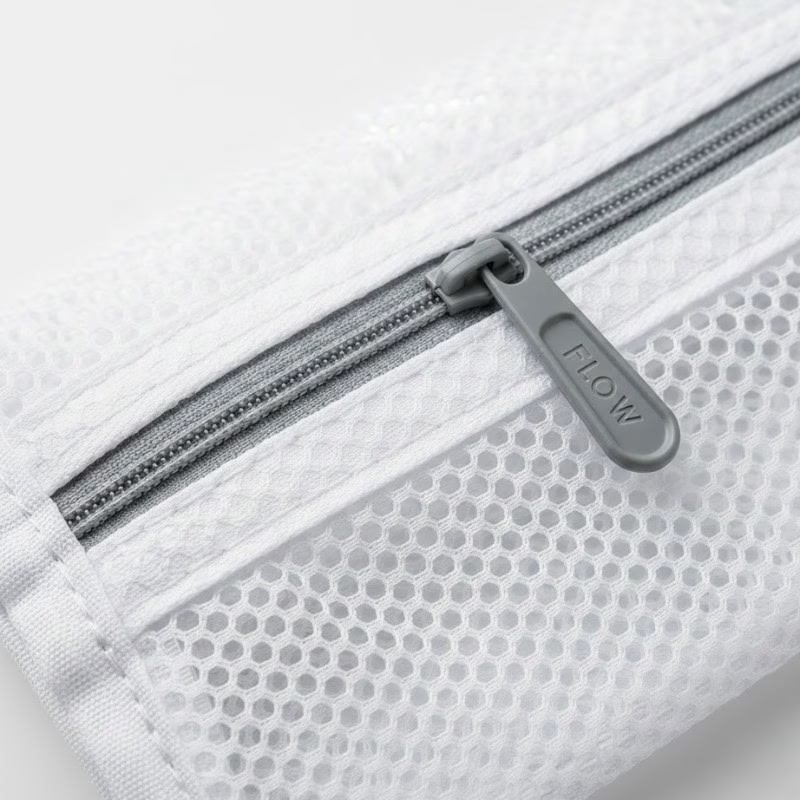
During a wash cycle, several things happen at once:
1. Shoes Stay Inside The Bag
The zippered enclosure keeps shoes contained from start to finish. Laces do not tangle with other laundry, and shoes do not bounce freely inside the drum. This controlled movement helps maintain the shape of the shoe and prevents loose parts from tearing away.
2. Water Flows Through The Mesh
The breathable mesh allows water to circulate evenly around the shoes. This ensures dirt and sweat are rinsed out instead of being trapped. Unlike solid bags or plastic zip lock bags for shoes, mesh supports proper cleaning without blocking flow.
3. Detergent Reaches All Surfaces
Because the mesh does not seal the shoes off, detergent can reach fabric, stitching, and inner linings. This results in a more thorough clean, especially for sneakers and athletic shoes that absorb odor.
4. Impact is Reduced
The bag acts as a soft buffer between shoes and the washing machine drum. Each spin cycle creates less force on soles, heels, and toe caps. Over time, this reduces cracking, separation, and deformation caused by repeated washing.
5. Shoes Dry Faster After Washing
After the cycle ends, shoes remain in a breathable environment. Air can move through the mesh, allowing moisture to escape more easily. This shortens drying time and helps prevent musty smells.
Zippered Shoe Bag vs Other Shoe Washing Options
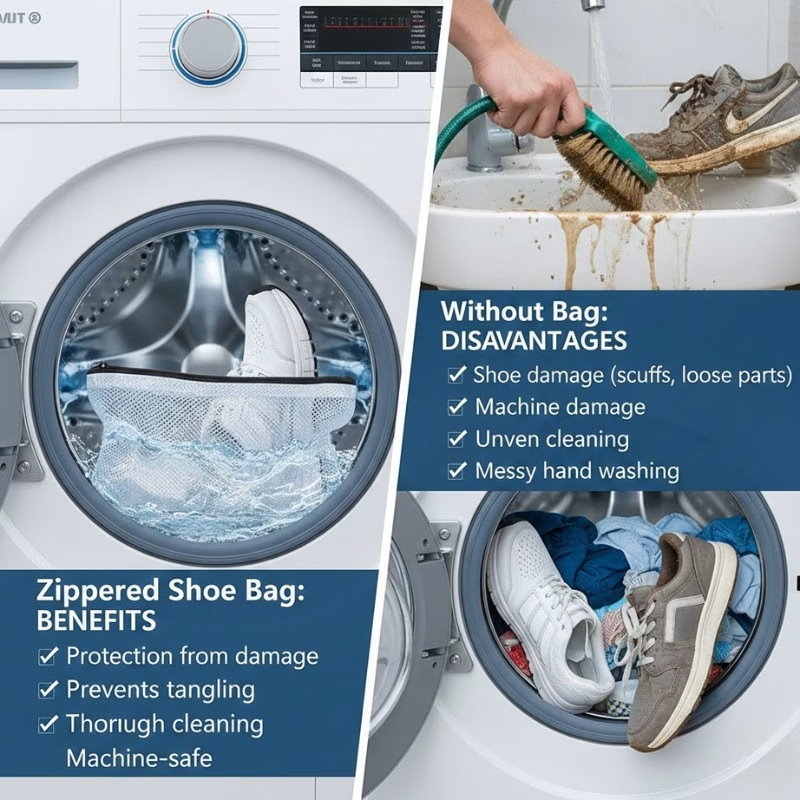
Not all shoe washing methods offer the same level of protection or cleaning performance. The way shoes move inside the washing machine has a direct impact on their lifespan, appearance, and odor control. Choosing the right method reduces damage and improves wash results.
Comparison Table: Shoe Washing Methods
| Method | Protection Level | Cleaning Result | Risk to Washer | Reusable |
|---|---|---|---|---|
| Loose in washer | Low | Fair | High | Yes |
| Zip lock bags for shoes | Medium | Poor | Medium | Limited |
| Towel wrap | Medium | Fair | Low | Yes |
| Zippered shoe bag | High | Good | Low | Yes |
1. Loose in The Washer
Placing shoes directly in the washing machine offers no protection. Shoes hit the drum during spin cycles, which can damage soles and stitching. The noise level is high, and the risk of scratching or denting the washer is also high. While cleaning can be acceptable, wear and tear increase quickly.
2. Zip Lock Bags For Shoes
Plastic zip lock bags limit movement but create new problems. Water and detergent cannot circulate properly, so dirt and sweat remain trapped. Heat and moisture build up inside the bag, often leading to lingering odors. Under strong agitation, these bags can tear or open, making them unreliable for repeated use.
3. Towel Wrap Method
Wrapping shoes in towels softens impact and reduces noise. This method lowers the risk to the washer and offers moderate protection. However, towels absorb detergent and water, which reduces cleaning efficiency. Drying time also increases, especially in humid environments.
4. Zippered Shoe Bag
A zippered shoe bag combines the benefits of protection and effective cleaning. The mesh structure allows water and detergent to flow freely, while the bag keeps shoes contained and cushioned. Impact is minimized, noise is reduced, and the washing machine remains protected. Because the bag is reusable and easy to fold and store, it fits well into regular laundry routines.
Zip lock bags for shoes block water flow. Dirt stays trapped. Heat builds up. Odor follows. They also tear easily under agitation. Plastic alternatives may seem convenient, but they fail over time. A zippered shoe bag delivers consistent results, supports long-term use, and maintains shoe quality. This balance of performance and durability explains why demand continues to grow across home care and laundry accessory markets.
Key Features That Define a High-Quality Zippered Shoe Bag
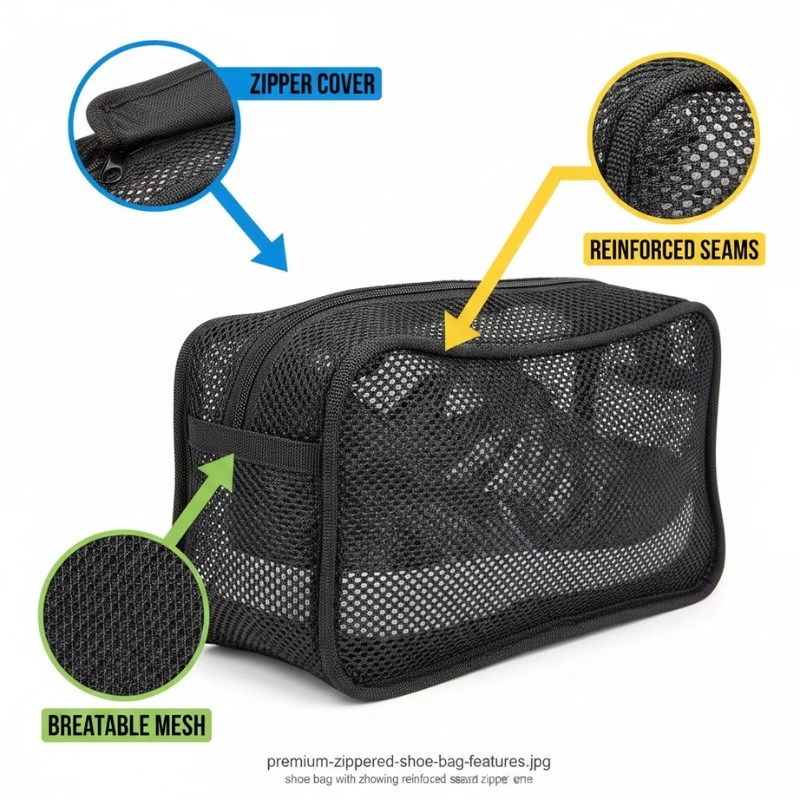
When sourcing or developing a product line, certain design and material choices clearly separate average products from reliable, long-lasting ones. These features directly affect performance, durability, and customer satisfaction.
Comparison Table: Essential Features of a Zippered Shoe Bag
| Feature | Why It Matters | Impact on Use |
|---|---|---|
| Mesh density | Controls airflow and friction | Better cleaning with less shoe damage |
| Zipper strength | Determines product lifespan | Fewer failures during wash cycles |
| Zipper guard | Protects washer and zipper | Prevents opening and machine scratches |
| Size options | Fits different shoe types | Wider customer appeal |
| Eco-friendly materials | Meets safety and compliance needs | Easier market entry and trust |
Mesh density plays a key role in both protection and cleaning. If the mesh is too loose, shoes can rub directly against the washing machine drum, increasing wear. If it is too tight, water and detergent cannot circulate well, reducing cleaning performance. The zipper is often the first part to fail in low-quality shoe washing bags. Thin zipper teeth and weak end stops break under constant motion. A high-quality shoe zipper bag uses thicker zipper teeth, reinforced ends, and secure stitching. This improves reliability, especially for frequent washing or heavier footwear.
A zipper guard is a simple but valuable feature. It usually comes in the form of a fabric flap or elastic sleeve that covers the zipper pull. This prevents the zipper from opening mid-cycle and protects the washing machine drum from scratches. For end users, it also reduces noise during washing. Different shoes require different bag sizes. A single-size bag may work for standard sneakers but not for children’s shoes or bulky trainers. Offering multiple sizes increases usability and reduces complaints about poor fit. Buyers often request size variations to better match their product range or target market.
Material choice affects both safety and compliance. Environment-friendly raw materials reduce odor, improve durability, and meet regulatory standards. Products that pass REACH testing are better suited for markets in Europe and other regions with strict material requirements. This also supports sustainability goals without sacrificing performance.
Why Professionals Choose Zippered Shoe Bags Over Disposable Options
Disposable shoe washing solutions may seem cost-effective at first glance. The unit price is low, and they are easy to source. However, over time, these products create higher costs through frequent replacement, inconsistent performance, and customer dissatisfaction.
Reusable zippered shoe bags offer a more stable long-term solution. They are designed to withstand repeated wash cycles without tearing or losing shape. This reduces the need for replacements and lowers overall product turnover. For professional buyers, durability directly translates into better margins and predictable quality.
Retailers benefit from the higher perceived value of reusable shoe bags. A well-constructed shoe bag with zipper feels more substantial and dependable than single-use alternatives. This improves shelf appeal and supports premium positioning without adding unnecessary complexity.
Brand alignment is another key advantage. A shoe zipper bag supports customization through logo printing, color selection, and tailored packaging. This allows buyers to maintain visual consistency across their product lines while offering a functional accessory that complements existing laundry or storage ranges.
In the long run, reusable zippered shoe bags provide better value, stronger brand presence, and more reliable performance than disposable options. That combination explains why professionals increasingly choose them for long-term programs and repeat orders.
How to Choose the Right Zippered Shoe Bag for Your Market
The chart above shows how different markets prioritize key features when selecting a zippered shoe bag. While the core function stays the same, expectations vary by region. Understanding these differences helps buyers select the right specifications and avoid mismatches between product design and customer demand.
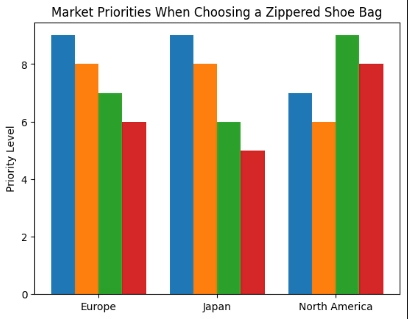
What the Chart Shows
The comparison highlights four major decision factors across three main markets:
-
Material safety
-
Design cleanliness
-
Durability
-
Size options
Each market assigns different importance to these factors based on regulations, usage habits, and consumer preferences.
Key Factors to Consider When Choosing a Zippered Shoe Bag

1. Target Shoe Type
The type of footwear being washed directly affects bag size and structure.
-
Sneakers and trainers need medium to large bags with reinforced seams
-
Kids’ shoes benefit from smaller sizes that prevent excessive movement
-
Bulkier athletic shoes may require thicker mesh and stronger zippers
Markets with diverse footwear demand often prefer multiple size options rather than a single universal design.
2. Washing Frequency
Frequent washing requires higher durability. In regions where consumers wash shoes often, buyers tend to favor:
-
Thicker polyester mesh
-
Reinforced stitching
-
Strong zipper construction
This is why durability scores higher in North America, where repeated machine washing is common.
3. Preferred Materials
Material choice impacts both performance and compliance.
-
Europe and Japan place strong emphasis on environment-friendly materials
-
Odor resistance and soft-touch mesh are often expected
-
Products must meet strict material safety standards
Using tested, non-toxic materials improves acceptance in these markets and reduces compliance risks.
4. Branding Needs
A shoe bag with zipper also functions as a branded accessory. Buyers often look for:
-
Custom logo placement
-
Neutral or clean color palettes
-
Packaging that aligns with existing product lines
Clean design scores higher in Europe and Japan, where minimal aesthetics are valued.
Customization Options for Zippered Shoe Bags
Customization allows buyers to differentiate products while keeping functionality and quality consistent. For private label programs and long-term supply, these options help align the zippered shoe bag with brand identity and market needs.
| Customization Option | Description | Buyer Benefit |
|---|---|---|
| Logo printing | Brand logo printed on the mesh or fabric label using durable ink | Improves brand visibility and recognition |
| Custom colors | Mesh, trim, or overall bag color tailored to brand palette | Matches existing product lines and packaging |
| Zipper color matching | Zipper tape and pull color coordinated with bag color | Creates a clean, cohesive appearance |
| Packaging design | Custom retail or bulk packaging with brand artwork | Enhances shelf presentation and unboxing experience |
| Mesh density adjustment | Mesh openness adjusted based on shoe type and usage | Balances protection, cleaning, and durability |
Logo printing turns a functional product into a branded asset. When applied correctly, logos remain clear even after repeated washing, supporting long-term brand exposure. Custom colors and zipper matching help maintain visual consistency. This is especially important for buyers offering coordinated laundry or storage collections.
Packaging design adds another layer of differentiation. Clear labeling, brand messaging, and protective packaging reduce damage during transit and improve retail appeal. Mesh density adjustment allows buyers to fine-tune performance. Tighter mesh may suit lighter footwear, while thicker mesh supports heavier shoes and frequent washing.
Care and Maintenance Tips for End Users
Proper care plays an important role in extending the life of a zippered shoe bag. While these bags are designed for repeated washing, simple maintenance steps help keep them effective and looking clean over time.

1. Rinse The Bag After Heavy Use
After washing very dirty shoes, residue from detergent, mud, or grit can remain in the mesh. A quick rinse under clean water removes buildup and prevents stiffness or odor. This is especially helpful when the bag is used for sports shoes or work footwear.
2. Air Dry Fully Before Storage
Allow the bag to dry completely in a well-ventilated area before putting it away. Proper drying prevents moisture from settling in the mesh, which can cause unpleasant smells or weaken fibers over time. Hanging the bag or laying it flat works well.
3. Check The Zipper Regularly
Before each wash, inspect the zipper for debris or lint. Make sure it opens and closes smoothly. Clearing small blockages early helps prevent zipper strain and reduces the chance of failure during a wash cycle.
4. Avoid Overloading With Heavy Boots
Zippered shoe bags are designed for sneakers, trainers, and similar footwear. Placing heavy boots or oversized shoes inside can stretch the mesh and stress the zipper. Using the right bag size for the shoe type maintains performance and durability.
Including clear, simple care instructions with the product reduces misuse and helps end users get consistent results. When customers understand how to maintain the shoe bag properly, satisfaction improves and product lifespan increases.
FAQs for Professional Buyers
1. What materials are best for a zippered shoe bag used in washing machines?
Durable polyester mesh with reinforced stitching offers the best balance of airflow and protection.
2. Can a shoe zipper bag be customized with logos or packaging?
Yes. OEM options often include logo printing, color matching, and custom packaging.
3. How many wash cycles can a quality zippered shoe bag last?
With proper use, a well-made bag can last dozens of cycles without tearing or zipper failure.
4. Are zip lock bags for shoes a suitable alternative?
No. They restrict water flow and increase odor risk, leading to poor cleaning results.
5. What compliance standards should shoe washing bags meet for export?
Environment-friendly materials and REACH compliance are commonly required in many markets.
Shoes are an everyday essential, and the way they are washed directly affects how long they last. A zippered shoe bag provides a practical solution that protects footwear while still allowing effective cleaning. By reducing impact, improving airflow, and keeping shoes contained, it helps prevent the damage often caused by unprotected machine washing.
For sourcing teams and product managers, the benefits are clear. A well-designed shoe bag supports low defect rates, offers flexible customization, meets market compliance standards, and fits into product categories with steady repeat demand. It is a simple accessory, but one that delivers consistent value across different regions and use cases.
Ultimately, success depends on product quality and manufacturing reliability. Choosing the right manufacturer ensures stable performance, satisfied customers, and long-term growth for your product line.