
A white mesh laundry bag looks simple until you order the wrong mesh density, zipper grade, or size for your line. Garments snag, logos fade in the wash, or bags fail after a few commercial cycles. Procurement teams and product managers face this problem every season when they source wash bags for lingerie, hotels, hospitals, or retail kits.
This guide breaks down nine laundry bag types, explains when a white mesh laundry bag is the right pick, and shows how mesh size, fabric weight, and closure design affect real washing performance. You will leave with clear specs you can put on an RFQ—and product paths you can open for samples or OEM quotes.
Established in 2014, our company manufactures laundry mesh bags, bra laundry bags, shoe washing bags, storage bags, laundry baskets, and drawstring mesh for customers in Europe, North America, South America, Korea, and Japan. OEM orders and custom designs are welcome. Raw materials are environment-friendly and can pass REACH and related tests.
Why Buyers Specify a White Mesh Laundry Bag
Color is not only about looks. A laundry bag white finish is popular in hotels, hospitals, uniform services, and retail multipacks because stains show clearly, contents stay visible under bright light, and the bag matches clean-room or spa branding.
White mesh also photographs well for e-commerce listings and private-label kits. When you sell a set of bags, a consistent white base makes embroidery or printed logos stand out without clashing with colored garments inside.
Practical advantages of white mesh
- Easy visual inspection of load level and garment type
- Neutral look for multi-brand or private-label programs
- Clear contrast for embroidered or heat-transfer logos
- Familiar “clean” association for hospitality and healthcare buyers
- Simple SKU management when you stock one color across sizes
White is not always ideal for heavy soil or industrial grease. In those cases, darker mesh hides stains longer. For lingerie, delicates, baby clothes, and retail gift sets, white remains the default request.
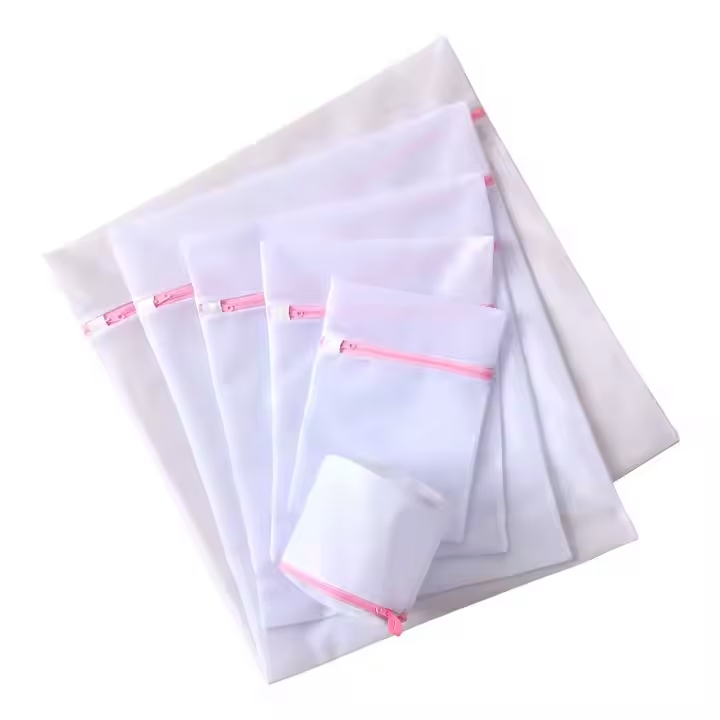
Nine Laundry Bag Types and Where White Mesh Fits
Laundry bags can be grouped by material, mesh structure, closure, shape, and use. The nine types below are not rigid categories; one product may combine several of them. A white zippered bag, for example, may also use fine mesh and a structured sandwich construction.
1. Fine-mesh zippered bags
Fine mesh has small openings that create a smoother surface around the contents. It is often chosen for lingerie, hosiery, lace, lightweight knitwear, baby items, and small garments. The fine structure helps keep hooks and straps contained and reduces contact with rough items.
A fine mesh laundry bag for delicates normally uses a zipper because the contents are small and need a secure opening. Buyers should inspect the zipper pull, the end stop, and any elastic cover designed to hold the pull during the cycle. A zipper guard can reduce noise and lower the chance of the slider rubbing against other garments.
Fine mesh offers more surface coverage, but circulation may slow if the bag is packed tightly. It works well in small and medium sizes where users can control the load.
2. Coarse-mesh zippered bags
Coarse mesh has larger openings. Water can pass through easily, and the bag usually dries quickly after use. This structure is useful for everyday garments that need separation but do not require the close surface of fine mesh.
A coarse mesh wash bag set can include several dimensions for shirts, trousers, knitwear, and mixed household loads. Larger holes, however, may allow small hooks or thin straps to reach the outside. Buyers should match the opening size to the products the customer will wash.
Coarse mesh is not automatically stronger than fine mesh. Strength depends on the yarn, knit, fabric weight, seams, and finishing, so test samples instead of judging by hole size.
3. Sandwich-mesh bags
Sandwich mesh uses a three-dimensional or layered construction. It feels thicker and more cushioned than flat mesh. The added structure can help a bag keep its shape and provide space around items that should not be pressed flat.
This format is often used for bras, structured underwear, caps, and shaped panels. A Korea-style sandwich mesh laundry bag shows one possible product format.
The tradeoff is bulk. Thick mesh takes more packing space, may cost more to ship, and can take longer to dry than a single thin layer. Buyers should compare protection, pack size, and target price rather than choosing thickness by appearance.
4. Bra and cylindrical wash bags
Bra bags often use a rounded, cylindrical, or box-like shape. The goal is to reduce crushing and keep hooks contained. Some use sandwich mesh on the top and bottom with a softer mesh wall. Others include internal dividers.
Shape matters as much as size. A shallow bag can compress molded cups, while an oversized bag may allow too much movement. Specify the garment type and dimensions before approving the pattern. In sets, pair a bra bag with flat bags for underwear, socks, and tops so each shape has a clear purpose.
5. Shoe washing bags
Shoe washing bags separate footwear from other items and can reduce direct impact against the drum. They may use thick mesh, sandwich mesh, cushioning strips, internal dividers, or hanging loops. The correct structure depends on shoe size, sole weight, and washing method.
Not every shoe is machine washable. Users must check the footwear maker’s instructions. A bag can manage movement, but it cannot make leather, glued decoration, heat-sensitive foam, or unsupported components safe for washing.
Test the largest intended shoe size, not an empty sample. Check the closure, wet-load seam strength, and room for water to reach the shoes.
6. Drawstring mesh bags
Drawstring mesh bags open quickly and are useful for sorting, storage, travel, sports equipment, toys, and some laundry applications. They have fewer hardware parts than zipper bags and can be made in large sizes.
If the bag enters a machine, control the cord and lock. Long cords may tangle, while a hard lock may strike the drum. Some drawstring products are meant for collection rather than washing, so instructions should be clear. They can also support color coding, printed details, or embroidery.
7. Solid polyester or nylon laundry sacks
Solid-fabric sacks are commonly used for collecting and moving laundry. Polyester can offer quick drying and stable dimensions. Nylon can provide useful abrasion resistance and flexibility, depending on the fabric grade.
Unlike open mesh bags, these sacks mainly serve transport, storage, or prewash separation. Coating may contain damp items but limits ventilation. Confirm whether the bag is washable, water resistant, breathable, or for dry collection. Large sacks also need strong seams, a secure closure, and realistic wet-load testing.
8. Cotton and canvas collection bags
Cotton and canvas bags have a natural fabric feel and work well for hampers, dorm rooms, closets, and dry laundry collection. They accept print and embroidery well and can support lifestyle-focused packaging.
These materials absorb more moisture than polyester mesh and may dry slowly. Test shrinkage, color change, and wrinkling if the product will be washed often. State clearly whether it is a collection bag or an in-machine wash bag.
9. Multi-size sorting and wash-bag sets
Sets combine several sizes, mesh grades, shapes, or colors in one pack. They help customers sort a full laundry load and give sellers more value in a single stock-keeping unit.
A set of seven thickened fine-mesh bags may serve a broad range of small and medium garments. A set of five thickened white coarse-mesh bags creates a consistent neutral look while covering multiple sizes. A colorful three-bag set can support visual sorting.
Sets need a clear size plan. Each piece should have a distinct garment fit, mesh choice, or shape.
| Laundry bag type | Typical use | Main advantage | Point to verify |
|---|---|---|---|
| Fine-mesh zipper | Lingerie, hosiery, baby items | Smooth separation | Circulation when filled |
| Coarse-mesh zipper | Shirts and everyday garments | Fast water flow | Opening size and yarn strength |
| Sandwich mesh | Bras and shaped items | Cushioning and structure | Pack volume and drying time |
| Bra or cylinder bag | Molded and hooked garments | Shape-focused design | Internal dimensions |
| Shoe washing bag | Washable footwear | Impact and movement control | Wet-load seam strength |
| Drawstring mesh | Sorting and collection | Quick opening | Cord management |
| Solid synthetic sack | Transport and storage | Load capacity | Breathability and coating |
| Cotton or canvas bag | Dry collection | Natural fabric appearance | Shrinkage and drying |
| Multi-size set | Full-load organization | Broader use coverage | Useful size differences |
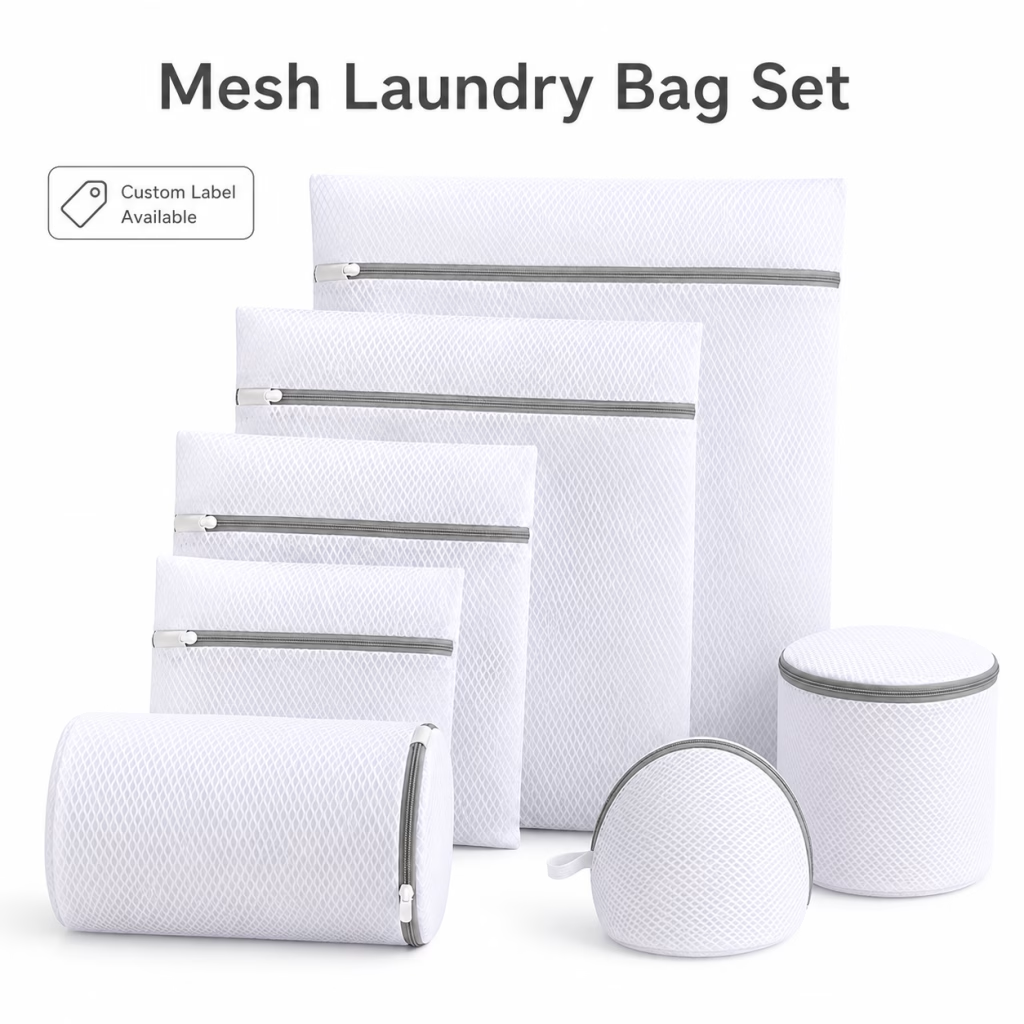
White Mesh Laundry Bag Materials: Fine, Coarse, and Sandwich
Mesh is a structure, not a complete material specification. Two bags can both be called polyester mesh while differing in yarn size, knitted construction, weight, stiffness, stretch, and finish. Buyers should request measurable details and an approved reference sample.
Polyester is widely used for mesh laundry bags because it can hold its shape, absorb little water, and dry quickly. Nylon may be selected where more flexibility or abrasion performance is wanted. Final performance still depends on construction and finishing, so material names should not replace testing.
How the three mesh structures compare
| Feature | Fine mesh | Coarse mesh | Sandwich mesh |
| Opening size | Small | Medium to large | Varies; layered structure |
| Surface feel | Smooth and close | Open and airy | Thick and cushioned |
| Common contents | Delicates and small items | Everyday garments | Shaped or structured items |
| Water flow | Good when not overfilled | Very open | Depends on thickness |
| Drying | Quick | Usually quickest | May take longer |
| Packing volume | Low | Low | Higher |
| Main sourcing risk | Weak zipper or overly thin fabric | Snag exposure or weak yarn | Excess bulk or slow drying |
Specifications worth putting in writing
A useful request for quotation should identify more than “mesh laundry bag.” Consider including:
- Fiber composition
- Fabric weight or agreed sample reference
- Mesh type and approximate opening size
- Finished dimensions and accepted tolerance
- Zipper tape, slider, puller, and pull-cover design
- Seam type, stitch density, and reinforcement points
- Thread color and fabric color standard
- Logo method, size, color, and placement
- Care label content and position
- Individual packing and carton requirements
- Inspection level and agreed performance tests
White also needs a color reference. “White” may mean optical white, warm white, natural white, or another shade. Differences can become obvious when bags, zipper tape, elastic, labels, and thread sit next to each other. A color standard or approved sample helps keep components consistent.
Our materials can be selected to meet relevant testing needs, including REACH-related requirements. However, compliance should be tied to the final material, color, print, zipper, label, and production lot—not assumed from a general fabric description. The European Commission explains that REACH is the EU’s main chemicals law for protecting human health and the environment from chemical risks. Buyers should state the destination market and required test scope before production.
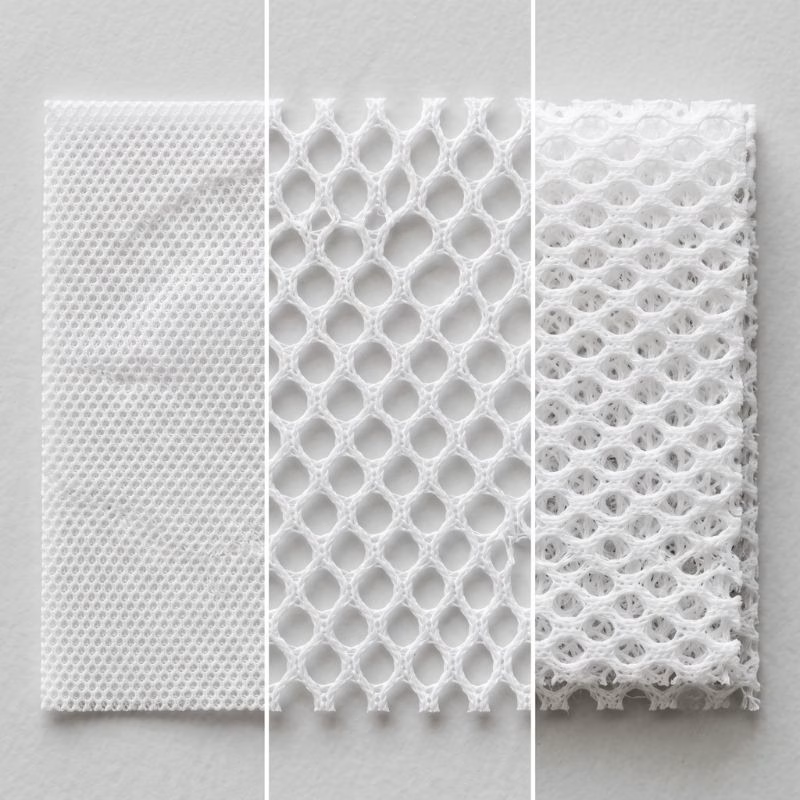
Choosing Size: Small, Medium, Large, and Sets
Size should match garment volume, not only “small / medium / large” labels on a packaging card. Overfilling reduces cleaning and stresses zippers. Underfilling wastes machine space in commercial sites.
Typical size roles
-
Small: bras, underwear, socks, baby items — see small laundry bag
-
Medium: blouses, light sweaters, mixed delicates
-
Large: towels, bulk knits, family loads in one bag
-
Sets: sorting by color or fabric for retail and hospitality
When you build a laundry bag white assortment, keep dimensions consistent across colors so packaging and cartons stay simple. Colorful lines still pair well with a core white hero SKU for brand embroidery.
How many pieces per set?
Retail multipacks often use 3, 5, or 7 bags. Odd counts let you include one large bag plus several smaller ones. Wholesale hotel programs may prefer single-size cartons for easier replenishment.
Colorful thickened fine mesh wholesale options, such as the colorful thickened fine mesh laundry bag wholesaler listing, work beside white core stock when buyers want visual sorting without changing mesh specs.
Image for this section
-
Image title: White Mesh Laundry Bags in Three Sizes
-
Image description: Small, medium, and large white mesh laundry bags standing in a row with folded garments beside them.
-
File name: white-mesh-laundry-bag-sizes-small-medium-large.jpg
-
Alt text: white mesh laundry bag in small medium and large sizes
-
AI prompt: Three white zipper mesh laundry bags in ascending sizes on white background, folded pastel garments nearby, clean ecommerce style, soft shadows, 1:1
-
Aspect ratio: 1:1
Size, Closure, Construction, and Branding Decisions
Small details shape how customers experience the product. They also affect tooling, labor, packing, and the risk of defects. A strong specification connects each detail to a clear reason.
Plan a useful size system
Start with garment fit rather than common size labels such as small, medium, and large. Two suppliers may use those labels for different measurements. Record dimensions in centimeters and state the allowed tolerance.
A small bag can hold socks, underwear, or accessories. A medium flat bag may suit shirts and light tops. A large bag can hold sweaters or trousers if the material and seams support the load. Structured bra and shoe bags need depth as well as length and width.
The small laundry bag collection and a broader multi-sized laundry bag set offer useful starting points when planning a size ladder. Buyers can then adjust the mix to the target assortment.
Treat the zipper as a system
A zipper includes tape, teeth or coil, slider, puller, stops, stitching, and often a cover for the pull. Each part affects performance. A hidden or protected slider may reduce contact with garments and the machine drum.
Ask whether the zipper is designed to lock in position and whether it stays inside its cover during normal movement. Check the opening length, too. A large bag with a short zipper may be hard to load even if the overall dimensions are correct. Product teams can review a laundry bag with zipper to compare common construction ideas before finalizing a custom request.
Examine seams and stress points
Seams should be even, closed, and free from skipped stitches. The ends of the zipper and any handles or loops deserve extra attention. Binding can create a clean inside edge, but its material and width should match the bag’s flexibility.
Do not approve seam strength by pulling an empty bag once. Test repeated opening, realistic wet loads, washing, and drying according to the intended care instructions.
Choose branding that fits the mesh
Printing directly on open mesh can lose detail because much of the surface is empty. Embroidery may add texture and visibility, but it can stiffen an area or require backing. A woven label, printed fabric patch, zipper tape print, or branded packaging may offer clearer results.
A thickened white mesh laundry bag with an embroidered logo shows one branding direction. For coordinated programs, coarse mesh bags with a customized logo can keep identification consistent across several sizes.
For custom logo laundry wash bags, provide vector artwork, color references, target dimensions, placement measurements, and an approval method. Confirm whether the logo will be judged before or after washing.
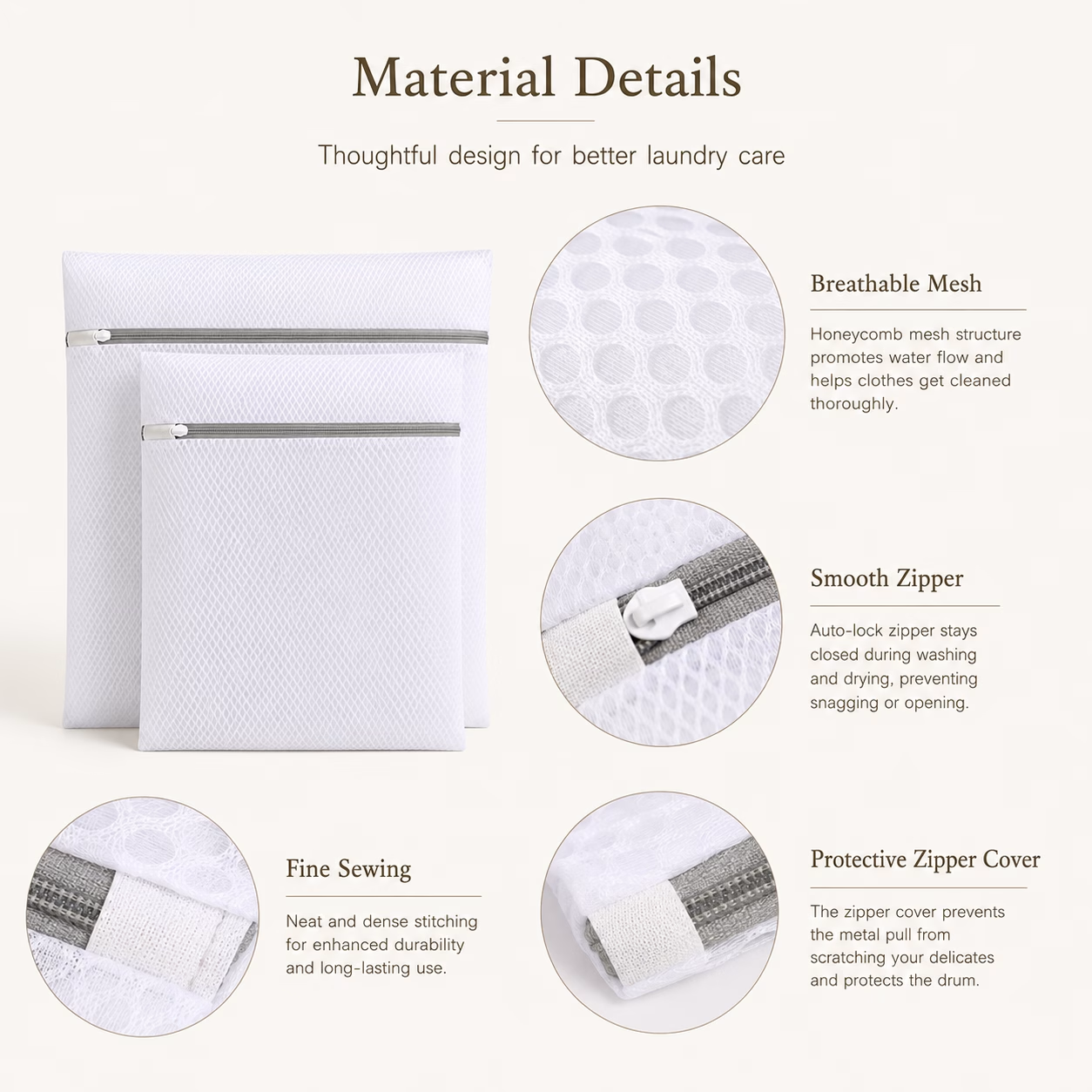
Matching Product Formats to Use Scenarios
A focused range is easier to explain, stock, and reorder than similar bags with no clear roles. Review the laundry mesh bag collection and use the table below to connect customer needs with suitable formats.
| Use scenario | Suitable format | Why it fits | Product example |
| Bras and shaped underwear | Sandwich or structured mesh | Helps preserve space around shaped items | Sandwich mesh Korea-style bag |
| Small delicates | Fine-mesh zipper bag | Contains straps, hooks, and small pieces | Seven fine-mesh laundry bag set |
| Neutral household assortment | White coarse-mesh set | Consistent appearance across sizes | Five white coarse-mesh bags |
| Color-based sorting | Multi-color set | Makes categories easy to identify | Colorful fine-mesh laundry bag |
| Custom identification | Embroidered or labeled white mesh | Creates visible ownership or brand identity | White fine-mesh bag format |
| Small accessories | Compact zipper bags | Limits lost socks and loose pieces | Small laundry bag set |
| Structured assortment | Fine, coarse, and shaped bags | Gives each piece a distinct purpose | Laundry bag set range |
| Embroidered structured item | Sandwich mesh with logo area | Combines shape with identification | Sandwich fine-mesh bag with embroidery |
This table is a planning aid, not a final specification. Before ordering, confirm the exact material, dimensions, closure, logo method, packing, care instructions, and test requirements for the selected item.
Build good, better, and specialized options without vague claims
A range can cover different needs without using unsupported performance labels. One practical structure is:
- Everyday line: coarse mesh in core sizes for general garments
- Delicates line: fine mesh with protected zippers in smaller sizes
- Structured line: sandwich mesh for bras, caps, or other shaped items
- Organization line: drawstring or color-coded bags for sorting and storage
- Customized line: approved logo, color, label, and packaging combinations
The difference between lines should be visible and measurable. Mesh structure, fabric weight, zipper design, shape, piece count, and packaging are stronger points of distinction than broad quality words.
Materials, Safety Tests, and Environment-Friendly Inputs
Most wash bags use polyester mesh because it resists mildew, dries quickly, and holds shape. Nylon appears in some premium lines. Cotton mesh is rarer for machine washing because it absorbs water and shrinks.
What procurement teams usually request
-
Polyester mesh with stable dye (white should stay white)
-
Environment-friendly raw materials where possible
-
REACH and related chemical compliance for EU-bound goods
-
Low odor and non-irritating finishes for lingerie contact
-
Colorfast logos that survive repeated washing
Our factory supports OEM and customized designs with materials that can pass REACH and related tests. When you open a new market, share the destination country’s chemical list early so lab testing matches the shipment plan.
White dye and optical brighteners
Some pure-white meshes use optical brighteners. Ask whether brighteners are used if you sell into baby or sensitive-skin lines. Stable white without heavy brightener packages is available; it may look slightly softer under warm light but ages more evenly.
OEM, Logo, and Private-Label Options
Private-label programs often start with a stock white mesh body and add branding. Embroidery sits well on thickened panels or sandwich styles. Printed logos cost less at volume but need wash testing.
Common customization paths
-
Embroidered brand mark on corner or zipper end
-
Woven label inside the seam
-
Custom size graded to your retail set
-
Custom color trim on a white body
-
Retail-ready polybag or kraft sleeve packaging
-
Barcode and multilingual care cards
Product examples with logo-ready builds include the thickened white mesh laundry bag with embroidered logo and the set of 5 thickened coarse mesh laundry bag with customized logo. Sandwich styles with embroidery suit gift and boutique channels: sandwich carton cleaning fine mesh laundry bag with embroidery.
Sampling workflow that saves time
-
Share target market, garment type, and wash method (home vs commercial).
-
Select fine, coarse, or sandwich mesh and a size chart.
-
Request white bulk samples plus one logo mockup.
-
Run internal wash tests (10–20 cycles minimum).
-
Lock specs, packaging, and carton marks before mass production.
Clear artwork files (vector logo, thread colors, placement map) cut revision rounds. If you need both white core SKUs and seasonal colors, approve the white construction first, then extend colors on the same pattern.
Matching Bag Type to Industry Use Cases
Different channels stress bags in different ways. Match construction to the real cycle count and user behavior.
Hospitality and hotels
Housekeeping teams need fast loading and clear contents. White coarse or medium mesh with strong zippers works for uniforms and guest laundry programs. Sets help separate dark and light items.
Healthcare and care homes
Visibility and hygiene drive specs. White mesh shows soil. Confirm chemical compatibility with facility disinfectants. Prefer fully enclosed zippers over open drawstrings.
Retail and e-commerce brands
Photography, reviews, and returns matter. Fine white mesh for lingerie kits and mixed sets for general apparel perform well. Include clear size labels printed or woven on each bag.
Corporate uniforms and workwear
Expect heavier soil and industrial machines. Thickened coarse mesh and reinforced zippers last longer. Logo embroidery should use durable thread.
Campus, gym, and travel retail
Price-sensitive packs still need reliable closures. A simple white mesh laundry bag with zipper outperforms thin drawstring bags in review scores when the zipper quality is solid.
How to Write a Clear RFQ for Mesh Laundry Bags
Ambiguous RFQs create sample loops. Use a short spec block suppliers can quote against line by line.
Suggested RFQ fields
-
Product name: white mesh laundry bag (plus fine/coarse/sandwich)
-
Sizes and tolerance (cm or inches, flat measurements)
-
Mesh opening description or holes per inch
-
Fabric weight / yarn denier if known
-
Closure type and zipper length
-
Seam type and reinforcement
-
Logo method and placement
-
Packaging: polybag, header card, set composition
-
Destination market and required tests (e.g., REACH)
-
Order quantity tiers and target ship date
-
Sample quantity and who pays freight
Comparison points when you receive quotes
Request photos of bulk production, not only showroom samples. Lot-to-lot white shade can drift if dye houses change; a simple shade band approval prevents disputes.
Care, Packing, and Shipping Tips for White Mesh
White mesh shows warehouse dust and polybag scuff more than dark colors. Packing standards protect first impressions.
Packing tips
-
Individual polybags keep bags clean in mixed cartons
-
Silica or dry packing if humidity is high in transit
-
Avoid rough carton dividers that snag mesh
-
Print care icons: wash with garments, do not overload, close zipper fully
Care messaging for your customers
-
Zip the bag fully before the wash
-
Do not overfill past about two-thirds full
-
Use mesh bags for machine wash; follow garment labels for temperature
-
Air dry the bag open so moisture does not sit in the zipper
-
Keep white bags separate from brand-new dark denim in the first washes if dye bleed is a risk for the garments inside
These points reduce returns and negative reviews on retail listings.
Common Buying Mistakes (and How to Avoid Them)
Ordering only one mesh density
A single fine-mesh SKU cannot serve towels and bras equally. Offer at least fine and coarse in white if your catalog spans multiple garment types.
Ignoring zipper quality to hit a price
A cheaper zipper that splits in spin costs more in claims than a stronger slider on day one.
Skipping wash tests on logo samples
Embroidery backing and print inks behave differently after hot washes. Test before you approve.
Overstuffing size charts for “value”
Larger stated size with thin mesh and weak seams creates poor reviews. Honest dimensions and stronger fabric win repeat orders.
Forgetting destination compliance
EU and other markets may need chemical documentation. Build REACH-ready materials into the first bulk order when those markets are in scope.
From Spec to Shipment: Working With a Direct Manufacturer
Working with a factory that has made laundry mesh bags since 2014 shortens feedback loops. You speak directly with people who control knitting, cutting, sewing, and packing—not only a trading desk.
Customers across Europe, North America, South America, Korea, and Japan already run OEM and custom programs with environment-friendly materials and REACH-related testing support. Whether you need a single white mesh laundry bag hero product or a full laundry bag set with mixed mesh densities, the same pattern library can scale from sample to container.
When you are ready to compare constructions, request samples of fine and coarse white mesh, confirm zipper and logo methods, and share your target market tests. You will get factory-direct pricing, clear lead times, and specs you can defend in internal product reviews—without extra middle layers between your team and the production floor.
Frequently Asked Questions
1. What is the usual minimum order quantity?
MOQ depends on size, mesh type, and logo method. Stock white styles often start lower than fully custom colors. Contact us to request samples and current MOQ tiers for your sizes.
2. Can you customize logo and packaging?
Yes. Embroidery, labels, and retail packaging are available on white and colored mesh. Share vector artwork and placement notes for a clear mockup.
3. Do your materials pass REACH-related tests?
We use environment-friendly raw materials and can support REACH and related testing for applicable markets. Reach out for detailed specifications and recent report types.
4. How long do samples and bulk orders take?
Sample lead time is typically shorter than bulk production and varies with customization. Include your deadline in the inquiry so planning can match your launch window.
5. Fine mesh or coarse mesh for mixed apparel?
Use fine mesh for lingerie and snag-prone pieces; coarse mesh for towels and sturdy garments. Many buyers stock both in white for full coverage.