
Keeping shoes clean should not require guesswork. Many people try washing footwear directly in the machine and end up with torn fabric, misshapen soles, or loud banging that damages the washer. A shoe washing bag for washing machine use solves these issues, but not all laundry bags perform the same. The wrong choice can still leave you with scuffed sneakers or worn-out mesh that breaks after a few cycles. The right choice protects your shoes, reduces machine noise, and improves washing results.
This blog explains what matters most, compares common bag types, and helps you choose a reliable option that meets high manufacturing standards, including those used by global suppliers who serve Europe, North America, South America, Korea, and Japan.
What Is a Shoe Washing Bag for Washing Machine Use?
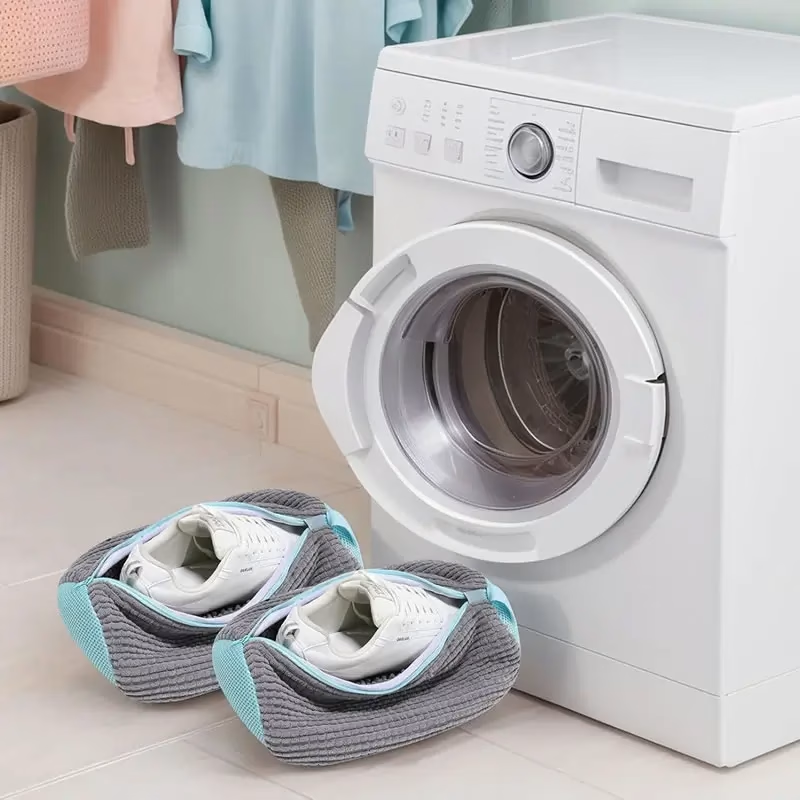
A shoe washing bag is a specially designed protective mesh container made to hold sneakers, canvas shoes, slip-ons, kids’ shoes, and other washable footwear during machine cleaning. Instead of letting the shoes bounce around inside the drum, the bag creates a controlled space that limits impact and keeps the shoes stable. Water and detergent can still move through the mesh, but the shoes stay protected from direct friction and heavy spinning force.
This type of bag also helps contain loose dirt, small stones, grass, and other debris that may be stuck in the soles. By trapping these particles, the bag keeps the washing machine cleaner and prevents blockages in the drainage system. It also keeps shoelaces, tongue flaps, and removable insoles from getting tangled inside the washer.
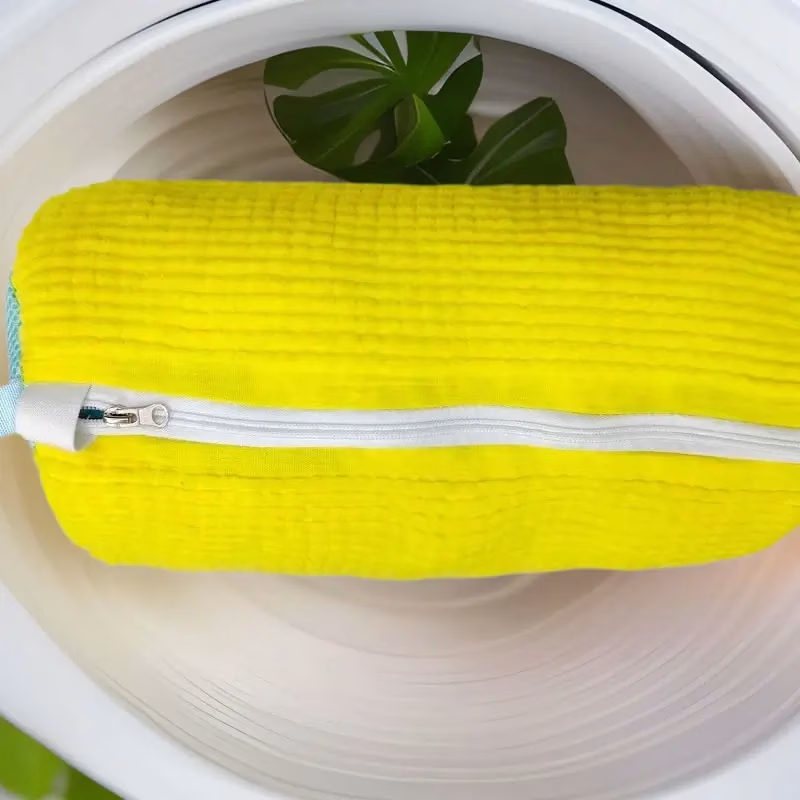
Some advanced shoe washing bags include structured panels or a box-like frame that keeps the shape firm, reducing distortion and noise during the cycle. Others offer separate compartments that prevent shoes from hitting each other, which is especially useful for larger or heavier footwear.
What Makes It Different from a Standard Laundry Mesh Bag?
Although both items fall under the “laundry bag” category, a shoe washing bag is engineered with much stronger and more protective components. Regular mesh bags are designed for delicate garments such as lingerie, sweaters, and small clothing items. They typically use a soft, lightweight mesh that cannot withstand the weight or movement of shoes. A shoe washing bag requires:
- Denser Mesh: The mesh is thicker and more abrasion-resistant, allowing it to handle heavy shoes without tearing. It also ensures proper water flow while keeping stones, dirt, and debris contained inside.
- Stronger Stitching: Shoes generate more force inside the washer than clothing. High-tension stitching prevents seams from ripping open and maintains the shape of the bag during repeated wash cycles.
- Reinforced Sides: Some models include extra layers or padded walls. These reinforcements reduce impact, keep the shoes from slamming into each other, and help protect the washing machine drum.
- Better Cushioning: Cushioned panels absorb shock, making the wash cycle quieter and safer. This is especially important for shoes with hard rubber soles or tough outer shells.
- A Zipper Guard to Prevent Snagging: A covered zipper ensures the closure does not scratch the washer, snag laces, or catch on fabric. It keeps the bag securely closed even during high-speed spinning.
Together, these construction details create a durable, long-lasting shoe washing bag that stands up to frequent use. This design allows shoes to move gently and evenly in the water without jumping around inside the machine, resulting in cleaner shoes with less wear and tear.
Why Do You Need a Dedicated Shoe Washing Bag?
A dedicated shoe washing bag offers a mix of protection, convenience, and long-term value. Shoes move differently from clothing inside a washer—they are heavier, harder, and more likely to cause damage. A purpose-built bag solves these issues, making each wash cycle safer and more effective.
1. Protects the Shoes
Shoes are made from a mix of materials such as glue, mesh fabric, foam, rubber, and stitched overlays. When they hit the inside of the drum repeatedly, these components can loosen or break down faster. Soles may separate, fabric may fray, and certain areas may warp. A dependable shoe washing bag cushions each movement, reducing the force of impact and helping shoes maintain their original shape.
2. Protects the Washing Machine
Washing machines are not designed to handle the weight and hardness of shoes bouncing around during a high-speed cycle. Hard rubber soles can hit the drum with enough force to leave dents, scratches, or cracks, especially in plastic drums. A good shoe washing bag keeps the shoes enclosed, spreads the impact across padded surfaces, and prevents the loud banging that often alarms users and shortens machine life.
3. Improves Cleaning Results
Shoes tend to move unpredictably inside the washer. Some areas may remain dry or barely touched by detergent. A structured mesh shoe bag for washing machine use keeps the shoes centered and stable. This helps water, soap, and oxygen flow more evenly over the entire surface, which leads to better stain removal and more consistent cleaning results. It also prevents over-agitation that can damage delicate upper fabrics.
4. Reduces Noise
The sound of shoes hitting the drum is one of the most common complaints during machine washing. Thicker mesh, padded walls, and reinforced sides act like a buffer. Instead of sharp banging noises, the movement becomes softer and more controlled. This is especially important for people living in shared buildings or doing laundry at night.
5. Keeps Shoelaces, Insoles, and Small Loose Parts Contained
Shoelaces can wrap around the agitator or drum. Insoles may detach and float around. Small decorative pieces from kids’ shoes can break off. These loose items can block the drainage system, clog the pump, or get stuck in the machine door. A dedicated shoe washing bag traps all components inside the bag, keeping the washer clean and reducing the risk of mechanical issues.
How to Choose the Best Shoe Washing Bag for Washing Machine Use
Selecting an effective shoe washing bag requires more than picking any mesh pouch from a shelf. Shoes place heavier stress on laundry accessories, so the materials, construction, and functional features must meet higher performance expectations. This is especially important for procurement teams, brand owners, and product developers who need consistent quality across bulk orders.
A strong shoe washing bag for washing machine use should maintain its shape, support proper water flow, and hold up through repeated wash cycles without tearing or deforming. The goal is to protect both the shoes and the washing machine while delivering reliable results for end users.
A. Material Strength and Mesh Quality
The best bags use eco-friendly polyester mesh that passes international standards such as REACH. As a manufacturer established in 2014 with global clients, this material is a top priority due to durability and test compliance.
What to Look For
-
Strong, multi-layer mesh: Avoid thin mesh made for delicates.
-
Tear-resistant polyester: Holds up against repeated washing cycles.
-
Reinforced stitching: Prevents seam failure under load.
-
Eco-friendly, test-approved fibers: Required for many EU and Japan buyers.
B. Structure and Design Features
Your best shoe washing bag selection should balance flexibility with stability.
Cushioning Panels
These padded inserts prevent shoes from hitting each other or the machine.
Internal Dividers (Optional)
Some designs include two compartments—ideal for customers who want to wash shoes separately to avoid scuffing.
Zipper Construction
A durable zipper should:
-
Be rust-proof
-
Include a zipper cover
-
Stay closed in high-spin cycles
C. Size and Shape Selection
Different shoes need different bag sizes. Procurement teams often choose several SKUs.
Common Sizes
-
Small: Kids’ shoes, flats
-
Medium: Standard sneakers
-
Large: Running shoes, work shoes
Shapes
-
Rectangular bags: Best for stable stacking
-
Cylindrical bags: Good for sneakers that need more movement
-
Box-type structured bags: Ideal for premium shoes and OEM customization
Comparison of Popular Shoe Washing Bag Types
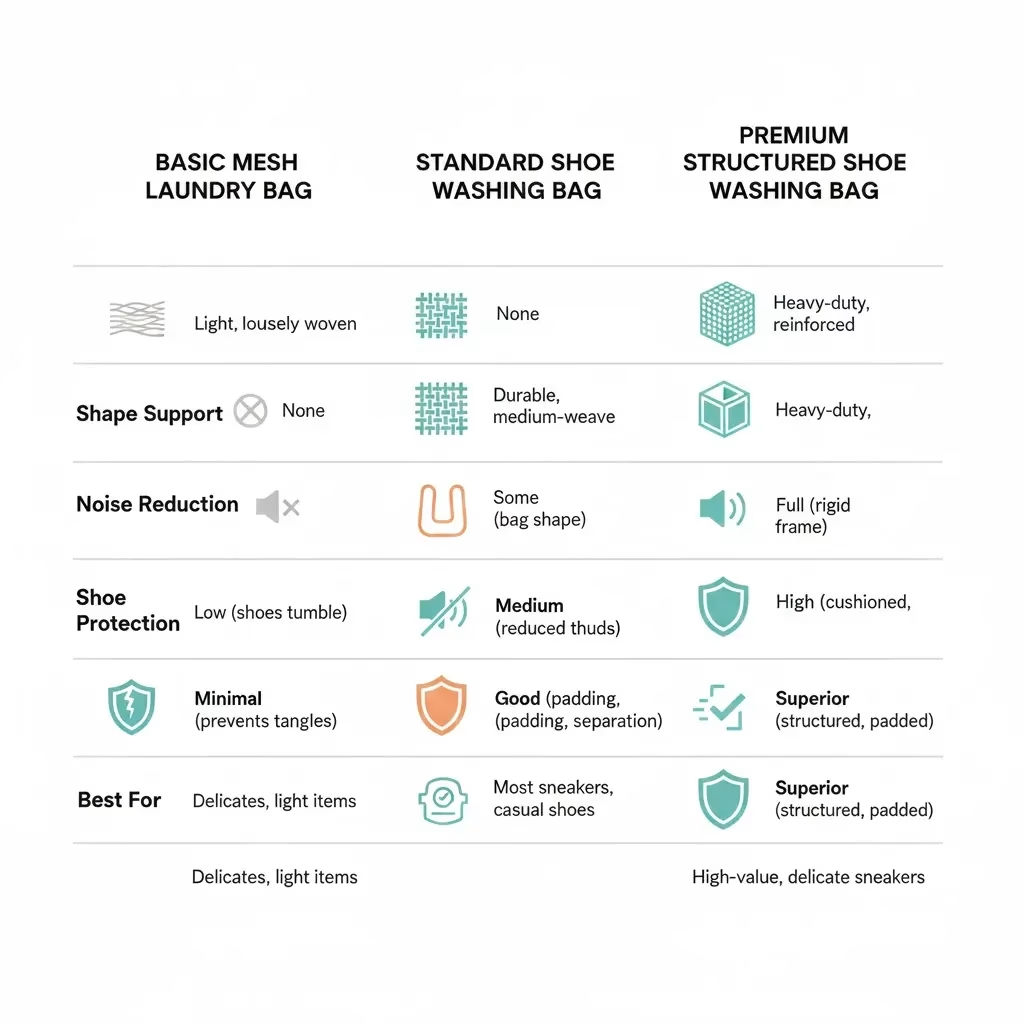
Not all shoe washing bags are created equal. Understanding the differences can help buyers select the right bag for their needs.
-
Basic Mesh Laundry Bag: This is a lightweight bag designed primarily for delicate clothing. It offers minimal protection for shoes, no structural support, and limited noise reduction. It works best for very light or occasional shoe washing but is not ideal for sneakers or heavier footwear.
-
Standard Shoe Washing Bag: A mid-range option with medium-strength mesh and partial shape support. It provides moderate protection against impact, reduces noise better than a basic bag, and is suitable for everyday sneakers. This type is popular for home use and general-purpose laundry.
-
Premium Structured Shoe Washing Bag: Designed for heavy-duty use, these bags feature multi-layer mesh, full box-style shape support, and superior cushioning. They offer high noise reduction, excellent shoe protection, and are suitable for premium footwear or OEM orders. This type is ideal for brands or commercial use where durability and performance are critical.
Using this comparison, buyers can match the bag type to their footwear needs, usage frequency, and desired level of protection.
| Feature | Basic Mesh Laundry Bag | Standard Shoe Washing Bag | Premium Structured Shoe Washing Bag |
|---|---|---|---|
| Mesh Strength | Light | Medium | Heavy-Duty Multi-Layer |
| Shape Support | None | Partial | Full (Box-Style) |
| Noise Reduction | Low | Medium | High |
| Shoe Protection | Low | Medium | High |
| Best For | Delicates | Everyday sneakers | Premium footwear, OEM orders |
When Should You Use a Shoe Washing Bag?
These bags benefit different washing situations.
Best Use Cases
-
Washing gym shoes regularly
-
Cleaning kids’ shoes covered in dirt
-
Protecting high-value sneakers
-
Preventing damage to machines in shared laundry facilities
-
Organizing work shoes in commercial laundry operations
Testing and Manufacturing Standards
Testing and manufacturing standards play a major role in how buyers evaluate a shoe washing bag, especially when products are intended for international markets. Retailers, distributors, and private-label brands want assurance that each bag is made from safe, durable, and fully compliant materials. This ensures smooth import processes, long product lifespan, and consistent quality for end users.
1. Environmental Compliance
Many regions—especially Europe, Japan, and Korea—have strict rules regarding chemical safety. Buyers often request documentation to confirm that materials meet environmental requirements such as:
-
REACH compliance (European Union)
-
Low-VOC and non-toxic dye standards
-
Safe, recyclable, and eco-friendly polyester
Using clean, safe raw materials reduces the risk of product recalls and strengthens trust with consumers who value sustainability.
2. Durability Testing
High-quality shoe washing bags must withstand repeated exposure to water, heat, detergent, and continuous friction. Manufacturers typically perform tests such as:
-
Abrasion resistance tests to ensure the mesh does not tear
-
Zipper stress tests to confirm the closure stays secure
-
Load-bearing tests for handling heavier shoes
-
Shape-retention tests for structured designs
These tests help confirm that each bag will hold up under real washing conditions, even when used frequently.
3. OEM Customization
Many brands want their shoe washing bags to match their product identity or retail packaging. OEM services can include:
-
Custom mesh density and thickness
-
Reinforced padding designs
-
Size variations tailored to specific shoe categories
-
Logo printing or woven labels
-
Custom zipper colors, pullers, and packaging
These customization options help brands stand out, enhance user experience, and strengthen product value in the market.
How to Wash Shoes Properly Using a Shoe Washing Bag
Cleaning your shoes with a washing machine becomes much safer when you use a shoe washing bag. It protects the fabric, prevents deformation, and keeps your machine safe. Here’s a simple and effective method to follow:

Step-by-Step Instructions
1. Remove Loose Dirt
Start by brushing off dust, mud, and debris from the shoes. This helps the washing process work much better.
2. Take Out Insoles and Laces
Wash the laces separately and air-clean the insoles. This prevents damage and helps everything dry faster.
3. Place Shoes Inside the Shoe Washing Bag
Put one or both shoes inside the bag. Make sure the zipper or closure is fully secured. The bag reduces friction and protects both your shoes and the washing machine drum.
4. Add Towels for Balance
Add two or three old towels to the machine. This keeps the load balanced and prevents loud banging during the wash.
5. Choose the Right Wash Settings
Use:
-
Cold water
-
Gentle or delicate cycle
-
Mild detergent
Avoid bleach and high-speed spin.
6. Air Dry Only
Never use a dryer. Instead, let the shoes air dry naturally. Stuff them with paper towels to help maintain shape and absorb moisture.
7. Reassemble After Drying
Put back the insoles and lace up the shoes once everything is completely dry.
Buying Considerations for Retailers and Procurement Teams
When sourcing shoe washing bags at scale, evaluating the supplier’s capabilities is just as important as assessing the product itself. Retailers, wholesalers, and procurement teams need stable quality, reliable production timelines, and materials that meet regional safety standards.
Large-volume buyers usually focus on production capacity, material consistency, customization options, and compliance documents. A dependable manufacturer should offer transparent testing reports, well-organized supply chain processes, and strong communication during sampling and bulk production.
What to Ask Your Manufacturer
1. Mesh Thickness Options
Different shoes require different protection levels. Asking for available mesh densities helps determine which materials are suitable for basic sneakers, heavier sports shoes, or premium footwear. Thicker mesh often provides better durability and cushioning.
2. Stitching Reinforcement Type
Shoes place significant pressure on seams during washing. Ask whether the manufacturer uses double stitching, overlock stitching, or specialized reinforcement. Strong seams reduce the risk of tearing during repeated wash cycles.
3. Custom Packaging Availability
Retail packaging can greatly influence consumer appeal. Check whether the supplier offers printed polybags, color boxes, header cards, or custom barcodes. Flexible packaging options are valuable for brand alignment and retail shelf placement.
4. OEM Logo and Branding Support
Most retailers require custom branding—printed logos, woven labels, branded zipper pullers, or custom colors. Confirm whether the manufacturer supports OEM requests and can handle brand-specific requirements consistently.
5. REACH Compliance Documentation
If you distribute in Europe or work with international partners, you may need proof that materials meet REACH standards. Request updated certificates or test reports to avoid customs issues and ensure safe, eco-friendly materials.
6. Shipping to Regional Markets
Different regions have different shipping rules and transit times. Ask whether the factory has experience delivering to Europe, North America, South America, Korea, or Japan. Experience with these markets often means smoother logistics.
7. Defect Rate and QC Process
Quality control affects both customer satisfaction and long-term partnerships. Request information on inspection steps, typical defect rates, and how the supplier handles replacements or after-sales issues. A clear QC system indicates consistent production standards.
Key Selection Factors for Bulk Buyers
| Category | Importance Level | Details |
|---|---|---|
| Material Type | High | REACH-compliant polyester mesh preferred |
| Stitching | High | Double or triple stitching recommended |
| Zipper | Medium | Rust-proof, covered, smooth |
| Cushioning | Medium | Depends on shoe value |
| OEM/Customization | High | Essential for brand differentiation |
| Packaging | Medium | Retail-ready or bulk options |
Long-Term Benefits of Using a Quality Shoe Washing Bag
A durable, well-engineered shoe washing bag does much more than protect shoes during a single wash. When used consistently, it becomes a long-term tool that supports better hygiene, reduces wear, and helps both households and businesses save time and money. A quality bag minimizes friction, prevents deformation, and keeps shoes from slamming into the drum. This reduces premature damage to fabric uppers, glued layers, and rubber soles.
For gyms, sports centers, schools, hotels, and retail brands, reliable cleaning tools improve the customer experience. Clean shoes or rental footwear look better, smell better, and create a more professional impression. Because a strong shoe washing bag contains dirt and small debris, it also helps maintain the washing machine itself. Fewer blockages, less noise, and reduced drum wear mean lower maintenance expenses.
For brands that sell or supply washable products, offering a high-quality washing bag alongside footwear can increase perceived value. It supports better after-care, reduces returns, and boosts customer satisfaction. Over time, this contributes to stronger loyalty and better reviews—important advantages in competitive markets.
FAQs
1. What mesh thickness is recommended for reliable shoe washing bags in bulk orders?
Most buyers prefer multi-layer polyester mesh because it withstands repeated cycles and protects shoes better. Thicker mesh also offers higher abrasion resistance, making it ideal for retail and OEM programs.
2. Can a shoe washing bag be customized for different shoe categories?
Yes. Manufacturers can adjust mesh density, cushioning, size, and structure to suit running shoes, kids’ shoes, or premium sneakers.
3. What certifications do global buyers commonly request?
REACH compliance is frequently required for shipments to Europe, while other regions may request additional safety and environmental tests.
4. How many pairs of shoes can fit in one bag?
Most medium bags hold one or two pairs depending on the design. Box-type bags with internal dividers allow better space management.
5. Are structured shoe washing bags better for retail sales?
Yes. Structured bags offer a premium feel, improved protection, and better shelf presence, making them popular in retail and e-commerce sales.
Choosing the right shoe washing bag for washing machine use is about more than convenience, it’s an investment in protecting your footwear, extending the life of your washing machine, and achieving consistently clean results. Whether you’re washing gym sneakers weekly, cleaning muddy kids’ shoes, or maintaining premium footwear, a quality shoe washing bag makes the process safer, quieter, and more effective.
The difference between a basic mesh bag and a purpose-built shoe washing bag lies in the construction details: stronger mesh, reinforced stitching, cushioned panels, and protective zipper guards. These features work together to absorb impact, contain debris, and prevent the damage that comes from shoes bouncing freely inside the drum.
For retailers, procurement teams, and brand owners, selecting a manufacturer with proven quality standards, REACH compliance, and OEM customization capabilities ensures your products meet market expectations across Europe, North America, South America, Korea, and Japan. Strong materials, reliable testing, and flexible branding options create products that perform well and support customer satisfaction over the long term.