
Laundry piles up fast. One day you have a few shirts in the corner, the next you’re wading through socks and towels scattered across three rooms. The right washing hamper makes a difference, but walk into any store and you’ll face dozens of choices. Mesh bags, canvas bins, plastic baskets with wheels—each promises to solve your laundry chaos. Which material actually holds up when you’re managing a household with kids, pets, or multiple people sharing one space?
Why Your Washing Hamper Material Affects Daily Life
The material determines how your hamper performs under pressure. A collapsible mesh hamper might seem flimsy, but it breathes better than sealed plastic. Canvas looks elegant but absorbs moisture from damp towels. Plastic handles weight but traps odors.
Think about your household’s laundry patterns. Do you collect wet gym clothes? Do kids toss in muddy sports uniforms? Does laundry sit for several days before wash day? Your answers point to specific material requirements.
Breathability prevents mildew and odor buildup. Durability means your hamper survives years of use instead of months. Portability matters when you’re hauling loads between floors or to a shared laundry room. Easy cleaning saves time and prevents bacteria growth.
Professional manufacturers test these materials under different conditions. After six years producing laundry solutions for global markets, we’ve seen which materials fail quickly and which ones families repurchase repeatedly. The patterns are clear.

Mesh Washing Hampers: Lightweight Champion for Airflow
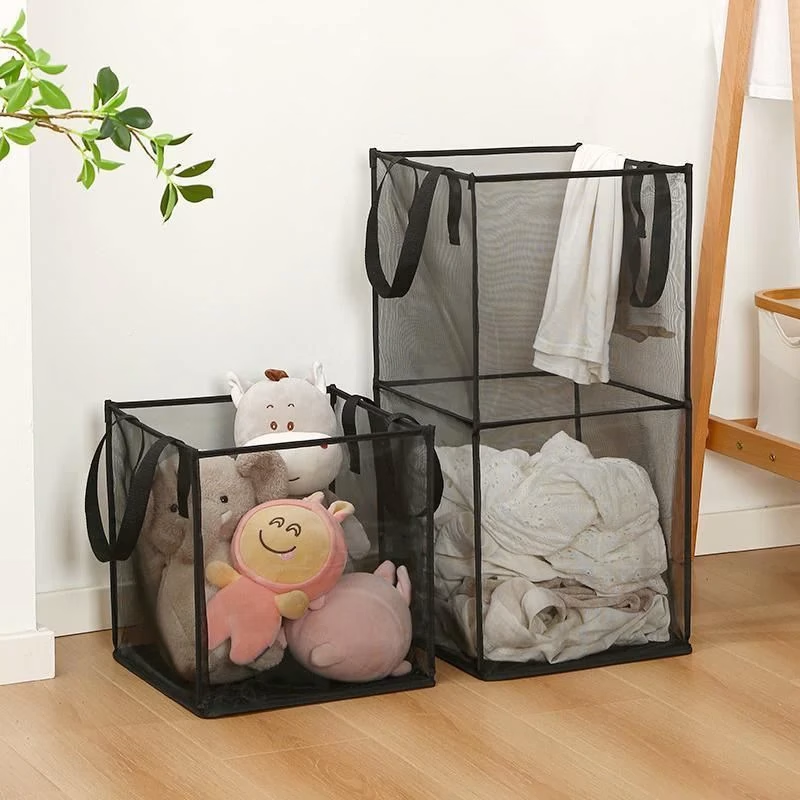
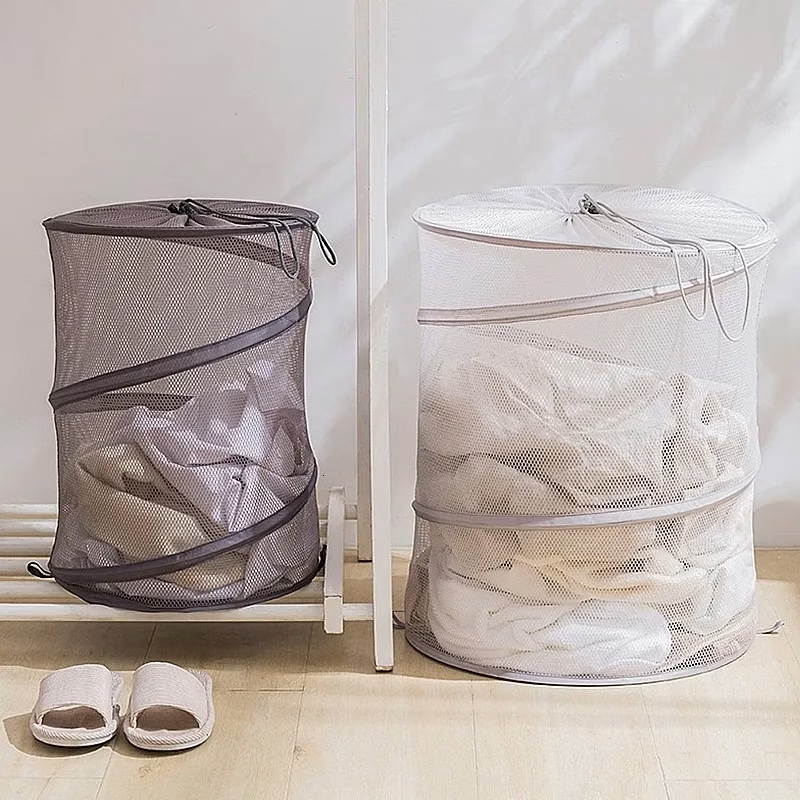
Mesh hampers use woven synthetic fabrics, typically polyester or nylon, stretched over a wire or flexible frame. The open weave allows constant air circulation.
Breathability and Odor Control
Mesh excels at preventing moisture buildup. Wet towels and sweaty workout clothes release steam instead of creating a humid breeding ground for bacteria. You won’t open your hamper to that sour smell that happens with enclosed containers.
Families with active schedules appreciate this feature. Sports equipment, swimsuits, and gym bags all need ventilation. A washing hamper with lid made from mesh still allows airflow while containing visual clutter.
The downside: mesh doesn’t hide contents. If you value a tidy appearance, you’ll need a model with a privacy lining or place the hamper in a closet.
Durability Concerns
Quality mesh hampers last for years. Cheap versions sold at discount stores often use thin polyester that snags, tears, or separates from the frame within months. The frame matters as much as the fabric.
Look for reinforced stitching at stress points—where handles attach, where fabric meets the frame, and around the opening. Double-layered mesh adds strength without sacrificing breathability. Metal frames outlast plastic ones, though they cost more upfront.
We manufacture breathable mesh laundry baskets with industrial-grade polyester and rust-resistant steel frames. Our testing includes 50-pound load tests and repeated folding cycles to ensure durability.
Portability and Storage
Mesh hampers fold flat when not in use. This makes them ideal for small apartments, dorm rooms, or households that store hampers between wash days. A collapsible mesh hamper takes up minimal closet space.
Weight is minimal—most mesh hampers weigh under two pounds. Carrying a full load feels easier compared to hefty plastic bins. Handles are essential; opt for padded or reinforced grips that won’t dig into your hands.
Some designs include shoulder straps for hands-free carrying. Others feature a pop-up mechanism that springs open when needed. Consider your physical needs and storage constraints when choosing a style.
Best Uses for Mesh Hampers
Mesh works best for:
- Active families with athletic gear and workout clothes
- Humid climates where moisture buildup is a concern
- Multi-story homes requiring frequent hamper transport
- Temporary living situations (dorms, short-term rentals)
- Households needing space-saving storage solutions
Mesh struggles with:
- Heavy, sharp objects that can puncture the fabric
- Public or shared spaces where hiding contents matters
- Situations requiring liquid containment (though some models include waterproof liners)
Canvas Washing Hampers: The Style-Forward Option
Canvas hampers use heavy cotton or cotton-blend fabric, often reinforced with interfacing or wire frames. They offer a cleaner, more decorative appearance than mesh.
Aesthetic Appeal and Room Integration
Canvas blends into home decor. Available in dozens of colors and patterns, these hampers look intentional rather than utilitarian. Families wanting a cohesive bedroom or bathroom design often choose canvas.
Many manufacturers add features like leather handles, metal rivets, or printed designs that mimic furniture. A well-chosen canvas hamper becomes part of the room’s visual scheme instead of something to hide.
The trade-off: fashion over function in some cases. Beautiful doesn’t always mean durable, especially with lower-quality canvas that’s too thin.
Moisture and Mildew Challenges
Canvas absorbs moisture. Damp towels, swimsuits, or sweaty clothes transfer water into the fabric. Without proper airflow, mildew develops within days. You’ll notice a musty smell even after washing the hamper itself.
Some canvas hampers include removable, washable liners. Others treat the fabric with water-resistant coatings. These features help but don’t eliminate the moisture problem entirely.
If you choose canvas, empty it frequently. Don’t let wet items sit for more than 24 hours. Consider a washing hamper with lid that includes ventilation holes or a mesh panel insert.
Regular cleaning is non-negotiable with canvas. Most are machine washable, but you’ll need to wash them monthly to prevent bacteria buildup and odor absorption.
Structural Integrity Over Time
Quality canvas hampers use thick, tightly woven fabric—usually 12-ounce canvas or heavier. Thin canvas sags under weight, losing its shape and making it harder to fill or empty.
Reinforced bottoms prevent wear from sharp objects like belt buckles or jean rivets. Look for double stitching and bartack reinforcement at corners and handle attachment points.
Frames matter. Wire frames maintain shape but can rust or poke through fabric. Plastic or cardboard inserts are lighter but may warp over time. Frameless canvas hampers rely on the fabric’s structure, which works only with very heavy-weight canvas.
Best Uses for Canvas Hampers
Canvas works well for:
- Master bedrooms or guest rooms with decor-conscious owners
- Dry climates with minimal humidity concerns
- Light to moderate laundry loads
- Families who wash frequently and don’t accumulate large piles
- Situations where appearance matters as much as function
Canvas struggles with:
- Humid environments or bathrooms with poor ventilation
- Households with heavy, wet laundry (sports gear, pet bedding, work uniforms)
- Situations requiring frequent deep cleaning
- Budget-conscious buyers (quality canvas costs more than mesh or basic plastic)
Plastic Washing Hampers: The Workhorse Option
Plastic hampers range from basic bins to sophisticated rolling laundry hamper designs with wheels and compartments. They’re the most common choice in households worldwide.
Durability and Weight Capacity
Plastic handles abuse. Drop it, overfill it, drag it across rough surfaces—a quality plastic hamper survives. Some models hold 100+ pounds without cracking.
Material type matters. Polypropylene (PP) is flexible and impact-resistant. High-density polyethylene (HDPE) is stiffer but withstands temperature extremes. Both outlast cheaper plastics that become brittle over time.
Thickness determines strength. Look for hampers with reinforced corners and ribbed sides. Thin-walled plastic flexes too much under weight, leading to cracks at stress points.
UV resistance prevents yellowing and brittleness if your hamper sits near windows or in sunny laundry rooms. Many manufacturers now add UV stabilizers to their plastic formulations.
The Breathability Problem
Plastic traps air and moisture. This creates perfect conditions for mildew and odor. Opening a plastic hamper after a week of accumulation can assault your senses with concentrated funk.
Ventilation holes help but don’t solve the problem completely. Some designs include perforated sides or lattice-style openings. These improve airflow without compromising the hamper’s structure.
Removable liners add a washable barrier between dirty clothes and the plastic surface. This makes cleaning easier and reduces odor absorption into the plastic itself.
A laundry basket with wheels made from ventilated plastic combines portability with better breathability than solid-sided options.
Mobility and Ergonomics
Wheels transform plastic hampers from static bins into mobile sorting stations. Rolling laundry hamper models let you position the hamper exactly where you need it—next to the washer, beside the bed, near the bathroom door.
Quality matters in wheels. Look for locking casters that prevent rolling when you don’t want movement. Rubber or polyurethane wheels roll quietly and don’t damage floors. Plastic wheels are cheaper but noisier and less durable.
Ergonomic handles reduce strain when carrying full loads. Recessed grips, padded handles, or cutout openings make lifting easier. Some designs include dual handles for two-person carrying of heavy loads.
Height affects usability. Shorter hampers require more bending to load and unload. Taller models bring the opening closer to a comfortable working height. Consider the primary user’s physical needs when selecting hamper height.
Cleaning and Maintenance
Plastic wipes clean in seconds. Spray with disinfectant, wipe down, done. No washing machine required. This simplicity appeals to busy households.
Plastic doesn’t absorb stains or odors into its structure the way canvas does. Spills and leaks stay on the surface for easy removal. This makes plastic ideal for homes with kids or pets prone to accidents.
However, scratches accumulate over years of use. Rough surfaces attract dirt and become harder to clean. Some plastics develop a cloudy appearance from repeated washing with harsh chemicals.
Best Uses for Plastic Hampers
Plastic excels for:
- Heavy-duty laundry loads (large families, commercial settings)
- Situations requiring frequent cleaning and sanitization
- Homes with mobility challenges benefiting from wheeled options
- Households sorting laundry into multiple categories
- Budget-conscious buyers seeking long-term value
Plastic struggles with:
- Odor control without regular cleaning
- Aesthetic integration in design-focused spaces
- Storage when not in use (doesn’t collapse or fold)
- Environmental concerns (though many are now recyclable)
Material Comparison Table
| Feature | Mesh | Canvas | Plastic |
|---|---|---|---|
| Breathability | Excellent – Open weave allows continuous airflow | Poor – Absorbs moisture, requires frequent emptying | Fair – Needs ventilation holes to prevent odor |
| Durability | Good – Quality mesh lasts years; cheap versions tear easily | Moderate – Heavy canvas holds up; thin canvas sags | Excellent – Handles heavy loads and rough treatment |
| Weight | Lightest – Usually under 2 lbs | Moderate – 3-5 lbs depending on thickness | Heaviest – 5-10 lbs for sturdy models |
| Portability | Excellent – Folds flat, includes handles | Good – Handles standard, doesn’t fold | Fair – Bulky but wheels help mobility |
| Cleaning | Easy – Machine washable, air dries quickly | Moderate – Machine washable monthly, slow to dry | Easiest – Wipe clean in seconds |
| Price Range | $15-$45 | $25-$75 | $20-$80 |
| Lifespan | 3-5 years average | 2-4 years average | 5-8 years average |
| Best For | Active families, humid climates, space-saving | Decor-conscious homes, dry climates | Heavy use, large families, commercial settings |
Choosing Based on Your Household Needs
For Families with Young Children
Kids create massive amounts of laundry. Spit-up, diaper leaks, food spills, mud—you need a hamper that handles it all.
Plastic wins here for its easy cleaning and durability. Look for models with lids to contain visual clutter and odors. A washing hamper with lid keeps curious toddlers from pulling out dirty clothes.
However, a collapsible mesh hamper in each child’s room makes sense. Kids can carry their own laundry to a central sorting area. The lightweight design means even young children can participate in household tasks.
For Athletic and Active Households
Sweaty gym clothes, sports uniforms, and athletic equipment need serious ventilation. Mesh is your best choice.
Place mesh hampers in mudrooms, bathrooms, or bedrooms where athletes change. The breathability prevents that concentrated gym-bag smell that permeates other hamper types.
Consider multiple smaller mesh hampers rather than one large container. This allows sorting by person or activity, making laundry day more efficient.
For Small Spaces and Apartments
Storage space is precious in compact living situations. Collapsible mesh hampers fold to nearly nothing when empty. Store them in closets, under beds, or behind doors.
Canvas hampers with decorative designs can serve double duty as décor elements. Choose styles that complement your space rather than clash with it.
Avoid bulky plastic bins unless they serve multiple purposes. Some plastic hampers include storage compartments for detergent and supplies, justifying their permanent floor space.
For Multi-Story Homes
Carrying laundry between floors requires lightweight, comfortable options. Mesh hampers with padded shoulder straps make trips easier.
A rolling laundry hamper stationed on each floor eliminates carrying entirely. Fill it throughout the week, then wheel it to the laundry area on wash day.
Consider a hybrid approach: mesh collection hampers in bedrooms and bathrooms, with a larger plastic sorting station near the washer.
How Material Affects Long-Term Costs
Initial Investment vs. Replacement Frequency
Cheap hampers tempt budget-conscious shoppers. A $10 plastic bin seems smart until it cracks after six months. You’ll buy three or four replacements over the lifespan of one quality hamper.
Quality mesh hampers cost $25-$45 but last 3-5 years with proper care. Canvas ranges from $30-$75 depending on design and fabric weight. Durable plastic hampers run $35-$80 but can serve for 5-8 years.
Calculate cost per year rather than upfront price. A $50 hamper lasting five years costs $10 annually. A $15 hamper replaced yearly costs more over time.
Maintenance and Cleaning Costs
Canvas hampers require regular machine washing. This adds to water and energy bills, plus detergent costs. Frequent washing also shortens lifespan as fabric weakens.
Plastic needs only spray cleaner and a cloth. Mesh requires occasional machine washing but dries quickly and doesn’t need special detergents.
Factor in your time. Canvas requires more maintenance effort. Plastic offers the lowest time investment. Mesh falls somewhere in between.
Environmental Considerations
Plastic hampers last longest but create waste at end-of-life. Many municipalities now recycle plastics, though facilities vary.
Canvas is biodegradable if made from natural fibers. However, water-resistant treatments and synthetic blends complicate decomposition.
Mesh made from recycled polyester reduces environmental impact compared to virgin materials. Some manufacturers now offer hampers made from ocean-recovered plastics.
As a manufacturer serving global markets, we’ve shifted toward sustainable materials where possible. Our laundry basket collection includes options made from recycled content without sacrificing durability.
Professional Insights from Manufacturing Experience
After six years producing laundry solutions for European, North American, South American, Korean, and Japanese markets, we’ve tested thousands of material combinations. Customer feedback reveals patterns that guide our product development.
European buyers prioritize aesthetics and sustainability. They choose canvas and recycled mesh more frequently, accepting higher prices for eco-friendly options.
North American customers value durability and convenience. Plastic hampers with wheels and multiple compartments sell well. Mesh options gain popularity in warmer regions with humidity concerns.
Asian markets prefer compact, space-saving designs. Collapsible mesh dominates in densely populated urban areas where storage space is premium.
These regional preferences inform our product lines, but the fundamental principles remain constant: match material to your specific needs rather than chasing trends.
Hybrid Solutions and Multi-Material Hampers
Some modern designs combine materials to leverage each one’s strengths. A plastic frame with mesh sides provides structure plus breathability. Canvas exteriors with waterproof plastic liners look good while preventing moisture damage.
Our three-layer folding drying net demonstrates how thoughtful material selection solves specific problems. Mesh tiers allow air circulation while the structure maintains shape during use.
Consider systems rather than single hampers. Use mesh for daily collection, transfer to plastic for sorting, then canvas in living spaces where appearance matters. This approach optimizes each material’s benefits.
Making Your Final Decision
Select mesh if you:
- Live in humid climates or deal with moisture-heavy laundry
- Need portable, space-saving storage
- Want maximum breathability to prevent odors
- Have an active lifestyle with athletic gear
Choose canvas if you:
- Prioritize appearance and room integration
- Generate lighter laundry loads washed frequently
- Live in dry climates with good ventilation
- Want eco-friendly natural fiber options
Choose plastic if you:
- Handle heavy, frequent laundry loads
- Need easy cleaning and sanitization
- Want the longest-lasting option
- Benefit from mobility features like wheels
- Require multiple sorting compartments
Many households benefit from having different hamper types in different locations. There’s no rule requiring uniform laundry containers throughout your home.
Quality Markers to Look For
Regardless of material choice, certain features indicate quality manufacturing:
Reinforced stress points – Double stitching, bartack reinforcement, or extra material at handles and corners prevents premature failure.
Adequate weight capacity ratings – Quality manufacturers specify weight limits. This transparency indicates testing and confidence in the product.
Thoughtful design details – Features like non-slip bases, odor-resistant treatments, or moisture barriers show attention to real-world use.
Clear care instructions – Proper maintenance extends any hamper’s life. Manufacturers should provide specific cleaning guidance.
Warranty or guarantee – Standing behind products signals manufacturing confidence. Look for at least a one-year guarantee against defects.
As a direct manufacturer, we offer OEM services and custom designs tailored to specific requirements. Whether you need specialized sizes, unique color combinations, or proprietary features, our manufacturing experience allows flexibility that retail brands can’t match.
The Bottom Line on Washing Hamper Materials
Your ideal washing hamper depends on household size, laundry volume, available space, and personal preferences. Mesh offers unbeatable breathability and portability. Canvas provides aesthetic appeal and natural materials. Plastic delivers maximum durability and easy maintenance.
Don’t settle for a hamper that frustrates you daily. The right choice makes laundry management smoother and keeps your living spaces organized.
Consider your specific situation: Do you battle odors? Choose mesh. Does appearance matter? Try canvas. Need bulletproof durability? Go plastic. Match the material to your needs, not marketing hype.
Ready to Upgrade Your Laundry Management?
We manufacture premium laundry solutions directly for households and businesses worldwide. Our six years of experience serving global markets means we understand diverse needs and design products that actually work in daily life.
Our mesh washing hamper use reinforced, breathable polyester that stands up to heavy use while preventing moisture buildup. Canvas options feature heavyweight fabrics and water-resistant linings. Plastic hampers include ventilated designs with smooth-rolling casters for effortless mobility.
As the original manufacturer, we eliminate middleman markups. You get factory-direct pricing on professional-grade laundry products designed to last.
Contact us for custom solutions, bulk orders, or OEM manufacturing. Whether you need specialized sizes, unique color schemes, or proprietary designs, our production capabilities support projects of any scale.
Visit laundrymeshbag.com to explore our full product range. Need something specific? Reach out directly—our team responds quickly with detailed information and competitive quotes.
Stop replacing cheap hampers every few months. Invest in quality materials designed for real-world performance.
Frequently Asked Questions
What is the most durable material for a washing hamper in commercial laundry facilities?
Plastic washing hamper made from high-density polyethylene (HDPE) or polypropylene (PP) offer the best durability for commercial settings. These materials withstand heavy loads exceeding 100 pounds, resist cracking from repeated use, and clean easily between loads.
How do I prevent mildew in a canvas washing hamper used for towels and swimwear?
Prevent mildew by emptying canvas washing hamper within 24 hours of adding wet items. Choose canvas hampers with removable, machine-washable liners that create a barrier between damp clothes and the fabric. Position the hamper in well-ventilated areas rather than enclosed closets.
Which washing hamper material offers the best ROI for hospitality procurement managers?
Plastic hampers typically deliver superior ROI in hospitality settings due to their 5-8 year lifespan, minimal maintenance requirements, and ability to withstand industrial cleaning protocols. Calculate total cost of ownership including replacement frequency, labor for cleaning/maintenance, and downtime from damaged units.