
You finally started using a mesh laundry bag for your bras great move. But are you actually doing it right?
Many women assume that once they wash bras in a mesh bag, their delicate lingerie is completely protected from damage. Unfortunately, that’s not always true. While a mesh bag significantly reduces wear and tear during machine washing, small mistakes throughout the washing process can still shorten the lifespan of your favorite bras.
From choosing the wrong wash cycle to overstuffing the bag, these common errors can stretch elastic, distort cups, damage underwires, and leave bras looking worn out long before they should.
The good news? Most of these mistakes are incredibly easy to fix.
In this guide, we’ll reveal the 7 most common mistakes women make when they wash bras in a mesh bag and show you exactly how to avoid them so your bras stay supportive, comfortable, and looking their best for years.
Let’s start with the mistake most women make before the machine even turns on.
Why Washing Bras in a Mesh Bag Matters
Bras are some of the most delicate and structurally complex garments in your wardrobe. Unlike standard clothing, they combine multiple materials and components including elastic bands, molded cups, underwires, lace, and hook-and-eye closures all of which can be damaged during a typical wash cycle.
Without protection, bras can easily snag on other garments, become tangled around agitators, or get stretched and twisted during spinning. Even a single unprotected wash can warp underwires, pull delicate lace, and weaken elastic fibers.
A quality mesh laundry bag acts as a protective barrier, reducing friction and minimizing direct contact with other items in the machine. When used properly, it can significantly extend the life of your bras and help preserve their shape and support.
However, simply tossing a bra into a mesh bag isn’t enough. The way you prepare, wash, and dry your bras matters just as much as the bag itself.
Here are the 7 mistakes that undo all the protection a mesh bag is supposed to give you.
Mistake #1: Not Fastening the Bra Hooks Before Placing It in the Bag
One of the easiest mistakes to make is placing bras into a mesh bag with the hooks left open.
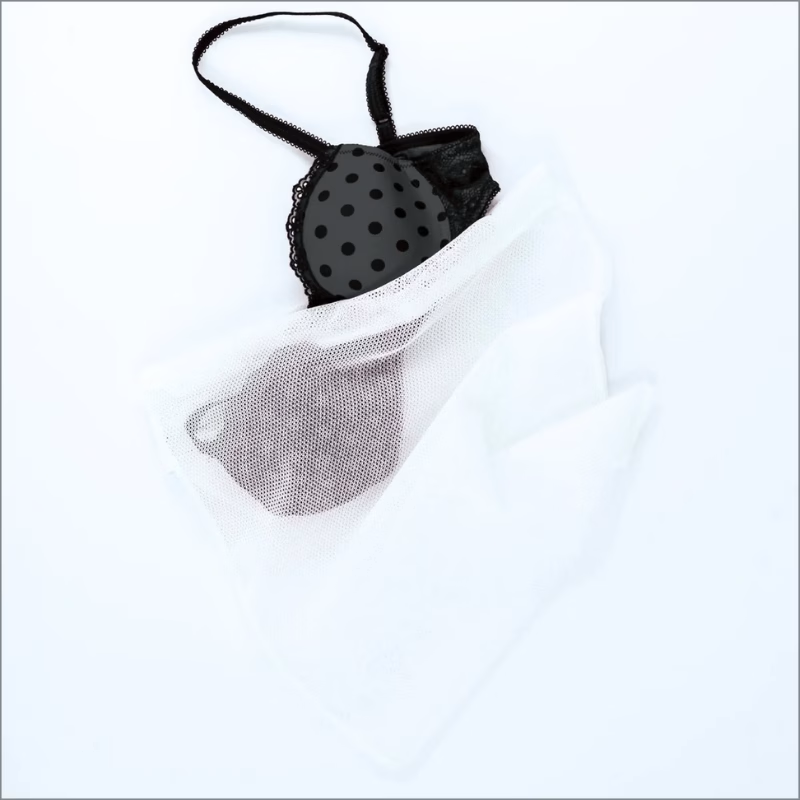
Open hooks often catch on the inside of the mesh bag, creating small tears that weaken the bag over time. They can also snag lace, straps, and fabric from other bras sharing the same bag.
Even worse, exposed hooks may scratch or damage other delicate garments in the wash. What starts as a small snag can quickly become a pulled thread, damaged lace panel, or ruined piece of lingerie.
Many people assume the mesh bag will prevent this type of damage, but the bag can’t stop hooks from grabbing onto nearby fabric inside the bag itself.
Quick Fix
Before placing a bra into the mesh bag, always fasten the hook-and-eye closure. It takes only a few seconds and dramatically reduces snagging, tangling, and unnecessary wear.
Mistake #2: Overstuffing the Mesh Bag
Another common mistake is treating a mesh bag like a storage pouch and cramming multiple bras into it.
While it may seem efficient to wash three or four bras at once in a single bag, overcrowding creates compression and friction inside the bag. Molded cups can become flattened, padded bras can lose their shape, and underwires can experience unnecessary stress.
Overstuffing also prevents water and detergent from circulating freely. As a result, your bras may come out less clean than expected, with detergent residue or trapped odors remaining in the fabric.
Remember, a mesh bag isn’t magic. It reduces damage, but it can’t eliminate the physical pressure caused by stuffing too many items together.
Quick Fix
Limit each bag to one or two bras whenever possible. For larger loads, use multiple bags or choose a properly sized mesh bag that allows garments to move freely during washing.
Mistake #3: Choosing the Wrong Wash Cycle
A mesh bag provides protection, but it cannot completely shield your bra from an aggressive wash cycle. Many people mistakenly use normal or heavy-duty cycles because the bra is “protected” inside the bag. Unfortunately, high-speed agitation and spinning still place significant stress on elastic fibers, cups, and underwires.
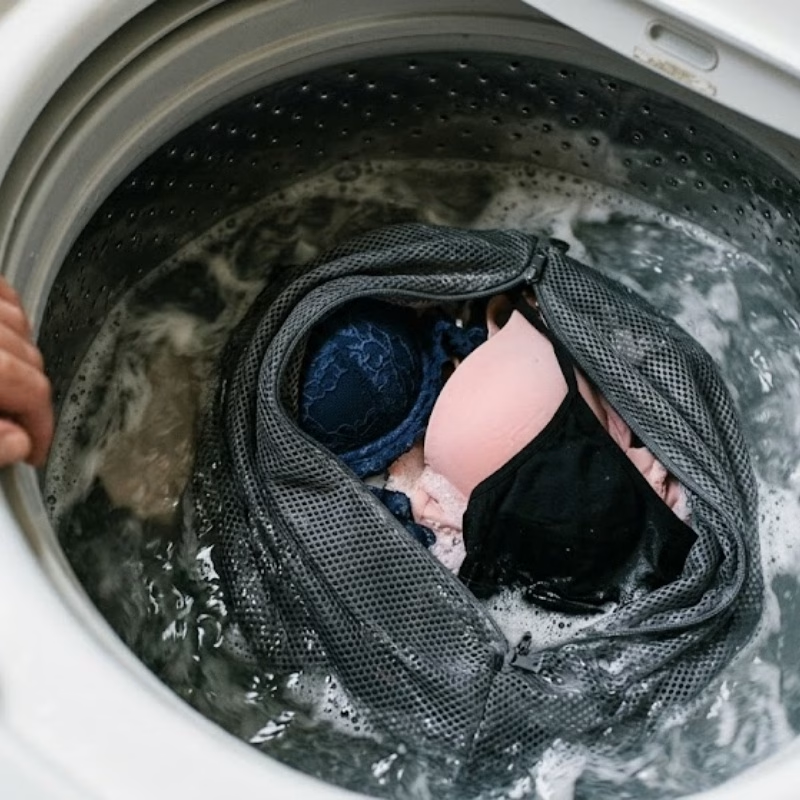
Hot water is another major culprit. Heat weakens elastic materials, causing bras to lose their supportive fit much faster. Over time, bands become stretched out and cups lose their original structure.
Even the best mesh bag can’t counteract the effects of excessive heat and mechanical force.
Quick Fix
Always choose:
- Cold water
- Delicate or gentle cycle
- Low spin speed whenever available
Think of the mesh bag as an extra layer of protection not a replacement for proper wash settings.
Mistake #4: Using Harsh Detergent
The detergent you use matters more than many people realize.
Standard laundry detergents are often designed to remove tough stains from durable fabrics like cotton, denim, and athletic wear. These formulas may contain enzymes and cleaning agents that are unnecessarily harsh on delicate lingerie fabrics.
Over time, aggressive detergents can weaken lace, degrade elastic fibers, fade colors, and make fabrics feel rougher than intended.
Bleach is particularly damaging. It not only removes color but also accelerates deterioration of the elastic components that give bras their support and shape.
If you’re investing in quality bras, it makes sense to use products specifically designed to care for delicate fabrics.
Quick Fix
Choose a gentle detergent formulated for delicates, lingerie, or sensitive fabrics. Plant-based detergents are often a good option as well.
For hand washing, some lingerie experts even recommend mild baby shampoo because of its gentle formulation.
Mistake #5: Washing Bras with Heavy Items
Even when bras are protected inside a mesh bag, washing them alongside heavy garments can still cause damage.
Jeans, towels, sweatshirts, and thick hoodies become heavy during the wash cycle. As they tumble around the machine, they can repeatedly press against the mesh bag and crush the contents inside.
This pressure can distort molded cups, stress underwires, and stretch elastic bands. Zippers, buttons, and rough fabrics can also increase abrasion throughout the cycle.
The mesh bag reduces direct contact, but it can’t completely protect bras from the force generated by heavy, waterlogged items.
Quick Fix
Wash bras only with other lightweight delicates such as:
- Underwear
- Camisoles
- Sleepwear
- Lightweight socks
- Delicate tops
Avoid mixing bras with jeans, towels, sweatshirts, or bulky garments whenever possible.
Mistake #6: Using the Wrong Size Mesh Bag
Not all mesh bags are created equal. A bag that’s too small compresses the bra and restricts movement, defeating the purpose of using a protective bag in the first place. Cups can become flattened, and underwires may bend under pressure.

On the other hand, a bag that’s too large allows excessive movement inside the machine. The bra may still twist, fold, or become distorted despite being contained.
Padded and molded-cup bras are especially vulnerable because maintaining cup shape is essential to preserving fit and appearance.
Different bra styles benefit from different bag designs.
Quick Fix
Match the bag to the bra:
- Flat mesh bags: Best for lace bras, bralettes, and wireless styles.
- Structured dome or cylinder bags: Ideal for molded, padded, and underwire bras.
- Properly sized bags: Allow enough room for movement without excessive shifting.
If you’re shopping for a bra laundry bag, look for options specifically designed to support the shape of delicate lingerie.
Mistake #7: Putting Bras in the Dryer After the Wash
This is arguably the most damaging mistake of all. Ironically, it happens after the mesh bag has already done its job.
High dryer heat rapidly breaks down elastic fibers, causing bras to lose their stretch and support. Molded cups can warp, shrink, or collapse permanently, and delicate fabrics may become brittle over time.
No amount of protection during washing can undo the damage caused by repeated exposure to dryer heat.
Many bras that seem “worn out” are actually suffering from heat damage rather than normal aging.
Quick Fix
After washing:
- Remove bras from the mesh bag immediately.
- Reshape the cups by hand.
- Lay flat on a clean towel or drying rack.
- Alternatively, hang from the center gore (the fabric between the cups).
Avoid hanging bras by the straps, as this can gradually stretch them out.
Bonus Tips: Getting the Most Out of Your Bra Mesh Bag
Want even better results? Follow these additional care tips:
1. Clean the Mesh Bag Regularly
Detergent residue, lint, and bacteria can build up inside the bag over time. Wash the bag occasionally to keep it fresh and effective.
2. Avoid Over washing
Most bras don’t need washing after every wear. Unless you’ve exercised heavily or perspired significantly, wearing a bra two to three times before washing is generally sufficient.
3. Check Care Labels
Always follow manufacturer instructions. Some bras made from silk, satin, or heavily embellished fabrics may require hand washing regardless of whether you own a mesh bag.
4. Store Bras Properly
Stack molded-cup bras inside one another rather than folding them. Crushing cups in a drawer can permanently alter their shape.
For more care advice, check out our bra wash bag guide and learn how to maximize the lifespan of every bra in your collection.
Which Mesh Bag Should You Use?
Not all mesh laundry bags offer the same level of protection.
When shopping for a quality bra laundry bag, look for features such as:
- Double-layer polyester mesh
- Fine mesh construction for added protection
- Auto-lock zipper design
- Rust-resistant zipper hardware
- Sandwich Mesh Bra Bag
- Sizes matched to your bra style
Whether you’re washing lace bralettes or heavily structured underwire bras, choosing the right bag makes a significant difference.
Looking for a reliable bra laundry bag that protects without compromising on wash quality? Explore our Bra Laundry Bag Collection and find the perfect option for every bra style and washing routine.
Frequently Asked Questions
Q1. Can I wash all bra types in a mesh bag?
Yes. However, padded and underwire bras benefit most from structured mesh bags, while lace bras, wireless bras, and bralettes generally work well in flat mesh bags.
Q2. How many bras should I put in one mesh bag?
For best results, place only one or two bras in a single bag. This prevents compression damage and allows proper water circulation.
Q3. Should I fasten bra hooks before putting them in the mesh bag?
Absolutely. Fastening hooks prevents snagging, reduces tangling, and protects both the bra and the mesh bag.
Q4. What wash cycle should I use for bras in a mesh bag?
Use a delicate or gentle cycle with cold water. Avoid hot water and aggressive spin settings.
Q5. Can I put bras in the dryer after using a mesh bag?
No. Always air dry bras. Dryer heat damages elastic fibers, shortens bra lifespan, and can permanently distort molded cups.
Take Care of Your Bras
Using a mesh bag is one of the smartest ways to protect your bras during machine washing but only when it’s used correctly.
The biggest mistakes are often the simplest ones: leaving hooks open, overloading the bag, using harsh detergents, choosing aggressive wash cycles, washing with heavy items, selecting the wrong bag size, and tossing bras into the dryer afterward.
By making a few small adjustments to your laundry routine, you’ll preserve elasticity, maintain cup shape, protect delicate fabrics, and extend the lifespan of your favorite bras.
Your bras are an investment. Treat them like one.
And if you’re ready to upgrade your laundry routine, browse our bra laundry bag collection and give your lingerie the protection it deserves.