
Dirty sneakers are more than a small nuisance. Mud, sweat, and odor build up fast, and tossing shoes directly into a washing machine often leads to bent soles, damaged fabric, and loud banging that can harm your appliance. Many people learn this the hard way after ruining a favorite pair or facing costly repairs.
A sneaker bag for washing machine use solves this problem simply and safely. Designed to protect shoes and machines at the same time, it keeps sneakers clean, intact, and ready to wear. In this article, you’ll learn what a sneaker bag is, why it matters, how to use it correctly, and which mistakes to avoid so every wash works in your favor.
What Is a Sneaker Bag for Washing Machine?
A sneaker bag for washing machine is a specially designed laundry mesh bag made to hold shoes during machine washing. Unlike regular laundry bags, it uses thicker mesh, reinforced seams, and secure closures to handle the weight and shape of sneakers.
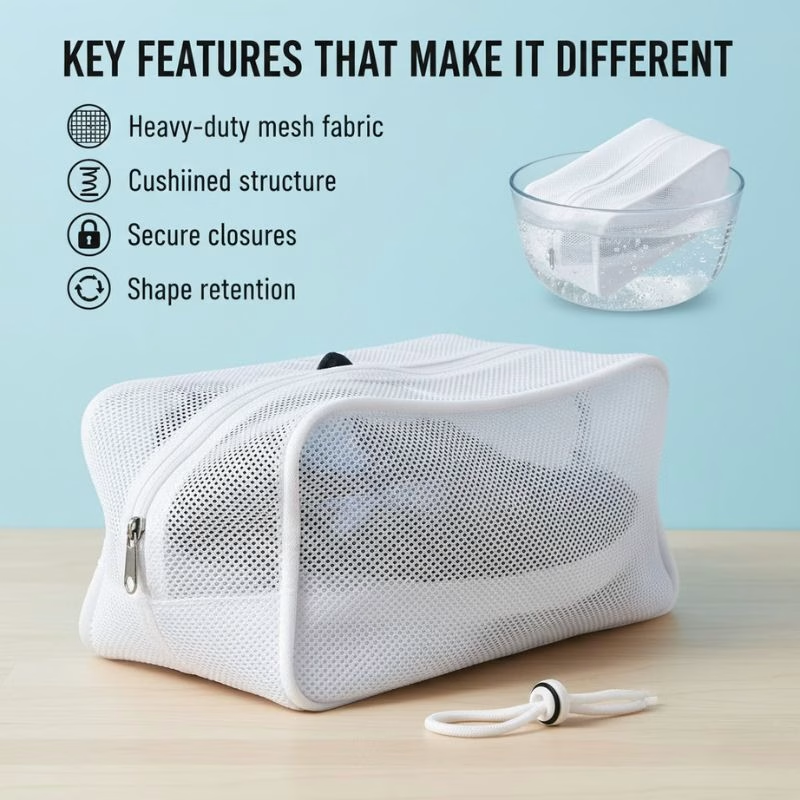
Key Features That Make It Different
-
Heavy-duty mesh fabric that allows water and detergent to flow freely
-
Cushioned structure to reduce impact during spin cycles
-
Zippers or drawstring locks that stay closed while washing
-
Shape retention to prevent shoes from twisting or deforming
These features help clean shoes evenly while protecting both the sneakers and the washing machine drum.
Why Do You Need a Sneaker Bag for Washing Machine?
1. Protects Your Sneakers from Damage
Shoes collide with the drum during washing. Without protection, this can:
-
Crack midsoles
-
Peel glued parts
-
Fray fabric and stitching
A sneaker bag absorbs shock and keeps shoes stable.
2. Prevents Washing Machine Wear
Loose shoes can:
-
Scratch the drum
-
Unbalance spin cycles
-
Cause loud noise and vibration
Using a shoe bag reduces mechanical stress and extends machine life.
3. Improves Cleaning Results
Mesh bags allow water and detergent to circulate fully. This leads to:
-
Better removal of dirt and sweat
-
Less detergent residue
-
More even drying afterward
Sneaker Bag for Washing Machine vs Regular Laundry Bag
At first glance, most mesh laundry bags look similar. This often leads buyers to assume any bag will work for shoes. In reality, a sneaker bag for washing machine is engineered for a very different job than a standard laundry mesh bag.
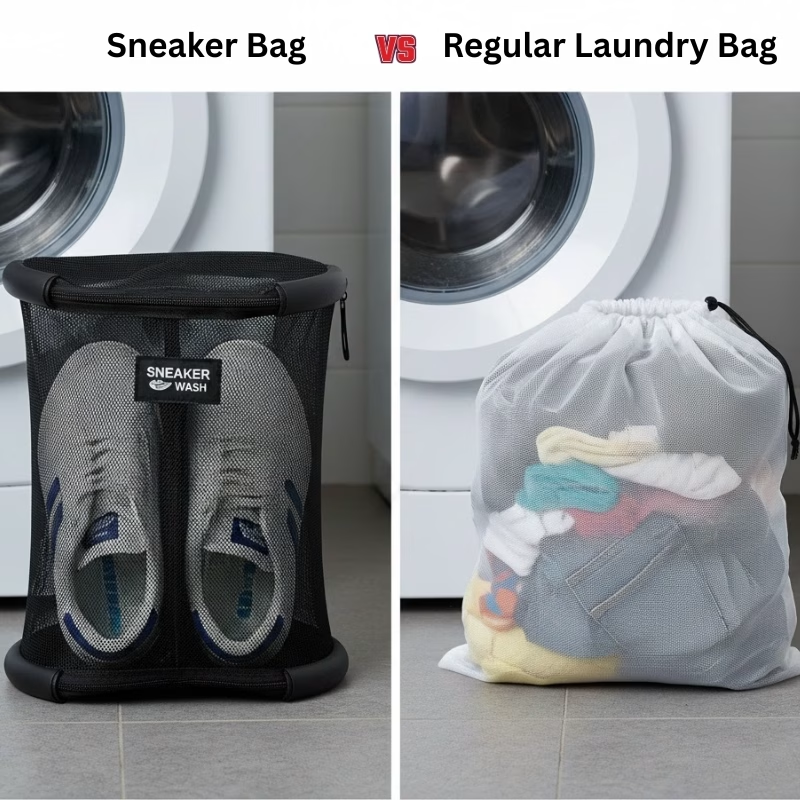
Shoes are heavier, harder, and more rigid than clothing. During a wash cycle, they hit the drum repeatedly, twist under centrifugal force, and place strong tension on seams and zippers. Regular laundry bags are not designed to handle this level of stress.
Key Differences That Affect Performance and Durability
| Feature | Sneaker Bag for Washing Machine | Standard Laundry Mesh Bag |
|---|---|---|
| Mesh thickness | Extra thick & durable | Thin, lightweight |
| Impact protection | Yes | No |
| Shoe shape support | Designed for shoes | Not structured |
| Zipper strength | Reinforced | Basic |
| Lifespan | Long-term use | Short-term |
1. Why Mesh Thickness Matters
Thicker mesh absorbs impact and resists tearing when shoes collide with the washing machine drum. Thin mesh, commonly used for bras or delicates, can stretch, rip, or deform after only a few shoe washes.
2. Impact Protection Is Not Optional
Sneaker bags often include padded layers or denser weave patterns that reduce shock. This protects both the shoes and the machine. Standard laundry bags offer no cushioning, increasing the risk of damaged soles, cracked midsoles, and noisy wash cycles.
3. Shape Support Keeps Shoes Intact
A shoe bag for washing machine is sized and structured to keep sneakers in place. This helps prevent twisting, flattening, or uneven wear. Regular mesh bags collapse around shoes, allowing excessive movement that leads to deformation.
4. Zipper Quality Determines Safety
Reinforced zippers with locking pulls or zipper covers stay closed during high-speed spins. Basic zippers may open mid-cycle, releasing shoes into the drum and defeating the purpose of the bag.
5. Cost vs Value Over Time
While standard laundry bags are cheaper upfront, they often fail after limited use with shoes. A purpose-built sneaker bag lasts significantly longer, making it the more cost-effective choice for households, hotels, and commercial laundry operations.
In short, using a regular laundry bag for shoes is a short-term workaround. For consistent results, reduced damage, and long-term reliability, a sneaker bag for washing machine is the correct tool for the job.
How to Use a Shoe Bag for Washing Machine (Step-by-Step)
Understanding shoe bag for washing machine how to use correctly helps protect your sneakers, improve cleaning results, and extend shoe life.
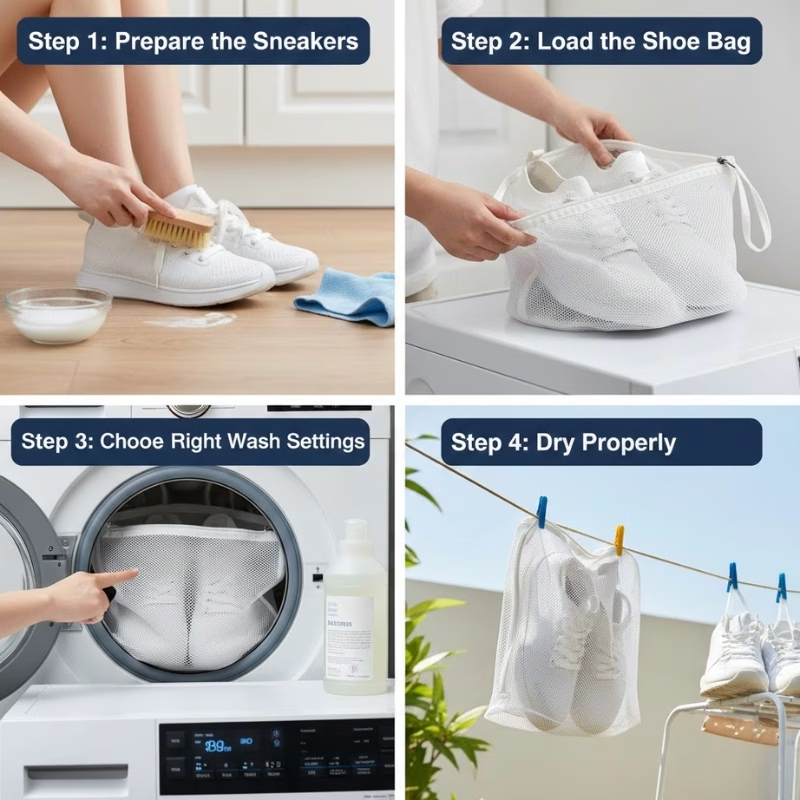
Step 1: Prepare the Sneakers
Proper preparation reduces damage and improves cleaning results. Sneakers collect grit, sand, and dried mud that can act like sandpaper inside a washing machine.
Start by removing the laces and insoles. Laces can tangle during washing, while insoles trap sweat and detergent residue. Washing them separately allows water to reach all areas of the shoe.
Next, brush off loose dirt and dried mud using a soft brush or old toothbrush. This step prevents debris from clogging the mesh or scratching the washing machine drum. For shoes with heavy stains, a quick pre-rinse helps loosen grime and reduces the risk of stains setting during the wash cycle.
Step 2: Load the Shoe Bag
Correct loading is essential for balance and protection. Place one pair of sneakers into the shoe bag unless the bag is specifically designed for multiple pairs. Overloading reduces cleaning efficiency and puts extra stress on seams and zippers.
Position the shoes facing opposite directions. This helps distribute weight evenly during spinning and minimizes vibration. Before placing the bag in the washer, fully close the zipper and secure the zipper cover or locking pull. A properly sealed bag prevents shoes from escaping and protects the drum from impact.
Step 3: Choose the Right Wash Settings
Wash settings directly affect both shoe lifespan and washing performance. Always select cold or warm water. Hot water can soften adhesives, warp soles, and cause colors to fade.
Use a gentle or delicate cycle to limit impact and reduce friction. Strong cycles may clean faster, but they also increase the risk of structural damage. Choose a mild liquid detergent, which dissolves more easily and rinses out thoroughly. Avoid bleach and fabric softeners, as they can weaken materials and leave residue on uppers.
Step 4: Dry Properly
Drying is where many sneakers get damaged. After washing, remove the shoes from the bag and allow them to air dry naturally. Machine dryers generate high heat that can shrink fabrics, crack foam, and loosen glued parts.
To help shoes keep their shape, stuff them with clean towels or paper. Replace the stuffing as it becomes damp. Dry shoes in a well-ventilated area away from direct sunlight or heaters. Slow, even drying preserves color, structure, and comfort, ensuring the shoes are ready for long-term use.
Common Mistakes When Using a Sneaker Bag for Washing Machine
Even the best sneaker bag for washing machine will not deliver proper results if it is used incorrectly. Many shoe-damage complaints come not from product failure, but from avoidable usage errors. Understanding these common mistakes helps protect both footwear and washing equipment.
1. Overloading the Bag
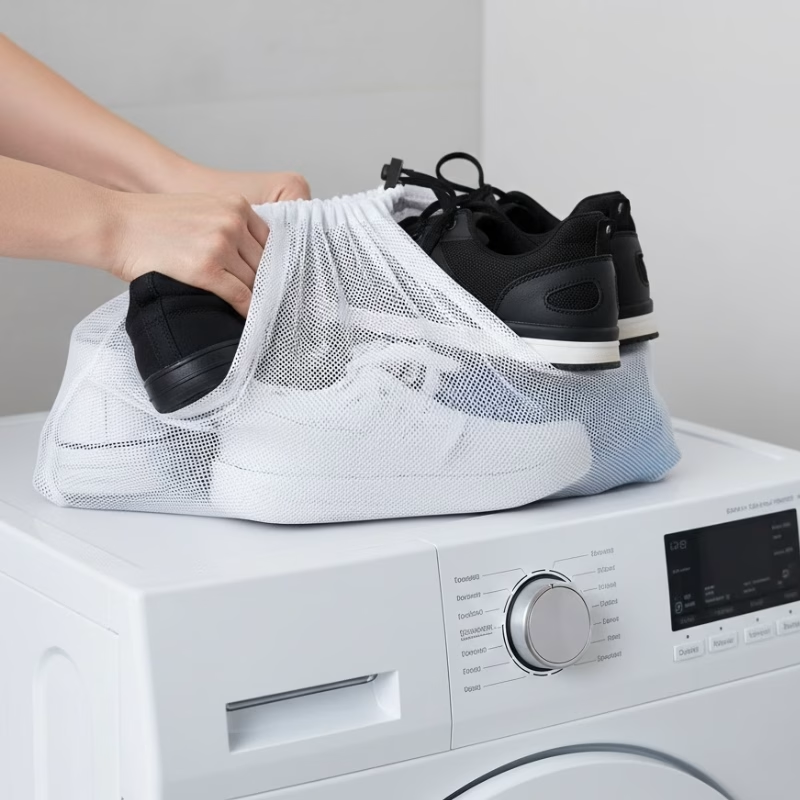
One of the most frequent issues is placing too many shoes into a single bag. Sneaker bags are designed to manage weight and movement within specific limits.
Overloading can:
-
Reduce water and detergent circulation, leading to poor cleaning results
-
Place excessive strain on zippers and seams, shortening bag lifespan
-
Create imbalance during spin cycles, causing noise and machine stress
For best results, wash one pair per bag unless the bag is specifically rated for multiple pairs.
2. Using the Wrong Detergent
Detergent choice directly affects shoe materials and wash quality. Powder detergents may not dissolve fully, especially in cold water, leaving residue on fabric uppers and inside linings.
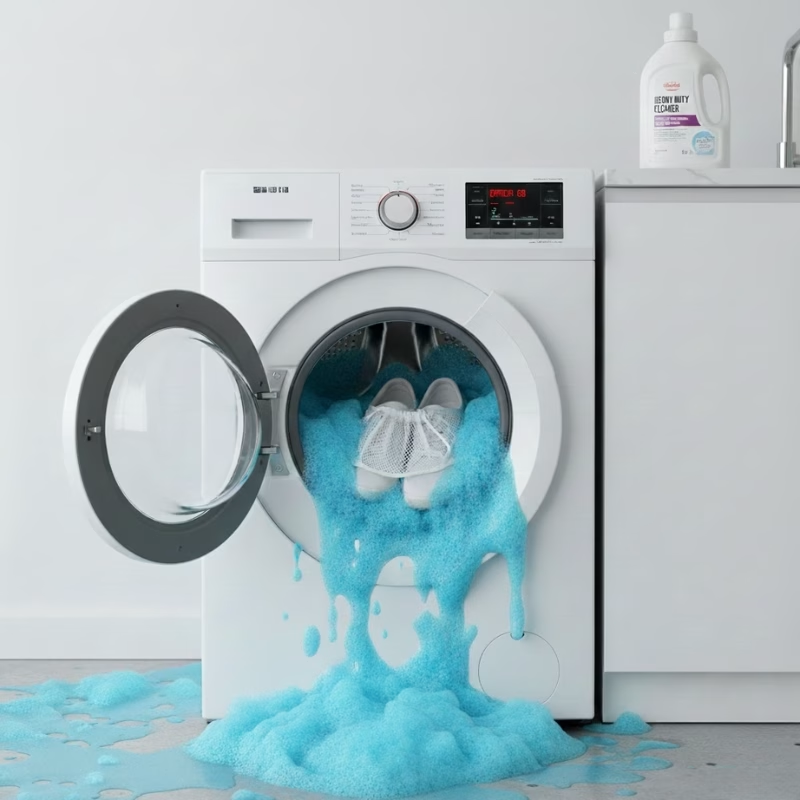
Residue buildup can:
-
Cause stiffness or discoloration
-
Trap odors after drying
-
Reduce breathability of shoe materials
A mild liquid detergent rinses more cleanly and is safer for adhesives and synthetic fabrics.
3. Skipping Pre-Cleaning
Placing heavily soiled shoes directly into the washing machine is a common mistake. Large debris such as sand, gravel, or dried mud creates unnecessary risk.

Skipping pre-cleaning can:
-
Scratch the washing machine drum
-
Tear or clog the mesh bag
-
Block proper water flow, reducing wash effectiveness
A quick brush-off or rinse before washing significantly improves both safety and results.
4. Using a Dryer
Drying sneakers in a machine dryer is one of the fastest ways to cause permanent damage. High heat weakens glue bonds, warps soles, and may shrink or crack fabric uppers.

Air drying is always the safer option. Allow shoes to dry naturally in a ventilated area, away from direct heat sources. This preserves structure, comfort, and appearance over time.
Avoiding these mistakes ensures your shoe bag for washing machine performs as intended, delivering cleaner shoes, longer product life, and a safer washing process overall.
Materials Matter: What Makes a High-Quality Sneaker Bag?
The performance and lifespan of a sneaker bag for washing machine depend largely on the materials used in its construction. Shoes are heavier and more abrasive than clothing, which means low-grade materials wear out quickly. High-quality sneaker bags are designed to withstand repeated washing cycles while maintaining structure, strength, and safety.
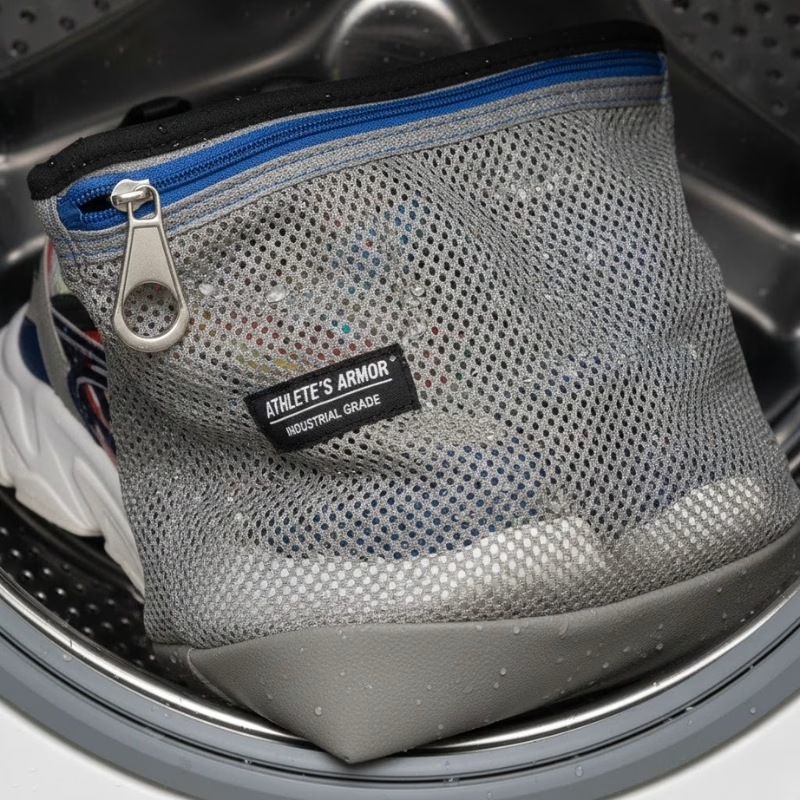
1. Polyester Mesh
Polyester mesh is one of the most widely used materials for sneaker washing bags, and for good reason.
-
Durable structure: Polyester fibers resist stretching and deformation, even under the weight of wet shoes.
-
Quick-drying performance: The mesh dries fast after washing, reducing odor buildup and mildew risk.
-
Tear resistance: High-density polyester mesh handles friction and impact better than standard laundry mesh, making it suitable for long-term use.
This material allows water and detergent to flow freely while maintaining enough rigidity to protect shoes during spin cycles.
2. Eco-Friendly Nylon
Eco-friendly nylon is commonly chosen for higher-end or commercial-grade sneaker bags.
-
Lightweight yet strong: Nylon offers excellent tensile strength without adding bulk, helping maintain balance during washing.
-
Long service life: It tolerates repeated washing, high moisture exposure, and mechanical stress without weakening.
-
Commercial suitability: Its durability makes it ideal for hotels, laundromats, gyms, and other high-frequency washing environments.
When produced with environmentally responsible processes, nylon delivers both performance and sustainability benefits.
3. Reinforced Stitching
Even the best fabric will fail without proper construction. Reinforced stitching is critical for managing shoe weight and constant movement.
-
Double seams: Reduce the risk of seam separation under load.
-
Edge binding: Protects high-friction areas from fraying and splitting.
-
Consistent stitch density: Ensures even stress distribution across the bag.
High-quality stitching allows the bag to maintain integrity after dozens or even hundreds of wash cycles.
When Should You Use a Sneaker Bag for Washing Machine?
A sneaker bag for washing machine should be used whenever shoes are placed into a washer. While not every shoe is machine-washable, many common footwear types benefit greatly from the added protection a shoe bag provides.
Using the bag at the right time helps reduce physical damage, maintain shoe shape, and protect washing machines from impact stress.
Situations Where a Sneaker Bag Is Recommended
| Use Case | Why a Sneaker Bag Is Necessary | Key Benefits |
|---|---|---|
| Washing athletic shoes | Running and training shoes contain foam, mesh, and glued components that are sensitive to impact | Protects midsoles, prevents fabric tearing, reduces noise during spin cycles |
| Cleaning children’s sneakers | Kids’ shoes are washed more frequently and often heavily soiled | Prevents shape collapse, reduces wear from repeated washing |
| Washing work shoes with fabric uppers | Work shoes often collect dust, sweat, and debris but still use flexible fabrics | Allows thorough cleaning while minimizing structural stress |
| Frequent laundry loads | Repeated shoe washing increases wear on both shoes and machines | Extends shoe lifespan and reduces drum damage over time |
How to Choose the Right Sneaker Bag Supplier
Selecting the right supplier is as important as choosing the right product. A reliable sneaker bag supplier ensures consistent quality, compliance with market regulations, and long-term supply stability.
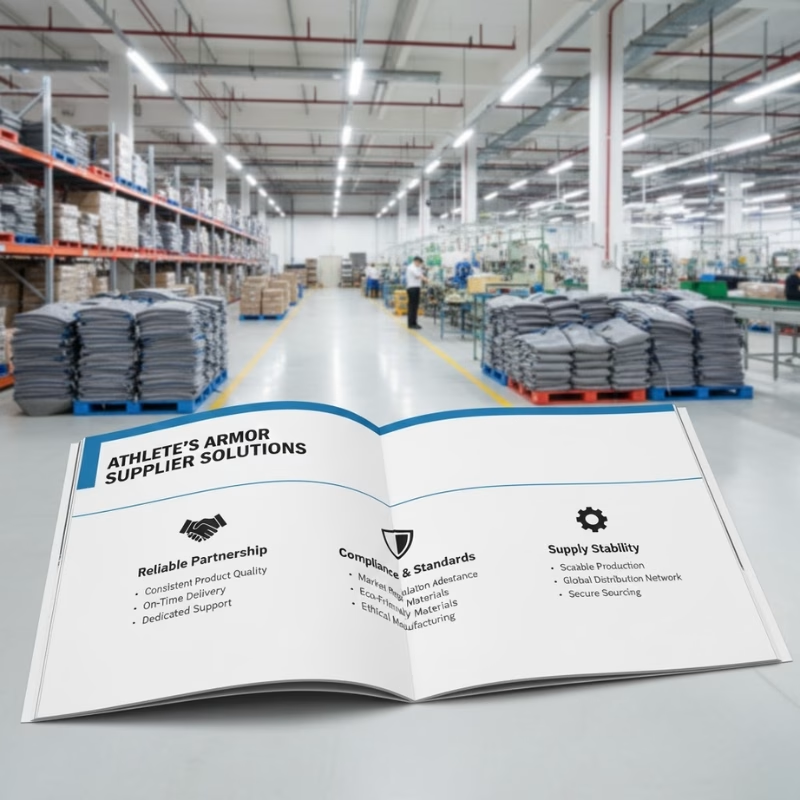
When sourcing washing bags for shoes, evaluate suppliers based on the following key factors:
-
Manufacturing experience: Established manufacturers are more likely to deliver consistent quality, stable production processes, and proven product performance.
-
Material certifications: Ensure materials comply with relevant safety and environmental standards, such as REACH, to meet international market requirements.
-
Customization capabilities: Look for suppliers that offer custom sizes, logos, packaging, and design adjustments to align with brand positioning and functional needs.
-
Global export capability: Experience serving international markets indicates familiarity with logistics, documentation, and regional compliance standards.
A supplier with global reach can better support scaling and long-term partnerships.
As a professional manufacturer serving Europe, North America, South America, Korea, and Japan, we support OEM orders and customized designs to meet diverse market demands. Our focus on environmentally responsible materials and durable construction ensures reliable performance across household and commercial applications.
You can explore our range of professionally designed shoe washing solutions here:
https://laundrymeshbag.com/washing-bags-for-shoes/
FAQs
1. What certifications should a sneaker bag manufacturer provide?
Look for REACH compliance, material safety reports, and durability testing to ensure global market acceptance.
2. Can sneaker bags be customized with logos or sizes?
Yes. OEM manufacturers often offer custom dimensions, branding, zipper styles, and packaging.
3. How many wash cycles should a quality shoe bag last?
High-quality mesh bags can last 200–300 cycles with proper use and care.
4. Is it safe to use shoe bags in industrial washing machines?
Yes, provided the bags use reinforced seams and industrial-grade zippers.
5. What is the minimum order quantity for wholesale sneaker bags?
MOQ varies by design and customization level. Manufacturers typically offer flexible options for long-term partners.
Using a sneaker bag for washing machine is a simple yet effective way to protect footwear, improve cleaning results, and reduce wear on laundry equipment. When selected and used correctly, a purpose-built shoe bag helps maintain shoe shape, extend product lifespan, and support safer washing practices across both household and commercial environments.
With manufacturing expertise dating back to 2014, we specialize in producing durable, environmentally responsible laundry mesh solutions for customers across Europe, North America, South America, Korea, and Japan. Our OEM and custom design services allow brands, distributors, and commercial buyers to source shoe washing solutions that meet specific market and performance requirements.
By investing in quality materials and proven manufacturing standards, businesses and consumers alike can achieve better washing outcomes while protecting both footwear and equipment over time.