
Worn-out sneakers, torn uppers, or a damaged washer drum, that’s the problem many buyers face when they toss footwear into a machine. The agitation, hard knocks, and loose grit can worsen all three. If you want a simple fix, a proper shoes bag for laundry protects shoes, keeps your washer safe, and helps shoes come out cleaner with less wear. This article shows what to buy, why it matters, and how to use shoe wash bags so procurement and product teams can buy the right item for scale or private-label lines.
What is a Shoes Bag for Laundry
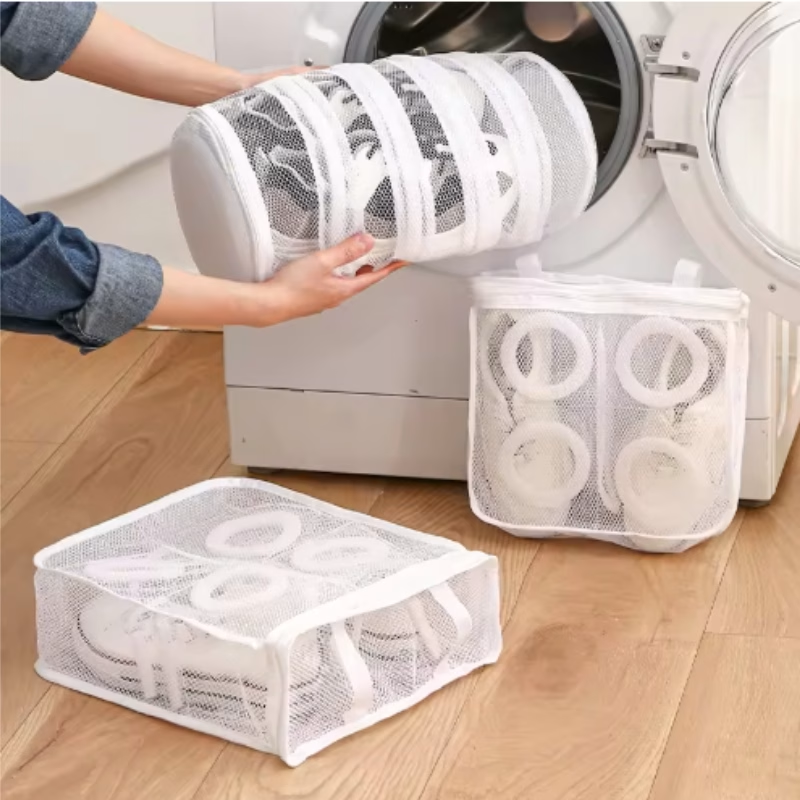
A shoes bag for laundry is a specialized protective pouch, typically made from durable mesh or heavy-duty fabric, specifically engineered to safely contain footwear during machine washing cycles. Unlike regular laundry bags, these bags feature reinforced construction, robust zippers, and strategic padding designed to withstand the weight and impact of shoes tumbling inside a washing machine.
Construction and Materials
Mesh Design: Most quality shoe laundry bags utilize a thick, coarse mesh material that serves multiple purposes. The open weave allows water and detergent to flow freely through the bag, ensuring thorough cleaning while simultaneously providing visibility so you can monitor your shoes during the wash cycle. The mesh also promotes faster drying of the bag itself between uses.
Fabric Variations: Some premium models incorporate dual-layer construction, an outer protective shell made from polyester or nylon combined with an inner mesh lining. This design offers enhanced cushioning while maintaining breathability and drainage.
Closure Systems: Industrial-strength zippers, often with protective flaps or covers, ensure shoes remain securely contained throughout even the most vigorous spin cycles. Some advanced models feature double-zipper systems or Velcro reinforcements for added security.
Size Options: Shoe laundry bags come in various dimensions to accommodate different footwear types from children’s sneakers to adult athletic shoes and even specialized larger bags for boots or high-tops.
Which Shoes are Safe to Machine Wash?
Machine washing works best for shoes made of canvas, nylon, polyester, mesh fabric, and other sturdy textiles. These materials hold their shape well, allow water to pass through easily, and generally tolerate gentle agitation when placed inside a shoes bag for laundry. Trainers, running shoes, lightweight gym shoes, and kids’ textile sneakers are usually safe candidates, especially when washed on a cold, delicate cycle.
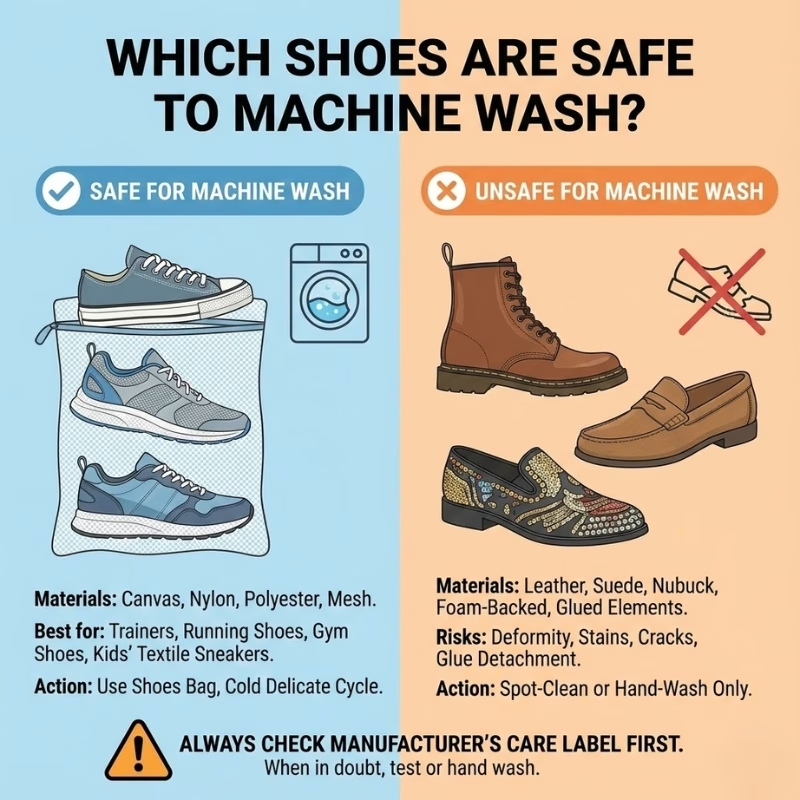
Materials such as leather, suede, nubuck, and certain foam-backed uppers are not suitable for machine washing. These can deform, stain, or crack when exposed to water and detergent for extended periods. Shoes with heavy glue bonding, glued midsoles, or decorative elements (sequins, patches, metallic prints) may also weaken or detach. In these cases, spot-cleaning or hand-washing is the safest option.
Always check the manufacturer’s care label first. Some shoe brands explicitly advise against machine washing, and ignoring these instructions can affect refunds or warranty claims. When in doubt, test-clean a small area or choose manual cleaning to avoid unexpected damage.
Why use a Shoe Wash Bag for Washing Machine
A mesh laundry bag for shoes or shoe wash bag for washing machine adds a layer of protection that standard washing simply cannot provide. When shoes rotate freely inside the drum, they strike the metal walls with force, which can damage both the footwear and the machine. A well-made bag acts as a soft barrier, reducing direct impact and friction so the shoes come out cleaner with less wear on the uppers, midsoles, and stitching.
A proper shoe-washing bag also keeps small stones, dried mud, and loose debris contained. Without one, gravel or grit can detach during the wash and move into the drain system, potentially scratching the drum or affecting the pump’s performance. This is one reason many appliance-care experts recommend placing shoes inside a protective pouch before running a cycle.
For operations and packaging teams, these bags add more than just protection — they improve workflow. Handling is easier because each pair stays organized inside its own pouch. They can be stacked, stored, or bulk-packed more neatly, reducing mix-ups and saving time in warehouses and retail handling.
From a product and merchandising standpoint, shoe washing bags provide an extra touch of value. Brands can position them as a premium accessory, bundle them with footwear, or sell them as an add-on. Custom printing, branded zipper pulls, and tailored packaging give companies a way to increase average order value while reinforcing the brand’s commitment to shoe care and longevity.
Overall, using a dedicated protective bag offers benefits for consumers, retailers, and manufacturers — making the cleaning process safer, tidier, and more marketable.
How to Choose the Right Shoes Bag for Laundry
Selecting the right shoes bag for laundry ensures better cleaning performance, longer product life, and fewer customer complaints. Below are the key factors procurement teams, product managers, and brand developers should evaluate before approving a supplier or placing an OEM order.

Material & mesh type
The durability and effectiveness of the bag depend heavily on the mesh structure. Polyester and nylon are the most reliable fibers because they maintain shape under heat, resist tearing, and dry quickly. For footwear, choose mesh fabric with a strength rating equivalent to 200–300 denier, which provides both flexibility and resilience during repeated wash cycles.
Mesh hole size is equally important. A range of 0.5–1.5 mm allows proper circulation of water and detergent while preventing grit and small debris from escaping into the washer. This balance ensures the shoes clean thoroughly without causing machine damage. For brands targeting premium markets, combining fine mesh on the outer layer with slightly thicker mesh panels on stress zones can deliver stronger performance.
Closure type
The closure mechanism affects both safety during washing and the product’s retail appeal. For washing-machine use, a heavy-duty zipper is the most reliable choice. To minimize snagging, the zipper should have a fabric cover that tucks the pull tab securely during the wash. This design also aligns with the growing demand for a sneaker washing bag with zipper, which reduces noise and keeps the shoes stable.
Drawstring closures are more suitable for storage sets or presentation pouches. They allow branding flexibility and a premium look, especially when paired with a high-density cord and durable toggle. Some brands use zipper bags for washing and offer a drawstring pouch as a bonus accessory for added value.
Reinforced stitching & seams
Shoes are heavier than typical laundry items, so reinforced construction is non-negotiable. Look for:
-
Double-stitched seams along the sides and base
-
Cross-stitch reinforcement at zipper endpoints, where stress concentration is highest
-
Dense thread count that resists fraying over repeated wash-and-dry cycles
These details significantly extend product lifespan, which matters for both wholesale buyers and customers using the bag regularly.
Size options
A single size rarely fits all footwear categories. Offering multiple size options increases usability and retail appeal:
-
Small: kids’ shoes, slim running shoes, lightweight slip-ons
-
Medium: everyday trainers, casual sneakers (most common size)
-
Large: chunkier sneakers, trail shoes, mid-ankle boots
Many wholesale clients prefer assortment packs (2–4 sizes) for retail shelves or e-commerce bundles, as they reduce returns and accommodate more footwear types.
Labeling & testing
Compliance documents are crucial for international buyers. Request the following from your supplier:
-
REACH-compliance certification for all fabric and dye materials
-
Ozone and UV resistance test results for dyed mesh or printed components
-
Washing durability reports for zipper strength and color fastness
Since your company background includes REACH-pass materials, share the certificate proactively to reduce approval delays and help buyers fast-track procurement decisions.
Noise & cushioning
Wash noise is a common complaint when customers wash shoes directly in the drum. To reduce this, consider:
-
A thin inner foam layer for shock absorption
-
Elastic holding straps to secure shoes in place
-
Multi-panel designs that stabilize movement inside the drum
These features provide a quieter wash and elevate the buyer’s perception of quality, making them attractive for premium product lines.
OEM/branding options
Buyers in Europe, North America, and Japan often request fully branded sets. A strong OEM program should offer:
-
Woven labels sewn into the interior seam
-
Printed or woven care tags with washing instructions
-
Custom zipper pulls featuring the brand logo
-
Retail packaging such as kraft boxes, PET windows, or hang cards
-
Color customization for mesh and trims to match brand identity
These additions turn a functional item into a branded accessory that boosts customer loyalty and increases margin potential.
Comparison Table: Common Shoe-Wash Bag Types
| Feature / Bag Type | Mesh laundry bag for shoes | Sneaker washing bag with zipper | Protective shoe laundry pouch (heavy-duty) |
|---|---|---|---|
| Typical material | Polyester/nylon mesh | Reinforced mesh + nylon backing | Thick polyester canvas + mesh window |
| Closure | Drawstring or simple zipper | Strong zipper with guard | Heavy zipper, Velcro flap |
| Best for | Everyday canvas & textile shoes | Most sneakers, machine use | Boots, heavy work shoes, multi-pair |
| Noise control | Moderate | Good (if padded) | Best (padded & reinforced) |
| OEM customization | High | High | Medium |
| Typical MOQ | Low/medium | Medium | Medium/high |
Comparison Table: Buyer Checklist (Technical Specs)
| Spec | Recommended Value |
|---|---|
| Mesh opening size | 0.5–1.5 mm |
| Denier (strength) | 200–300+ |
| Zipper type | YKK-style or equivalent, nylon coil or molded teeth |
| Stitching | Double-stitched, bartack at stress points |
| Wash test | 100 cycles on gentle, cold wash |
| Certifications | REACH, OEKO-TEX (if requested) |
How to Use a Shoes Bag for Laundry Safely
Using a protective shoe laundry pouch correctly helps you clean footwear without risking damage to the shoes or the washing machine. Following a consistent process also reduces returns and customer complaints. Here’s the recommended step-by-step method:
1. Check the shoe label first
Always start by reading the care label inside the shoe or checking the manufacturer’s website. If the label states “do not wash,” avoid machine washing altogether. Materials such as leather, suede, nubuck, and certain foam-backed constructions should never go into the washer because they absorb water, deform easily, or lose color. Safety certifications and consumer testing groups (such as CHOICE) consistently highlight this as the most important step.
2. Pre-clean the shoes
Before placing shoes into the washer, remove as much dirt as possible.
-
Knock the soles together outside to dislodge gravel or compacted mud
-
Use a soft brush to sweep off dust and loose debris
-
Wipe off heavy stains with a damp cloth
Pre-cleaning prevents stones from entering the drum and reduces stress on the pump system.
3. Remove laces and insoles
These components clean better when washed separately.
-
Place laces inside a small mesh pouch or tie them together so they don’t get tangled
-
Insoles should not be machine washed in most cases; instead, wipe them clean or hand-wash and let them air dry
This step improves hygiene and ensures each part dries evenly.
4. Place the shoes inside the bag
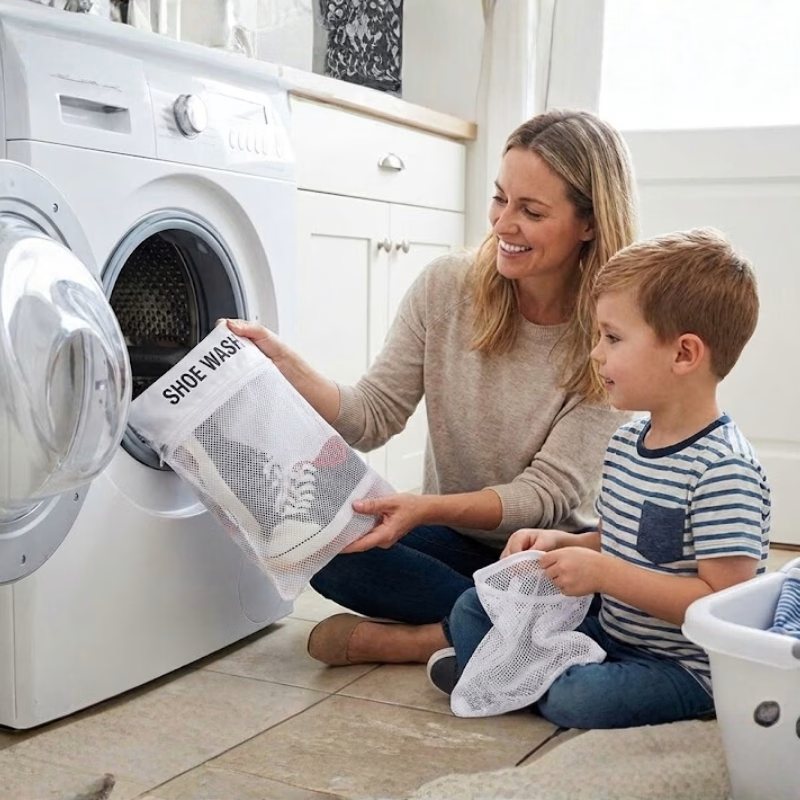
Put each pair into your shoes bag for laundry and secure the zipper. If the model includes internal loops, straps, or elastic stabilizers, use them to keep the shoes in position. This reduces noise, limits friction, and allows the wash water to circulate more effectively.
If the shoes still have small debris inside, shake them out before loading them into the protective shoe laundry pouch.
5. Add towels to the drum
A few towels help balance the load, absorb shock, and reduce impact noise. Towels also prevent the shoes from hitting the drum too hard, which protects both the washing machine and the footwear.
6. Select the correct washing settings
For most textiles and athletic shoes, the safest settings include:
-
Cold water to protect glue, foam, and color
-
Gentle or delicate cycle to minimize agitation
-
Low spin speed to avoid deforming midsoles or pulling stitching
Avoid high-temperature settings and aggressive spin cycles. Appliance experts (such as LG appliance guidelines) consistently recommend low heat and soft agitation for footwear.
7. Dry shoes properly
Once the wash is complete, remove the shoes from the bag and reshape them if needed.
-
Air-dry in a shaded, well-ventilated area
-
If permitted by the shoe label, use tumble dry on air-only or very low heat
-
Avoid direct sunlight and high heat, as they can warp foam midsoles and weaken adhesives
Stuffing shoes with paper towels or mesh shoe forms helps maintain shape while drying.
Benefits of Using a Shoes Bag for Laundry
Using a dedicated shoe laundry bag offers multiple advantages that help protect both your footwear and your washing machine. One of the biggest benefits is damage prevention. During a wash cycle, shoes can hit the drum walls repeatedly, which may scratch the machine or cause dents. A shoe bag acts as a protective barrier, absorbing impact and minimizing the risk of imbalance or vibration that often occurs when heavy shoes move freely inside the drum.

Another key benefit is shape retention. Shoes placed directly in the washing machine are more likely to lose their form, especially lightweight or soft-structured pairs. A high-quality mesh shoe bag prevents excessive twisting and bending, allowing water and detergent to circulate without distorting the shoe’s natural shape. This helps preserve the original fit and overall structure, which is especially important for running shoes, canvas sneakers, and textile-based footwear.
Using a shoe bag also ensures that each pair stays together throughout the wash. Without it, one shoe can easily get stuck behind the agitator or buried under clothes, leading to uneven cleaning or longer drying times. By keeping both shoes contained, the washing process becomes more efficient and consistent.
Noise reduction is another practical advantage. Shoes knocking against the drum can create loud, disruptive sounds that may disturb your household. A shoe bag softens this impact, making the wash cycle much quieter and more comfortable to run at any time of day.
Above all, a shoe laundry bag helps extend the lifespan of your shoes. By providing a gentler cleaning environment, it reduces friction, scuffs, and fabric abrasion. This results in cleaner shoes with less wear and tear compared to washing them unprotected. It’s also a budget-friendly alternative to professional cleaning services, allowing you to maintain hygiene without additional cost.
Overall, using a shoe laundry bag is a simple, effective way to keep your footwear in good condition while safeguarding your washing machine and improving the overall cleaning process.
Common Mistakes to Avoid
Washing incompatible shoe materials: Avoiding common mistakes when washing shoes can make a huge difference in both cleanliness and lifespan. One of the most important errors to avoid is washing incompatible shoe materials. Leather, suede, and shoes with delicate adhesives or decorative elements should never go into the machine. Always check the care label—if the material is sensitive to moisture or heat, opt for hand cleaning instead.
Using hot water: Another frequent mistake is using hot water. High temperatures can warp the shoe structure, shrink fabrics, weaken glue, and cause discoloration. Cold or mildly warm water is much safer and still effective for removing dirt and odors.
Overloading the bag: Overloading the laundry bag is another issue. Packing too many shoes or items into one bag reduces water circulation and prevents proper cleaning. It can also strain the seams of the bag itself. Stick to one pair per bag for best results.
Using harsh detergents or bleach: Detergent choice matters too. Harsh detergents, bleach, or heavy chemical cleaners can damage fabrics, fade colors, and break down adhesives. A mild liquid detergent works best, providing effective cleaning without causing deterioration.
Machine drying shoes: Machine drying is one of the biggest contributors to shoe damage. High heat can cause deforming, cracking, and material separation. Always air-dry shoes naturally, preferably in a well-ventilated area, away from direct sunlight.
Washing shoes too frequently: Washing shoes too frequently can also reduce their lifespan. Even if the washing bag protects the structure, excessive exposure to water and detergent can weaken stitching and cushioning. Clean only when necessary.
Not cleaning the bag itself: Another overlooked mistake is not cleaning the laundry bag itself. Dirt, detergent residue, and lint can build up over time, affecting wash quality and possibly transferring odors to your shoes. Wash the bag regularly to keep it fresh.
Forgetting to zip the bag completely: Forgetting to zip the bag completely can lead to shoes slipping out during the cycle, defeating the purpose of using the bag in the first place. Make sure the zipper is fully secured and locked.
Washing without removing insoles and laces: Finally, always remove insoles and laces before washing. Insoles need separate cleaning and drying, while laces can tangle or prevent shoes from being cleaned evenly. Removing them ensures better hygiene and more effective washing.
By avoiding these mistakes, you’ll keep your shoes cleaner, safer, and longer-lasting.
FAQs (Frequently Ask Question and Answers)
-
Can I wash all sneaker materials in the same shoes bag for laundry?
No. Textile shoes (canvas, polyester, nylon) are generally safe; leather, suede, and delicate glued constructions should be hand-cleaned. Test with manufacturer guidelines first. CHOICE -
What specifications should I require for OEM orders to ensure durability?
Require reinforced seams, a 200–300 denier mesh, YKK-style zippers, and a 100-cycle gentle-wash durability report. Ask for REACH and colorfastness certificates. -
Do zippered sneaker washing bags survive commercial washers in laundromats?
They can, but commercial machines have harsher agitation. Choose a heavy-duty protective shoe laundry pouch and request commercial-cycle testing from the factory. -
How should we label and present washing bags for retail sale?
Use clear icons, care instructions, and a short “how-to” on the hang tag. Offer sizes clearly and mention certifications (REACH) to appeal to EU markets. -
What minimum order quantities (MOQ) should we expect for custom colors and branding?
MOQs vary by supplier and complexity; common ranges are 500–2,000 units for printed branding and 1,000+ for custom zippers or unique packaging. Ask your manufacturer for tiered pricing.
We are a manufacturer established in 2014 specializing in laundry mesh bags, bra laundry bags, shoe washing bags, storage bags, and drawstring mesh. We pass REACH and related tests, accept OEM orders, and offer custom designs and private labeling. If you need sample testing, technical specs, or a tailored quote for shoes bag for laundry products, request a sample or contact our sales team today.