
Baby clothes are small, soft, and often washed again and again. Socks disappear, bibs tangle with towels, and tiny mittens can get stretched, snagged, or trapped inside larger garments. For buyers planning a baby care product range, mesh washing machine bags can be a practical way to protect delicate infant clothing while keeping laundry organized.
The question is not only whether a mesh bag works. The better question is which mesh size, zipper style, fabric weight, and factory controls make the bag suitable for baby clothes. For wholesale programs, private-label ranges, and retail laundry sets, those details shape customer satisfaction, repeat orders, and brand trust.
Established in 2014, our company manufactures laundry mesh bags, bra laundry bags, washing bags for shoes, storage bags, laundry baskets, and drawstring mesh. Customers are located worldwide, with key markets in Europe, North America, South America, Korea, and Japan. OEM orders are welcome, customized designs are available, raw materials are environment friendly, and products can pass REACH and related tests.
Why mesh washing machine bags make sense for baby clothes
Baby clothes are washed often because they deal with milk, food, sweat, drool, and daily mess. Many items are also small. Baby socks, scratch mittens, soft hats, bibs, cotton onesies, muslin pieces, and lightweight pajamas can twist around larger laundry loads during machine washing.
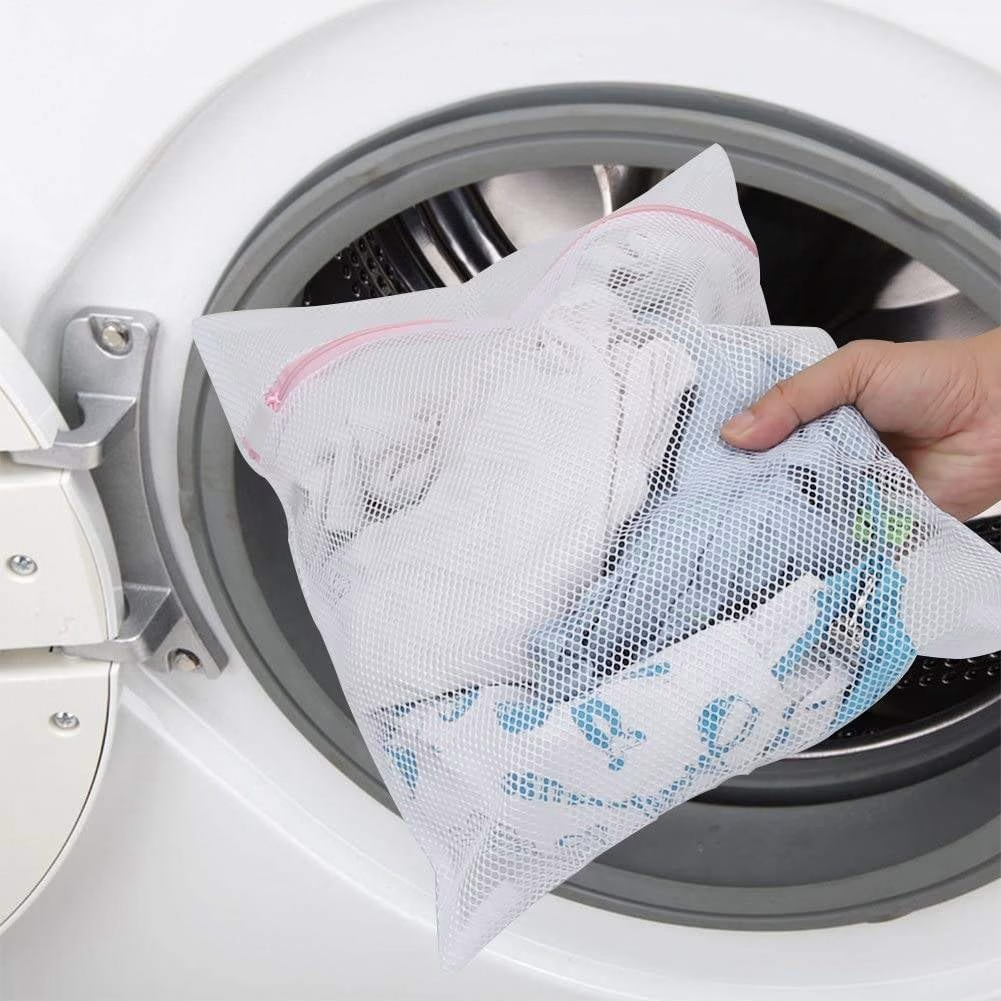
A mesh laundry bag creates a gentle barrier. Water and detergent can still move through the mesh, but the garment has less direct contact with rough seams, zippers, hooks, and heavy fabrics. This is useful when baby clothing is mixed with family laundry or nursery laundry in a shared washing routine.
For buyers, the product value is easy to explain. Parents and caregivers do not need a complex tool. They place baby garments inside the bag, zip it closed, wash with similar colors, and remove the items after the cycle. A simple product solves several daily laundry problems:
- Helps keep tiny garments together
- Reduces stretching during spin cycles
- Helps protect embroidery, lace, trims, and snaps
- Keeps socks and mittens from getting lost
- Helps organize baby laundry by garment type
- Adds perceived care value to baby textile ranges
For procurement teams, the main decision is not whether mesh bags can be used for baby clothes. They can. The stronger buying question is how to match bag construction to the intended use.
Fine mesh is often preferred for smaller garments because it helps prevent small hooks, buttons, or trims from catching. Coarse mesh can be useful for larger, less delicate garments that need more water flow. Zipper quality also affects user experience because parents do not want a zipper that opens during washing.
A baby-focused laundry bag should feel soft, washable, and stable after repeated use. It should also be easy to handle with one hand, because many parents manage laundry while caring for a child. Small details, from zipper cover design to fabric edge binding, can shape the product’s daily value.
What baby garments benefit from laundry bag protection?
Not every baby garment needs the same level of protection. A thick cotton towel can usually handle normal washing, while a tiny pair of socks or a soft embroidered outfit benefits from being separated inside a mesh bag. For product managers building a baby laundry care range, it helps to group garments by risk.
Baby laundry items often fall into three groups: small items, delicate items, and daily washable basics. Each group can use a slightly different bag size or mesh type.
| Baby laundry item | Common washing issue | Suggested bag type |
|---|---|---|
| Socks and mittens | Easy to lose in mixed loads | Small fine mesh zipper bag |
| Bibs and burp cloths | Straps may twist or tangle | Medium fine mesh bag |
| Onesies and pajamas | Snaps can catch other fabrics | Medium or large zipper bag |
| Hats and soft accessories | Shape may stretch | Small or medium soft mesh bag |
| Embroidered baby outfits | Surface details can snag | Fine mesh with covered zipper |
| Baby blankets | Need room to move | Large or extra-large mesh bag |
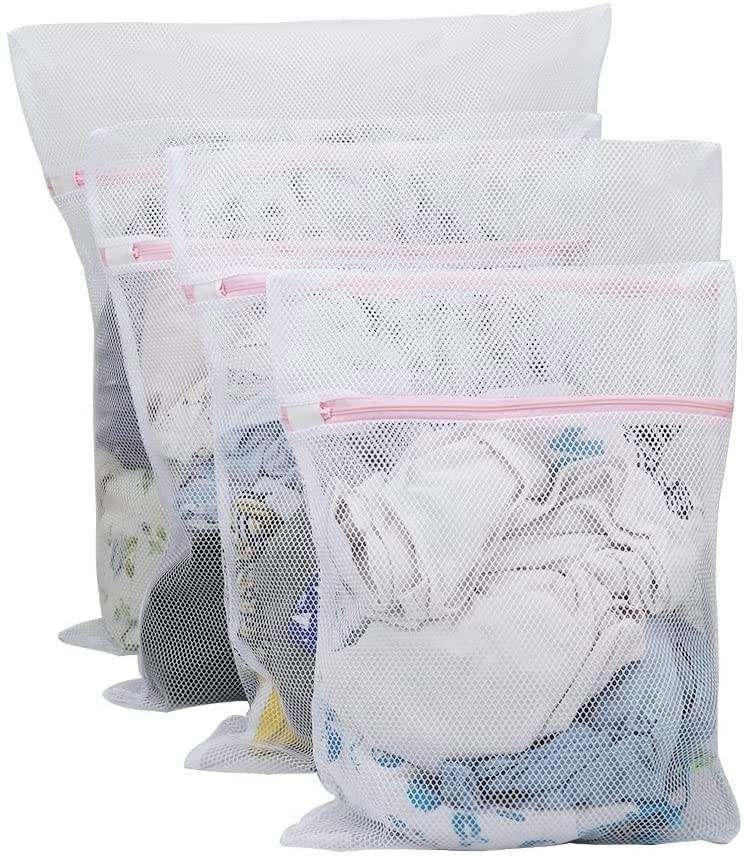
The size of the bag should allow garments to move. Overfilling is a common user mistake. If the bag is packed tightly, detergent and water may not circulate well. A better user experience comes from choosing a bag that leaves some room around the garments.
This is where set-based products are useful. A pack with small, medium, and large sizes gives families more flexibility. A buyer can position the set for baby clothes, maternity laundry, travel, or general household washing.
For example, a mixed-size option like a set of 3 colorful mesh laundry bags can help customers separate baby socks, bibs, and soft tops in one wash. A fuller retail set, such as a set of 7 fine mesh laundry bags, supports a broader household laundry routine.
Professional buyers should also think about packaging language. Instead of only saying “laundry bag,” describe clear use cases: baby socks, infant bibs, soft pajamas, delicate cotton pieces, nursery laundry, and travel packing. These phrases help shoppers understand the value faster.
How to choose mesh washing machine bags for procurement
When buyers source mesh washing machine bags, the goal is to choose a product that looks simple to the end user but is well planned behind the scenes. A bag may seem basic, yet fabric density, zipper structure, stitching, binding tape, size tolerance, shrinkage, color control, logo placement, and packaging all affect the finished product.
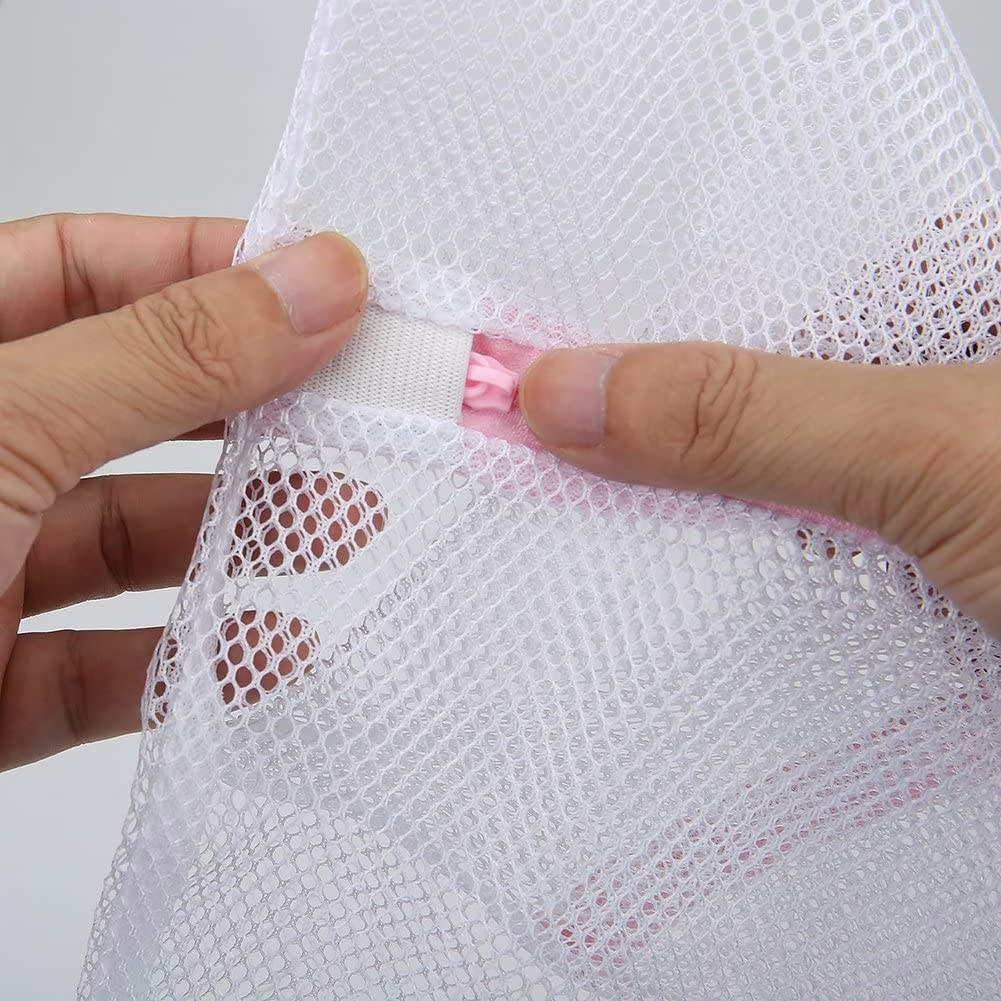
Start with the wash use case. Baby clothing usually needs a softer, gentler laundry experience than shoe washing bags or heavy storage bags. That means the mesh should not feel rough against soft cotton. The zipper should close smoothly. The zipper pull should be protected so it does not hit the washing machine drum or catch other garments.
Buyers should review these specifications before confirming an order:
| Specification | What to check | Why it affects baby laundry use |
|---|---|---|
| Mesh type | Fine mesh, coarse mesh, sandwich mesh | Controls water flow and garment protection |
| Fabric weight | GSM or material thickness | Affects hand feel and durability |
| Zipper design | Auto-lock, covered zipper, zipper garage | Helps prevent opening during washing |
| Stitching | Edge binding and seam consistency | Helps the bag hold shape after repeated wash cycles |
| Size range | Small, medium, large, extra large | Supports different garments and retail set plans |
| Color | White, neutral, pastel, custom colors | Matches baby care positioning |
| Logo method | Embroidery, label, print, woven tag | Supports private-label presentation |
| Packaging | OPP bag, insert card, color box, custom set | Affects retail display and user education |
If the product will be sold for baby clothes, avoid rough trims and sharp zipper details. A covered zipper end is a small design feature, but it has clear user value. It helps keep the zipper head tucked away during washing.
Customization can also support product line planning. A private-label baby laundry set may include soft colors, simple washing instructions, and a printed size guide. OEM orders can be developed around target markets, sales channels, and packing needs. For buyers reviewing broader choices, the laundry mesh bag product range is a useful starting point for comparing shapes, materials, and use cases.
Size planning for large mesh washing machine bags
Small baby garments need protection, but buyers should not overlook larger items. Baby blankets, crib sheets, swaddles, muslin cloths, stroller liners, and soft play mats may need more space than a small laundry pouch can provide. This is where large mesh washing machine bags and extra-large formats become useful.
The purpose of a larger bag is not to stuff more items into one pouch. It is to give bigger textiles enough room to move while still being protected from direct friction. A full bag can reduce wash performance, so size planning should balance capacity and water movement.
Here is a simple sizing view for baby-oriented product planning:
| Bag size | Suitable items | Buyer note |
|---|---|---|
| Small | Socks, mittens, hats | Strong add-on item for baby care sets |
| Medium | Bibs, onesies, pajamas | Core size for daily baby laundry |
| Large | Baby blankets, swaddles, crib sheets | Useful for family laundry and nursery ranges |
| Extra large | Multiple soft textiles, larger bedding pieces | Good for value packs and household sets |
For retailers and wholesalers, sets can perform well because they reduce the need for shoppers to choose one exact size. A product line might include three small bags for socks and bibs, two medium bags for clothing, and one large bag for blankets. This makes the set easier to explain on packaging and in product listings.
The phrase extra large mesh laundry bags for washing machine use often appears in searches from customers who need more capacity. These buyers may not only be washing baby clothes. They may also want laundry bags for family garments, bedding, knitwear, or travel storage. A baby care brand can include extra-large bags as part of a family laundry solution.
A product such as a set of 5 thickened white coarse mesh laundry bags may fit larger household laundry uses, while a fine mesh option is better for tiny garments and delicate baby fabrics. For a balanced range, buyers can include both fine and coarse mesh options with clear product descriptions.
Material and compliance checks for baby-oriented ranges
Baby-related laundry products need careful material planning. Buyers often ask about mesh softness, dye safety, zipper strength, color fastness, odor, and test support. Since baby clothes touch sensitive skin, customers may judge laundry accessories more closely when they are sold in the baby care category.
Our company uses environment friendly raw materials and can support REACH and related tests. REACH is the European Union’s chemical regulation designed to protect people and the environment from risks linked to chemical substances, according to the European Commission’s REACH Regulation overview.
For buyers selling into Europe, REACH-related documentation can support importer confidence. For North America and other markets, buyers may also review textile care guidance and labeling expectations. The U.S. Federal Trade Commission explains that care instructions are required for many textile wearing apparel products and certain piece goods under its Care Labeling Rule guidance.
A laundry bag itself is not a baby garment, but clear care instructions still help reduce customer complaints. Good packaging can tell users to:
- Separate colors before washing
- Do not overload the mesh bag
- Close the zipper fully before washing
- Use a gentle cycle for delicate garments
- Avoid washing sharp objects with baby clothes
- Air dry the bag when needed
Material choices also affect product positioning. Fine mesh often looks softer and more suitable for delicate garments. Coarse mesh can feel more breathable and can work well for larger textile items. Sandwich mesh may create a thicker feel for specialty designs. A Korea-style sandwich mesh laundry bag can be considered when buyers want a different structure and hand feel.
For baby-focused retail ranges, white, cream, light gray, pastel blue, pastel pink, and soft green can work well. The final color choice should match the brand’s packaging and target market. When using dyed materials, buyers should ask about color consistency and test options during sampling.
Product options for mesh laundry bags for washing machine programs
A buyer’s product range can include one hero item or several coordinated items. For baby clothes, the strongest approach is often a size-based set with fine mesh bags. It offers daily value, looks giftable, and supports many laundry uses beyond baby garments.
For a soft baby laundry range, consider these product directions:
Fine mesh sets for delicate baby clothing
Fine mesh works well for small and delicate garments. It helps protect baby socks, mittens, bibs, soft pajamas, cotton tops, and embroidered items. A set of 7 thickened fine mesh bags can support a broader laundry set with multiple sizes.
The white thickened fine laundry bag for wholesale is a clean option for brands that want a simple, neutral look. A white fine mesh bag also photographs well for online listings and can fit many packaging styles.
Colorful laundry bag sets for family organization
Color helps users separate garment types. Parents can use one color for socks, one for bibs, and another for delicate tops. A colorful thickened fine mesh laundry bag option can support retail ranges aimed at organization and easy sorting.
Color-coded sets can also be useful for families with more than one child. Clear packaging instructions can suggest sorting by garment type or child.
Zippered bags for daily washing
For baby clothes, zipper control is a major feature. A bag from the laundry bag with zipper range can help buyers compare zipper designs and bag shapes. Zipper bags are widely understood by shoppers and easy to use.
Small bags for tiny garments
Tiny garments are one of the strongest reasons parents buy laundry bags. A small laundry bag can be positioned for baby socks, mittens, nursing pads, hair accessories, and other small washable items.
Custom logo and OEM sets
For private-label programs, logo placement can be done through embroidery, labels, or other custom methods depending on the design. The thickened white mesh laundry bag with embroidered logo and the custom logo thickened coarse mesh laundry bag set show how branding can be added while keeping the product practical.
Buyers planning a wider household laundry range can also review the laundry bag set category for set planning ideas.
How buyers can create a stronger baby laundry set
A single laundry bag can sell, but a planned set often creates a clearer product story. Buyers can create a baby laundry set around garment protection, small-item organization, and gentle washing. The set should feel useful from the first day of use.
A balanced baby laundry bag set may include:
- 2 small fine mesh bags for socks, mittens, and hats
- 2 medium fine mesh bags for bibs, onesies, and pajamas
- 1 large mesh bag for swaddles or small blankets
- 1 printed care card with simple washing tips
- 1 branded packaging bag or box
The care card can improve customer experience. It can show how full the bag should be, how to close the zipper, and which garments fit each size. This type of instruction reduces misuse and helps customers feel that the product was designed with real laundry routines in mind.
Packaging also affects retail value. For baby-oriented products, soft colors, clear icons, and simple garment examples can work better than heavy technical language. A buyer can show baby socks, bibs, pajamas, and blankets on the front panel. The back panel can include material, size, washing guidance, and safety notes.
Customization options can include:
- Custom sizes
- Custom colors
- Logo label or embroidery
- Printed packaging insert
- Retail barcode sticker
- Multi-pack set layout
- Market-specific language versions
- Material and test documentation support
For buyers who want a neat visual identity, embroidered or labeled mesh bags can help the product feel more complete. A sandwich carton cleaning fine mesh laundry bag with embroidery offers one example of how embroidery can be used in a mesh laundry product.
Sampling is recommended before volume order confirmation. A sample round lets buyers test zipper feel, fabric softness, bag size, packaging layout, and logo position. It also allows product teams to check whether the bag sizes match real baby garments in the target market.
Sourcing directly from the original manufacturer
When buyers purchase mesh laundry products, supplier type affects communication, sampling, customization, and long-term order stability. Working directly with the original manufacturer gives buyers clearer access to product details, material options, production feedback, and OEM development.
Our company has manufactured laundry mesh bags and related products since 2014. The product range includes laundry mesh bags, bra laundry bags, washing bags for shoes, storage bags, laundry baskets, and drawstring mesh. Customers are located worldwide, including Europe, North America, South America, Korea, and Japan.
For baby clothes, direct factory communication can help buyers confirm:
- Which mesh type is better for the garment range
- Which sizes should be included in the set
- Whether fine mesh or coarse mesh suits the product goal
- How the zipper cover should be designed
- Which packaging format fits retail or wholesale plans
- Whether custom logo, color, and label options are needed
- Which test support is available for the target market
A direct manufacturer can also help adjust designs before production. When the first sample feels too stiff, the mesh can be reviewed. For a zipper pull that feels too large, another zipper option can be considered. To avoid an overly complex set, the size mix can be simplified before order confirmation.
This is valuable for buyers planning mesh laundry bags for washing machine categories across baby care, home care, travel, and garment protection. One product can support several sales angles when the specification is planned well.
A strong baby laundry bag is not only a pouch. It is a small daily-use product that protects garments, helps parents stay organized, and gives retailers a practical item with repeat purchase potential. For inquiry, quote requests, samples, or OEM development, reach out to the original manufacturer and get direct access to the source. Our team can help review sizes, mesh type, logo options, packaging plans, and test requirements before production.
Frequently Asked Questions
1. What sizes work best for baby clothes?
Small and medium bags work best for daily baby clothes. Small bags are suitable for socks, mittens, and hats, while medium bags fit bibs, onesies, and pajamas. Large bags are useful for swaddles, crib sheets, and baby blankets.
2. How can buyers customize laundry bag sets?
Buyers can customize size, color, logo, mesh type, packaging, and set quantity. OEM orders are welcome, and designs can be adjusted for private-label programs. Contact us to request samples and review available customization options.
3. Can materials pass REACH related tests?
Yes, our products can pass REACH and related tests based on buyer requirements. We use environment friendly raw materials and can discuss documentation needs during sampling or order planning. Reach out for detailed specifications for your target market.
4. Do you provide samples before volume orders?
Yes, samples can be arranged before volume production. Sampling helps buyers check mesh softness, zipper quality, size mix, logo placement, and packaging design. This is especially useful for baby-oriented laundry product ranges.
5. What lead times should buyers expect?
Lead time depends on order quantity, customization, packaging, and material availability. Standard styles are usually faster than fully customized OEM sets. Send your target quantity and design details to receive a clearer production schedule.