
When a batch of clean laundry comes out tangled, misshapen, or already showing wear, it’s more than a small annoyance. For busy households, hotels, or laundry services, it means shorter garment life, higher replacement costs, and more time spent sorting out damaged pieces. A simple change in how you wash can make a noticeable difference: using mesh laundry bags for washing machine care as part of a clear, repeatable routine.
This article walks through, step by step, how to use mesh laundry bags for washing machine cycles so garments stay protected, sorted, and easier to manage. You’ll see how different bag types work, how to build a practical washing process, and what to pay attention to when you’re choosing suppliers, especially if you’re buying for a team, a hotel, or a retail brand.
Established in 2014, our company focuses on laundry mesh bags, washing bags, laundry baskets, storage boxes, and dirty clothes baskets. With customers across Europe, North America, South America, Korea, and Japan, we see daily how small improvements in washing practice help both end users and procurement teams get more value from every garment.
Why mesh laundry bags for washing machine care matter
Mesh laundry bags act as a soft barrier between garments and the inside of the washing machine. Instead of fabrics rubbing directly against the drum, zippers, and hooks, they move inside a protective layer. That’s especially useful for embroidered items, delicate fabrics, and garments with trims or hardware.
When you use mesh laundry bags for washing machine loads, you:
- Reduce friction and surface wear on fabrics.
- Protect lace, elastic, and straps from snagging.
- Keep small items together instead of losing them in the machine.
- Make sorting and handling easier for staff or family members.
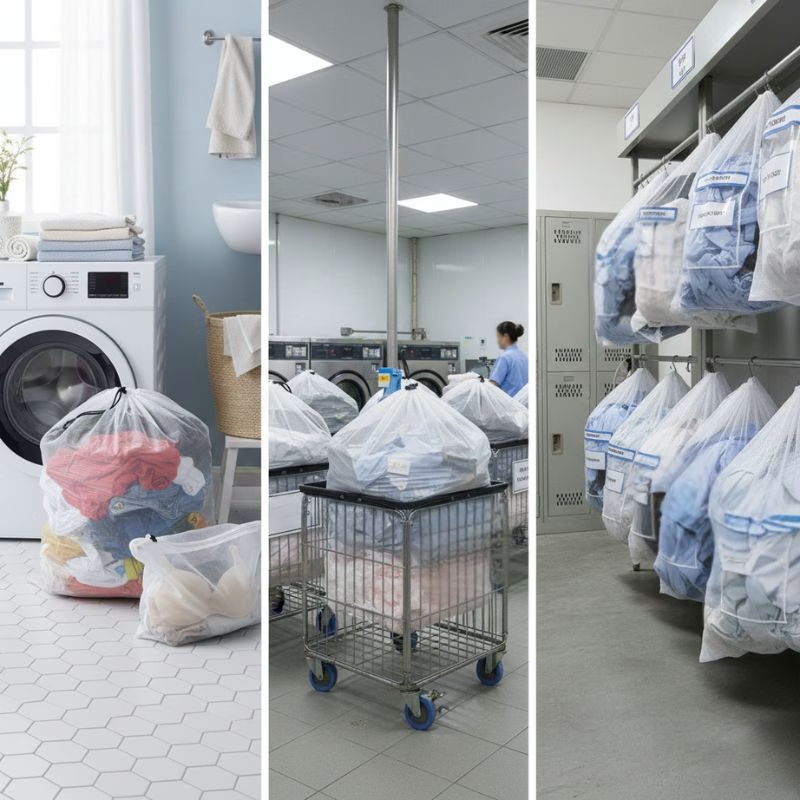
For laundry rooms that handle many different fabric types in one day, this kind of basic control over the wash process is valuable. Staff can see at a glance which bags contain delicates, which hold heavier garments, and which belong to specific rooms, departments, or wearers.
washing with and without mesh bags
| Aspect | Without mesh bag | With mesh laundry bags for washing machine |
|---|---|---|
| Fabric friction | Higher, more direct rubbing on drum | Lower, bag absorbs some of the impact |
| Risk of snagging | Greater for lace, hooks, and zippers | Reduced, items stay inside the bag |
| Sorting after wash | Mixed items, more time to separate | Items grouped by bag or user |
| Loss of small pieces | Socks and small garments can disappear | Items held inside a closed mesh bag |
| Consistency between cycles | Depends on who loads the machine | More consistent handling by using a system |
For anyone managing large volumes of laundry, even small improvements in consistency can add up to fewer complaints, fewer damaged items, and smoother daily work.
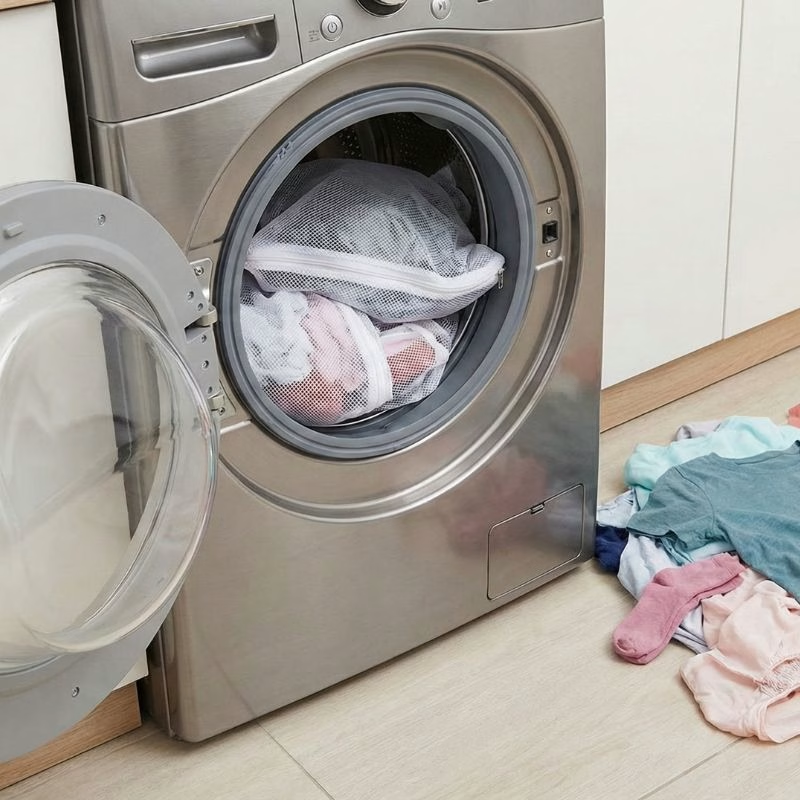
How to choose the right mesh washing machine bags
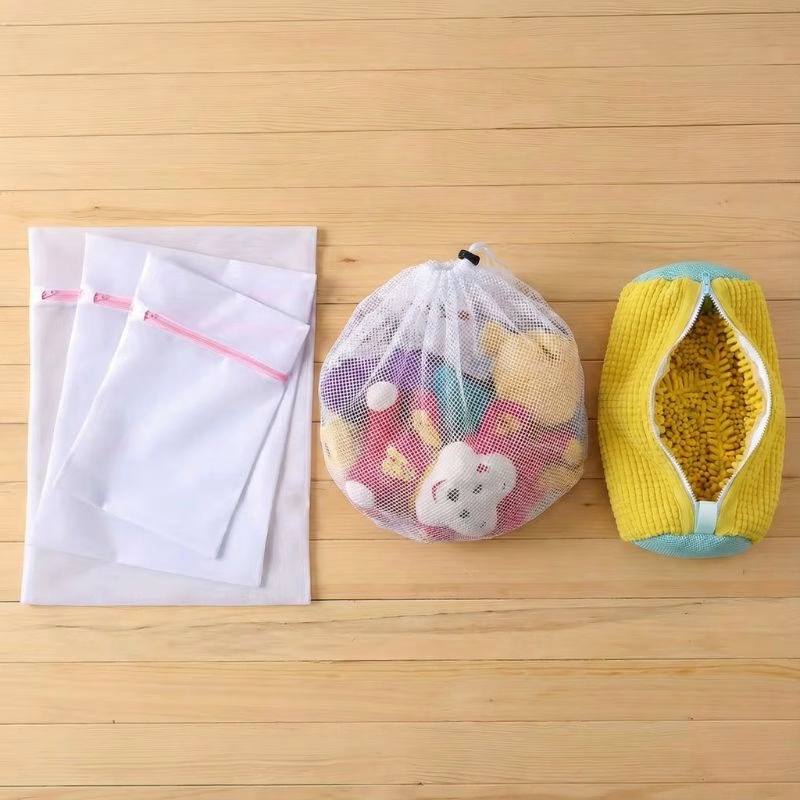
The term mesh washing machine bags covers many products: small zip pouches, large drawstring sacks, fine mesh sleeves for lingerie, and heavy duty solutions for bulky garments. Choosing the right mix of bags helps you protect fabrics without slowing down daily operations.
Key selection factors
When you review options or compare samples, focus on:
- Mesh density and strength – Fine mesh offers better protection for delicate items, while stronger mesh is suitable for heavier loads and repeated use.
- Bag size and shape – Smaller bags are ideal for undergarments or accessories, while larger bags suit sweaters, uniforms, or mixed garments from a single room or wearer.
- Closure type – Zippers with covered ends help avoid scratching the drum. Drawstring closures can work well for bulkier loads if they’re securely tied.
- Material and testing – Environment-friendly raw materials that can pass REACH and similar tests are important where regulations apply or where buyers want reassurance about safety and compliance.
Because our company manufactures laundry mesh bags, washing bags, and related products, we hear similar requests from wholesale customers around the world. Many prefer a mix of fine mesh and heavy duty mesh laundry bags so they can handle delicate items and heavy workwear within the same overall system.
Matching bag types to use cases
The table below outlines some common options and where they fit best.
| Bag type | Typical use case | Suitable items |
|---|---|---|
| Small fine mesh bag | Underwear, light tops, children’s clothes | Bras, T-shirts, baby clothes |
| Medium delicates bag for washing machine | Mixed light garments that need extra care | Blouses, light knitwear, delicate lounge garments |
| Large mesh washing machine bags | Grouping garments by room, wearer, or department | Mixed clothing from a single household or guest room |
| Heavy duty mesh laundry bags | Frequent washing of heavier items | Towels, workwear, uniforms, thicker garments |
| Sock bag for washing machine | Small garments that are easily lost | Socks, small towels, reusable makeup pads, small items |
If you’re supplying hotels, clinics, or retail brands, combining several types in one program allows staff to adapt quickly to different garment types while still following a simple standard.
Step-by-step process: using mesh laundry bags for washing machine loads
Once you have the right bags, the goal is to turn them into a habit. A clear, step-by-step routine makes it easier for laundry staff, family members, or tenants to use mesh laundry bags for washing machine care without extra training.
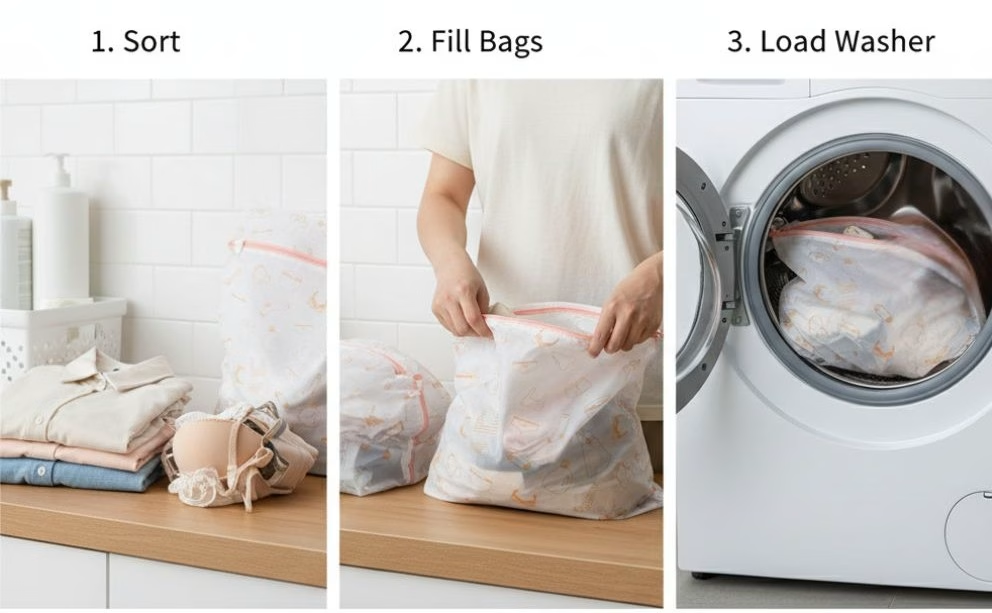
Step 1 – Sort garments and choose the right bag
Start by sorting laundry not only by color and fabric weight, but also by how fragile the items are.
- Use washing machine bags for delicates for lace, fine knits, blouses, and any garment that has embellishments or light trims.
- Place very small items into a sock bag for washing machine loads so they don’t disappear into the drum or get stuck in door seals.
- Reserve heavy duty mesh laundry bags for towels, thick garments, or uniforms that face frequent washing.
At this stage, clear baskets or labels near the machine help everyone remember which garments belong in which bag.
Step 2 – Load garments into the right mesh bag
- Open the bag fully so the fabric can move around inside during the wash.
- Place compatible garments together: avoid mixing heavy jeans with fine lingerie in the same bag.
- Fill each bag to around two-thirds capacity so water and detergent can move freely.
- Close zippers completely and tuck the zipper pull into any protective cover. If you use drawstrings, double-knot them to keep the bag closed.
Step 3 – Place mesh bags in the washing machine
- Load the prepared bags into the drum first, then add any remaining, more durable loose items.
- Keep the machine comfortably filled but not packed. Overloading reduces cleaning and rinsing performance.
- If you use different bag sizes, place the heavier mesh washing machine bags at the back of the drum to help distribute weight.
Step 4 – Set temperature, cycle, and detergent
- Follow garment care labels for temperature guidelines.
- Use a detergent that suits the fiber type and soil level; for example, mild detergent for delicates and standard detergent for towels and everyday wear.
- Select a gentle cycle when washing delicates and a standard or stronger cycle for heavier items placed in heavy duty mesh laundry bags.
- Avoid harsh bleaching agents unless garments are specifically designed to handle them.
Step 5 – Unload, dry, and check the results
- Remove mesh bags from the drum as soon as the cycle finishes so garments don’t crease more than necessary.
- Open each bag and shake out the garments.
- Dry according to the care labels. Some items can be tumble dried, while others should be air dried.
- Check seams, zippers, and delicate areas. Over time, you’ll get a sense of how many cycles certain garments can handle before they need to be replaced.
You can explore our full collection here:
👉 Our Products
👉 Laundry Mesh Bag Details
Special care: delicates, socks, and small accessories
Some items are more vulnerable than others. Delicate fabrics, intricate lace, and small accessories all benefit from extra care and tailored use of mesh bags.
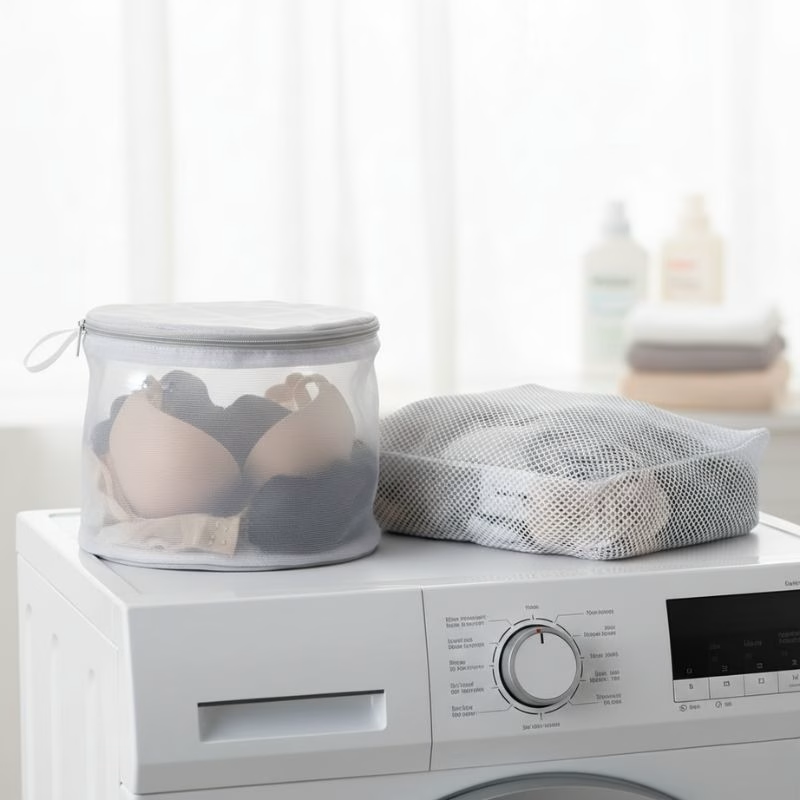
Using a delicates bag for washing machine protection
A dedicated delicates bag for washing machine care is ideal for garments that tear easily or lose shape quickly. Think of silk blouses, lightweight knitwear, or lingerie with thin straps.
- Place similar fabrics together so they move in a coordinated way.
- Fasten hooks and zips before placing garments in the bag.
- Combine delicates by color group to avoid unnecessary dye transfer.
Many households and commercial laundries rely on washing machine bags for delicates as a simple way to reduce returns, complaints, and garment damage.
Keeping track of socks and smaller pieces
Socks and small accessories are easy to lose in busy laundry cycles. A sock bag for washing machine loads helps keep sets together and reduces time spent matching items. It also stops small pieces from lodging in machine filters or pipework, which can reduce maintenance calls over time.
For small accessories and specialty items:
- Group items by color and use a dedicated small bag for each color group.
- Use clear tags or printed labels on bags so staff can see which items are inside without opening them.
- Assign specific bags to guests, rooms, or team members where traceability matters.
Practical washing scenarios using mesh laundry bags
The way you use mesh laundry bags in a family home is not always the same as in a hotel, a shared laundry room, or a garment rental program. Adapting your approach slightly to each situation helps people follow the system and get reliable results.
Home and small rental properties
In homes and small rental properties, the main aim is convenience with a basic level of garment protection.
- Keep one or two mesh washing machine bags in each bedroom or bathroom for collecting delicates.
- Use a clearly labeled delicates bag for washing machine loads so garments like lingerie and light knitwear are still easy to identify.
- Encourage guests or family members to place socks and very small pieces in a dedicated sock bag so no items are lost.
For short-term rentals, providing a couple of mesh bags as part of the laundry setup can also reduce the risk of guests damaging linens or decorative cushions when they wash them.
Hotels, hostels, and shared facilities
In larger properties or shared laundries, consistency and traceability become more important.
- Assign one or more mesh washing machine bags to each room or resident.
- Use color codes or labels on the bags so staff can quickly see where each bag belongs.
- Choose heavy duty mesh laundry bags for repeated use in commercial machines and higher temperature cycles.
This approach helps avoid mix-ups between different rooms or users. It also reduces handling time, because dirty items can be loaded into the machine directly in their bags, then returned to the same room after washing.
Workwear and uniform programs
When you manage uniforms, workwear, or branded garments, mesh bags help improve both garment life and process control.
- Group garments by wearer or department in labeled mesh bags.
- Use washing machine bags for delicates for garments with printing, reflective tape, or added trims.
- Keep a stock of heavy duty mesh laundry bags for thicker garments like jackets or overalls.
Combined with simple tracking—such as basic wash-count records or periodic inspections—this can reduce unplanned replacement orders and help buyers plan garment lifecycles more accurately.
Quality, testing, and sourcing considerations for mesh laundry bags
For individual users, any basic mesh bag may feel similar at first glance. For buyers, importers, and brand owners, however, the quality behind each bag matters: material, stitching, and testing all influence performance over time.
Material and environmental standards
Because mesh bags are used directly with garments and water, material choice is important. Environment-friendly raw materials, designed to pass REACH and other relevant tests, support both regulatory compliance and customer confidence.
Established in 2014, our company focuses on manufacturing laundry mesh bags, washing bags, laundry baskets, storage boxes, and dirty clothes baskets. With customers across Europe, North America, South America, Korea, and Japan, we’ve seen how different markets place growing attention on safety testing and traceability.
When you review samples or proposals, you may want to ask:
- Which specific materials are used for the mesh and closures?
- Can the supplier provide test reports for REACH and similar standards where required?
- Are there options for recycled or lower-impact materials if your organization has sustainability goals?
Construction details and durability
Good design helps mesh washing machine bags stay in use longer and perform more consistently.
- Double-stitched seams reduce the risk of splits under heavier loads.
- Reinforced corners help bags handle repeated cycles in larger machines.
- Zippers with covered ends prevent scratching the drum or snagging garments.
- Drawstrings made from strong but flexible fibers are easier to tie and untie.
By combining light-duty and heavy duty mesh laundry bags in your range, you can assign the right construction level to each use case instead of over-specifying every bag.
OEM, customization, and branding
Many wholesale customers need mesh bags matched to their own system or brand. OEM orders and customized designs can include:
- Custom bag sizes to fit specific machines or garment types.
- Different mesh densities for delicate and heavy garments.
- Print or label options for logos, room numbers, or garment codes.
- Bundled sets that combine, for example, a delicates bag, a standard mesh bag, and a sock bag for washing machine loads.
Clear communication at the sampling stage makes it easier to lock in specifications that work for your process, reduce rework, and support long-term cooperation.
Working with a manufacturer of mesh laundry bags for washing machine use
Choosing the right supplier for mesh bags is not only about price. Reliability, testing, and the ability to support custom designs often matter just as much.
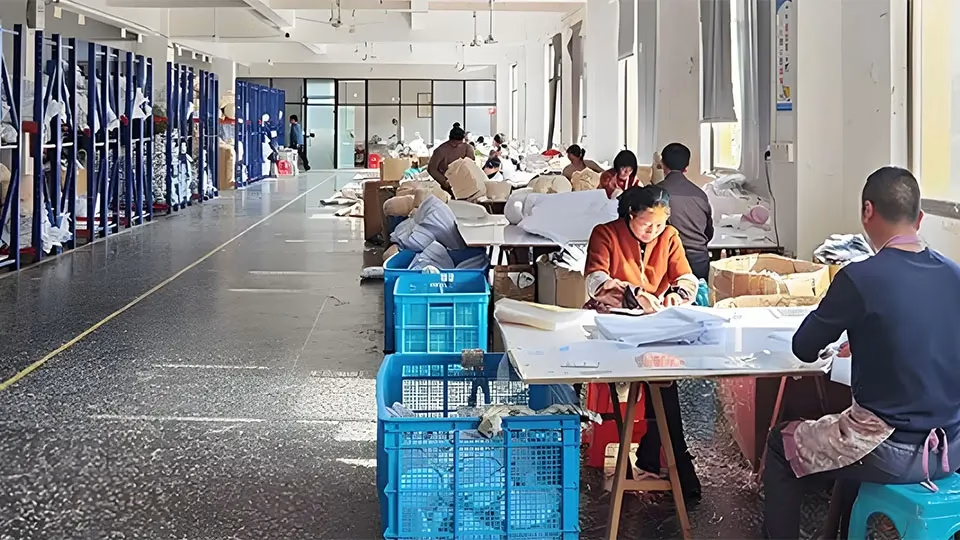
As an original manufacturer, we work directly with buyers, trading companies, and brand owners who need mesh laundry bags, washing bags, laundry baskets, storage boxes, and dirty clothes baskets tailored to their markets. Having direct access to production means specifications, testing requirements, and packaging details can be discussed and adjusted more easily.
When you evaluate potential partners, it can help to consider:
- Whether they can provide consistent quality across repeated orders.
- How they manage lead times and shipment planning for your key markets.
- Which test reports, certifications, or audit results are available for review.
- Whether they can support OEM projects with custom sizing, labeling, and packaging.
If you’re planning a new program that relies on mesh laundry bags for washing machine care—whether for household products, guest amenities, or workwear support—aligning early with a manufacturer can make your project more predictable from sampling through to final delivery.
From there, the combination of a reliable product and a clear washing routine can help you protect garments, reduce complaints, and present a more organized laundry process to everyone who depends on it.
FAQ
1. How should we use washing machine bags for delicates?
Washing machine bags for delicates work best when they’re used regularly, not just for special loads. Place similar delicate garments together, close zippers or drawstrings securely, and follow care labels for temperature and cycle. This helps reduce fabric damage and supports more consistent results over time.
2. What should buyers check when sourcing mesh washing machine bags?
Buyers should review material specifications, mesh density, stitching quality, and test reports such as REACH or similar standards. It’s also helpful to confirm whether the supplier can provide samples, customization options, and clear information on lead times. Contact us to request product details or discuss custom designs.
3. Can heavy duty mesh laundry bags be used in commercial machines?
Yes, heavy duty mesh laundry bags are designed to handle repeated washing in larger machines and at higher loads. They are suitable for towels, uniforms, and other heavier textiles when sized correctly. If you’re unsure which construction level fits your equipment, you can ask for guidance and test samples.
4. How can a sock bag for washing machine loads reduce losses?
A sock bag for washing machine use keeps small garments together so they don’t disappear in the drum, pump, or pipework. By assigning one bag per person, room, or department, you can reduce the time spent matching socks and small items after each wash. Contact us if you’d like to include sock bags in a customized order.
5. Do delicates bag for washing machine products affect washing performance?
A delicates bag for washing machine care is designed to let water and detergent pass through while limiting mechanical stress on garments. When bags are filled to a reasonable level and placed in a balanced load, cleaning performance remains effective while fabrics receive extra protection. If you have specific fabric types in mind, we can help recommend suitable mesh options.
plan your mesh laundry bag program
If you’re reviewing how to protect garments, organize laundry processes, or launch a new product line, mesh laundry bags for washing machine use can play a quiet but important role. The right mix of bag types, a clear routine, and a reliable manufacturing partner helps garments last longer and makes day-to-day laundry work easier.
As an original manufacturer of laundry mesh bags, bra laundry bag, laundry baskets, storage bag, and washing bags for shoes, drawstring bag we’re ready to support you with samples, testing information, and tailored designs for your market. If you’d like to discuss specifications, compare options, or request a quotation, you’re welcome to send us an inquiry and speak directly with the source.