
Dirty sneakers, smelly trainers, and stained work shoes are a common problem. Tossing them straight into a washing machine often feels like the fastest fix. But that quick choice can lead to bent soles, torn fabric, loud banging, or even a broken washer. This is where a mesh bag for washing shoes becomes the simple solution. It protects your footwear, reduces noise, and helps shoes come out cleaner and last longer without extra effort.
Below, you’ll learn exactly how mesh shoe washing bags work, why professionals rely on them, and how to choose the right one for long-term use.
What Is a Mesh Bag for Washing Shoes?
A mesh bag for washing shoes is a specially designed laundry bag made from durable mesh fabric. It holds shoes securely during machine washing while allowing water, detergent, and airflow to pass through.
Unlike regular laundry bags, shoe washing bags are shaped and reinforced to handle:
-
Heavier weight
-
Hard soles and rubber edges
-
Repeated spinning and agitation
Most designs include zippers, padding, or internal dividers to keep shoes from hitting the drum or other laundry.
Why Do You Need a Mesh Bag for Washing Shoes?
1. The Real Problem with Washing Shoes Directly
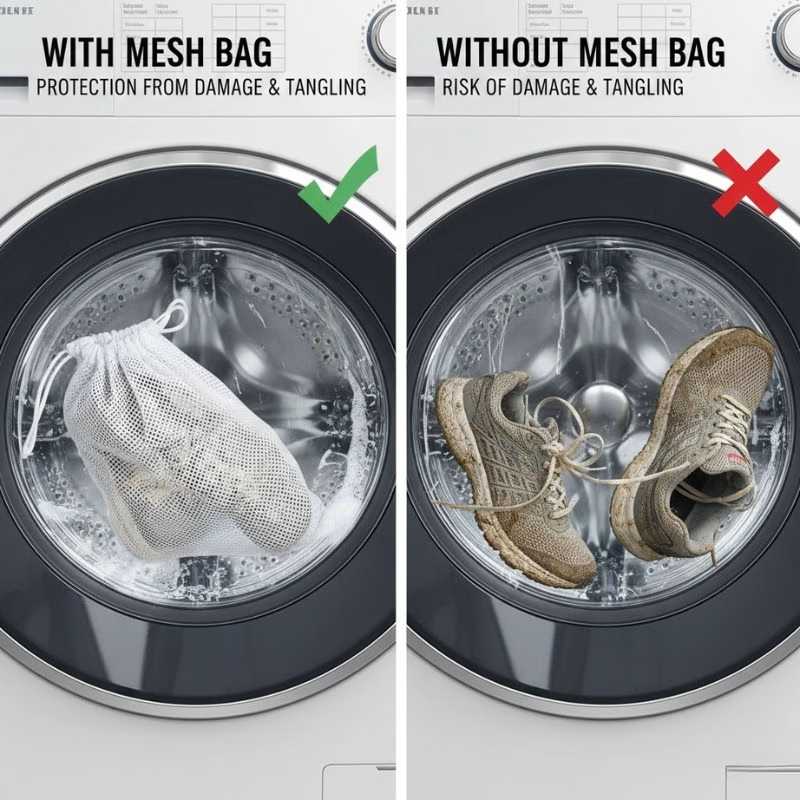
Shoes are not built like clothing. When washed without protection, they can:
-
Slam into the washer drum
-
Damage their own structure
-
Transfer dirt onto other garments
-
Strain washing machine bearings
For households, hotels, gyms, and shoe brands, these risks add up fast.
2. How a Mesh Bag Solves These Issues
A mesh bag for washing shoes creates a controlled washing environment. It acts as a buffer between shoes and the machine, reducing impact while still allowing thorough cleaning.
Key benefits include:
-
Shock absorption during spin cycles
-
Even detergent distribution
-
Reduced noise and vibration
-
Protection for both shoes and washer
This is why many professionals now consider a shoe bag for washing machine use essential, not optional.
How Mesh Bags for Washing Shoes Protect Your Footwear
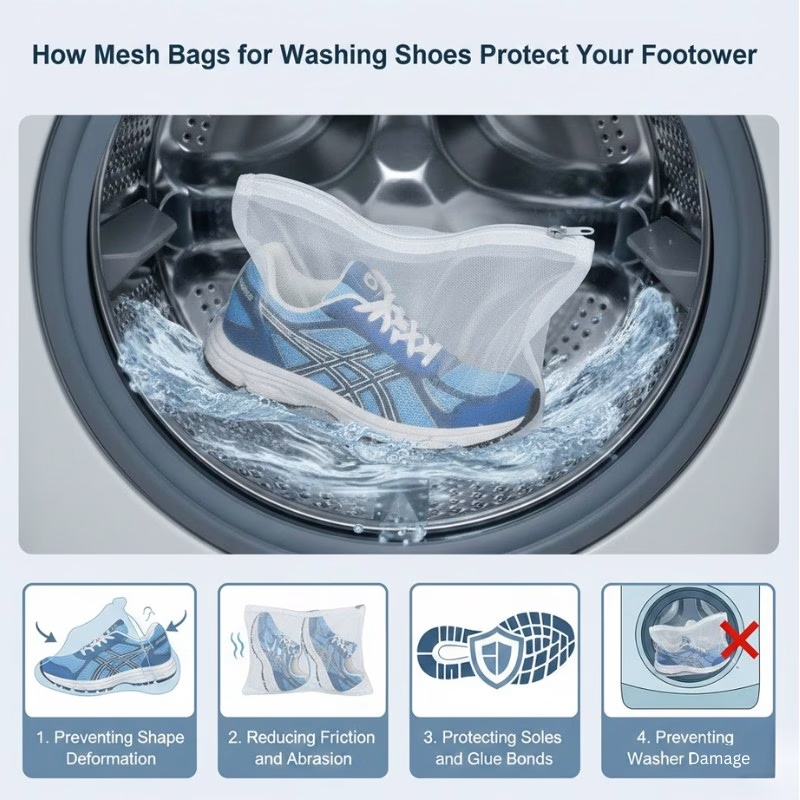
1. Preventing Shape Deformation
Shoes often lose shape due to aggressive spinning. A structured mesh bag limits movement, helping shoes maintain their original form.
This is especially important for:
-
Athletic sneakers
-
Knit uppers
-
Canvas shoes
-
Lightweight running shoes
2. Reducing Friction and Abrasion
Without a bag, shoes rub directly against metal drums and other laundry. Over time, this causes:
-
Faded colors
-
Torn stitching
-
Surface scuffs
A mesh barrier minimizes friction while still allowing water flow.
3. Protecting Soles and Glue Bonds
Heat, water, and impact can weaken glue bonds. By stabilizing shoes inside a mesh bag, stress on sole attachments is reduced.
This helps extend the life of:
-
Rubber soles
-
EVA foam midsoles
-
Bonded outsoles
4. Preventing Washer Damage
Shoes can be just as dangerous to machines as machines are to shoes. A quality shoe bag for washing machine use reduces:
-
Drum dents
-
Loud banging noises
-
Imbalanced spin cycles
This is critical in shared laundry spaces and commercial environments.
Why Mesh Material Matters More Than You Think
When choosing a mesh bag for washing shoes, the mesh material is not a minor detail—it directly determines how well shoes are cleaned, how much protection they receive, and how long the bag itself will last. Many low-quality laundry bags fail because the mesh is either too loose to protect shoes or too tight to allow proper water flow.
Open Mesh vs. Dense Mesh vs. Padded Mesh

Different mesh types serve different washing needs. Selecting the wrong mesh can lead to poor cleaning results or unnecessary wear on footwear.
| Mesh Type | Mesh Density & Structure | Airflow Efficiency | Protection Level | Durability | Recommended Use |
|---|---|---|---|---|---|
| Open mesh | Large mesh holes, lightweight weave | High | Moderate | Medium | Lightweight sneakers, kids’ shoes, canvas footwear |
| Dense mesh | Smaller openings, reinforced weave | Medium | High | High | Running shoes, trainers, work shoes |
| Padded mesh | Dense mesh with internal cushioning | Medium | Very high | Very high | Premium footwear, branded sneakers, retail or test washing |
A well-designed mesh structure must achieve three goals at the same time:
-
Allow water and detergent to circulate freely for effective cleaning
-
Reduce impact and friction between shoes and the washing machine drum
-
Withstand repeated high-speed spin cycles without tearing or deforming
The balance between airflow and protection is what separates an average laundry bag from the best shoe washing bag used by professionals and long-term buyers.
What Makes the Best Shoe Washing Bag?
Choosing the best shoe washing bag requires more than just size. Professionals look for specific features.
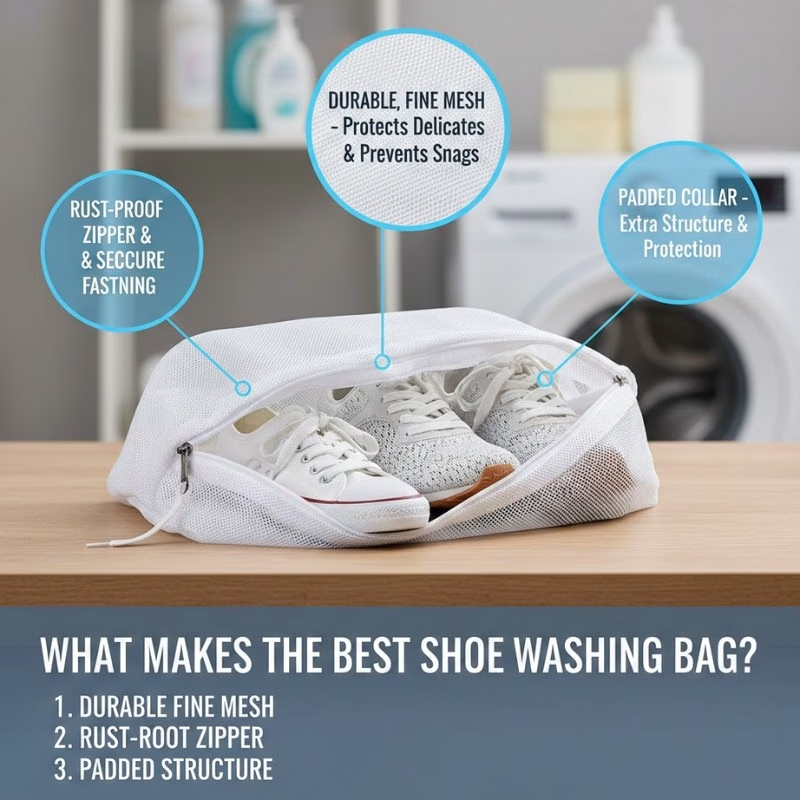
1. Essential Features Checklist
-
Reinforced polyester or nylon mesh
-
Rust-free zipper with cover flap
-
Strong seams for repeated washing
-
Space for one or two shoes
-
Optional padding or internal frame
2. Optional Upgrades for Professional Use
-
Custom sizing
-
Brand labeling
-
Thicker drawstring mesh
-
Eco-friendly raw materials
As a manufacturer established in 2014, we design shoe washing bags that meet REACH standards and pass related tests, making them suitable for global markets.
Mesh Bag for Washing Shoes vs. No Bag: A Clear Comparison
Washing shoes without protection may seem convenient, but the long-term effects on both footwear and washing machines are often overlooked. Using a mesh bag for washing shoes creates a controlled environment that improves cleaning results while reducing physical stress during the wash cycle. The difference becomes even more noticeable with frequent washing or heavier footwear.
Below is a professional comparison that highlights the practical advantages of using a mesh shoe washing bag.
| Aspect | With Mesh Bag for Washing Shoes | Without Mesh Bag |
|---|---|---|
| Shoe shape retention | Structure remains stable during washing | Uppers and soles often bend or warp |
| Noise level | Reduced movement and quieter operation | Loud banging against the drum |
| Washing machine protection | Drum and internal parts shielded from impact | Higher risk of dents and imbalance |
| Cleaning consistency | Even water and detergent circulation | Uneven cleaning with missed areas |
| Shoe lifespan | Extended through reduced wear and stress | Shortened due to friction and impact |
This comparison clearly shows why many households, facilities, and professional buyers now view a mesh bag for washing shoes as a standard laundry accessory rather than an optional add-on. It delivers better washing performance while protecting valuable footwear and laundry equipment at the same time.
How to Use a Mesh Bag for Washing Shoes Properly
Using a mesh bag for washing shoes is simple, but following the correct steps makes a noticeable difference in cleaning results and shoe longevity. Below is a clear, practical explanation of each step to help prevent damage and ensure consistent washing performance.
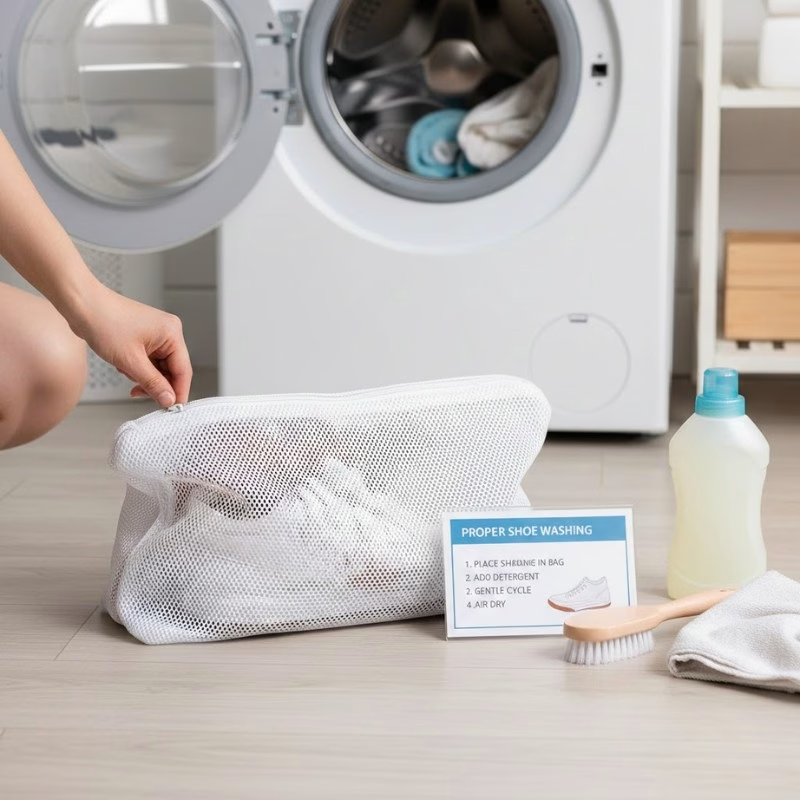
1. Remove loose dirt and mud
Before washing, tap the shoes together or use a soft brush to remove dried mud, sand, and debris. This prevents dirt from clogging the mesh and improves overall cleaning efficiency inside the washing machine.
2. Take out insoles and laces
Insoles and laces trap sweat and detergent differently than shoe uppers. Removing them allows more thorough cleaning and helps shoes dry faster. Laces can be washed separately in a small laundry bag if needed.
3. Place shoes inside the mesh bag
Insert one pair of shoes into the shoe bag for washing machine use. Make sure shoes are positioned evenly to avoid unnecessary pressure on one side during spinning.
4. Zip fully and secure
Close the zipper completely and ensure any zipper cover or flap is in place. This prevents the bag from opening mid-cycle and protects both the shoes and the washing machine drum.
5. Use cold or warm water
Cold or warm water is safer for adhesives, fabrics, and colors. Hot water can weaken glue bonds and cause shrinkage, even when using the best shoe washing bag.
6. Select a gentle or normal cycle
Choose a gentle or standard cycle with moderate spin speed. Aggressive cycles increase impact and stress on footwear, reducing the protective benefit of the mesh bag.
Drying Tip: Avoid high heat
Never place shoes in a high-heat dryer. Heat can deform soles and harden adhesives. Air drying at room temperature helps preserve shoe shape, materials, and comfort.
Following these steps ensures your mesh bag for washing shoes performs as intended—protecting footwear, reducing wear, and delivering reliable cleaning results wash after wash.
When Should You Use a Shoe Bag for Washing Machine Cycles?
A shoe bag for washing machine use is ideal whenever shoes need regular cleaning but still require protection from impact, friction, and shape damage. Below is a short explanation of when using a shoe washing bag makes the most sense and when it does not.
1. Sports shoes after workouts
Sports and training shoes absorb sweat, odor, and dirt during workouts. Washing them inside a mesh bag helps remove buildup while protecting lightweight materials, cushioning, and glued soles from stress during spin cycles.
2. Work shoes exposed to dust
Work shoes worn in warehouses, factories, or outdoor environments often collect fine dust and debris. A mesh bag for washing shoes keeps this dirt contained, prevents it from spreading to other laundry, and reduces wear on both shoes and the washing machine.
3. School shoes for kids
Children’s shoes require frequent washing due to daily wear. Using a shoe washing bag minimizes noise, protects shoe shape, and prevents hard soles from damaging the washer—making it especially useful for repeated, routine cleaning.
4. Canvas or fabric footwear
Canvas and fabric shoes are well suited for machine washing when placed in the best shoe washing bag. The mesh allows thorough water circulation while reducing friction that can cause fading or fabric tears.
Common Mistakes to Avoid
Even the best mesh bag for washing shoes can underperform if it is not used correctly. The table below outlines the most common mistakes, why they cause problems, and the correct practices to follow for safe and effective shoe washing.

| Common Mistake | What Happens | Why It’s a Problem | Recommended Best Practice |
|---|---|---|---|
| Overloading the mesh bag | Shoes are packed too tightly | Limits water flow and reduces cleaning effectiveness | Wash only one pair per bag to allow proper circulation |
| Washing heavy shoes together | Excessive weight during spinning | Increases impact, causes deformation, and stresses seams | Wash heavy shoes separately in individual shoe bags |
| Using hot water cycles | High temperatures affect materials | Weakens glue bonds, causes shrinkage or color fading | Use cold or warm water for safer washing |
| Ignoring zipper protection | Zipper moves freely during wash | Can scratch the drum, open mid-cycle, or damage shoes | Fully zip the bag and use zipper covers or flaps |
FAQs
1. What materials are best for a mesh bag for washing shoes in bulk orders?
Reinforced polyester or nylon mesh offers the best balance of strength, airflow, and long-term durability for repeated commercial washing.
2. Can a shoe bag for washing machine use handle heavy work shoes?
Yes, if the bag uses dense or padded mesh and reinforced seams. Lightweight laundry bags are not suitable for heavy footwear.
3. How many shoes fit in the best shoe washing bag?
Most designs fit one pair. For bulk washing, single-pair bags reduce impact and improve cleaning consistency.
4. Are mesh shoe washing bags suitable for OEM customization?
Yes. Manufacturers can adjust size, mesh density, zipper type, and branding to match market needs.
5. How long does a professional mesh shoe washing bag last?
With proper use, high-quality bags can withstand hundreds of wash cycles without tearing or losing shape.
If you are looking for a reliable mesh bag for washing shoes backed by years of manufacturing experience, we are ready to support your needs. Since 2014, we have supplied customized laundry mesh solutions to global markets with strict quality and environmental standards. OEM orders are welcome, and custom designs are available. Contact us today to discuss your requirements and receive a tailored solution.