
A bra that cost $60 can lose its shape after just a few machine washes without proper protection. The underwire bends, the cups distort, and the delicate fabric pills damage that is entirely preventable. Using a mesh bag for washing bras is one of the simplest ways to extend the life of your lingerie without switching to hand-washing every single time.
Most people grab any mesh laundry bag they find at the dollar store and assume the job is done. The reality is that bra laundry bags are a specific product category, and the differences between a well-engineered bag and a flimsy one show up directly in how your bras hold up over time.
The right bag accounts for cup size, underwire protection, zipper closure quality, and mesh density. These are not marketing features. They directly affect whether your bra survives 50 wash cycles in decent condition or starts breaking down after 10. This article covers the exact features to evaluate before you buy a bra wash bag from mesh type and zipper construction to bag size and machine compatibility so you can make a decision that actually protects your lingerie investment.
Why Your Bra Needs Its Own Mesh Bag — Not a Generic Laundry Bag
A standard mesh laundry bag is designed for general garments. A bra laundry bag is engineered specifically to protect structured lingerie. The difference matters because bras have rigid components underwires, molded cups, and adjustable straps that behave differently under mechanical agitation than a t-shirt or pair of socks.
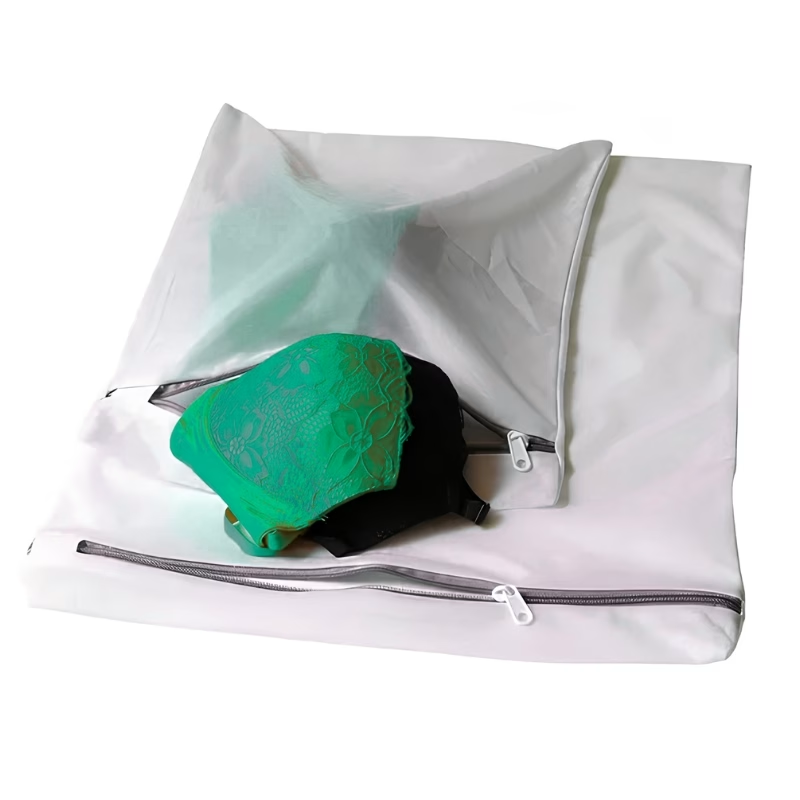
During a normal wash cycle, the drum of a washing machine rotates and agitates clothing at speeds that generate significant friction. According to textile care research published by the International Fabricare Institute, repeated mechanical stress is one of the primary causes of premature fabric degradation in delicate garments.
Without containment, bra straps wrap around other items. Underwires puncture through the fabric channel and can snag other garments or damage the machine drum. The hooks on the bra clasp even when fastened catch on fabric and create pulls. A purpose-built mesh bag eliminates all of these failure points.
1. Mechanical Agitation and Underwire Damage
Underwire damage is the most common complaint among women who machine-wash bras without protection. The wire migrates out of its channel when the bra is tumbled freely against hard surfaces. A correctly sized bra laundry bag limits this movement and reduces the lateral force on the underwire channel during each spin cycle.
2. Fabric Pilling and Color Degradation
Fine lace, satin, and microfiber materials used in most quality bras are highly susceptible to pilling when rubbed against coarser fabrics. A mesh bag creates a physical barrier. It allows water and detergent to pass through freely while preventing the abrasion that causes surface degradation. This is especially important for premium lingerie care when washing delicate embroidered or lace-trimmed pieces.
Mesh Type and Material: The Core Feature of Any Bra Laundry Bag
The mesh is not just the bag’s body it determines how well water circulates, how much protection the bag provides, and how long the bag itself lasts. Most bra laundry bags use either polyester mesh or nylon mesh, each with distinct properties.
Polyester mesh is more resistant to stretching and retains its shape better under repeated wash cycles. Nylon mesh is lighter and slightly softer, which makes it gentler on delicate fabrics. Both materials are chlorine-resistant and dry quickly, making them suitable for regular use.
Mesh density is measured in GSM (grams per square metre). For bra bags, a mesh weight between 150 and 200 GSM offers the best balance dense enough to prevent snagging and maintain structure, open enough to allow thorough water and detergent penetration during the wash cycle.
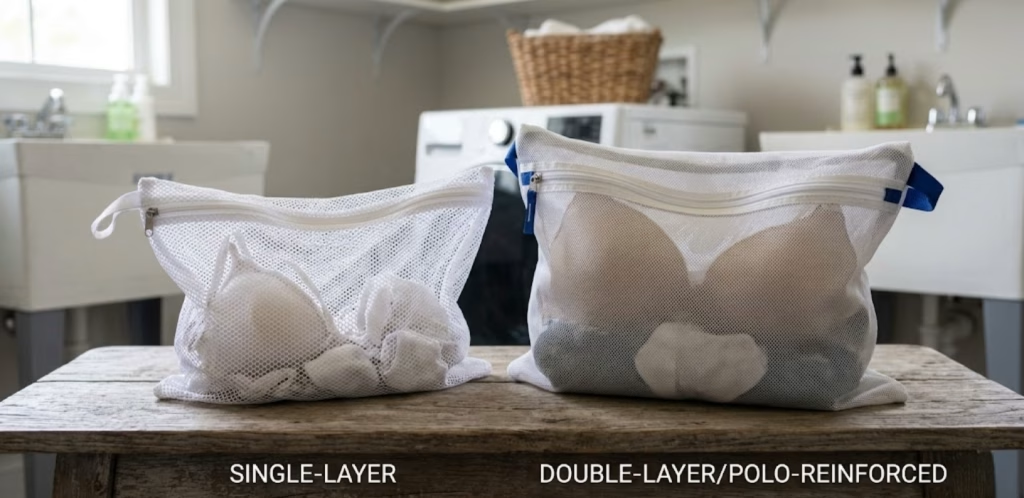
1. Single-Layer vs. Double-Layer Mesh
Single-layer mesh bags are lightweight and sufficient for lightly structured bras like bralettes. For underwired or padded bras, a double-layer construction such as the Sandwich Mesh Bra Laundry Bag Set provides additional cushioning between the bra and the machine drum. The sandwich construction sandwiches the garment between two mesh layers, distributing mechanical stress more evenly and reducing direct contact with the bag walls.
2. Polyester Reinforced Bags
Some bags combine mesh panels with solid polyester sections at high-stress points typically along the zipper edge and the bag corners. The Double Polyester Bra Laundry Bag uses this construction, which adds structural rigidity without significantly reducing airflow or water circulation. This design is particularly well-suited for machine washing on the gentle or delicates cycle.
Zipper Quality: The Most Overlooked Feature in a Mesh Bag for Washing Bras
The zipper is the most mechanically active part of any laundry bag and the most common point of failure. A poor-quality zipper either breaks after a few wash cycles or worse snags the bra fabric or other garments in the load. The zipper specification tells you more about bag quality than almost any other feature.
Look for a zipper with a fabric-covered pull tab and a slider that sits below the level of the surrounding mesh when closed. Metal zipper pulls that protrude above the bag surface act like small hooks during spin cycles, catching on delicate fabrics they are supposed to protect.
Zipper teeth should be made from nylon or coil-type construction rather than metal. Metal teeth corrode in contact with laundry detergents and heat, which weakens the zipper faster than the bag itself. Nylon coil zippers maintain flexibility and corrosion resistance through hundreds of wash cycles.
A zip-secure design with a protective flap over the zipper closure is the preferred option for washing machine safety. This prevents the zipper slider from shifting open during tumbling — a failure point that can release the bra mid-cycle.
Size and Capacity: Matching the Bag to Your Bra
Bag size directly determines whether the mesh bag protects or damages your bra. A bag that is too small compresses the cup structure during washing, defeating the purpose of using a bag entirely. A bag that is too large lets the bra move freely inside, which generates the same mechanical friction as washing without protection.
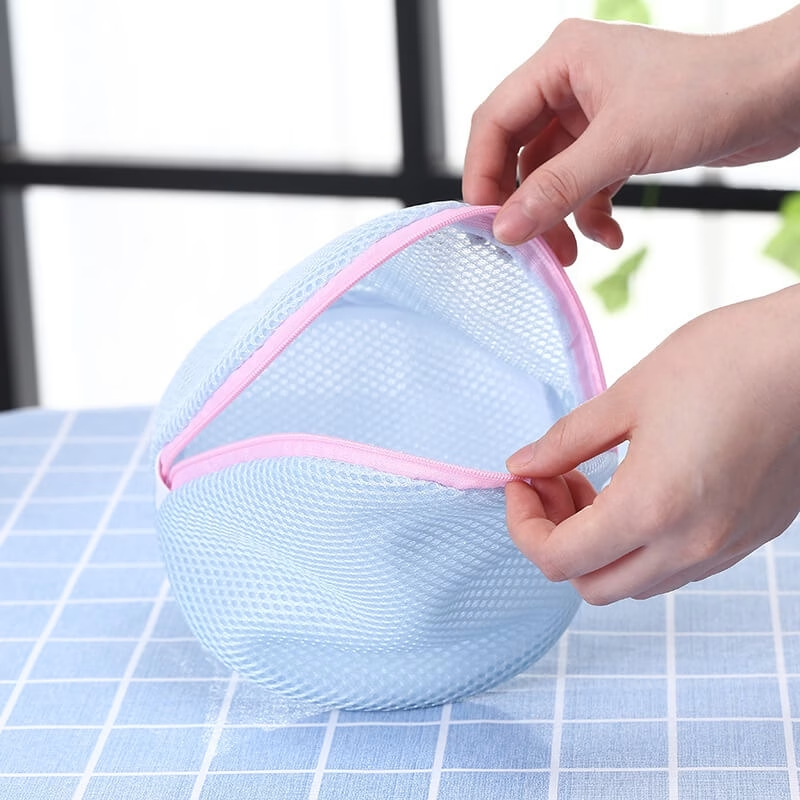
As a general guide, a bag measuring 30 cm x 40 cm accommodates most standard cup sizes from A to C. For larger cups (D and above) or padded bras with significant structure, a 35 cm x 45 cm bag is more appropriate. The bra should fit inside without folding the cups or bending the underwire.
Some bags are specifically designed to fold flat when the bra is placed inside, then close to hold that shape a design approach seen in the Printed Folding Bra and Underwear Laundry Bag. This is useful for structured bras where maintaining the cup shape during the wash cycle matters as much as protecting the fabric.
1. Washing Multiple Bras Together
It is generally not recommended to wash more than two bras in a single laundry bag unless the bag is specifically designed for multi-piece loads. Overcrowding creates the same compression problem as a bag that is too small. If you wash multiple bras regularly, buying a set of bags in different sizes one per bra produces better results than using a single large bag for all of them.
2. Bra Laundry Bag Comparison: Key Features by Use Case
|
Feature |
Budget Bags | Mid-Range Bags | Premium Bags |
|
Mesh Material |
Single-layer polyester | Double-layer polyester |
Sandwich mesh / reinforced |
|
Zipper Type |
Metal pull, no cover | Nylon coil, basic slider |
Fabric-covered nylon coil |
|
Typical GSM |
80–120 GSM | 130–160 GSM |
160–200 GSM |
|
Cup Protection |
Minimal | Moderate |
Full cup structure support |
|
Machine Safety |
Low (zipper snag risk) | Medium |
High (zipper flap + reinforced seams) |
|
Best For |
Bralettes, soft bras | Standard underwired bras |
Structured, padded, lace bras |
| Cost-Effectiveness | Low (short lifespan) | Good |
Best (long-term value) |
Cost-Effective Laundry vs. Premium Lingerie Care: Finding the Right Balance
Bra laundry bags range from under $2 to over $20 per unit at retail. The right choice depends on the value of the bras you are protecting and how frequently you wash them. Spending $8 on a quality bag that lasts 200+ wash cycles is more cost-effective laundry practice than buying three $2 bags that degrade in 30 cycles.
For everyday bras made from standard cotton or synthetic blends, a mid-range polyester bag is appropriate. For bras made from silk, fine lace, satin, or embroidered fabrics particularly those from brands like La Perla, Chantelle, or Wacoal investing in a higher-specification bag with double-layer mesh and a sealed zipper closure is the more economical long-term decision.
Manufacturers and wholesalers serving the lingerie retail market typically stock bags in multiple specifications for this reason. The Bra Laundry Bag Manufacturer and Wholesaler range covers options from lightweight single-layer bags for basic care to reinforced double-layer constructions for structured lingerie making it possible to match the bag specification to the actual garment value.
One practical approach: use budget bags for everyday items like bralettes and sports bras, and keep one or two premium bags for structured or expensive pieces. This tiered strategy keeps costs down without compromising care for your most valuable lingerie.
How to Check Machine Compatibility Before You Buy
Not all bra laundry bags are rated for every washing machine type. Top-loading machines with agitator columns common in North America generate more mechanical force than front-loading or drum machines. A bag that performs well in a front-loader may sustain zipper or seam stress in a top-loader.
Check the bag’s wash temperature rating. Most quality bra bags are rated for up to 40°C (104°F), which aligns with the delicates or gentle cycle on most machines. Washing above this temperature even with a bag can cause polyester mesh to contract slightly, which changes the bag’s internal dimensions and pressure on the bra.
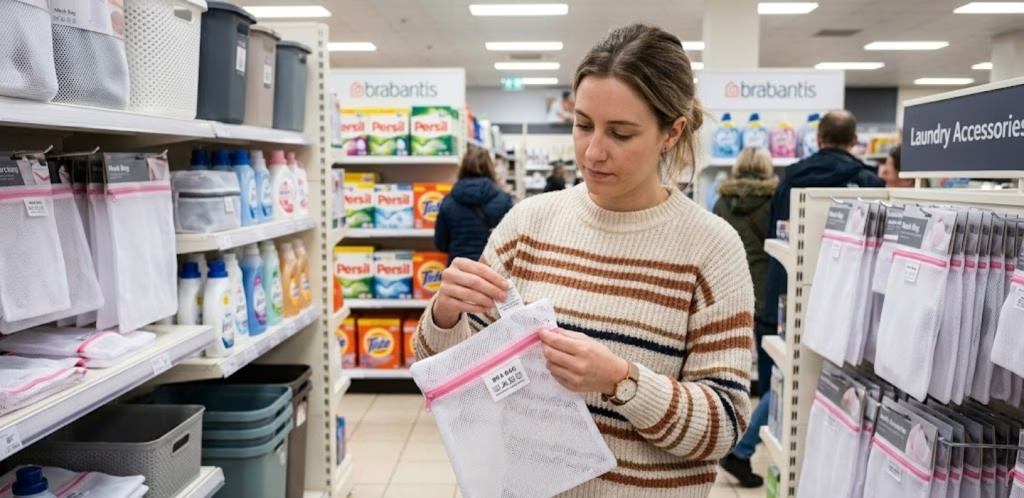
The American Cleaning Institute recommends using the delicate cycle and cold or warm water for bras and structured lingerie regardless of whether a laundry bag is used, as cycle speed is a major factor in mechanical fabric stress.
Tumble drying even on low heat should be avoided for underwired bras whether or not a bag is used. The heat warps underwire and breaks down elastane fibers, which are present in most modern bra constructions. Flat-drying or hanging bras by the center gore is the recommended method after washing.
Frequently Asked Questions
Q1. What size mesh bag for washing bras do I need for a D-cup bra?
A D-cup or larger bra requires a bag with internal dimensions of at least 35 cm x 45 cm to avoid compressing the cup structure during washing. Standard 30 cm x 40 cm bags work well for A through C cups. The mesh bag for washing bras should allow the bra to sit flat without folding the underwire or cups.
Q2. Can I wash multiple bras in one mesh bag?
Washing more than two bras in a single mesh bag is not recommended because overcrowding causes compression and reduces the protective effect of the bag. For best results, place one bra per bag or use a bag specifically designed for multi-piece loads. Separate bags also prevent hook-and-eye closures from snagging delicate fabrics during the cycle.
Q3. How do I know if a mesh bag for washing bras is washing machine safe?
A washing machine safe bra laundry bag should have a nylon coil zipper (not metal teeth), reinforced seam stitching, and a temperature rating of at least 40°C. Check for a fabric-covered zipper slider that sits flush with the mesh when closed. Bags without these features risk unzipping mid-cycle or snagging the washing machine drum.
Q4. How often should I replace my bra laundry bag?
A quality polyester or nylon mesh bag lasts 150–250 wash cycles before the mesh begins to lose tension and the zipper shows wear. For most users washing bras weekly, that translates to two to four years of use. Replace the bag when you notice the zipper sticking, the mesh stretching noticeably, or the seams beginning to fray near the corners.
Q5. Does using a mesh bag for washing bras replace hand-washing?
A mesh bag for washing bras significantly reduces machine-related damage but does not fully replicate the gentleness of hand-washing for very delicate pieces. For bras made from silk, fine lace, or embroidered fabric, hand-washing in cool water with a gentle detergent remains the safest method. Machine-washing with a quality bag is appropriate for most structured and everyday bras.
The Right Mesh Bag for Washing Bras Protects What You’ve Already Paid For
A well-chosen bra laundry bag is not a luxury accessory it is a practical tool that extends the service life of garments that are expensive to replace. The features that matter most are not complicated: mesh density, zipper construction, size relative to your bra’s cup structure, and compatibility with your washing machine type. Bras are designed with precision engineering. The underwire is calibrated to a specific shape. The cups are molded to hold structure. The elastane in the band is tensioned to a particular stretch ratio. Every wash cycle without proper protection degrades these elements incrementally often invisibly until the fit is already compromised.
Choosing the right bag means matching its specification to the actual garment. A sandwich mesh bag for padded underwired bras. A lighter single-layer bag for bralettes and soft cup styles. A folding bag for structured pieces where maintaining cup shape during washing is a priority. The decision is straightforward once you know what to look for. Explore the full range of purpose-built options at the Bra Laundry Bag Manufacturer and Wholesaler to find the specification that matches your lingerie care needs.