
Socks vanish. Delicates snag. Activewear pills. It’s maddening. The fix? A simple laundry mesh bag. Slip garments inside, zip, and boom—less friction, fewer tangles, and clothes that last longer. If you manage laundry at home or for a team, this small step saves time and money, load after load.
We’ve been manufacturing laundry mesh bags and related storage products since 2014, supplying buyers across Europe, North America, South America, Korea, and Japan. We offer OEM and custom designs, and our materials are environment-friendly and compliant with common tests. Below you’ll find practical ways to use a mesh laundry bag, smart buying cues, and mesh laundry bag care instructions you can trust.
Way 1: Shield Delicates and Lingerie
Lace, satin, silk, and bras don’t stand a chance against zippers, buttons, and rough cotton towels. A laundry mesh bag creates a barrier so fibers don’t abrade or stretch.
How to do it
-
Hook bras before loading to avoid snagging.
-
Don’t overfill the bag—half to two-thirds full is ideal.
-
Choose fine mesh for delicate fabrics.
-
Use a gentle, cool wash and skip harsh spin speeds.
Pro tip for teams: If you manage uniform delicates (dance, swim, or hospitality), assign color-coded bags per person or department for easy sorting.

Way 2: Guard Performance Fabrics and Activewear
Workout gear made from spandex, nylon, and technical polyester tends to pill and lose stretch. A mesh laundry bag reduces friction and keeps logos and reflective strips intact.
How to do it
-
Turn garments inside out to protect the outer face.
-
Use cold water and a mild detergent.
-
Avoid fabric softeners (they can trap odors and reduce wicking).
-
Choose a medium mesh that lets water flow but prevents abrasion.
Buyer note: Look for zipper garages (fabric covers) so metal sliders don’t scratch drum walls or snag fabric.
Way 3: Keep Sweaters and Knits in Shape
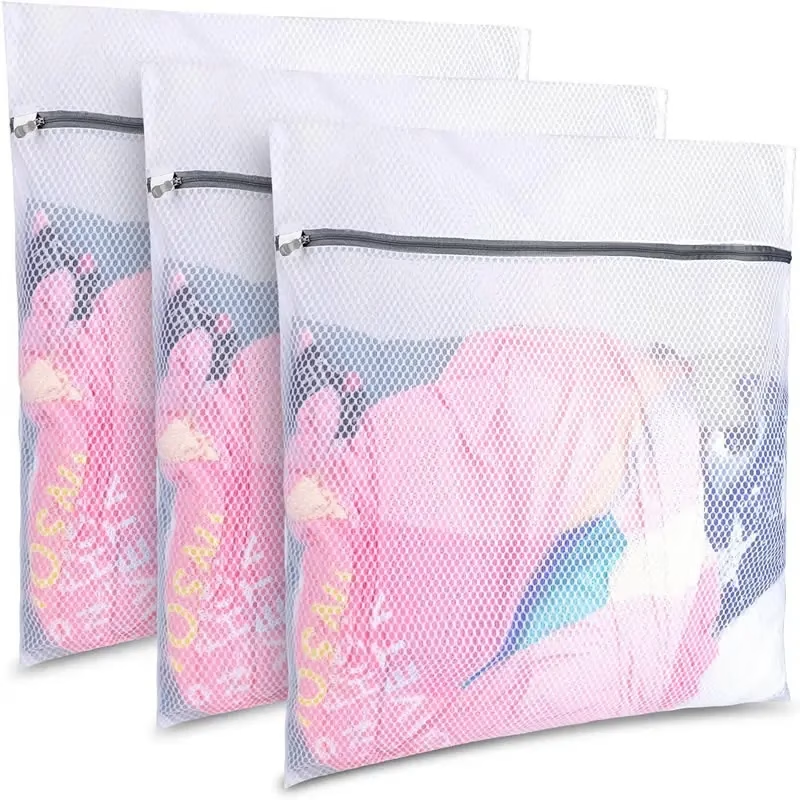
Knits stretch when soaked and slung around. A mesh bag supports sweaters so they don’t lose shape or rub against tougher items.
How to do it
-
Use a large, flat bag to avoid tight folding.
-
Wash cool on gentle, then lay flat to dry.
-
For wool and cashmere, use a special wool detergent and avoid heat.
Why it works: Less agitation means fewer pills and snags. The mesh acts like a soft cage.

Way 4: Prevent Snags from Zippers, Hooks, and Hardware
Jeans, hoodies, and jackets have zippers, grommets, and metal pulls. These can shred delicate fabrics. Separate the culprits using a mesh bag.
How to do it
-
Place the abrasive item (jeans, hoodie) in a bag, not the delicate piece.
-
Close all zippers and fasteners first.
-
Choose heavier mesh to contain sharp edges.
Bonus: Hardware stays quieter in the drum, which your machine will appreciate.

Way 5: End the Missing Sock Mystery
Pair socks by size or wearer and lock them in a bag before washing. No more singles lurking in the cuff of a hoodie.
How to do it
-
Assign a small mesh bag to each person.
-
Zip closed before tossing in the washer.
-
Keep the bag with socks from hamper to drawer.
Operations tip: For facilities, print or tag names on the bag pull tab for fast post-wash sorting.
Way 6: Separate Colors and Fabrics in One Load with a Laundry Mesh Bag
Sometimes you need to combine colors to save time. Use mesh bags to isolate darks, lights, and lint-prone items in a single cycle.
How to do it
-
Place lint-shedding towels in one bag and lint-catching synthetics in another.
-
Keep dark denim away from white tees using separate bags.
-
Choose medium mesh for broad use and label bags by color.
Why it helps: You cut down on dye transfer and lint cross-contamination without running extra cycles.

Way 7: Wash Shoes and Accessories Safely
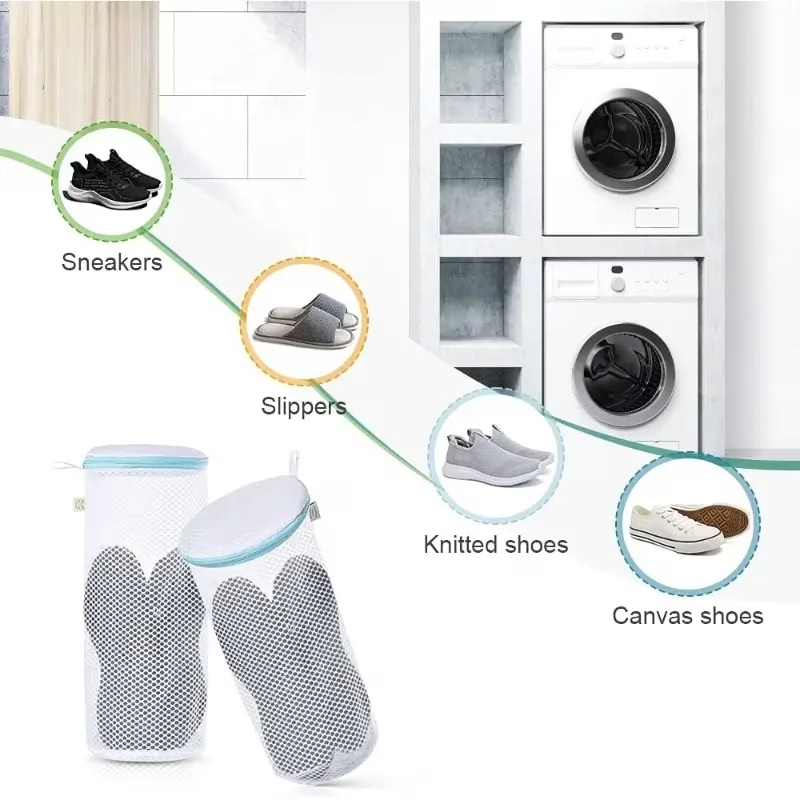
Shoelaces whip around. Insoles detach. Eyelets scratch drums. A sturdy mesh bag keeps everything contained.
How to do it
-
Remove stones or debris from soles first.
-
Take out insoles and wash them in a separate smaller bag.
-
Use cold water, gentle spin, and air-dry only.
For belts, caps, and soft accessories: Bag them to prevent bending and shape loss.
Way 8: Protect Household Textiles and Reusables
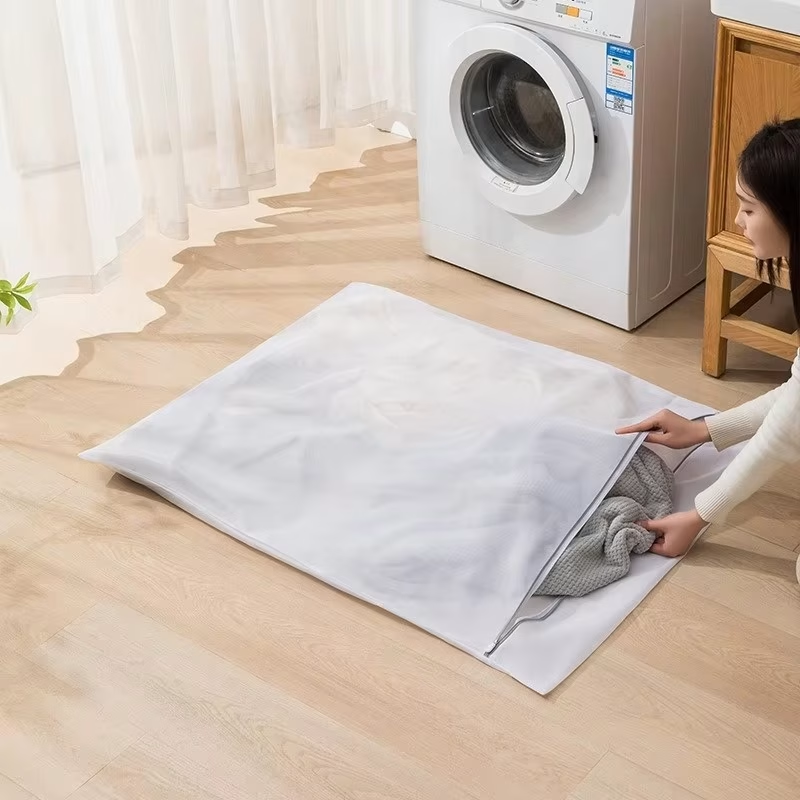
Curtains, pillow covers, cloth napkins, makeup pads, and reusable grocery bags all benefit from mesh protection.
How to do it
-
Close zippers and buttons on pillow covers before bagging.
-
Use fine mesh for small items like makeup pads.
-
For net curtains, choose extra-large bags to prevent tangling.
Facility advantage: Mesh bags keep small inventory together, reducing loss in shared laundry spaces.
Way 9: Organize Travel and Gym Days
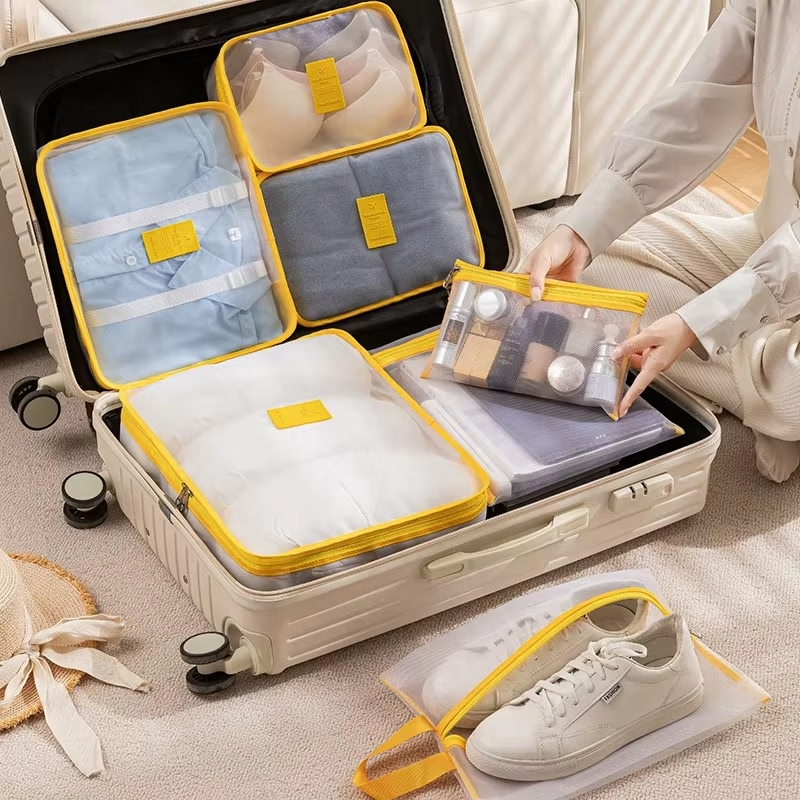
Use mesh laundry bags as breathable packing cubes. Separate clean from dirty, or keep swimwear contained after the pool.
How to do it
-
Pack clean outfits in one bag and move it to “laundry” after use.
-
For wet items, choose quick-dry mesh and air out as soon as possible.
-
Label using a hang tag or a colored zipper pull.
Why it works: Mesh is lightweight, see-through, and easy to compress in luggage.
Way 10: Support Air-Drying and Storage
After washing, a mesh bag doubles as a cradle for air-drying. For long-term storage, it keeps sets together and lets fabrics breathe.
How to do it
-
Leave garments in the bag and lay flat or hang, depending on care tags.
-
Store specialty items (hosiery sets, sports kits) in labeled bags.
-
Avoid sealed plastic for long storage; mesh allows airflow.
Insight: Less handling means less stretching, which preserves shape.
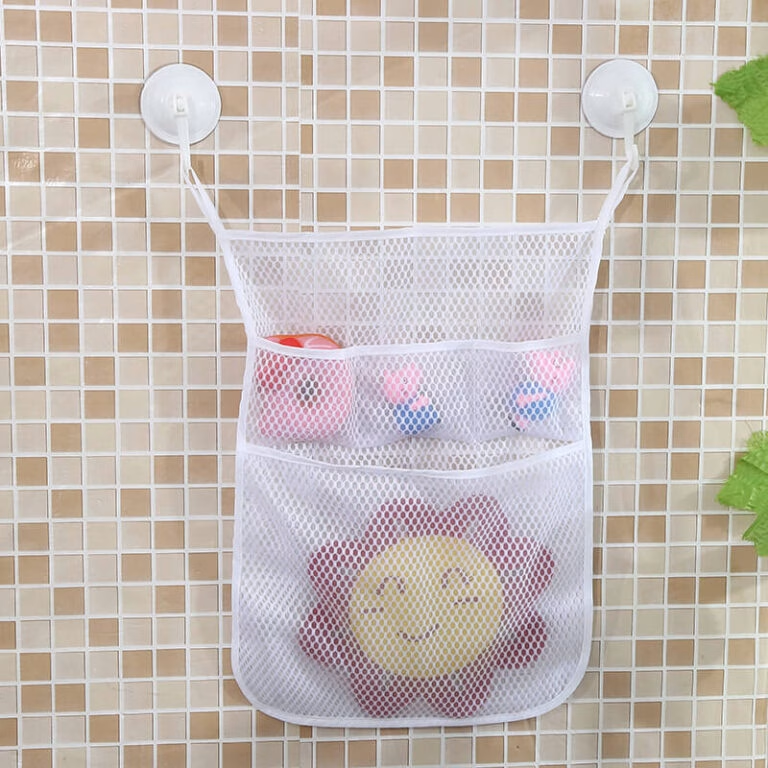
How to Choose the Right Mesh Laundry Bag
Not all mesh is the same. Select the right build for your garments and your workload.
Key Features to Compare
| Feature | Options | Best For | What to Look For |
|---|---|---|---|
| Mesh Density | Fine, Medium, Heavy | Fine: delicates; Medium: everyday; Heavy: denim, shoes | Even weave, consistent hole size |
| Closure | Zipper, Drawstring, Snap | Zipper: secure; Drawstring: flexible; Snap: quick | Zipper garage, reinforced pull tabs |
| Seams | Overlock, Bound, Triple-Stitch | Heavy loads and commercial use | Tight stitch count, no loose threads |
| Shape/Volume | Flat, Gusseted, Cylindrical | Gusseted for bulk; Cylindrical for shoes | Dimensions that match item size |
| Material | Polyester, Nylon | Polyester: durable; Nylon: softer hand | Colorfast, odor-resistant mesh |
Practical buying cues
-
Zippers: Nylon coil zippers with a fabric garage reduce snag risk.
-
Stitching: Look for bound seams and bar-tacked stress points.
-
Labels: Heat-set labels won’t fray or wash off.
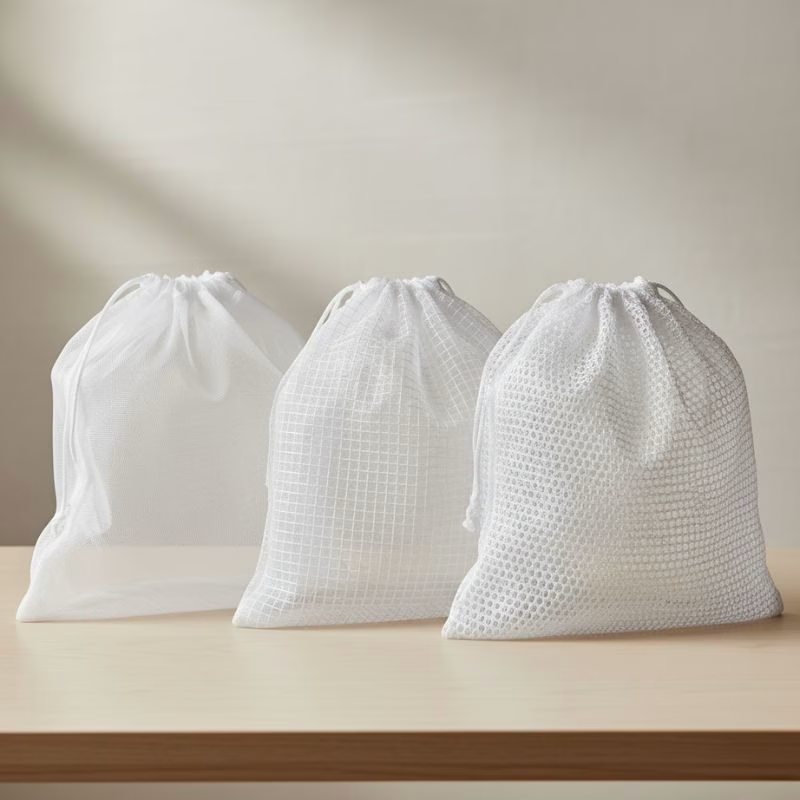
Mesh Laundry Bag Care Instructions (Simple & Effective)
Keep your bags in top shape, so they keep your clothes in top shape.
Mesh laundry bag care instructions
-
Shake out lint after every wash.
-
Rinse the bag if detergent residue builds up.
-
Air-dry flat or hang; avoid high heat.
-
Zip closed before washing the bag itself, so it doesn’t snag others.
-
Rotate bags so seams rest between loads.
-
Replace if mesh tears or zipper teeth misalign.
Maintenance tip: Treat the bag like a garment. If you’d protect a fabric from heat, protect the bag too.

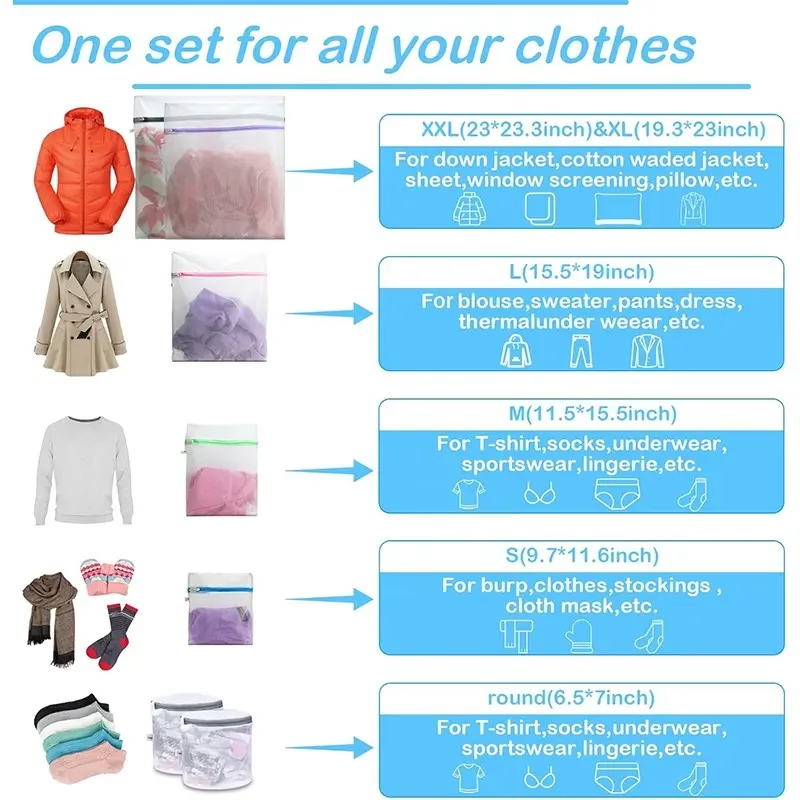
Size & Use Quick Match
Pick the right size to avoid overstuffing (which reduces water flow) or underfilling (which wastes space).
| Bag Size | Typical Dimensions | Best Use | Load Guidance |
|---|---|---|---|
| Small | ~8″ × 12″ (20 × 30 cm) | Socks, lingerie, makeup pads | Fill to 50–60% |
| Medium | ~12″ × 16″ (30 × 40 cm) | Tees, activewear, kids’ clothes | Fill to 60–70% |
| Large | ~16″ × 20″ (40 × 50 cm) | Sweaters, pillow covers | Fill to 60–70% |
| XL/Gusseted | ~20″ × 24″ (50 × 60 cm) | Curtains, light blankets | Fill to 70% |
| Cylindrical | ~8″ × 12″ (20 × 30 cm) | Shoes, caps | Leave 1–2″ extra room |
Quality Checklist for Buyers and Teams
If you purchase for households, teams, or operations, run through this quick checklist:
-
Mesh consistency: No warped holes or thin patches.
-
Seam security: Bound edges, backstitches at ends, no loose threads.
-
Zipper design: Recessed slider, garage cover, easy-grip pull.
-
Colorfast materials: No dye run in warm water.
-
Labeling: Writable or woven label for names and care info.
-
Compliance: Materials that can pass common evaluations (e.g., REACH-related standards).
-
Customization: Sizes, colors, logos, packaging options for organized distribution.
Where to Source: Direct from the Manufacturer
We’ve served global customers since 2014 with laundry mesh bag solutions, washing bags, baskets, and storage boxes. Our raw materials are environment-friendly, and we welcome OEM orders and custom designs. Explore options here:
-
Browse all laundry mesh bags: https://laundrymeshbag.com/products/laundry-mesh-bag/
-
See the Thickened White Mesh Laundry Bag: https://laundrymeshbag.com/product-details/thickened-white-mesh-laundry-bag/
Why go direct?
-
Consistent quality and faster feedback loops
-
Flexible sizes, colors, and branding
-
Packaging and labeling that fit your workflow
-
Bulk pricing and stable supply
Extra Tips for Flawless Loads
-
Don’t overload the washer—even with bags. Water must flow freely.
-
Keep similar weights together; skip mixing heavy towels with delicate synthetics.
-
Cold water is often enough and gentler on elastics.
-
For stain removal, pre-treat garments before placing them in the bag.
-
Store empty bags near the hamper so the habit sticks.
FAQs for Decision-Makers
1) What mesh density should I standardize for mixed loads?
Medium mesh covers most daily items—tees, polos, synthetics—while fine mesh is best for delicates and heavy mesh for denim or shoes. Many buyers carry two SKUs: a medium everyday bag and a fine delicates bag.
2) How do zipper garages impact longevity and safety?
A fabric zipper garage hides the slider, preventing scratches to the drum and snags on fabric. It’s a small feature that extends both bag and garment life.
3) Can you customize sizes, colors, and packaging for retail or kits?
Yes. We welcome OEM orders and customized designs—sizes, colorways, logos, hangtags, and multi-pack configurations. Consistent packaging improves shelf presence and makes internal distribution easier.
4) What testing or compliance can the materials meet?
Our environment-friendly raw materials are selected to meet common industry evaluations (including REACH-related checks). We can discuss documentation as part of your sourcing process.
5) What’s the recommended replacement cycle for a high-usage setting?
Inspect seams and zippers after each rotation. In busy operations, bags often run reliably for dozens of cycles; replace at first sign of tearing, warped mesh, or misaligned teeth to protect garments.
Ready to cut fabric damage, sort faster, and standardize laundry workflows? We’re the original manufacturer—since 2014—of laundry mesh bag solutions with global supply, OEM services, and environment-friendly materials.