
Every laundry bags day tells a story. Sometimes it’s the missing sock that vanished into the machine’s void. Other times, it’s a favorite silk blouse that came out pilled and unwearable. What if there was a simple fix that prevented all of this?
Laundry bags solve problems that most people accept as inevitable. They protect your fabrics, keep colors from bleeding, reduce tangling, and save time sorting after washing. More importantly, they extend the life of your favorite clothes by years. This guide walks you through everything you need to know about using laundry bags correctly — whether you’re washing a handful of delicates or managing thousands of garments in a hotel or hospital.
By the end, you’ll understand exactly which bag type matches your needs, how to load them without waste, and how to maintain them for lasting performance.
What Laundry Bags Actually Do (And Why They Matter)
A laundry bag isn’t just a mesh pouch. It’s a protective barrier that sits between your clothes and the intense friction of a washing machine.
Think about what happens to fabric during a normal wash cycle. Your clothes tumble with metal drum ridges, spin at high speeds, and rub against each other. Zippers can snag. Delicate lace tears. Dark dyes bleed onto light colors. Elastic stretches out of shape.
Laundry bags dramatically reduce these problems by creating a contained environment. Water and detergent still reach your clothes — that’s the point of mesh construction — but the fabric stays safe from direct contact with the machine’s harshest elements.
Beyond protection, laundry bags organize your loads intelligently. You can separate whites from darks, group delicate items away from heavy towels, or sort by fabric weight. This means faster washing cycles, better cleaning results, and less time wasted sorting after the dryer.
In hotels and hospitals, laundry bags become even more valuable. They prevent cross-contamination between departments, reduce garment loss, maintain hygiene compliance, and speed up the entire laundry workflow. A 150-room hotel using color-coded laundry bags for linens, uniforms, and guest items can cut post-wash sorting time by up to 25%.
The real value isn’t complicated. Laundry bags make the process faster, safer, and cleaner.
You can explore our full collection here: Our Products Laundry Mesh Bag Details
Understanding Mesh Laundry Bags and When to Use Them
Mesh laundry bags are the most common option you’ll encounter, and for good reason. They balance affordability, functionality, and versatility in a way that works for nearly any home or business.
Mesh bags feature fine holes woven into lightweight polyester or nylon fabric. Those holes serve two critical functions: they allow water, detergent, and rinse to flow freely through the bag, and they prevent small items from escaping while keeping the bag itself lightweight and quick-drying.
The fineness of the mesh matters. Fine mesh bags protect lingerie, hosiery, and delicate baby clothes. Medium mesh works for everyday items like shirts, blouses, and casual wear. Large mesh handles towels, bedding, and lightweight linens without restricting water flow.
Mesh bags come in distinct sizes, each designed for different needs:
| Mesh Size | Best For | Typical Contents | Price Range |
|---|---|---|---|
| Fine (Small 12″×16″) | Lingerie, hosiery, delicate accessories | 1–2 garments | $3–$8 per bag |
| Medium (16″×20″) | Everyday clothing | 3–4 items | $5–$12 per set |
| Large (24″×36″) | Towels, bed linens, gym clothes | 6–8 items | $10–$20 per set |
Households love mesh bags because they’re affordable, easy to store, and effective. Gyms use them for member laundry services. Travelers pack them to separate clean from dirty clothes in luggage.
The main limitation? Mesh bags aren’t built for industrial-scale, high-heat environments. If you’re running thousands of loads per month in a commercial laundry, you’ll want something more robust.

Mesh Laundry Bags to Product Pages
https://laundrymeshbag.com/products/laundry-mesh-bag/
Heavy-Duty Laundry Bags Built for High-Volume Operations
When a single bag needs to survive hundreds of wash cycles, withstand heavy weights, and maintain its integrity in industrial-grade washers, mesh simply isn’t enough.
Heavy-duty laundry bags use thick nylon or reinforced polyester — often measured in denier weight (like 400D or 600D, where higher numbers mean thicker, more durable fabric). The seams are double-stitched. The zippers are commercial-grade. The fabric is designed to handle temperatures and mechanical stress that would destroy a household mesh bag.
These bags appear in hotels, hospitals, gyms, and laundry service companies. They often hold 50 to 100+ liters, which means they can contain an enormous load of linens, uniforms, or towels in a single bag. Some feature built-in drawstring tops or heavy-duty zippers to prevent spillage during transport.
Real-world example: A 250-bed hospital deployed heavy-duty color-coded laundry bags for different departments (ER, Pediatrics, Surgery). The color system eliminated mix-ups between departments. The heavy-duty construction meant the bags survived thousands of high-heat wash cycles. Within six months, garment loss incidents dropped by 40%.
Here’s how commercial bags break down by capacity and typical application:
| Capacity | Best For | Material | Typical Lifespan |
|---|---|---|---|
| 50–75 Liters | Gym towels, small hotels, boutique properties | 200–300D Nylon | 18–24 months (high-volume use) |
| 75–100 Liters | Large hotels, mid-size hospitals | 400–600D Nylon | 24–36 months |
| 100+ Liters | Industrial laundries, multi-location chains | 600D+ Polyester blends | 36+ months |
Commercial bags cost more upfront, but the calculation changes when you factor in durability. A $25 heavy-duty bag lasting three years of daily use beats replacing a $5 mesh bag every three months.

heavy-duty laundry bags
URL: https://laundrymeshbag.com/product-details/thickened-white-drawstring-mesh-laundry-bag/
Eco-Friendly Laundry Bags for Conscious Buyers
Sustainability has moved from a marketing buzzword to a real purchasing driver. Consumers and businesses alike now actively seek reusable alternatives to single-use plastics.
This is where eco-friendly laundry bags enter the picture. Instead of synthetic mesh or polyester, these bags use organic cotton, hemp, or recycled plastic (PET) fabric. They’re washable, biodegradable, and designed for 100+ cycles of use — meaning one bag replaces hundreds of single-use plastic sacks.
For context: a boutique hotel switching from disposable plastic laundry sacks to reusable organic cotton bags eliminates roughly 15,000 single-use plastic bags annually. That’s both an environmental win and a cost reduction after the initial investment.
The tradeoff is material. Organic cotton and hemp aren’t as durable as industrial nylon under extreme conditions. They work wonderfully for households, eco-boutique hotels, and brands building a sustainability story. They’re less ideal for a commercial laundry facility processing 10,000+ loads per week.
| Material | Environmental Impact | Lifespan (Wash Cycles) | Best For |
|---|---|---|---|
| Organic Cotton | Biodegradable, chemical-free, compostable | 100–150 cycles | Boutique hotels, eco-conscious homes |
| Recycled PET | Diverts plastic bottles from landfills | 150–200 cycles | Sustainability-focused brands, retail partners |
| Hemp | Minimal water use in cultivation, naturally durable | 200+ cycles | High-end eco-certifications, long-term use |
A smart strategy for brands: add QR codes to eco-friendly laundry bags that link to sustainability certifications or impact statistics. Customers love transparency, and you’re building brand loyalty while educating your market.
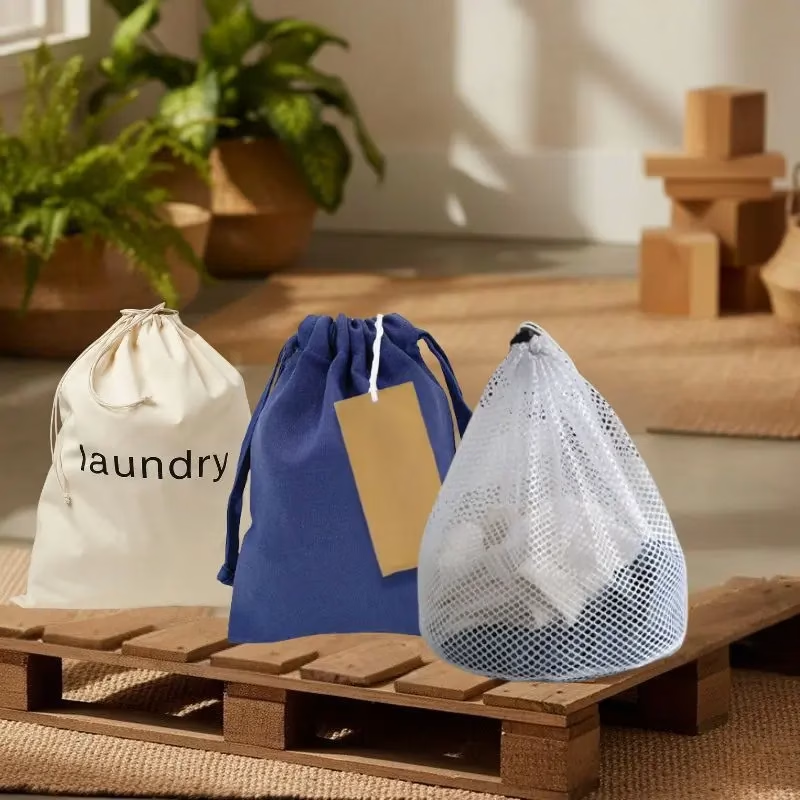
Travel Laundry Bags: Organization for the Always-On Professional
Business travelers, digital nomads, and frequent vacationers face a specific problem: how do you keep clean clothes separate from dirty ones when everything’s cramped into luggage?
Travel laundry bags solve this with compact, lightweight designs that fold small and unfold large. Most feature waterproof linings, which prevents moisture from wet swimwear or sweaty gym clothes from leaking onto clean garments. Some include odor-resistant coatings that manage sweat smell during multi-week trips without washing.
The typical set for a serious traveler includes three to four bags in different sizes:
- One small bag for socks and undergarments
- One medium bag for casual wear (t-shirts, shorts)
- One waterproof bag for gym clothes or wet swimwear
- One specialty bag for formal items or delicates
Travel laundry bags weigh between 50 and 150 grams each, meaning they add almost nothing to luggage weight while organizing everything inside your suitcase. Some collapse into a pouch small enough to fit in a jacket pocket.
The travel bag market has grown significantly because it solves a real problem: laundry organization during transit. Hotels appreciate guests using travel bags because it speeds up housekeeping. Digital nomads rely on them for monthly laundry cycles while moving between cities.

How to Load Laundry Bags Without Wasting Water or Detergent
Understanding capacity is where most people make their first mistake.
Underfill a laundry bag, and you waste machine capacity. Overfill it, and water and detergent can’t circulate properly through the clothes. Both scenarios result in poor cleaning and wasted resources.
The 2/3 Rule is your guide: fill laundry bags to about two-thirds capacity. This leaves enough space for water and detergent to move through the load while keeping everything contained and organized.
Here’s how that translates to real-world loads:
| Bag Size | Recommended Fill Level | Typical Garment Count | Wash Setting |
|---|---|---|---|
| Small (12″×16″) | 2/3 capacity | 1–2 delicate items | Delicate or hand-wash cycle |
| Medium (16″×20″) | 2/3 capacity | 3–4 lightweight items | Normal or permanent press cycle |
| Large (24″×36″) | 2/3 capacity | 6–8 towels or bedding | Heavy-duty or towel cycle |
Proper loading also means:
Zipping or tying items before they go into the bag. Loose zippers, hooks, and buttons snag on mesh and can tear both the item and the bag itself. Take 10 seconds to zip every jacket and fasten every button.
Sorting by fabric weight. Heavy towels and jeans absorb enormous amounts of water. If you wash them with lightweight blouses, the weight imbalance causes uneven cleaning and puts stress on the bag’s closure system. Keep them separate.
Distributing items evenly inside the bag. Don’t shove everything into one corner. Spread garments throughout so the load stays balanced during the spin cycle.
One hotel laundry department reported 15% fewer rewashes after training staff on the 2/3 capacity rule. Fewer rewashes means less water used, less detergent wasted, and faster overall throughput.

Using Laundry Bags in Both Washers and Dryers
Here’s a question many people don’t ask until they’ve made a mistake: which laundry bags can go into the dryer?
The answer depends on material and heat settings.
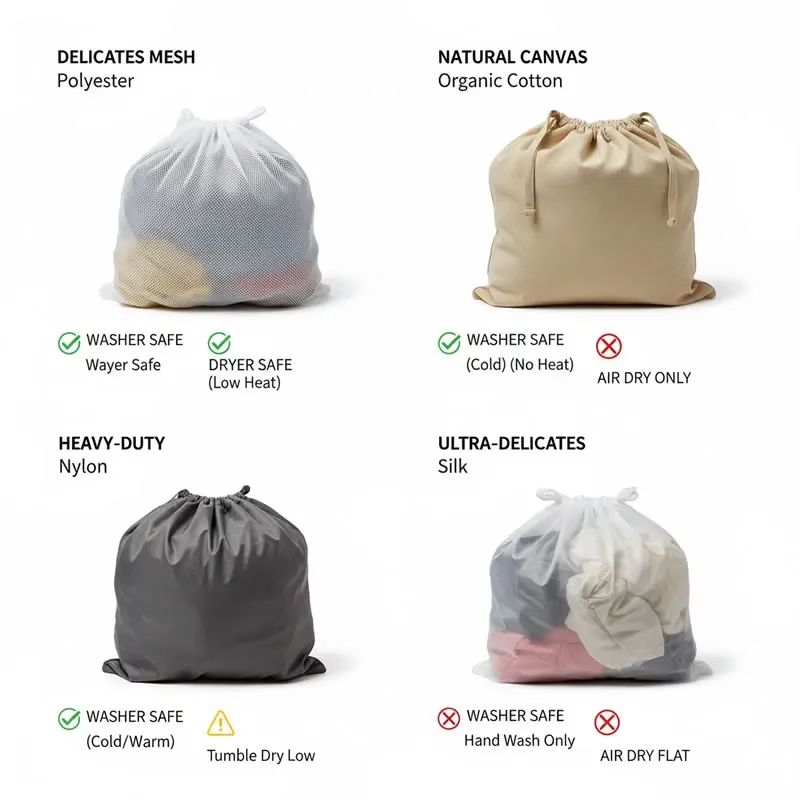
Polyester mesh and nylon bags withstand standard dryer temperatures (up to 130°F) without damage. You can wash and dry them without removing them from the bag, which speeds up workflow in busy laundry facilities.
Cotton and eco-friendly bags should air-dry. High heat can shrink cotton fibers and weaken recycled PET fabric. For homes and boutique hotels, air-drying isn’t a burden — you just hang the bags on a clothesline or drying rack. For industrial operations running thousands of loads daily, air-drying creates bottlenecks.
| Bag Material | Washer Cycles | Dryer Use | Temperature Limit | Air-Dry Recommended? |
|---|---|---|---|---|
| Polyester Mesh | All cycles | Yes | Up to 130°F | Optional |
| Nylon (Heavy-Duty) | All cycles | Yes | Up to 140°F | Optional |
| Cotton | Gentle cycles | No | N/A | Yes, required |
| Recycled PET | All cycles | Yes | Up to 120°F | Optional |
Tip for commercial operations: choose bags rated for both high-heat washing (180°F+) and drying to maintain workflow efficiency. The upfront cost is higher, but the time savings pay for the upgrade quickly.
Separating Clothes Correctly Inside Laundry Bags
Sorting laundry is one of the oldest and least enjoyable household tasks. Laundry bags flip this dynamic by making sorting strategic and efficient.
The basic principle: group items by how they interact with each other during washing.
Dark colors in one bag, whites in another. This prevents indigo or black dye from bleeding onto light-colored fabrics. It sounds simple, but dye transfer is one of the most common fabric damage complaints.
Delicate fabrics in fine mesh, heavy fabrics in separate bags. Lace and silk aren’t physically damaged by towels, but the friction wears delicate fibers faster. Keep them apart.
Sportswear and gym clothes in breathable or odor-resistant bags. Sweat dries in fabric fibers and creates smell even after washing. Breathable bags allow air circulation during storage, reducing odor between wash cycles.
A practical sorting system for households:
- White Delicates → Fine mesh bag (lingerie, dress shirts, baby clothes)
- Dark Everyday Wear → Medium mesh bag (jeans, t-shirts, casual pants)
- Towels and Bedding → Large reinforced nylon bag (absorbs most water weight)
- Gym and Sportswear → Breathable mesh with odor coating (faster drying, odor control)
Hotels and gyms benefit even more from organized sorting. Color-coded bags for different departments or fabric types eliminate confusion, speed up workflows, and reduce cross-contamination.
Real example: A shared laundry facility cut customer complaints by 40% after posting visual sorting guides next to each washing machine and enforcing capacity limits. People understood what went where, and results improved dramatically.

Maintaining Laundry Bags for Years of Reliable Use
Laundry bags aren’t disposable. With proper care, a quality mesh or nylon bag lasts 50+ wash cycles. Heavy-duty bags last 200+ cycles. Eco-friendly bags reach 100–150 cycles before fibers fatigue.
But only if you maintain them correctly.
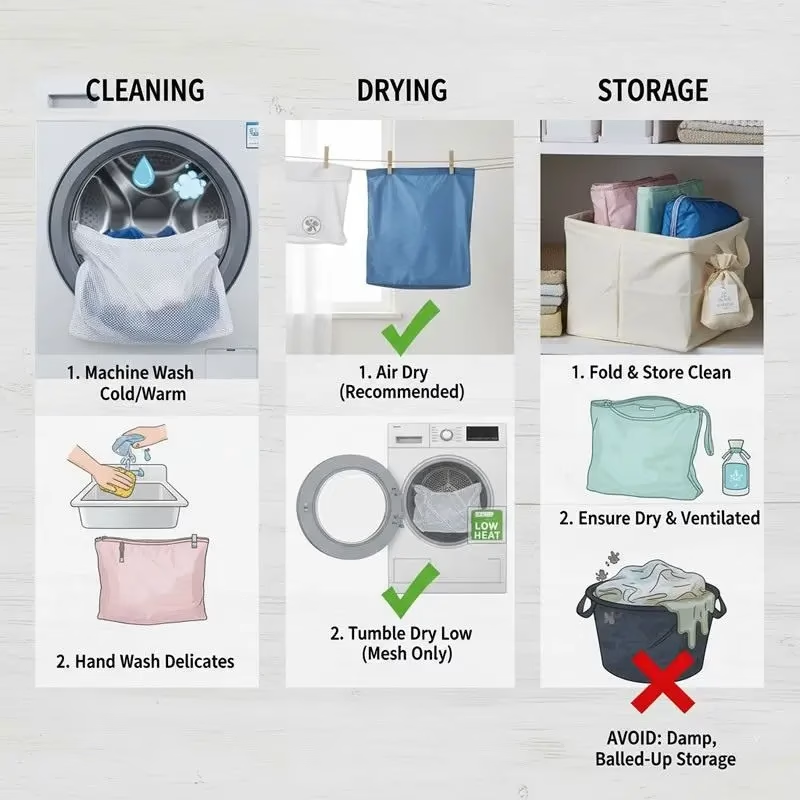
Wash laundry bags every 3–5 cycles in households, after every use in commercial settings like hotels or hospitals, and immediately after contact with sweat or wet items in gyms. Use warm water, mild detergent, and gentle machine agitation or hand-washing depending on material.
Air-drying is best for all bags. Yes, even polyester mesh. Tumble drying on low heat is acceptable, but air-drying extends lifespan significantly. Hang bags in a ventilated area and let them dry completely before folding or storing.
| Environment | Washing Frequency | Drying Method | Storage Method |
|---|---|---|---|
| Households | Every 3–5 cycles | Air-dry preferred | Dry, ventilated closet or shelf |
| Hotels & Hospitals | After each use | Air-dry or low-heat tumble dry | Separate bins for clean vs. used bags |
| Gyms & Sports Clubs | After each use | Air-dry immediately | Ventilated storage racks with odor control |
Material-specific care makes a difference:
Polyester Mesh: Machine-wash on gentle cycle, air-dry or tumble dry on low heat.
Heavy-Duty Nylon: Durable enough for industrial washers, but dry fully before reuse to prevent mold.
Cotton & Eco-Fabrics: Hand-wash with eco-friendly detergent, always air-dry to prevent shrinking.
Waterproof or Coated Bags: Wipe down interiors with a mild disinfectant, avoid high heat that damages waterproof layers.
Odor and mold prevention is critical. Empty bags immediately after each cycle, hang them to air-dry fully, and store in dry, well-ventilated spaces. For commercial settings, install ventilated drying racks and consider odor-absorbing sachets (activated charcoal or baking soda) in storage bins.
One hospital reduced cross-contamination incidents by 30% after implementing separate storage bins for clean and used laundry bags. The system took minimal effort to set up but had measurable impact on hygiene compliance.
Choosing the Right Laundry Bag for Your Specific Needs
Walk into a store or browse online, and you’ll face overwhelming options. Different sizes, materials, colors, closure types. How do you know which one matches your situation?
Start with these four decisions:
Decision 1: How much will you wash at once?
Small bags hold 1–2 delicate items and weigh almost nothing when empty. Medium bags fit 3–4 everyday clothes. Large bags contain 6–8 towels or bedding. Extra-large bags handle 10–15 items in commercial settings.
Pick a size that matches your typical load. If you do laundry twice weekly with mixed fabrics, a medium bag works. If you’re a hotel managing hundreds of linens daily, go large or extra-large with heavy-duty construction.
Decision 2: Zipper or drawstring closure?
Zippers seal bags completely, preventing spillage during high-speed spin cycles. They’re perfect for travel and situations where you need total security. The downside: quality matters. Cheap zippers jam or break after a few uses.
Drawstrings offer flexibility. You can cinch them tight or leave them loose depending on load. They don’t break like zippers, but they’re less secure in industrial washers. Most commercial facilities use drawstrings with toggle locks for the best balance.
| Closure Type | Security | Durability | Ease of Use | Best For |
|---|---|---|---|---|
| Zipper | Excellent | Medium (quality-dependent) | Easy | Travel, home use, high-security scenarios |
| Drawstring | Moderate | High | Medium | Commercial bulk loads, flexibility needed |
| Toggle Lock | High | High | Medium | Hospitals, hotels, maximum security |
Decision 3: What material matches your environment?
Mesh for households and everyday use. Nylon for commercial volume and high heat. Organic cotton or recycled PET if sustainability is a value. Waterproof-coated for travel or moisture-prone settings.
Each material has trade-offs between durability, cost, breathability, and sustainability. Think about how intensively you’ll use the bag and what matters most to your operation.
Decision 4: Are there extra features you need?
Color-coding helps with sorting and branding. Transparent windows let you see contents without opening the bag. Foldable designs save storage space. Odor-resistant coatings manage sweat smell. Each feature adds cost, so consider which ones genuinely improve your workflow.

Common Mistakes That Cost You Time and Money
Even with the best laundry bags, certain habits undermine their value. Watch out for these:
Overfilling bags reduces water circulation, leading to inadequate cleaning and wrinkled clothes. Items at the center of an overstuffed bag barely get washed. Then you rewash, wasting water and detergent.
Using the wrong size bag for heavy items risks zipper breakage and seam tearing. Towels and jeans are heavier than people expect, especially when wet. Don’t try to fit a large load into a small bag.
Mixing incompatible fabrics causes damage despite using bags. Rough denim still abrades delicate lace if washed together. Keep fabric types separated with intentional bag assignments.
Skipping bag maintenance allows bacteria and odors to accumulate. Dirty laundry bags spread smell across everything you wash. Clean bags regularly, dry them fully, and store them properly.
Ignoring capacity limits during training leads to staff overfilling bags in commercial settings. One hospital laundry facility reduced rewashes and equipment strain by 20% just by posting visual capacity guides at each station.
Putting It All Together: Your Laundry Bag Action Plan
The details matter, but here’s the simple version: choose bags that fit your typical load, use them to sort strategically, fill them to two-thirds capacity, and maintain them properly.
For households, invest in a variety of sizes: small for delicates, medium for everyday wear, large for towels. Use color-coding if your family is large or you struggle with sorting. Buy mesh bags with sturdy zippers.
For commercial operations (hotels, hospitals, gyms), choose heavy-duty bags in 75–100 liter capacity with color-coding for different departments or fabric types. Train staff on capacity limits, establish washing schedules, and implement separate storage for clean and used bags.
For travelers, grab a compact set with at least three sizes: small, medium, and waterproof. The investment ($20–40 for a quality set) pays for itself in time saved and clothes protected.
For brands building a private-label line, consider what your customers value most. Budget-conscious shoppers want affordable mesh. Sustainability-focused buyers want organic cotton or recycled options. Commercial buyers need durability and volume capacity. You can serve multiple segments with different product tiers.
The result? Clothes last longer, you waste less water and detergent, laundry days become simpler, and in commercial settings, you reduce loss and speed up operations.
FAQ (Aimed at Professional Buyers & Procurement Teams)
What’s the minimum order quantity for wholesale laundry bags, and do you offer custom branding?
Answer: We work with buyers at all scales, from small businesses to large procurement teams. Minimum order quantities start at 500 units for standard colors and designs, with volume discounts at 1,000, 5,000, and 10,000+ unit levels. Custom branding through embroidery, printing, or woven labels is available on orders of 1,000+ units. We also offer design consultation to help you develop a private-label product line that matches your market positioning. Lead times for custom orders range from 4–8 weeks depending on complexity.
Do your laundry bags pass safety and environmental certifications?
Answer: Yes. All our laundry bags are manufactured using REACH-compliant materials and pass environmental safety testing required for North American, European, and Japanese markets. Our eco-friendly collection uses certified organic cotton or recycled PET sourced from verified suppliers. For commercial buyers, we provide material certifications, test reports, and supply chain transparency documentation upon request. We’re happy to discuss specific compliance requirements for your region or industry.
What’s the typical lifespan of a heavy-duty laundry bag in a high-volume commercial setting?
Answer: Heavy-duty bags using 400D–600D nylon with reinforced double-stitched seams typically survive 500–1,000+ wash cycles in commercial laundry environments (hotels, hospitals, gyms). Lifespan depends on wash temperature, mechanical stress, maintenance protocols, and whether bags are air-dried or machine-dried. We recommend quarterly inspections and immediate replacement of bags showing seam wear or zipper damage. Most commercial customers budget for 18–36 month replacement cycles. We offer bulk replacement pricing for facilities managing large bag inventories.
Can you provide samples before we commit to a large order?
Answer: Absolutely. We offer free samples of our standard laundry bag designs and materials so you can evaluate quality, size, closure mechanisms, and durability before committing to a large order. Sample sets typically include a small mesh bag, a medium everyday bag, and a large heavy-duty bag. We ship samples within 5 business days. For custom designs or specific requirements, sample development takes 2–3 weeks. Contact our sales team with your requirements, and we’ll send a formal quote and sample timeline.
Do you offer technical support for implementing a laundry bag system in our facility?
Answer: Yes. We provide implementation support including capacity planning, color-coding system design, staff training materials, and workflow optimization guidance. For large commercial clients (hotels with 100+ rooms, hospitals, industrial laundries), we conduct on-site assessments to recommend appropriate bag sizes, quantities, and protocols. We also supply training posters, capacity guides, and maintenance instruction sheets customized for your facility. Our team is available for phone/video consultation to ensure a smooth rollout.
We manufacture laundry bags designed for every situation. Whether you’re looking for reliable mesh bags for your home, heavy-duty options for commercial operations, eco-friendly choices for conscious consumers, or custom products for your brand, we’ve been perfecting laundry bag manufacturing since 2014.
Here’s what sets us apart:
- Direct manufacturer pricing — no middlemen, no inflated costs
- OEM and custom design services available for any volume
- REACH-compliant materials tested for safety and durability
- Experience supplying Europe, North America, South America, Korea, and Japan
- Free samples to evaluate quality before you commit
Next step: Contact us today for free samples, bulk pricing, or to discuss a custom laundry bag solution tailored to your needs. Whether you need 100 units or 100,000, we’re ready to partner with you.
[Get Wholesale Quote] [Discuss Custom Design