
When’s the last time you spent thirty minutes digging through a pile of clothes because everything was jumbled together—delicates tangled with towels, lights mixed with darks? Most households and procurement teams face this exact problem, and the solution is simpler than you’d think. A laundry bag big enough to match your actual load volume transforms how you manage laundry, protects your fabrics, and saves time sorting and folding.
The right size isn’t just about convenience. It’s about how water and detergent move through your clothes during the wash cycle, how fabrics maintain their shape, and ultimately, how long your garments last. Whether you’re a household managing weekly loads, a hospitality business handling dozens of linens daily, or a procurement team sourcing for multiple properties, understanding big laundry bag capacity and construction makes a measurable difference.
This guide walks through capacity standards, material options, practical sizing for different scenarios, and why partnering with a reliable manufacturer matters when you need bags built to perform.
Understanding Laundry Bag Capacity and the “2/3 Rule”
Before buying a large laundry bag, most people assume bigger is always better. That’s not quite right. Overstuffing reduces cleaning effectiveness because water and detergent can’t circulate properly. Undersizing creates extra trips and defeats the organizational purpose entirely.
The industry standard—called the 2/3 rule—provides clear guidance. Fill bags to about two-thirds capacity, leaving space for water and detergent to move through the load while keeping items contained and organized. This approach balances protection with cleaning performance.
Here’s how capacity translates to real-world usage:
| Bag Size | Capacity Range | Typical Garment Count | Best For | Fill Level |
|---|---|---|---|---|
| Small | 12″×16″ (15-20L) | 1–2 delicate items | Lingerie, hosiery, accessories | 2/3 full |
| Medium | 16″×20″ (30-40L) | 3–4 lightweight items | Everyday clothing, mixed fabrics | 2/3 full |
| Large | 20″×24″ (50-75L) | 6–8 towels or blended loads | Families, households with regular laundry | 2/3 full |
| Extra-Large | 24″×36″ (75-100L) | 10–15 items | Commercial operations, bulk linens | 2/3 full |
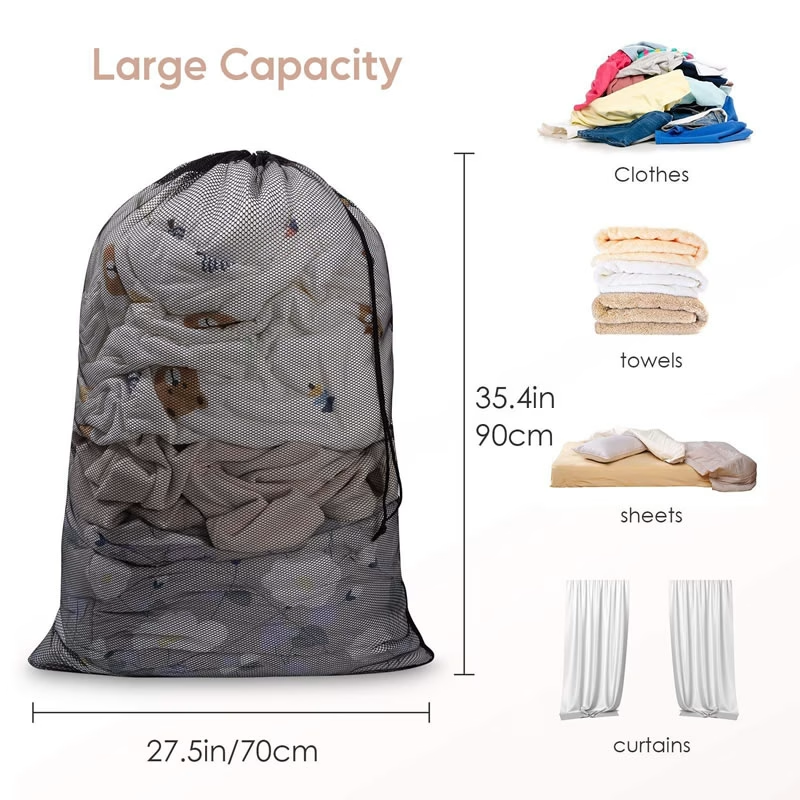
For a typical family of four, a large mesh laundry bag in the 50–75 liter range handles most weekly loads without requiring multiple bags. A single large bag means fewer trips to the washing machine and more efficient load organization.
Households handling delicate items benefit from having multiple bag sizes on hand. One extra-large bag for towels and everyday wear, plus a medium or small bag for bras, silk items, and fine knits—this layered approach preserves garment quality while maintaining efficient workflow.
Material Types and Their Impact on Durability
Not all large laundry bags perform the same way. The material you choose affects durability, drying time, maintenance requirements, and long-term cost. Understanding these differences helps you select bags suited to your actual washing environment.
Mesh Polyester
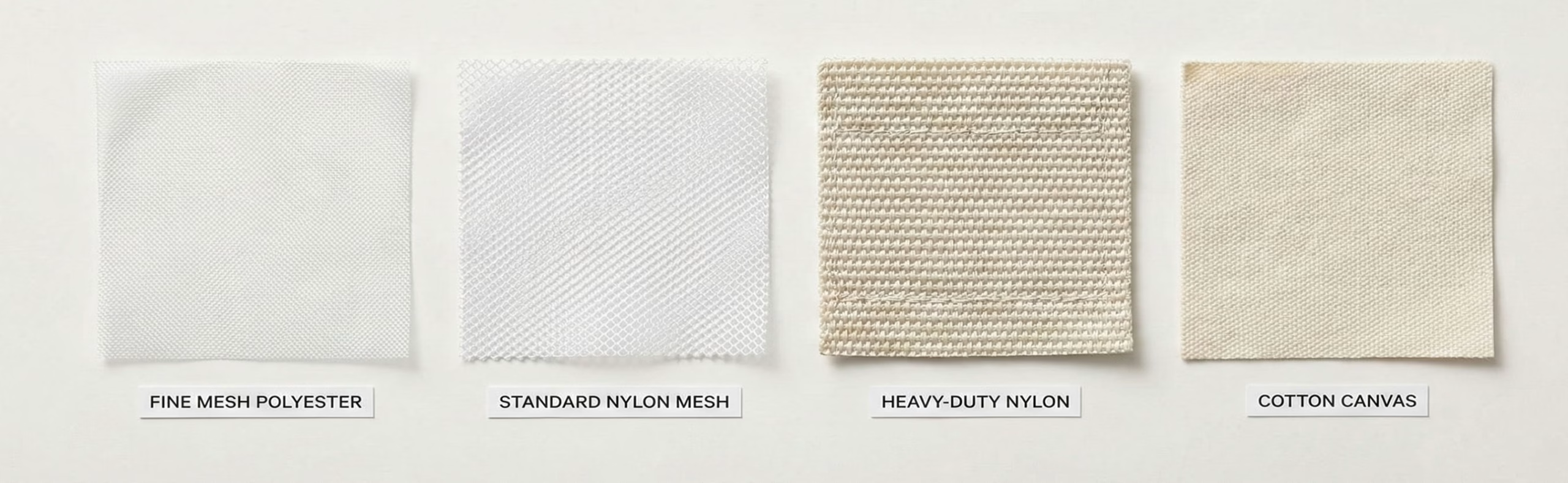
Fine mesh polyester dominates the market because it balances affordability with reliable performance. The small weave (typically 2-3mm holes) allows water and detergent to flow freely while shielding delicate fabrics from direct contact with the washing machine drum. Fine mesh polyester works for everyday clothing, lingerie, and blended loads.
Standard mesh (3-5mm openings) handles general laundry loads—towels, sheets, everyday uniforms. This balance of protection and flow suits most household and light commercial operations.
Polyester mesh dries quickly (15–20 minutes with air circulation), making it practical for environments where turnaround time matters. Quality polyester bags last 150–200 wash cycles before seams begin to fail or fabric softens.
Heavy-Duty Nylon and Mesh Blends
When operational demands increase—commercial hotels, hospitals, fitness facilities—heavy-duty mesh becomes essential. Nylon and heavy-duty nylon blends withstand aggressive washing, repeated high-heat drying, and the constant friction of handling dozens of bags daily.
Heavy-duty mesh typically features wider openings (5-8mm) to accommodate bulky items like kitchen textiles and work uniforms while still providing adequate containment. Reinforced edge binding prevents fraying and seam separation after 200+ wash cycles. Quality heavy-duty bags reach 250–350 cycles before showing signs of wear.
The trade-off is drying time and upfront cost. Heavy nylon takes longer to dry (18–25 minutes), requiring more ventilation and space. But the extended lifespan makes the investment worthwhile for high-volume operations.
Canvas and Coated Options
Cotton canvas laundry bags offer durability and a structured appearance preferred in hospitality settings. Canvas breathes naturally, preventing odor buildup during storage. However, canvas requires air-drying (never machine-drying) and takes 45–60 minutes to dry fully. Canvas lasts 400+ wash cycles, making it ideal for collection, storage, and transport roles where durability matters more than drying speed.
Waterproof or coated bags serve specific functions. These bags prevent seepage during wet laundry transport (useful for towels and linens) but require different care—wiping rather than washing, and always air-drying to avoid damaging the protective coating. Coated bags typically last 100–150 cycles before the waterproof layer degrades.
| Material Type | Wash Cycle Life | Drying Time | Best Applications | Maintenance |
|---|---|---|---|---|
| Fine mesh polyester | 150–200 cycles | 15–20 min | Delicates, everyday wear, lingerie | Machine wash, air or low-heat tumble dry |
| Standard mesh nylon | 200–300 cycles | 12–18 min | General laundry, towels, sheets | Machine wash, air or tumble dry |
| Heavy-duty nylon blend | 250–350 cycles | 18–25 min | Work uniforms, kitchen textiles, commercial | Machine wash, air-dry preferred |
| Cotton canvas | 400+ cycles | 45–60 min | Collection, delivery, storage | Hand or gentle wash, air-dry only |
| Waterproof coated | 100–150 cycles | N/A | Damp item transport, containment | Wipe clean, air-dry always |
How Big Laundry Bags Improve Garment Protection
Size and quality go hand-in-hand when it comes to protecting what matters. A properly sized extra large laundry bags reduces friction between garments while still keeping them organized and protected during the wash cycle.
The protective benefits extend beyond delicates. Even durable items like cotton t-shirts and jeans experience less pilling, fading, and wear when given proper space in the wash. Here’s why:
Friction Reduction: The mesh barrier prevents direct contact between your clothes and the washing machine drum, which is where most snagging occurs. Delicate fabrics like lace, silk, and fine knits can pull and tear when caught on the drum’s ridges or on other garments’ zippers and hooks.
Shape Retention: Knits and elastic-based items (leggings, sweaters, bras) maintain their shape when confined to a bag because movement is limited and controlled. Unrestricted washing allows these items to stretch unevenly, and some stretches become permanent. A mesh bag provides just enough containment without crushing items together.
Color Preservation: By placing colored items in separate bags, you minimize the risk of color bleeding during washes. Newer cotton items, in particular, release excess dye in the first several washes. Contained loads mean those loose dyes stay within the bag’s mesh barrier rather than transferring to other garments.
Prevention of Pilling: Pilling—those small, unsightly fuzz balls that form when fibers rub together—is reduced dramatically when items have controlled movement. Reduced friction means fewer fibers break free and bundle into pills, keeping fabrics smooth longer.
These protection benefits apply to commercial settings too. Hotels, hospitals, and laundry services that process hundreds of items daily see measurable improvements in linen lifespan when using appropriately sized bags. Fewer replacements mean lower operating costs over time.
Sizing for Different Environments and Use Cases
The “right” size depends on how you actually do laundry. One-person apartments, family homes, and commercial operations have very different needs.
Household Use
A household doing laundry twice weekly with a mix of everyday clothes, towels, and delicates typically needs one large laundry bag (50–75L) for general loads and one small to medium bag for delicate items. This two-bag approach handles most loads without requiring multiple trips.
Families of five or more might benefit from two large bags—one for whites and one for darks—allowing parallel washing and faster weekly completion. If bedding gets washed weekly, a third large bag becomes practical for sheets, pillowcases, and blankets.
Travel and Temporary Situations
Travelers, college students, and people moving frequently need portability. A compact set with three sizes (small, medium, and one waterproof) costs $20–40 and saves enormous time and stress. The waterproof bag contains wet swimwear or gym clothes without leaking onto other luggage.
Hospitality and Hotels
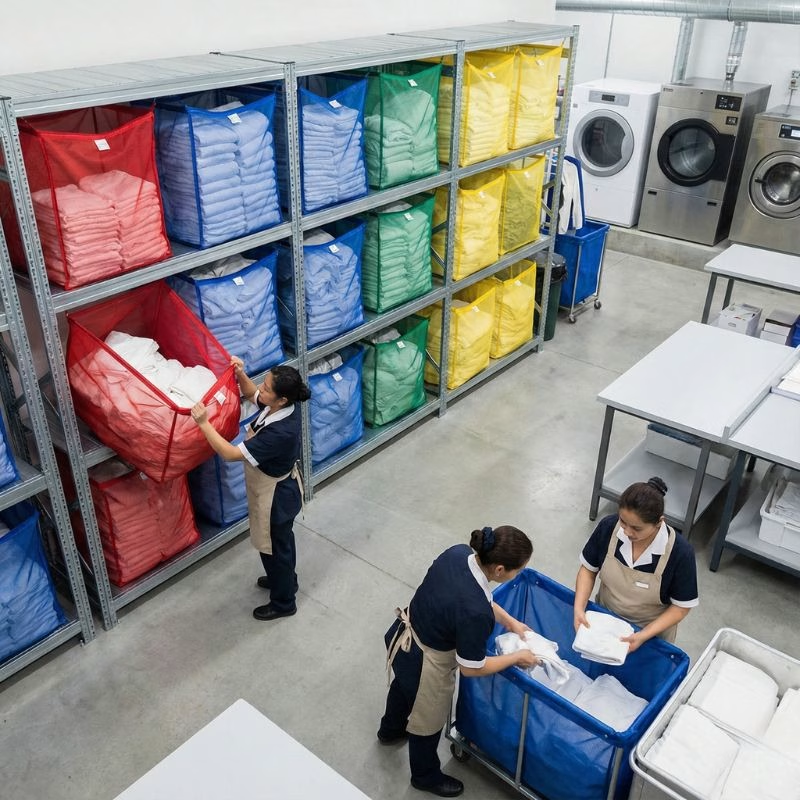
Hotels handle guest laundry differently than households. Guest clothing arrives in rooms daily, requiring immediate collection and processing. Medium to large bags work best, with color-coding systems helping staff identify bag contents at a glance.
A typical hotel property maintains:
-
Housekeeping bags (large, often red or green canvas) for in-room collection
-
Guest laundry bags (medium, often with a name/room-number label space) for guest-initiated laundry services
-
Linen bags (large or extra-large, heavy-duty mesh) for processed linens awaiting return to rooms
This three-tier system keeps operations organized and ensures quick turnaround. A room turnover typically happens within 4–6 hours, which requires efficient bag sizing to prevent bottlenecks.
Healthcare and Hospitals
Medical facilities classify laundry into risk categories:
-
Low-risk (general patient linens)
-
Moderate-risk (OR towels, lab coats)
-
High-risk (isolation room textiles)
Each category may use differently colored or marked bags. Many facilities employ water-soluble bags for high-risk items—the entire bag dissolves during washing, eliminating staff exposure to contaminated textiles. Water-soluble bags must be properly sized to dissolve completely, so capacity matters for compliance and safety.
Gyms and Fitness Facilities
Athletic facilities generate high volumes of towels and workout gear daily. Bags need fast drying and frequent washing (after every use is standard). Heavy-duty mesh bags in the 75–100L range work best, with ventilated storage racks and odor-control measures (activated charcoal or baking soda) preventing mold and mildew during storage between uses.
Choosing Between Drawstring, Zipper, and Handle Closures
How a big laundry bag closes affects ease of use, security, and durability. Different closure styles suit different environments.
Drawstring Closures
Drawstring bags remain the most affordable and simple option. A cord runs through a casing around the bag’s opening, allowing quick closure without mechanical parts to wear or break. Drawstring bags work well for household use and for situations where cost and simplicity matter more than individual item security.
The downside: items can occasionally escape if the drawstring isn’t fully cinched, and the string itself eventually frays or breaks with repeated use.
Zipper Closures
Zipped bags provide superior containment—once zipped, nothing falls out. This matters for delicate items, small articles like socks, and for travel. Quality zippers last 200+ cycles when properly maintained, though zipper failure (stuck or broken sliders) is the most common reason bags get retired early.
Zippers also allow for staged opening—you can partially unzip to add or remove items without opening the entire bag. This proves valuable in commercial settings where you might need to add urgent items to a load already in transit.
The trade-off is cost (zippers add $1–3 per bag) and slightly longer opening/closing time.
Reinforced Handles
Large bags intended for carrying heavier loads benefit from padded shoulder straps or dual webbed handles. A single handle is fine for light loads, but anything over 10 pounds (5kg) really needs dual handles to distribute weight evenly and prevent strain injuries.
For commercial operations handling multiple heavy bags, handles become essential. Look for reinforced stitching where handles attach to the bag—this stress point fails first if handles are poorly constructed.
Environmental Responsibility and REACH Compliance
Increasingly, buyers demand bags made with environmentally friendly materials that meet international safety standards. Understanding these certifications helps you make informed sourcing decisions.
REACH Compliance
REACH (Registration, Evaluation, Authorization and Restriction of Chemicals) is a European Union regulation ensuring textiles don’t contain harmful substances. Materials and dyes must be tested and documented. REACH-compliant bags cost slightly more upfront but provide assurance that you’re not exposing users to potentially harmful chemical residues.
Many customers in Europe and North America now specifically request REACH-compliant bags. If you serve those markets, compliance becomes a competitive necessity rather than a nice-to-have.
Eco-Friendly Materials
Polyester and nylon are petroleum-derived synthetics. Many manufacturers now offer recycled polyester (rPET) and recycled nylon alternatives, which reduce environmental impact while maintaining performance. Recycled materials typically cost 5–15% more but appeal strongly to environmentally conscious buyers.
Cotton bags, while natural and biodegradable, require more water and pesticides to grow unless certified organic. Organic cotton costs significantly more but attracts premium-market buyers.
Testing and Certifications
Look for bags carrying certifications like:
-
OEKO-TEX Standard 100: Tests for harmful substances and ensures safe textiles for human use
-
ISO 9001: Indicates quality management systems are documented and audited
-
GRS (Global Recycled Standard): Verifies recycled content claims when bags use recycled materials
These certifications cost manufacturers time and money, so their presence signals genuine commitment to quality and compliance.
Practical Guidance for Washing and Maintenance
The lifespan of your large wash bag depends heavily on how you care for it. Proper maintenance extends the life from 100 cycles to 300+ cycles, representing significant cost savings over time.
Washing Your Bags
Bags themselves accumulate lint, dust, and residual detergent. Wash bags every 3–5 cycles in household settings or after every use in commercial environments. Use warm water, mild detergent, and gentle machine agitation. Heavy-duty commercial bags can tolerate more aggressive washing if they’re industrial-grade nylon, but fine mesh polyester requires gentler handling.
Hand-washing is always safe for any bag material. Soak in warm water with mild detergent for 10–15 minutes, gently scrub seams and problem areas, rinse thoroughly, and air-dry completely.
Drying Methods
Air-drying is the gold standard for all bag materials. Hang bags in a ventilated area with good air circulation. This typically takes:
-
Fine mesh polyester: 15–20 minutes
-
Standard nylon mesh: 12–18 minutes
-
Heavy-duty nylon: 18–25 minutes
-
Cotton canvas: 45–60 minutes
Tumble drying on low heat is acceptable for polyester and nylon but shortens lifespan compared to air-drying. Never machine-dry canvas or coated bags—the heat damages these materials.
Storage and Odor Prevention
Store clean, fully dry bags in a dry, well-ventilated space. Damp bags left in sealed storage breed mold and mildew within days. For commercial operations, install ventilated drying racks. Consider odor-absorbing sachets (activated charcoal or baking soda) in storage bins, especially for high-sweat environments like gyms.
Separate clean and used bags into different storage areas to prevent cross-contamination and reduce staff confusion.
Addressing Common Issues
Odor and Mildew: Empty bags immediately after use. Hang to air-dry fully. Store in ventilated spaces. If mold appears, soak affected areas in a 1:1 solution of white vinegar and water, rinse well, and air-dry completely.
Seam Separation: Inspect seams regularly, especially at stress points. Bags with failing seams should be retired to prevent complete separation mid-wash. For valuable bags, minor seam repairs can be made with needle and thread using a whip stitch, though professional mending is preferred for heavy-duty commercial bags.
Zipper Failure: Keep zippers clean and dry. Occasionally run a graphite pencil along the zipper track to keep it smooth. If a zipper completely fails and the bag is otherwise sound, some repair shops can replace zippers for $5–10, making it worthwhile for valuable bags.
Sourcing Big Laundry Bags: What Professional Buyers Should Know
If you’re sourcing bags for a hotel, hospital, laundry service, or large household operation, quality and consistency matter enormously. Working with a dedicated manufacturer offers advantages over purchasing generic retail options.
Key Sourcing Considerations
Minimum Order Quantities (MOQs): Many manufacturers require 100–500 pieces for custom orders. Some allow smaller initial orders for testing. Negotiating lower MOQs for first orders lets you test quality and fit before committing to large volumes.
Customization Options: Look for manufacturers offering:
-
Custom sizing (exact dimensions matching your machines and loads)
-
Color-coding (different colors for different departments or fabric types)
-
Logo printing or embroidery (for branding or identification)
-
Material selection (fine vs. standard mesh, nylon vs. polyester, waterproof coatings)
-
Closure options (drawstring, zipper, reinforced handles)
Lead Times: Standard production typically takes 15–20 days after design approval. Faster turnaround (7–10 days) is possible for smaller orders or if you accept limited customization. Plan ahead to avoid supply shortages during peak laundry seasons.
Sample Availability: Reputable manufacturers provide free or low-cost samples within 7–10 days. Always test samples through your actual washing cycles (5–10 washes minimum) before committing to bulk orders. Document performance issues and share feedback with manufacturers to refine specifications.
Quality Assurance Questions to Ask
-
What material verification and testing happens before production?
-
How are seams inspected during manufacturing?
-
What is your defect rate on finished products?
-
Can you provide wash cycle durability testing data?
-
What certifications do your materials hold (REACH, OEKO-TEX, ISO 9001)?
-
Do you offer color-fastness and shrinkage testing?
-
Can you accommodate RFID tags or special tracking systems?
-
What’s your return policy if bags don’t meet specifications?
Manufacturers confident in their quality answer these questions thoroughly and provide documentation. If a supplier deflects or offers vague responses, that’s a red flag.
Getting the Most Value from Your Investment
Whether you’re buying a single extra large laundry bags set for your home or 500 bags for a commercial operation, understanding how to evaluate options helps you get real value rather than just the lowest price.
Cost vs. Lifespan: A $12 polyester bag lasting 200 cycles costs $0.06 per cycle. A $20 heavy-duty nylon bag lasting 300 cycles costs $0.067 per cycle. The premium bag’s cost is nearly identical per use, but it handles heavier loads and faster turnaround—potentially saving labor costs in commercial settings. Purchasing decisions should account for total cost of ownership, not just unit price.
Bulk Discounts: Volume purchasing typically brings 10–20% discounts. If you operate multiple properties or anticipate regular reordering, establish a relationship with a manufacturer rather than buying spot quantities. Volume commitments (e.g., “We’ll order 200 bags quarterly”) often unlock better pricing and priority support.
Local vs. Overseas Sourcing: Overseas manufacturers typically offer lower unit costs but require larger MOQs and longer lead times. Domestic suppliers may cost more per unit but allow flexibility on smaller orders and faster turnaround if you need emergency stock. Choose based on your operational flexibility and volume predictability.
Frequently Asked Questions
1. What size laundry bag do I need for my household?
A household of 1–2 people typically needs a medium bag (16″×20″, 30–40L) for weekly laundry. Families of 3–4 benefit from a large bag (20″×24″, 50–75L). Larger families or those doing laundry less frequently should consider two large bags or one extra-large (75–100L). Measure your washing machine’s drum to ensure bags fit comfortably without crushing against the sides.
2. Can I use a laundry bag for both delicates and heavy items?
Not effectively. Delicate items need fine mesh to prevent snagging, while towels and heavy fabrics work better in standard or heavy-duty mesh with wider openings that allow thorough cleaning. Using separate bags—one for delicates, one for everyday wear—protects fabric quality and improves wash results. This organization approach also means faster sorting after drying.
3. How often should I wash and replace my laundry bags?
Wash bags every 3–5 cycles in household settings or after every use in commercial environments. With proper care and air-drying, quality mesh bags last 150–300+ wash cycles depending on material. Canvas bags can reach 400+ cycles. When seams fail, zippers break, or handles tear, it’s time to replace the bag.
4. Do laundry bags work in all washing machine types?
Mesh laundry bags work in top-load and front-load machines. However, top-load washers with agitators can sometimes cause bags to bunch or tangle around the agitator. Front-load machines work more reliably with bags. Test bags in your specific machine first by running one empty cycle, then with a light load, before washing full laundry loads. Contact us to request samples for testing in your actual equipment.
5. Can I customize laundry bags with my company logo or colors?
Yes. We welcome OEM partnerships and custom orders including custom sizing, material selection, color-coding, screen printing, embroidery. Most customizations add 5–7 days to production. Color-matched Pantone options and digital mockups are provided for approval before production begins. Minimum orders typically start at 100 pieces. Reach out for detailed specifications and samples.