
A laundry mesh bag protects bras, tights, and other delicate items from snagging and tangling during a wash cycle. The open weave lets water and detergent reach every fiber. At the same time, it keeps hooks, straps, and trims away from zippers and buttons on other clothes. Knowing how to use a laundry mesh bag correctly makes the difference between clothes that last and clothes that wear out fast.
This guide covers loading, closing, washing, and drying a mesh bag the right way. It also explains which fabrics belong inside one, which sizes fit best, and how these bags perform against microfiber shedding. By the end, sorting and washing with a laundry mesh bag will feel automatic.
Quick Answer: To use a laundry mesh bag, sort delicate items separately and load them loosely without overstuffing. Seal the bag with its zipper or drawstring, then wash on a gentle cycle in cold or warm water. Air-dry or tumble dry on low. Never mix zippers, hooks, or heavy items like towels into a bag meant for fine fabrics.
What Is a Laundry Mesh Bag and How Does It Work?
A laundry mesh bag is a porous fabric pouch, usually woven from polyester or nylon. It shields clothes during a wash cycle while still letting water and detergent pass through. The open weave keeps seams, straps, and embellishments from rubbing against the drum, the agitator, or other garments.
Thousands of small openings still let soap and water circulate around each item. This means the fabric gets clean, unlike a sealed pouch that traps detergent on the surface. Most bags close with a zipper, a drawstring, or a plastic clip, so the contents stay put through a full spin cycle.
Mesh Weave and Denier Explained
Manufacturers rate mesh fabric by denier, a measurement of thread thickness. Lower-denier mesh, around 40D to 70D, feels lighter and suits bras and hosiery. Higher-denier mesh, closer to 100D to 150D, holds up better for sports gear and shoes. The thicker threads resist tearing under repeated washes.
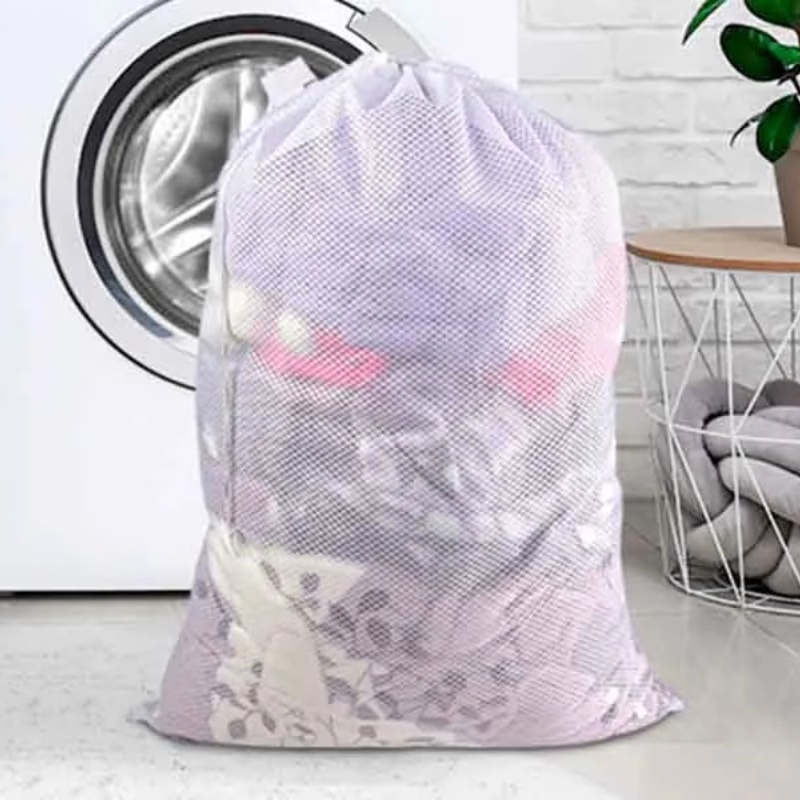
How to Use a Laundry Mesh Bag: Step-by-Step
Using a laundry mesh bag takes four steps. Sort delicates from heavier fabrics, load items loosely, close the bag securely, then run a gentle cycle in cool or warm water. Skipping any one step reduces how well the bag protects your clothes.
Sort first. Separate items with hooks, straps, or embellishments from heavier fabrics like jeans or towels. Bras, tights, and delicate blouses belong in one group. Sorting by fabric weight also keeps the wash balanced. Mixing light lingerie with heavy denim can wear the mesh unevenly.
Load loosely. Place three to five small items, or one to two larger pieces, into the bag. Overstuffing blocks water circulation, so clothes come out only partially clean. It also stretches the mesh out of shape over time.
Close it fully. Zip the bag shut, pull the drawstring tight, or snap the clip closed. A partially closed bag lets small items slip out. Loose socks or hair clips can then clog the washing machine’s drain pump.
Wash on a gentle cycle. Run the load on a delicate setting in cold or warm water, generally below 86°F (30°C). This limits fabric stress and color bleeding. Add the bag alongside a normal load of similar-colored clothes, since mesh bags don’t need to run alone.
Closing the Bag Correctly
A drawstring closure works best for irregular items like tights or scarves, since it cinches tight around bulky shapes. Zipper closures suit bras and structured garments instead. They keep the item flat and stop the underwire from poking through the mesh. Clip closures, common on smaller bags, work well for socks and small accessories, but they hold less weight than a zipper or drawstring.
Choosing the Right Mesh Bag Size and Material
The right laundry mesh bag size depends on what you’re washing. Small bags, around 8 x 10 inches, suit bras and hosiery. Large bags, 20 inches or more, fit sweaters, sports gear, or a full load of baby clothes. Material matters too: polyester mesh resists stretching, while nylon mesh offers a softer, finer weave.
| Bag Type | Typical Size | Closure | Best For |
|---|---|---|---|
| Bra/Delicates Mesh Bag | 8″ x 10″ to 12″ x 15″ | Zipper | Bras, lingerie, hosiery |
| Standard Laundry Mesh Bag | 16″ x 20″ to 24″ x 28″ | Drawstring or zipper | Sweaters, baby clothes, mixed delicates |
| Drawstring Mesh Bag | 12″ x 16″ to 18″ x 24″ | Drawstring | Travel laundry, gym clothes, shoes |
| Zippered Storage/Wash Bag | 20″ x 24″ and up | Heavy-duty zipper | Bedding accents, stuffed toys, bulk items |
A laundry mesh bag built with reinforced seams and a REACH-tested polyester weave holds up across hundreds of wash cycles. That durability matters most for households doing laundry several times a week. For bras specifically, a dedicated bra laundry bag with a rigid zipper edge keeps underwire from bending.
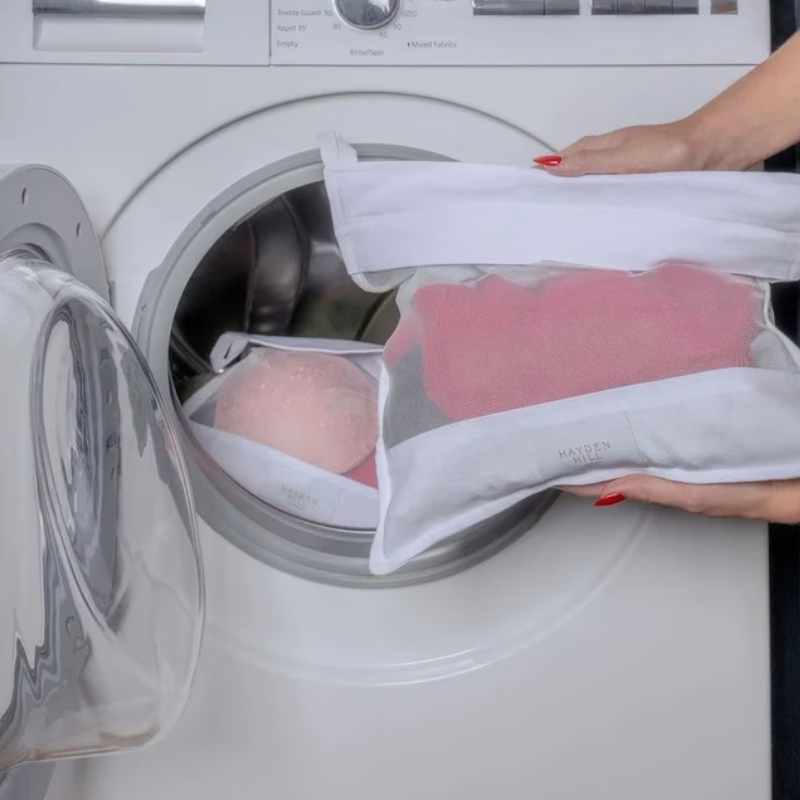
What to Wash (and Never Wash) in a Mesh Bag
Mesh bags work best for small, delicate, or embellished items that snag easily against other fabrics. Good candidates include bras, hosiery, lace trim, baby socks, swimwear, and small stuffed toys. Heavy or bulky items like jeans, towels, and comforters should stay out. They block water flow and stretch the mesh.
Items that belong in a laundry mesh bag include:
- Bras and shapewear, to protect underwire and elastic from hooks and zippers on other clothes
- Hosiery and tights, which snag easily on rougher fabrics during agitation
- Baby clothes and socks, since small items get lost or trapped in the drum without one
- Swimwear, to prevent spandex and Lycra from stretching against zippers
- Delicate blouses with buttons or lace, which fray faster in a direct wash cycle
A drawstring mesh bag also works well for travel laundry. It doubles as a container for dirty clothes between hotel washes. Skip dry-clean-only fabrics in any mesh bag, since detergent and water still reach the fabric surface through the mesh.
Can You Dry Clothes in a Mesh Laundry Bag?
Yes, most mesh laundry bags can go straight into the dryer on a low or air-fluff setting. The open weave lets warm air circulate around the clothes. High heat, however, can warp plastic zippers or clips over repeated cycles, so a low-heat or line-dry approach extends the bag’s lifespan.
Air-drying works better for bras and structured delicates, since heat breaks down elastic fibers faster than air exposure does. For everyday items like socks or gym clothes, tumble drying on low keeps everything paired and out of the lint trap.
Do Mesh Laundry Bags Reduce Microfiber Shedding?
Mesh laundry bags cut down on some microfiber loss, but they aren’t a complete filter. Standard mesh openings are far larger than individual synthetic fibers. Dedicated microfiber-catching bags, built with a much tighter weave, perform better at that specific job than a general-purpose laundry mesh bag.
Research backs this up with real numbers. A PLOS One study on domestic laundry found that one wash load of synthetic fabric can shed between 124 and 308 milligrams of microfiber per kilogram of textile. That’s roughly 640,000 to 1.5 million individual fibers per load. A separate study in Nature Scientific Reports confirmed that washing synthetic clothes is a measurable contributor to microplastic pollution in wastewater.
Specialized capture bags, such as the Guppyfriend, use a mesh size near 30 microns. Independent tests show they trap roughly 54% to 86% of shed microfibers. A standard laundry mesh bag is built to protect fabric, not to filter fibers, so it won’t match those capture rates. Households focused on both fabric care and fiber reduction can pair a laundry mesh bag with a washing machine microfiber filter to cover both goals at once.
Frequently Asked Questions About Laundry Mesh Bags
Can I put a mesh laundry bag in the dryer?
Most mesh laundry bags tolerate a low-heat or air-fluff dryer setting without damage. High heat can warp zippers or clips over time. Air-drying or a low-heat cycle keeps both the bag and its contents in better condition for longer.
How many items should go in one mesh bag?
A mesh bag should stay about two-thirds full at most. That usually means three to five small items like bras or socks, or one to two larger pieces. Overfilling blocks water flow and stretches the mesh out of shape over repeated washes.
Do mesh bags stop microfiber shedding completely?
No, standard laundry mesh bags reduce some fiber loss but don’t filter it completely. Their mesh openings are larger than individual synthetic fibers. Dedicated microfiber-catching bags with a tighter weave, near 30 microns, perform better at trapping shed fibers.
What size mesh bag fits bras and lingerie?
A small bag around 8 x 10 inches to 12 x 15 inches fits most bras, hosiery, and lingerie. Zipper closures work best for this size, since they keep underwire flat and prevent it from poking through the mesh during agitation.
Can I use a mesh bag in a top-load washer?
Yes, mesh laundry bags work in both top-load and front-load washing machines. In a top-load washer with a center agitator, keep the bag loosely packed. This lets it move freely around the agitator post without snagging.
How often should I replace a laundry mesh bag?
A well-made polyester mesh bag typically lasts one to two years of regular use. After that, the seams weaken or the zipper starts to fail. Watch for visible holes, a stretched-out shape, or a zipper that no longer closes fully.
A Laundry Mesh Bag Belongs in Every Wash Routine
Learning how to use a laundry mesh bag comes down to a few habits. Sort by fabric type, load loosely, close it fully, and wash on a gentle cycle. Once those steps become routine, delicate items last noticeably longer, and laundry day stops causing tangled straps or missing socks.
The right bag matters as much as the routine. A reinforced laundry mesh bag with REACH-tested polyester mesh handles daily washing without breaking down. Dedicated bra laundry bags keep underwire and elastic protected through every cycle. For households doing laundry several times a week, that difference shows up in fewer replaced garments over time.
Ready to build a laundry routine that protects your clothes instead of wearing them out? Contact us to find the right mesh bag for your household, or browse the full laundry mesh bag collection to compare sizes and materials.