
You’ve probably been there before—standing in the laundry aisle, holding a flimsy mesh bag that feels like it’ll fall apart after three washes. Or worse, you’ve already bought those bargain-bin bags only to watch the zipper break or the mesh tear within weeks. Finding cheap laundry bags that don’t self-destruct feels harder than it should be.
Here’s the thing: affordable doesn’t have to mean disposable. The laundry bag market includes plenty of well-made options at reasonable price points, but you need to know what separates a good deal from a waste of money. Whether you’re stocking up for a commercial laundry operation, outfitting hotel housekeeping teams, or supplying your retail shelves, understanding what makes a cheap mesh laundry bag hold up over time can save you significant headaches down the line.
This guide walks you through the materials, construction details, and sourcing strategies that help you find laundry bags at the lowest price without compromising on durability. We’ll cover what to look for, what to avoid, and how to evaluate suppliers who can deliver consistent quality at scale.
Why Price Alone Shouldn’t Drive Your Laundry Bag Decisions
Let’s address the elephant in the room: not all cheap wash bags are created equal. A rock-bottom price tag often signals corners being cut somewhere—thinner mesh, weaker zippers, or stitching that won’t survive a commercial washing machine.
The real question isn’t “How cheap can I get these?” but rather “What’s the lowest price I can pay while still getting bags that perform reliably?” That distinction matters, especially when you’re ordering hundreds or thousands of units for business use.
Consider the hidden costs of poor-quality bags. When bags tear, you’re dealing with damaged garments, customer complaints, replacement orders, and wasted time. A mesh bag that costs 30% less but lasts half as long isn’t actually saving money—it’s costing more per use.
Smart procurement means looking at total cost of ownership rather than just the purchase price. Bags built with reinforced stitching, quality zippers, and appropriate mesh density might cost slightly more upfront but deliver far better value over their lifespan.

What Makes a Cheap Laundry Bag Worth Buying?
Finding the laundry bag lowest price that still delivers on performance comes down to evaluating a few specific factors. Here’s what separates worthwhile budget options from those destined for the trash bin.
Mesh Density and Material Weight
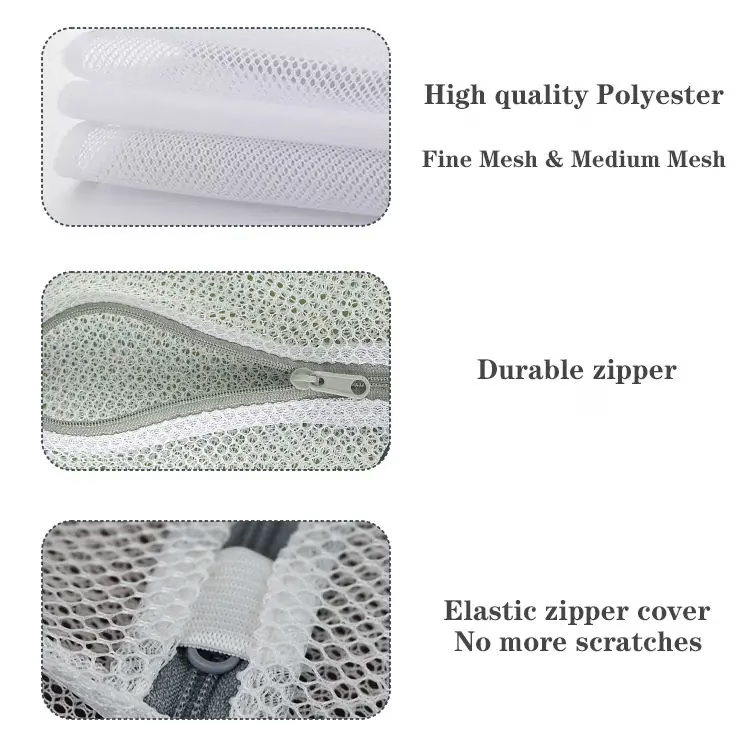
The mesh itself tells you a lot about durability. Look for polyester mesh rather than cheap nylon blends—polyester holds up better to repeated washing and drying cycles without losing shape or developing holes. The mesh should feel substantial when you handle it, not papery or overly thin.
Fine mesh works well for delicates like bras and lingerie, while coarser mesh suits heavier items like sneakers or bulky sweaters. Some manufacturers offer thickened mesh options that provide extra durability at only a modest price increase.
Zipper Quality and Reinforcement
Zippers fail more often than mesh in lower-quality bags. Examine how the zipper attaches to the bag—is there reinforced stitching around the zipper tape? Does the zipper slide smoothly without catching? Metal zippers generally outlast plastic ones, though quality plastic zippers can perform well for lighter-duty applications.
The zipper pull matters too. Larger pulls are easier to grip and less likely to break off. Some designs include protective flaps that cover the zipper during washing, preventing it from snagging on other items.
Stitching and Seam Construction
Turn the bag inside out if possible and examine the seams. Double-stitched seams hold up dramatically better than single-stitched ones. Look for consistent stitch spacing without loose threads or gaps. The corners and stress points deserve extra attention—these areas take the most abuse during use.
Comparison Table: Mesh Laundry Bag Quality Indicators
| Feature | Budget Quality | Mid-Range Quality | Recommended for Commercial Use |
|---|---|---|---|
| Mesh Material | Thin nylon blend | Standard polyester | Thickened polyester mesh |
| Mesh Weight | Under 40 GSM | 40-60 GSM | 60+ GSM |
| Zipper Type | Basic plastic | Quality plastic | Reinforced or metal |
| Stitching | Single-stitch | Double-stitch at stress points | Double-stitch throughout |
| Expected Lifespan | 10-20 washes | 50-100 washes | 200+ washes |
| Price Point | Lowest | Moderate | Slightly higher but worthwhile |
Cheap Laundry Bags for Different Use Cases
Not every application requires the same type of bag. Understanding your specific needs helps you avoid overspending on features you don’t need—or underspending on bags that won’t hold up.
Delicates and Lingerie Protection
Bra laundry bags need fine mesh to prevent hooks from catching and cups from crushing. These bags typically feature a more structured design, sometimes with internal compartments. For this application, look for bags with padded sections or sandwich-style construction that provides extra protection.
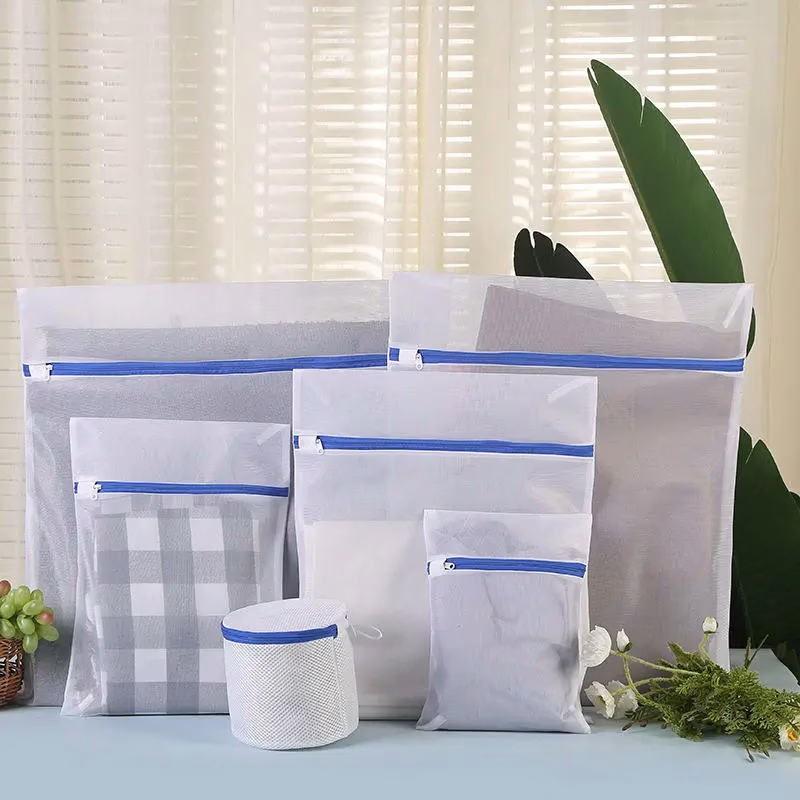
A 30×40 cm bra laundry bag works well for travel, while larger options like 40×50 cm thickened bags or 50×60 cm cleaning bra mesh bags handle full loads at home or in commercial settings.
General Laundry and Everyday Items
Standard cleaning mesh laundry bags handle socks, underwear, and other items that tend to get lost or tangled in wash loads. Medium mesh density works well here, allowing adequate water and detergent circulation while keeping items contained.
For wholesale and commercial buyers, colorful thickened fine mesh bags offer durability with visual appeal—useful if you’re reselling or providing bags to customers.
Sets and Multi-Bag Solutions
Purchasing laundry bag sets often provides the lowest per-unit cost. A set of 3 colorful mesh bags covers basic household needs, while larger sets of 5 or sets of 7 fine mesh bags work well for families, laundromats, or retail bundling.
How to Source Cheap Mesh Laundry Bags at Scale
When you’re buying in volume—whether for retail, hospitality, healthcare, or any other application—your sourcing strategy significantly impacts both price and quality consistency.
Working Directly with Manufacturers
Cutting out middlemen provides the most direct path to competitive pricing. When you source from the factory that actually makes the bags, you eliminate distributor markups and gain access to customization options that aren’t available through wholesale channels.
Direct manufacturer relationships also give you more control over quality. You can specify materials, request samples before committing to large orders, and address any issues directly rather than going through intermediaries.
Evaluating Supplier Credentials
Before placing a significant order, verify your supplier’s credentials. Look for manufacturers who can demonstrate compliance with environmental and safety standards like REACH testing. Ask about their production capacity, lead times, and quality control processes.
Request samples across different product lines to assess consistency. A supplier who delivers excellent samples but ships inconsistent bulk orders isn’t a reliable partner.
Customization and OEM Options
Many manufacturers offer OEM capabilities, allowing you to add your branding, specify colors, or modify designs to suit your market. Custom orders typically require minimum quantities, but the per-unit pricing on customized cheap wash bags can be surprisingly competitive when you’re ordering at scale.
Consider whether custom packaging, hang tags, or product labeling would add value for your end users. These additions increase the perceived value of affordable bags without dramatically increasing costs.
Common Mistakes When Buying Cheap Laundry Bags
Even experienced buyers sometimes fall into traps that lead to disappointing purchases. Recognizing these patterns helps you avoid them.
Ignoring Minimum Order Requirements
Some suppliers offer attractively low unit prices but require minimum orders that don’t match your needs. Calculate your actual requirements before negotiating—it makes no sense to buy 10,000 bags at a great price if you’ll only sell 2,000 before demand shifts.
Skipping the Sample Process
Ordering based on product photos alone invites disappointment. Colors may differ, materials might feel different than expected, and construction quality varies even within similar product categories. Always request physical samples before committing to volume orders.
Overlooking Shipping and Import Costs
That incredible per-unit price might not look so incredible once you factor in international shipping, customs duties, and handling fees. Request all-inclusive quotes or calculate landed costs yourself before comparing suppliers.
Choosing Based on Price Alone
The cheapest option rarely delivers the best value. A supplier offering prices significantly below market rate is likely cutting costs somewhere—materials, construction, or quality control. Trust your instincts if a deal seems too good to be true.
Material and Compliance Considerations
The materials in your laundry bags affect both performance and regulatory compliance. Understanding these factors helps you make informed decisions.
Polyester vs. Nylon: What Performs Better?
Polyester dominates the quality laundry bag market for good reasons. It resists shrinking, holds color well, and maintains its shape through repeated wash cycles. Polyester also dries faster than nylon, reducing the risk of mildew when bags are stored damp.
Nylon bags cost less to produce but degrade faster under repeated heat exposure. If your bags will go through commercial dryers regularly, polyester is worth the modest price premium.
REACH Compliance and Safety Standards
For European markets especially, REACH compliance matters. This regulation restricts hazardous chemicals in products sold within the EU. Suppliers who can provide REACH test certificates demonstrate commitment to product safety and open doors to broader market access.
Even if you’re not selling in Europe, REACH-compliant materials indicate a manufacturer who takes quality and safety seriously. These suppliers typically maintain better overall production standards.
Environmental Considerations
Buyers increasingly care about sustainability. Mesh bags made from recycled polyester, bags designed for extended lifespan, or manufacturers using eco-friendly production processes can command better margins even at competitive price points.

Pricing Structures and What to Expect
Understanding typical pricing helps you recognize genuine value and spot unrealistic claims.
Retail vs. Wholesale Pricing
Retail pricing for individual mesh laundry bags typically ranges from $3-15 depending on size and features. Wholesale pricing drops significantly—often 40-70% below retail—when ordering case quantities or pallet loads.
The gap between wholesale and direct-from-manufacturer pricing can add another 15-30% savings, though this requires managing the import process yourself or working with freight forwarders.
Factors That Affect Unit Price
Beyond quantity, several factors influence what you’ll pay:
- Material weight: Thicker mesh costs more
- Zipper type: Metal zippers add to production costs
- Size: Larger bags require more material
- Printing or customization: Adds setup and per-unit costs
- Packaging: Individual polybags, hang tags, or retail-ready packaging affect pricing
Comparison Table: Typical Price Ranges by Bag Type
| Bag Type | Retail (each) | Wholesale (100+) | Manufacturer Direct (1000+) |
|---|---|---|---|
| Basic small mesh bag | $3-5 | $ | $ |
| Medium delicates bag | $5-8 | $ | $ |
| Large laundry bag | $8-12 | $ | $ |
| Bra bag with compartments | $6-10 | $ | $ |
| Multi-bag set (5-7 pieces) | $15-25 | $ | $ |
Prices vary by region, material specifications, and order timing
Building Long-Term Supplier Relationships
One-off purchases rarely yield the lowest prices. Establishing ongoing relationships with reliable manufacturers creates advantages that compound over time.
Benefits of Consistent Ordering
Suppliers reward reliable customers. As your order history grows, you gain leverage to negotiate better pricing, priority production scheduling, and more flexible terms. Some manufacturers offer annual contracts with locked-in pricing to protect both parties from market fluctuations.
Consistent relationships also improve quality outcomes. When a supplier knows you’ll be ordering regularly, they’re more motivated to maintain standards and address any issues promptly.
Communication and Expectations
Clear communication prevents problems. Provide detailed specifications upfront, confirm all terms in writing, and establish quality benchmarks with measurable criteria. When issues arise—and they occasionally will—address them directly and professionally.
Good suppliers appreciate customers who are organized, responsive, and reasonable. Being that kind of customer often results in better service and pricing over time.
Finding Your Ideal Source for Cheap Laundry Bags
The search for quality affordable laundry bags leads many procurement teams, retailers, and wholesalers to work directly with established manufacturers. With over a decade of experience producing mesh laundry bags, bra bags, washing bags, and storage solutions for markets across Europe, North America, South America, Korea, and Japan, working with a direct manufacturer offers distinct advantages.
When you source from the factory floor rather than through distributors, you’re positioned to negotiate pricing, request customizations, and maintain quality standards that resellers simply can’t match. OEM orders with your own branding become possible. Specifications can be adjusted to suit your exact requirements. And when questions arise, you’re speaking directly with the people who make the products.
Explore the full range of products available and consider requesting samples to evaluate quality firsthand. Our team welcomes inquiries from buyers seeking reliable, affordable mesh bags manufactured with REACH-compliant materials and backed by genuine production expertise. Reach out to discuss your requirements and discover what direct manufacturer pricing can do for your business.
Frequently Asked Questions
1. What minimum order quantities apply when buying direct from a manufacturer?
Minimum orders vary by product type and customization level. Standard products often ship in smaller quantities, while custom OEM orders typically require 500-1,000 units minimum. Contact us to discuss quantities that match your needs.
2. Can laundry bags be customized with our company branding?
Yes. Many manufacturers offer custom printing, hang tags, and packaging options. Custom logo printing, color matching, and modified sizing are commonly available. Request samples of custom work before placing large orders.
3. How do I verify that mesh bags meet REACH compliance standards?
Ask suppliers for REACH test certificates issued by accredited laboratories. Reputable manufacturers maintain current documentation and provide copies upon request. This documentation protects you when importing into European markets.
4. What’s the typical production lead time for bulk laundry bag orders?
Standard products generally ship within 15-30 days after order confirmation. Custom OEM orders require additional time for sampling and approval—typically 30-45 days total. Plan ordering timelines accordingly for seasonal demand.
5. Do thickened mesh bags significantly increase cost?
Thickened polyester mesh typically adds 15-25% to the unit cost compared to standard weight mesh. However, the extended lifespan often delivers better value per use, especially for commercial applications with frequent washing cycles.