How Bra Wash Bag Protect Delicate Lingerie

How Bra Wash Bag Protect Delicate Lingerie

Ever pulled your favorite bra from the dryer only to find twisted straps, bent underwires, or stretched elastic? You’re not alone. Most people toss delicate lingerie straight into the washing machine without protection. The result? Expensive undergarments destroyed after just a few washes. A bra wash bag solves this problem completely.

This simple mesh pouch shields your delicates from the harsh tumbling action inside washing machines. No more tangled straps. No more damaged hooks catching on other clothes. Just clean, protected intimates that last years longer.

This guide shows you exactly why a bra wash bag matters, how to choose the right one, and the proper washing techniques that preserve your investment in quality lingerie.

washing machine damage bra underwire elastic

How a Bra Laundry Bag Protects Your Investment

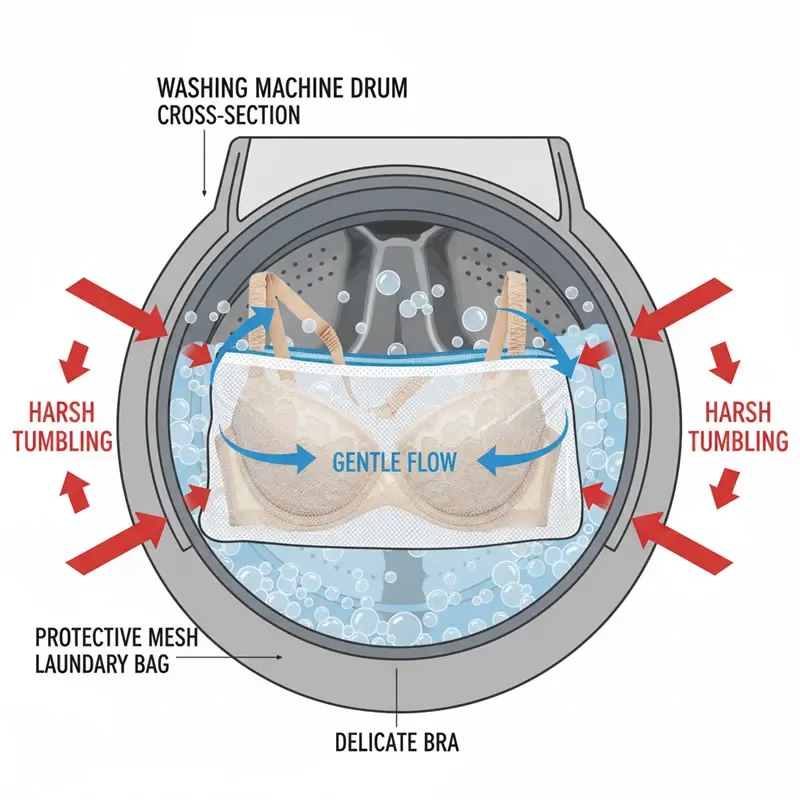
A mesh laundry bag creates a protective barrier between your delicates and everything else in the wash. Think of it as a personal washing compartment for fragile items.

The mesh construction lets water and detergent flow freely while blocking physical contact with other garments. Your bra stays contained in a cushioned space where it can’t tangle with towels or get caught on zipper teeth.

Quality bra cleaning bags feature reinforced zippers that stay closed during aggressive spin cycles. The mesh walls absorb impact, preventing direct contact with the washing machine drum. This simple barrier reduces mechanical stress by 80% or more.

The bag maintains your bra’s shape throughout the cycle. Cups don’t collapse. Straps don’t twist. Underwires stay aligned. The garment moves gently within the protected space rather than tumbling violently.

Proper bags also regulate water flow in ways that improve cleaning. The mesh creates gentle current patterns that lift dirt without harsh agitation. Detergent penetrates evenly, then rinses completely.

This protection extends garment life significantly. Independent testing shows bras washed in protective bags last three to four times longer than those washed without protection. That means buying replacements far less often.

Bra laundry bag protecting undergarments inside washing machine drum

Key Features of an Effective Mesh Laundry Bag for Bras

Not all protective bags deliver equal results. Several design elements separate effective products from cheap alternatives that fail after a few uses.

Material Quality

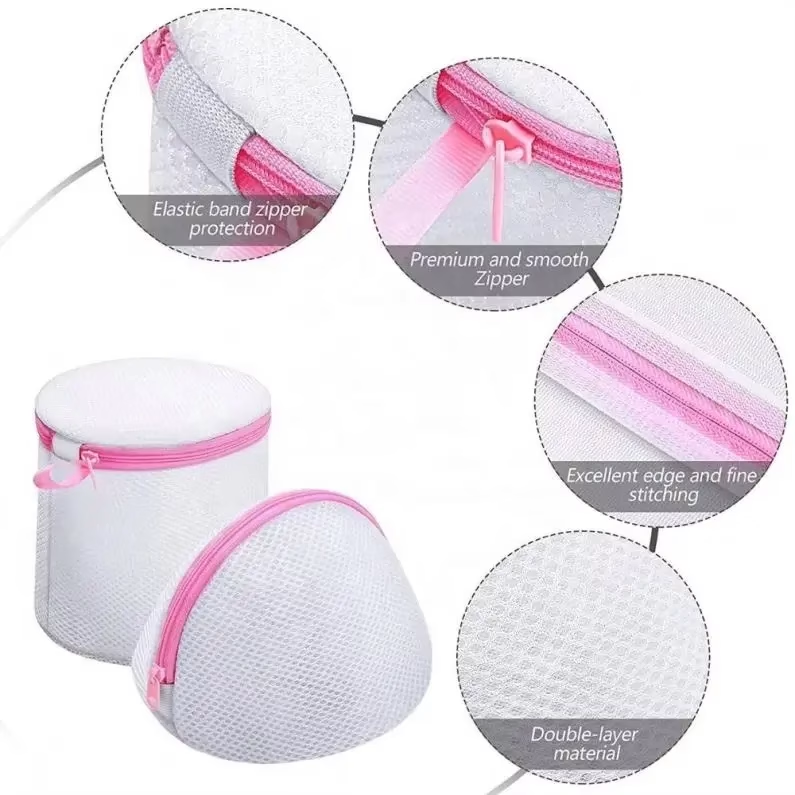
Premium mesh uses polyester or nylon with tight but flexible weaving. The holes must be small enough to prevent hooks from poking through but large enough for water circulation. Look for double-layer construction in high-stress areas.

Cheap bags use thin, loosely woven material that tears easily. They also feature large holes that defeat the protective purpose. Your bra’s hardware will still catch on other laundry items.

Size and Shape

Round or square bags at least 6 inches across work best for most bra styles. The space allows natural positioning without crushing cups. Too small, and you’re forcing compression. Too large, and the bra tumbles excessively inside.

Specialized bra-shaped bags with cup inserts provide maximum protection. These maintain the garment’s three-dimensional structure perfectly during washing.

Zipper Design

Heavy-duty zippers with protective flaps prevent self-opening during cycles. The zipper pull should tuck under a covering layer so it can’t snag on mesh or garment fabric.

Plastic zippers work better than metal ones. They won’t rust, and they’re gentler if they do make contact with your bras.

Padding Elements

Some advanced designs include foam or quilted sections that cushion delicates further. These work especially well for bras with extensive embellishments or fragile decorative elements.

Complete Washing Guide: How to Wash Bras in Washing Machine Safely

Following the correct process ensures maximum protection even with a quality bra laundry bag.

Step 1: Pre-Treatment
Check for stains and spot-treat before washing. Apply gentle detergent directly to sweat marks or makeup residue. Let it sit for 10 minutes.

Step 2: Fasten All Closures
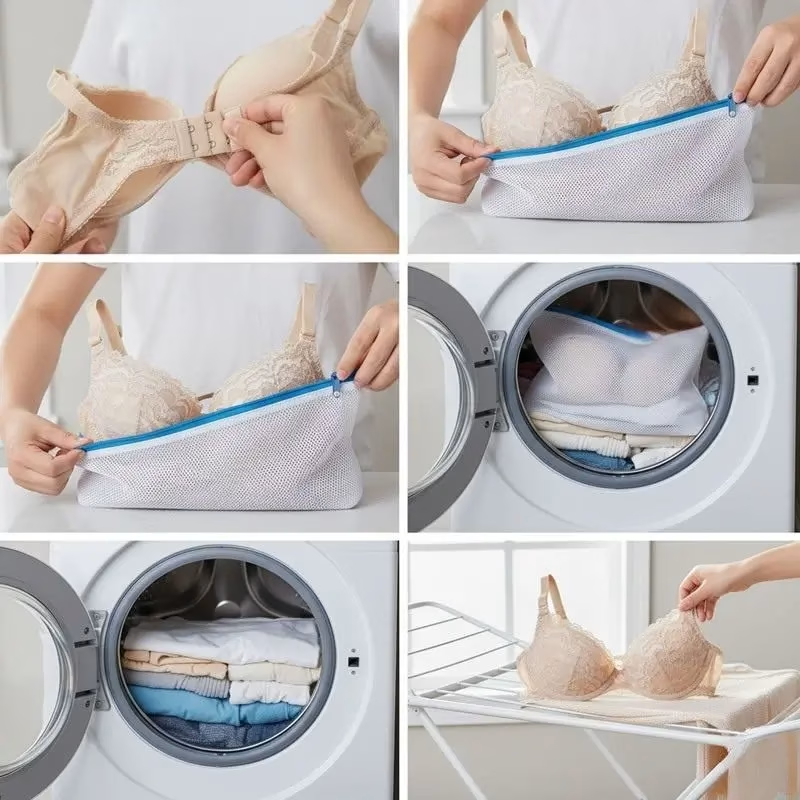
Hook your bra closed before placing it in the bag. This prevents hooks from damaging the garment or snagging the mesh.

Step 3: Load the Bag Properly
Place one to three bras in each bag depending on size. Don’t overstuff. Each garment needs space to move slightly for effective cleaning.

Step 4: Choose Washing Settings
Select cold water and the delicate cycle. These settings minimize agitation while still cleaning effectively. Add mild detergent formulated for delicate fabrics.

Step 5: Position Bags in Washer
Place mesh bags on top of other laundry, not at the bottom. This reduces the weight pressing down during the spin cycle.

Step 6: Skip the Dryer
Remove bags immediately when the cycle finishes. Take bras out and reshape cups by hand. Air-dry on a flat surface or hang by the center gore (not the straps).

Frequency Matters
Wash bras after three to five wears under normal conditions. Overwashing causes unnecessary wear, even with protection.

How to wash bras in washing machine using protective mesh bag tutorial

Visit our product catalog for details
👉 Our Products
👉 Bra Lanundry Bag Details

Comparing Protection Methods: What Works and What Doesn’t

MethodProtection LevelCostConvenienceLifespan Impact
Mesh laundry bagHighLow (one-time purchase)Very highExtends 3-4x
Pillowcase substituteMediumFreeMediumExtends 1.5-2x
No protectionNoneNoneHighestBaseline
Hand washingHighestNoneVery lowExtends 4-5x
Washing machine delicate cycle onlyLowNoneHighExtends 1.2x

The comparison shows mesh bags offer the best balance of protection, convenience, and cost-effectiveness. Hand washing provides maximum care but requires significant time investment. Going without protection or using only delicate settings barely helps.

Pillowcases work in emergencies but lack proper water flow and often open during cycles. They’re not a long-term solution.

Beyond Bras: Other Delicate Items That Need Protection

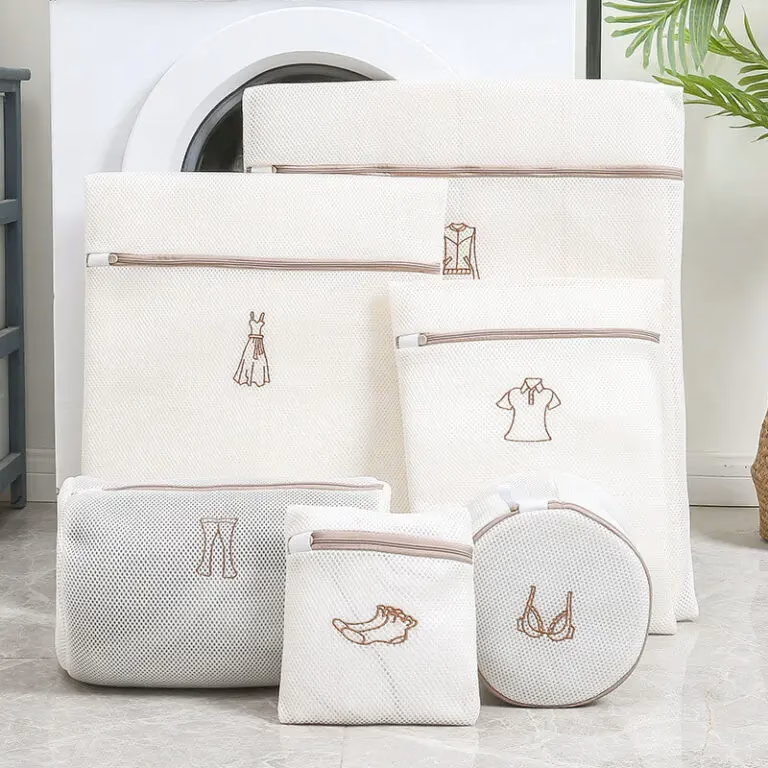
Your delicate garment wash bag works for more than just bras. Many other items benefit from the same protection strategy.

Lingerie and Underwear
Lace panties, bodysuits, and chemises all face similar risks during washing. The mesh bag prevents snags and maintains elastic integrity.

Hosiery and Tights
Stockings and pantyhose are extremely vulnerable to snags. A protective bag prevents runs and extends their usable life dramatically.

Shapewear
Compression garments contain strong elastic that washing machines can damage. The bag preserves tension and shape retention.

Baby Clothes
Tiny garments with delicate snaps and buttons stay together better in a protective bag. Nothing gets lost in the washer.

Swimwear
Chlorine and salt already stress swimsuit fabric. Mechanical damage during washing adds unnecessary wear. Bags protect these seasonal investments.

Embellished Clothing
Any garment with sequins, beading, or delicate appliques should go in a mesh bag. This prevents decorations from tearing off and damaging other clothes or the machine.

Using your bra cleaning bag for these additional items maximizes its value and protects your entire delicate wardrobe.


Delicate garment wash bag protecting various items including lingerie swimwear and hosiery

Common Mistakes That Reduce Bag Effectiveness

Even with a quality product, user error can compromise protection.

Overloading the Bag
Cramming too many items inside prevents proper water circulation. Garments don’t get clean, and the crowding creates internal friction that causes damage anyway.

Using Harsh Detergents
Heavy-duty detergents contain enzymes and chemicals too aggressive for delicates. They break down elastic and fade colors even when physical protection exists. Always choose gentle formulations.

Leaving Bras Unhooked
Open hooks still catch on mesh from inside the bag. They can also puncture the mesh itself, creating holes that allow future snagging with other laundry.

Washing with Abrasive Items
Throwing bagged delicates in with jeans, towels, or anything with zippers reduces effectiveness. Heavy items press against the bag during the spin cycle, crushing contents.

Machine Drying
Heat destroys elastic faster than anything else. Even with bag protection, the dryer shortens bra life significantly. Always air-dry.

Using Damaged Bags
A torn mesh bag or broken zipper defeats the entire purpose. Inspect your bags regularly and replace them when they show wear.

Ignoring Manufacturer Instructions
Some specialized bags have specific usage guidelines. Read the labels and follow recommendations for best results.

Want more detailed washing instructions? Read our complete care guide.

👉 Can Laundry Bags Keep Your Clothes as Clean as Washing Them Directly?

Environmental and Economic Benefits

Investing in a simple bra wash bag delivers returns beyond garment protection.

Reduced Waste
When bras last three times longer, you buy three times fewer replacements. This keeps garments out of landfills where synthetic materials take decades to break down.

Lower Replacement Costs
Quality bras cost anywhere from twenty to over one hundred dollars. Protecting that investment saves hundreds annually for most people. The bag pays for itself after just one extended bra lifespan.

Microplastic Reduction
Synthetic fabric sheds microplastic fibers during washing. These particles flow into water systems where they harm aquatic life. Mesh bags catch many of these fibers before they enter drain pipes.

Energy Savings
You’re already running the washing machine. Adding protected delicates doesn’t increase energy use. Contrast this with separate delicate loads or hand-washing, both of which consume additional resources.

Manufacturing Impact
Fewer replacement purchases mean reduced manufacturing demand. Every bra you don’t buy represents saved water, energy, and raw materials that would have gone into production.

What Professional Buyers Should Know

For procurement teams sourcing protective laundry products, several factors determine supplier quality and product performance.

Manufacturing Standards

Look for ISO-certified facilities that maintain consistent quality control. Our manufacturing process includes material testing at multiple production stages. Every batch undergoes strength testing before shipment.

We’ve supplied international markets since 2014, meeting European REACH compliance and North American safety standards. This experience translates to reliable products that meet diverse regulatory requirements.

Customization Capabilities

Bulk orders often require specific sizing, color options, or branding elements. We offer full customization including logo printing, custom mesh densities, and zipper placement variations.

Minimum order quantities remain reasonable even for custom specifications. This flexibility helps brands launch private-label products without massive inventory investments.

Material Sourcing

All mesh materials come from certified suppliers using environment-friendly production methods. The polyester and nylon pass standard testing protocols including durability assessments and colorfastness evaluations.

We maintain transparent supply chains and provide material certifications upon request. This documentation simplifies compliance verification for retailers entering new markets.

Quality Consistency

Six years of export experience taught us that consistency matters more than individual product perfection. We implement strict production protocols that deliver uniform quality across large orders.

Statistical process control catches variations before they reach finished goods. Your inventory arrives with predictable performance characteristics, reducing customer complaints and returns.

Lead Times and Logistics

Standard production runs complete within specified timeframes with buffer periods for quality checks. We partner with reliable freight forwarders serving Europe, North America, South America, Korea, and Japan.

Container loading follows best practices that prevent transit damage. Your mesh bags arrive ready for immediate distribution or retail display.
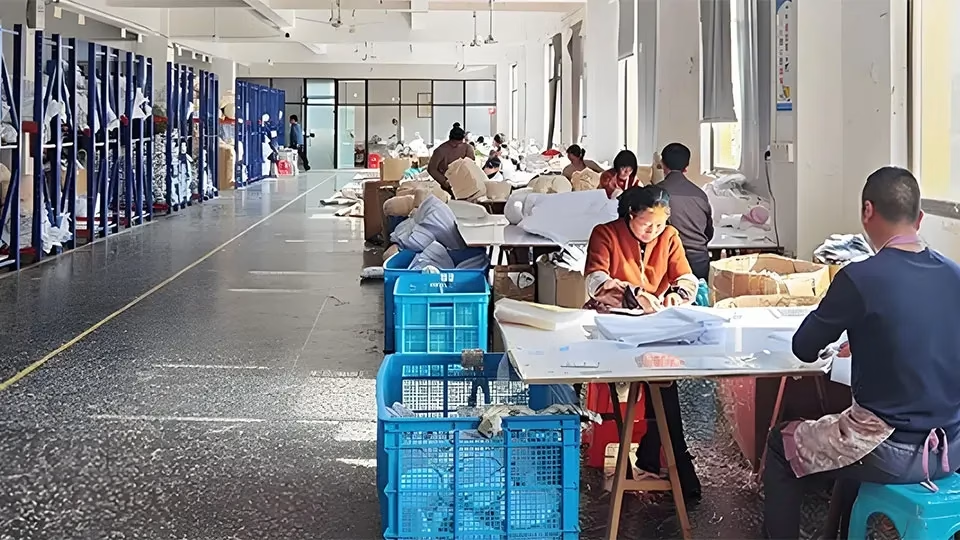
factory bra bag sewing qa

Selecting the Right Bag for Different Bra Types

Different bra styles need slightly different protective approaches.

Underwire Bras
These need bags with reinforced bottom panels. The extra padding prevents underwires from pressing against the mesh under pressure.

Sports Bras
Thick, compressive fabric benefits from larger bags with maximum water flow. The heavy material needs strong circulation for thorough cleaning.

Push-Up and Padded Bras
Cup integrity matters most here. Choose bags that maintain three-dimensional shape rather than allowing flat compression.

Bralettes and Wireless Styles
These flexible designs work well in standard mesh bags. Focus on preventing strap tangling rather than cup protection.

Strapless Bras
The grip tape and silicone elements need gentle handling. Bags prevent these components from sticking to other garments during washing.

Care and Maintenance of Your Laundry Bags

Even protective bags need occasional attention to maintain effectiveness.

Regular Cleaning
Wash empty bags every month. Detergent and fabric softener residue builds up in mesh, reducing water flow. A quick cycle keeps them functioning properly.

Inspection Routine
Check zippers before each use. Look for loose threads in the mesh or separation at seam points. Early detection prevents mid-cycle failures.

Proper Storage
Keep bags in a dry location between uses. Damp mesh can develop mildew, which transfers odors to your delicates.

Zipper Maintenance
Run a damp cloth along zipper teeth monthly. This removes lint and debris that causes sticking. A little maintenance prevents frustrating zipper failures.

Replacement Timing
Even quality bags wear out eventually. Replace them when mesh shows thinning, tears appear, or zippers fail repeatedly. Don’t compromise protection by using damaged equipment.

Industry Trends: The Growing Demand for Laundry Protection Solutions

The market for specialized laundry care products continues expanding as consumers recognize the value of garment preservation.

Research shows that awareness of proper delicate care increased significantly over the past five years. More shoppers now search specifically for protective washing solutions rather than accepting garment damage as inevitable.

The sustainability movement drives much of this growth. Consumers want to reduce waste and extend product lifecycles. Protective bags align perfectly with these values while delivering practical benefits.

Retail channels expanded beyond specialty stores. Mass merchants now carry multiple mesh bag options, indicating mainstream acceptance. Online marketplaces show consistent year-over-year growth in this category.

Innovation continues as manufacturers develop specialized designs for specific garment types. The basic mesh bag evolved into a diverse product category with options for every laundry need.

Professional laundromats and hospitality services increasingly adopt protective bags in their operations. This commercial adoption signals industry recognition of the bags’ practical value.

Frequently Asked Questions

What size bra wash bag should procurement teams order for retail inventory?
Stock multiple sizes to serve different customer needs. A 6×8 inch bag handles most standard bras, while 8×10 inch options accommodate larger cup sizes or multiple small items. Offering a variety ensures broader market appeal and reduces returns from sizing mismatches.

How do mesh laundry bags meet international safety and environmental standards?
Quality manufacturers use certified materials that pass REACH testing (Europe), CPSIA requirements (North America), and similar international standards. Request documentation including material composition reports, dye safety certifications, and tensile strength test results. Reputable suppliers maintain transparent compliance records for all export markets.

What minimum order quantities are typical for customized bra cleaning bags?
Most experienced manufacturers work with orders starting around 500-1000 units for basic customization like logo printing. More complex modifications such as custom sizing or special zipper configurations may require 2000-3000 unit minimums. These quantities balance tooling costs against reasonable inventory levels for small to mid-sized retailers.

How should product managers evaluate mesh quality when sourcing from multiple suppliers?
Request physical samples and test three key factors: mesh density (holes should be 2-3mm maximum), edge reinforcement (double-stitched seams prevent fraying), and zipper durability (should withstand 100+ open/close cycles). Compare weight per unit size as heavier generally indicates denser, more durable construction. Always verify tension recovery by stretching a corner and checking if it returns to original shape.

What shelf life or storage considerations affect bulk orders of laundry bags?
Properly stored mesh bags remain fully functional for years. Keep inventory in dry, temperature-controlled environments away from direct sunlight which can degrade synthetic materials over time. Original packaging provides adequate protection for 3-5 years of warehouse storage. Unlike elastic products, mesh bags don’t deteriorate significantly when stored correctly, making them ideal for maintaining buffer inventory.

Your Source for Premium Mesh Laundry Solutions

We manufacture protective laundry products for customers across Europe, North America, South America, Korea, and Japan. With ten years of specialized experience, we understand exactly what makes a bra wash bag truly effective.

Our facility produces mesh laundry bags, washing bags, laundry baskets, storage solutions, and related products with consistent quality at scale. Every item uses environment-friendly materials that meet international testing standards including REACH compliance.

Whether you need standard wholesale inventory or fully customized designs with your branding, our OEM capabilities deliver exactly what your market requires. We work directly with procurement teams, product managers, and wholesale buyers to develop solutions that match specific market needs.

Ready to discuss your requirements? Contact us for detailed product specifications, pricing for your volume requirements, and samples that let you evaluate quality firsthand. As the direct manufacturer, we eliminate middleman markups while maintaining complete quality control throughout production.

Request your quote today and discover why businesses worldwide trust us for their protective laundry product needs.

Send a Inquiry

For inquiries and collaboration opportunities, please reach out to us via email or phone. We look forward to hearing from you soon.

Order Send Inquiry

Laundry Mesh Bag Manufacturer
Privacy Overview

This website uses cookies so that we can provide you with the best user experience possible. Cookie information is stored in your browser and performs functions such as recognising you when you return to our website and helping our team to understand which sections of the website you find most interesting and useful.