
Dirty sneakers are more than a cosmetic problem. When shoes hit the washing machine without protection, they can lose shape, fade, crack, or even damage the washer drum. Many buyers learn this the hard way after returns, complaints, or shortened product life. Washing Bags for Shoes solve this problem by cushioning footwear, improving wash results, and reducing wear. The right shoe washing bag keeps shoes clean, machines safe, and customers satisfied all at the same time.
What Are Washing Bags for Shoes and How Do They Work?
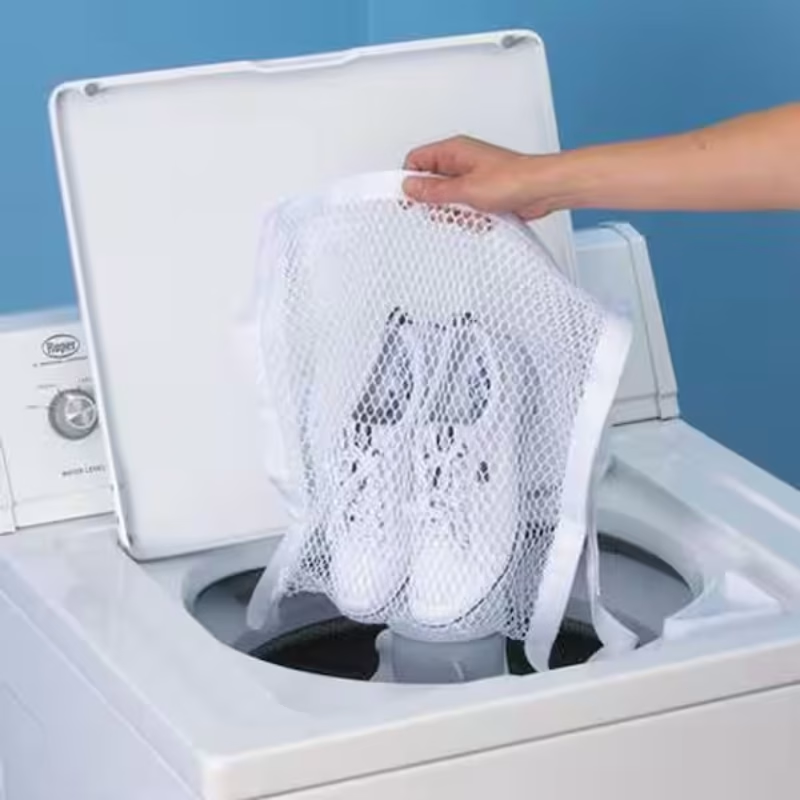
Washing bags for shoes are structured mesh laundry bags designed to hold footwear during machine washing. Unlike regular laundry bags, they use thicker mesh, reinforced seams, and internal padding to reduce friction and impact.

How a Shoe Cleaning Bag Protects Footwear
A quality shoe cleaning bag:
-
Creates a barrier between shoes and the drum
-
Allows water and detergent to flow freely
-
Reduces noise and vibration
-
Helps shoes keep their original shape
These features matter for sneakers, canvas shoes, kids’ footwear, and even lightweight sports shoes.
Why Washing Bags for Shoes Are Essential in 2026
Consumers wash shoes more often than ever. Sustainability trends, longer product lifecycles, and rising footwear prices all push buyers to care for shoes instead of replacing them.
Key Reasons Demand Is Growing
-
More households use washing machines for shoes
-
E-commerce shoe brands want fewer damage claims
-
Retailers need accessories that reduce returns
-
Consumers prefer reusable, eco-friendly solutions
For wholesalers and brand owners, offering the best shoe washing bag adds value without high cost.
Washing Bags for Shoes vs. Regular Laundry Bags
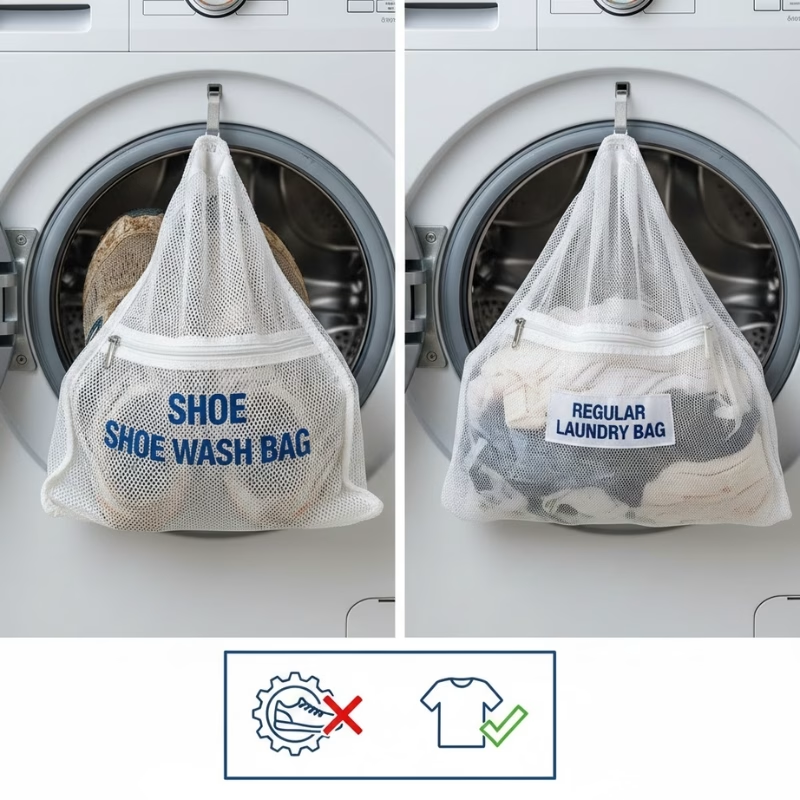
At first glance, washing bags for shoes and standard laundry mesh bags may look similar. Both are made from mesh fabric and both go into the washing machine. However, they are designed for very different purposes. Using the wrong type of bag can lead to damaged shoes, noisy wash cycles, and even machine wear over time.
| Feature | Washing Bags for Shoes | Standard Laundry Mesh Bags |
|---|---|---|
| Mesh thickness | Extra thick | Thin |
| Padding | Yes | No |
| Shape support | Structured | Loose |
| Zipper protection | Covered | Often exposed |
| Shoe-specific design | Yes | No |
Regular mesh bags were never designed for footwear. A dedicated shoe bag cleaner performs better and lasts longer.
Types of Washing Bags for Shoes
Not all washing bags for shoes serve the same purpose. Different designs address different footwear types, washing habits, and sales channels. Understanding these categories helps buyers choose the right shoe washing solution for their customers or product lines.
1. Mesh-Only Shoe Cleaning Bags
Mesh-only designs are the most basic type of shoe cleaning bag. They are lightweight, flexible, and highly breathable, allowing water and detergent to flow freely during washing.
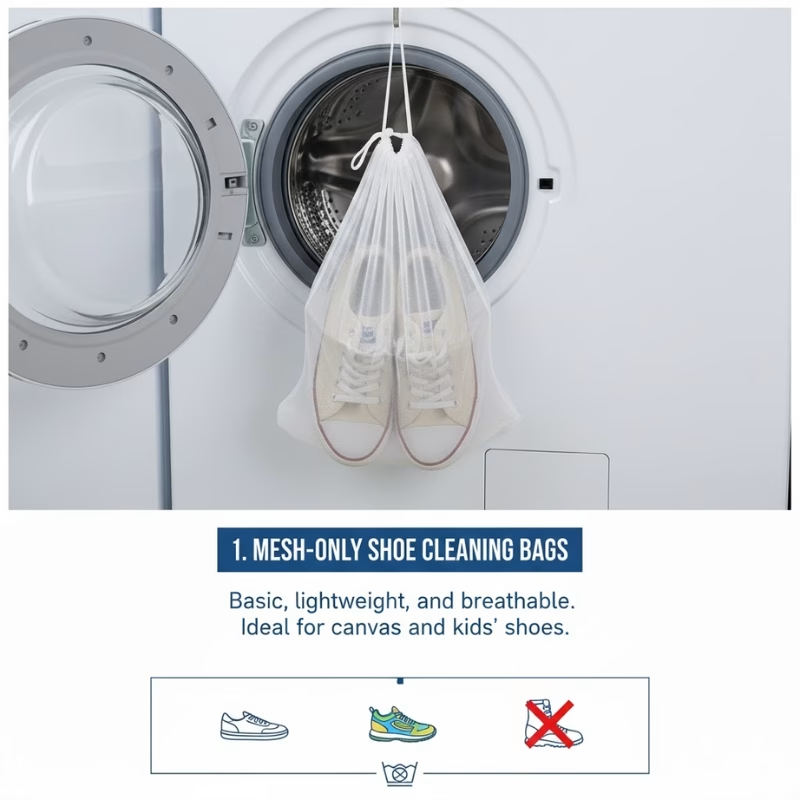
Key characteristics:
-
Single-layer mesh construction
-
No internal padding
-
Lightweight and easy to store
Best suited for:
-
Canvas shoes
-
Kids’ shoes
-
Lightweight casual footwear
-
Occasional or light-duty washing
These bags are typically used in price-sensitive markets or as add-on accessories. While affordable, they offer limited impact protection and are not recommended for heavy or structured shoes.
2. Padded Shoe Bag Cleaner Designs
Padded designs are the most popular choice for everyday use. These shoe bag cleaner models combine thicker mesh with foam padding to balance protection and breathability.

Key characteristics:
-
Multi-layer mesh with foam cushioning
-
Reinforced seams and zipper areas
-
Improved noise and impact reduction
Ideal for:
-
Sneakers
-
Running shoes
-
Daily footwear worn frequently
Padded shoe washing bags reduce friction during spin cycles and help shoes maintain their shape. They are commonly chosen by retail brands and online sellers looking for a reliable, mid-range solution.
3. Structured or Box-Style Bags
Structured or box-style washing bags for shoes are designed to maintain shoe shape throughout the wash cycle. These bags use rigid panels or reinforced frames to prevent compression and twisting.

Key characteristics:
-
Firm structure with defined shape
-
Thick padding and high-density mesh
-
Premium appearance
Often used for:
-
Retail packaging
-
Premium footwear care kits
-
Brand bundles or gift sets
These bags deliver maximum protection and strong visual appeal, making them ideal for private label programs and high-end footwear brands.
How to Choose the Right Type
Selecting the right shoe washing bag depends on:
-
Shoe type and weight
-
Frequency of washing
-
Target price point
-
Branding and packaging needs
Matching bag type to customer expectations improves performance, reduces complaints, and increases repeat purchases.
What Makes the Best Shoe Washing Bag in 2026?
1. Material Quality
Look for:
-
Polyester or nylon mesh
-
Tear resistance
-
REACH-compliant raw materials
Environment-friendly materials are no longer optional. Many global buyers now require compliance testing.
2. Zipper and Closure Design
-
Auto-lock zippers prevent opening mid-wash
-
Zipper covers protect machine drums
-
Reinforced stitching increases lifespan
3. Breathability vs. Protection Balance
The best shoe washing bag allows water flow without sacrificing cushioning.
How to Choose Washing Bags for Shoes for Wholesale or OEM Orders
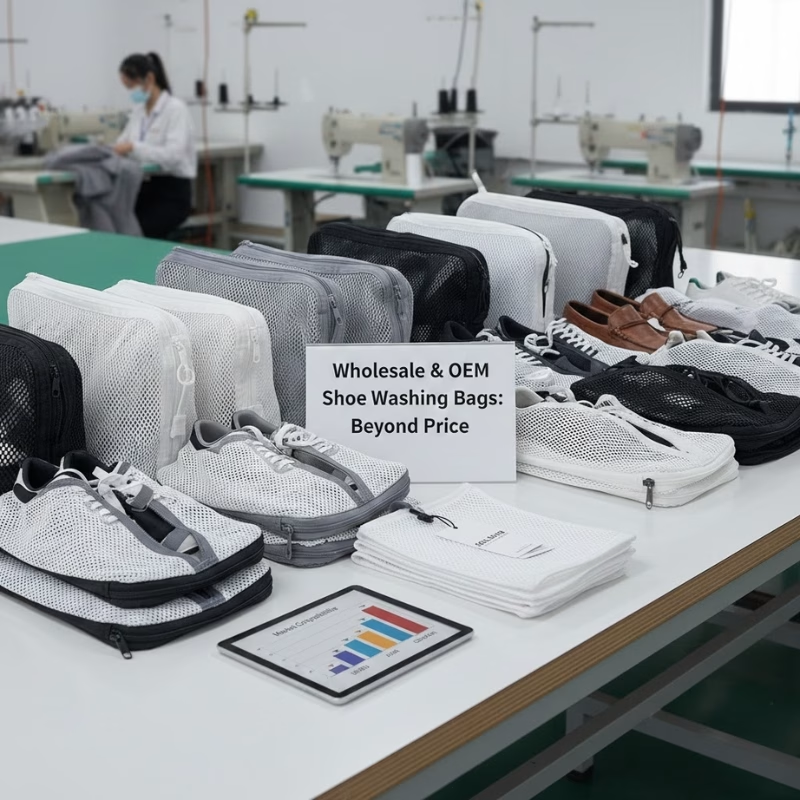
When sourcing washing bags for shoes at scale, professional buyers need to look beyond appearance and unit price. Retail-friendly design matters, but long-term success depends on manufacturing capability, quality control, and the supplier’s ability to support different markets. A well-chosen shoe washing bag supplier reduces risk, ensures consistency, and supports brand growth.
Key Procurement Factors
-
Custom size options
-
Logo printing or woven labels
-
Packaging flexibility
-
Consistent batch quality
-
Factory compliance standards
Manufacturers with OEM experience can adapt designs for different markets, from Europe to Japan.
Comparison Table: Shoe Washing Bag Features
Not all shoe washing bags are built for the same purpose. Entry-level, mid-range, and premium models serve different markets, price points, and customer expectations. Understanding these differences helps buyers select the right product for their channel.
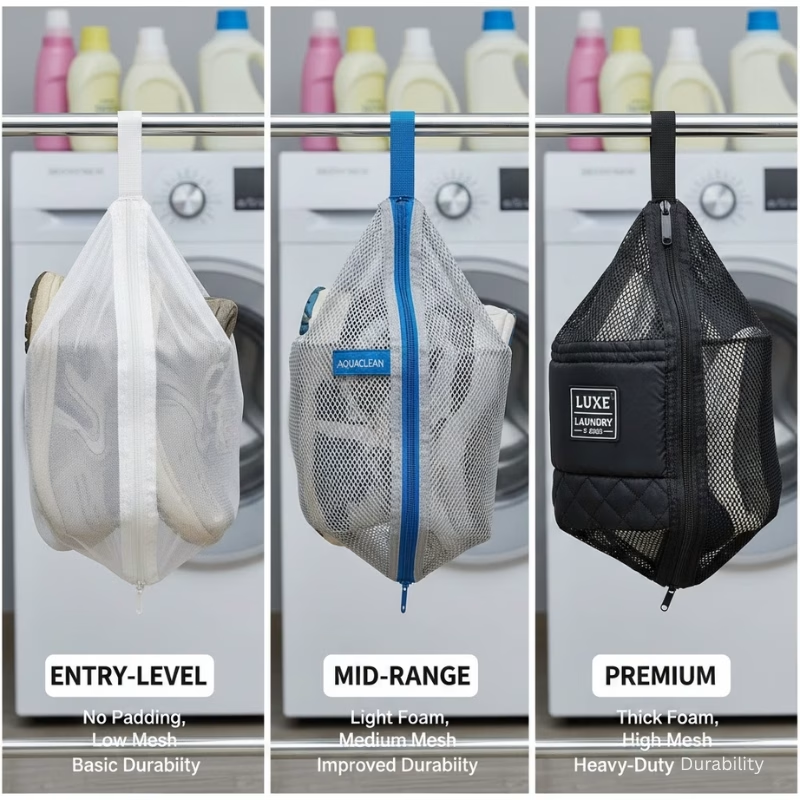
| Feature | Entry-Level | Mid-Range | Premium |
|---|---|---|---|
| Padding | None | Light foam | Thick foam |
| Mesh density | Low | Medium | High |
| Custom branding | No | Limited | Full OEM |
| Durability | Basic | Improved | Heavy-duty |
| Ideal buyer | Online resellers | Retail brands | Private label owners |
1. Entry-Level Shoe Washing Bags
Entry-level models focus on affordability. With minimal padding and lower mesh density, they are suitable for light shoes and occasional use. These bags work well for:
-
Price-sensitive markets
-
Promotional bundles
-
Short-term or seasonal sales
However, they are not designed for heavy sneakers or frequent washing.
2. Mid-Range Shoe Washing Bags
Mid-range options balance cost and performance. Light foam padding and medium-density mesh provide better protection while keeping prices competitive. These bags are commonly chosen by:
-
Retail brands
-
Sporting goods sellers
-
General household product lines
They offer improved durability and a better customer experience compared to basic models.
3. Premium Shoe Washing Bags
Premium designs are built for long-term use and brand differentiation. Thick foam padding, high-density mesh, and full OEM customization make them ideal for:
-
Private label programs
-
Premium footwear brands
-
Long-life consumer products
These models deliver superior protection, fewer customer complaints, and stronger brand value.
How to Use Washing Bags for Shoes Correctly
Using washing bags for shoes properly is just as important as choosing the right product. Incorrect use can reduce cleaning performance, damage footwear, or shorten the life of the bag itself. Clear usage guidance helps end users get better results while minimizing complaints and returns.
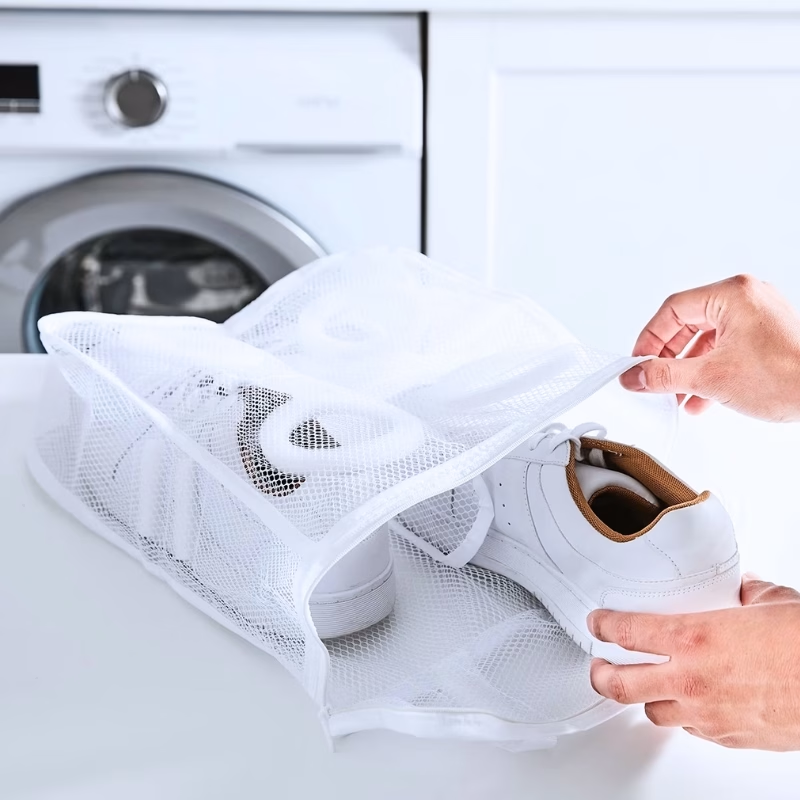
Step-by-Step Guide
1. Remove Loose Dirt From Shoes
Before washing, knock shoes together or use a soft brush to remove mud, sand, or gravel. Loose debris left on shoes can:
-
Reduce cleaning efficiency
-
Abrade shoe uppers
-
Clog washing machines
Pre-cleaning is especially important for outdoor or sports footwear.
2. Place One Pair per Shoe Cleaning Bag
Always limit one pair of shoes per shoe cleaning bag. Overloading creates excess pressure and friction, which can:
-
Stretch the mesh
-
Damage padding
-
Cause uneven cleaning
Keeping one pair per bag ensures balanced movement and better wash results.
3. Zip Fully and Secure the Zipper Cover
Make sure the zipper is completely closed and tucked into its protective flap. This step:
-
Prevents the bag from opening mid-cycle
-
Protects the washing machine drum
-
Reduces zipper wear
A properly secured zipper is essential for both safety and durability.
4. Wash on a Gentle or Cold Cycle
Select a gentle or cold-water setting. High heat and aggressive cycles can:
-
Weaken adhesives in shoes
-
Fade colors
-
Shorten the lifespan of the washing bag
Cold water is effective for routine cleaning and safer for most materials.
5. Use Mild Detergent Only
Avoid bleach or harsh chemicals. Mild detergent cleans effectively while preserving:
-
Shoe fabrics
-
Mesh strength
-
Foam padding
This is especially important for repeated washing.
6. Air Dry Shoes After Washing
After washing, remove shoes from the bag and let them air dry naturally. Avoid tumble dryers, which can:
-
Warp shoe soles
-
Shrink fabrics
-
Damage foam padding
Stuffing shoes with paper can help maintain shape while drying.
Common Mistakes to Avoid
Even the best washing bags for shoes can fail if they are used incorrectly. Many product complaints are not caused by defects, but by avoidable usage errors. Educating end users on these common mistakes helps protect footwear, extend product life, and improve overall satisfaction.

1. Overloading the Bag
One of the most frequent mistakes is placing multiple pairs of shoes into a single bag. Overloading:
-
Stresses the mesh and stitching
-
Reduces padding effectiveness
-
Leads to uneven cleaning
Each shoe cleaning bag is designed to handle a specific weight and movement pattern. Always limit use to one pair per bag.
2. Washing Heavy Boots in Light Mesh
Lightweight shoe washing bags are intended for sneakers, canvas shoes, or kids’ footwear. Using them for heavy boots or work shoes can:
-
Tear the mesh
-
Break zippers
-
Damage washing machines
For heavier footwear, a reinforced or padded shoe bag cleaner is required.
3. Using Hot Water
Hot water may seem more effective, but it often causes more harm than good. High temperatures can:
-
Weaken shoe adhesives
-
Fade colors
-
Shrink or deform fabrics
-
Reduce mesh strength over time
Cold or warm water is sufficient for most shoe washing needs.
4. Tumble Drying Shoes Inside the Bag
Putting shoes and the washing bag into a tumble dryer is a common misuse. Heat and rotation can:
-
Warp soles
-
Crush foam padding
-
Shorten the lifespan of the bag
Shoes should always be removed from the bag and air dried naturally.
5. Ignoring Bag Wear and Tear
Continuing to use a damaged bag increases the risk of shoe damage and washer issues. Users should regularly check for:
-
Loose stitching
-
Torn mesh
-
Faulty zippers
Replacing a worn bag is far cheaper than replacing damaged shoes or machines.
Industry Trends for Washing Bags for Shoes in 2026
The market for washing bags for shoes is evolving quickly. What was once a simple laundry accessory is now influenced by sustainability goals, lifestyle changes, and brand differentiation. Understanding these trends helps buyers make smarter sourcing and product decisions for 2026 and beyond.
1. Eco-Friendly Materials
Sustainability is no longer a niche preference—it is a purchasing requirement in many markets. Buyers increasingly request:
-
Recycled polyester or nylon mesh
-
Low-impact, non-toxic dyes
-
Reduced plastic content in accessories and packaging
These materials help brands align with environmental regulations and consumer expectations, especially in Europe, Japan, and Korea. Eco-friendly shoe cleaning bags also support longer product lifecycles, which reduces waste and improves brand reputation.
Manufacturers that can provide material traceability and compliance documentation gain a clear advantage in international markets.
2. Multi-Use Designs
Consumers now favor products that serve more than one purpose. As a result, modern shoe bag cleaner designs often double as:
-
Travel shoe storage – Keeping shoes separated from clothing in luggage
-
Closet organizers – Storing seasonal or rarely worn footwear
-
Retail packaging – Replacing disposable boxes or plastic bags
Multi-use washing bags increase perceived value without significantly increasing production cost. For retailers, this versatility helps justify higher price points and improves sell-through rates.
3. Private Label Growth
Private label programs continue to expand across e-commerce and brick-and-mortar channels. Brands want accessories that reflect their identity rather than generic add-ons.
Customized washing bags for shoes support this trend through:
-
Brand-specific colors and patterns
-
Logo placement via printing or woven labels
-
Custom sizing aligned with footwear collections
For private label owners, these washing bags act as both functional products and brand touchpoints. They improve customer loyalty while creating additional revenue streams.
Where to Source Reliable Washing Bags for Shoes
Finding a dependable supplier is just as important as choosing the right product design. For washing bags for shoes, working directly with an experienced manufacturer offers clear advantages in cost, quality, and long-term supply stability.
A. Why Work Directly With Manufacturers
Compared with trading companies or resellers, manufacturers control the entire production process. This allows buyers to benefit from:
1. Lower Unit Costs
Direct sourcing eliminates extra markup layers. Manufacturers can offer more competitive pricing, especially for bulk or repeat orders, while maintaining consistent quality.
2. Faster Customization
Manufacturers can adjust:
-
Sizes and dimensions
-
Mesh density and padding
-
Colors and materials
-
Logo placement and labeling
This flexibility is critical for private label programs and region-specific product requirements.
3. Stable Supply
Factories with established production lines ensure:
-
Reliable lead times
-
Scalable output for growing demand
-
Better inventory planning
Stable supply reduces the risk of stock shortages during peak seasons.
4. Better Quality Control
Direct manufacturers oversee:
-
Raw material selection
-
Stitching and assembly
-
In-process inspections
-
Final quality checks
This hands-on control results in more consistent washing bag performance and fewer post-sale issues.
B. Professional-Grade Washing Bags for Shoes
For buyers seeking durable, compliant, and customizable solutions, explore professional-grade washing bags for shoes directly from the manufacturer:
👉 https://laundrymeshbag.com/washing-bags-for-shoes/
This range includes designs suitable for retail, wholesale, and OEM programs.
Related Laundry Care Solutions
In addition to shoe washing bags, many buyers source complementary products from the same manufacturer to streamline procurement:
-
Laundry mesh bags for garments and delicates:
https://laundrymeshbag.com/laundry-mesh-bags/ -
Bra laundry bags designed for shape protection:
https://laundrymeshbag.com/bra-laundry-bag/
Sourcing multiple product categories from one factory simplifies logistics, improves pricing leverage, and ensures consistent quality standards.
Frequently Ask Question (FAQs)
1. Can washing bags for shoes be customized with logos or sizes?
Yes. OEM manufacturers offer custom dimensions, branding, and packaging for bulk orders.
2. What is the minimum order quantity for a shoe bag cleaner?
MOQ varies by design and customization level. Standard models usually require lower quantities.
3. Are washing bags for shoes suitable for high-speed washers?
Premium padded designs are tested for modern high-speed machines.
4. How do I ensure quality consistency across large orders?
Work with experienced manufacturers that perform in-house inspections and material testing.
5. Can one shoe washing bag fit all shoe sizes?
Standard sizes fit most sneakers, but custom sizing is recommended for boots or kids’ shoes.
If you’re looking for a reliable manufacturer of washing bags for shoes, we’re ready to support your brand. With global export experience since 2014, eco-friendly materials, and full OEM capabilities, we help partners deliver durable, compliant, and market-ready products.
Contact us today to discuss samples, customization, and bulk pricing.