
Washing shoes in a washing machine can be convenient, but placing footwear directly into the drum can expose it to unnecessary impact, friction, twisting, and repeated contact with other items. A dedicated shoe washing bag provides a simple layer of protection while still allowing water and detergent to circulate around the footwear.
But not every shoe washing bag is designed the same way. Some are lightweight mesh pouches, while others use padded construction, honeycomb mesh, structured frames, or specialized microfiber surfaces. The right choice depends on the type of shoes you wash, how frequently you use the bag, the level of protection required, and your budget.
For retailers, wholesalers, e-commerce sellers, and private-label brands, there are additional factors to consider, including material quality, zipper construction, dimensions, branding, packaging, customization, and production consistency.
This guide explains how to compare different designs and choose the best shoe washing bag in 2026 for your specific requirements.
What Is a Shoe Washing Bag?
A shoe washing bag is a reusable protective bag designed specifically for washing footwear in a washing machine.
Unlike a standard laundry bag, a shoe washing bag is generally designed around the weight, shape, and movement of shoes. Depending on the model, it may feature durable polyester or nylon mesh, thicker construction, padding, reinforced seams, a secure zipper, a protective zipper cover, or a structured frame.
The mesh construction allows water and detergent to pass through the bag while keeping the shoes contained.
The main purpose is to create a protective barrier between the footwear and the washing machine drum. It can also help keep the shoes organized and reduce direct contact between the footwear and other laundry.
For buyers looking for different designs, a dedicated washing bags for shoes collection is a useful starting point when comparing sizes, materials, and construction.
Why Use a Shoe Washing Bag?
A good shoe washing bag provides several practical benefits.
1. Reduces Impact
Shoes can become noisy when they move freely around a washing machine drum. Hard soles, eyelets, and other components repeatedly hitting the drum can create unnecessary impact.
A shoe washing bag helps contain the footwear and can reduce direct contact with the drum.
2. Reduces Friction
Repeated rubbing can contribute to wear on shoe uppers, stitching, mesh, and other materials.
A suitable mesh bag creates separation while still allowing water to reach the shoes.
3. Helps Maintain Shoe Shape
Some shoe washing bags use padding or structured construction to reduce excessive compression and twisting during a wash cycle.
This can be particularly useful for sneakers and other footwear where maintaining the original shape is important.
4. Keeps Shoes Organized
Instead of having loose shoes moving around inside the washer, the pair remains contained within one bag.
This also makes it easier to remove the shoes after washing.
5. Helps Protect the Washing Machine
A protective bag can reduce direct contact between hard shoe components and the washing machine drum.
However, a washing bag is not a guarantee against machine damage. Loose mud, gravel, stones, unsuitable footwear, or an overloaded machine can still create problems.
6. Makes Shoe Care More Convenient
For people who regularly clean machine-washable sneakers, a reusable shoe washing bag can become a simple part of their normal laundry routine.
What Makes the Best Shoe Washing Bag in 2026?
There is no single design that is best for every user. However, several features separate a high-quality shoe washing bag from a basic laundry pouch.
1. Durable Mesh Material
Material quality is one of the first things to evaluate.
Polyester and nylon are commonly used for washing bags because they can provide a combination of strength, flexibility, and water permeability.
A good shoe washing bag should have mesh that can withstand repeated movement without easily tearing or stretching.
When comparing products, look at:
- Mesh density
- Fiber strength
- Tear resistance
- Seam construction
- Overall fabric weight
- Resistance to repeated washing
When comparing a mesh bag for washing shoes, pay attention to mesh density, fiber strength, tear resistance, seam construction, and overall fabric weight.
2. Secure Zipper
The zipper is one of the most important components of a shoe washing bag.
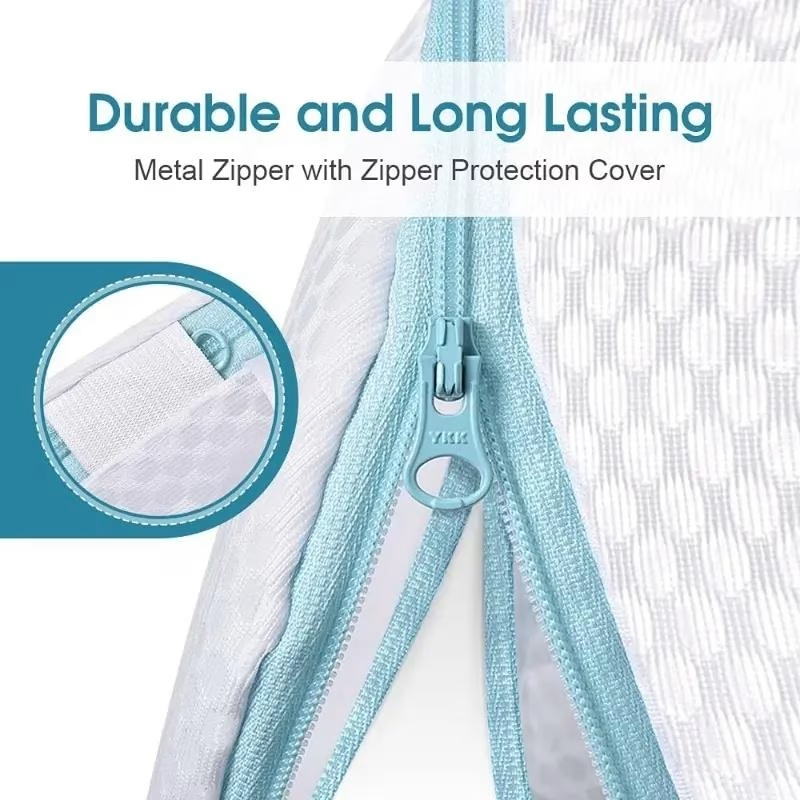
A zipper that opens during a wash cycle can allow the shoes to escape from the bag and defeat its main purpose.
Look for:
- Secure zipper construction
- Rust-resistant components
- Reinforced zipper stitching
- Auto-lock functionality where appropriate
- A zipper cover or protective flap
- Smooth opening and closing
A zipper cover is particularly useful because it can help keep the zipper pull away from direct contact with the washing machine drum.
3. Padding and Cushioning
Basic mesh bags may offer containment but limited impact protection.
For heavier or frequently washed sneakers, padded construction can provide an additional layer between the shoes and the washing machine.
Padded bags are especially useful when the buyer prioritizes:
- Reduced impact
- Lower washing noise
- Better protection
- Greater durability
- Premium product positioning
However, more padding does not automatically mean better cleaning. The bag still needs sufficient openings or breathable construction for water and detergent to circulate properly.
4. Shape Support
Some shoe washing bags are designed to maintain a more defined shape during washing.
Structured designs may use reinforced panels or a built-in frame to prevent the bag from collapsing around the footwear.
For example, a structured shoe washing bag can be useful for buyers who want greater separation between the shoes and the washing machine.
This type of construction can also create a more premium appearance for retail and private-label products.
5. Correct Size
Size matters more than many buyers expect.
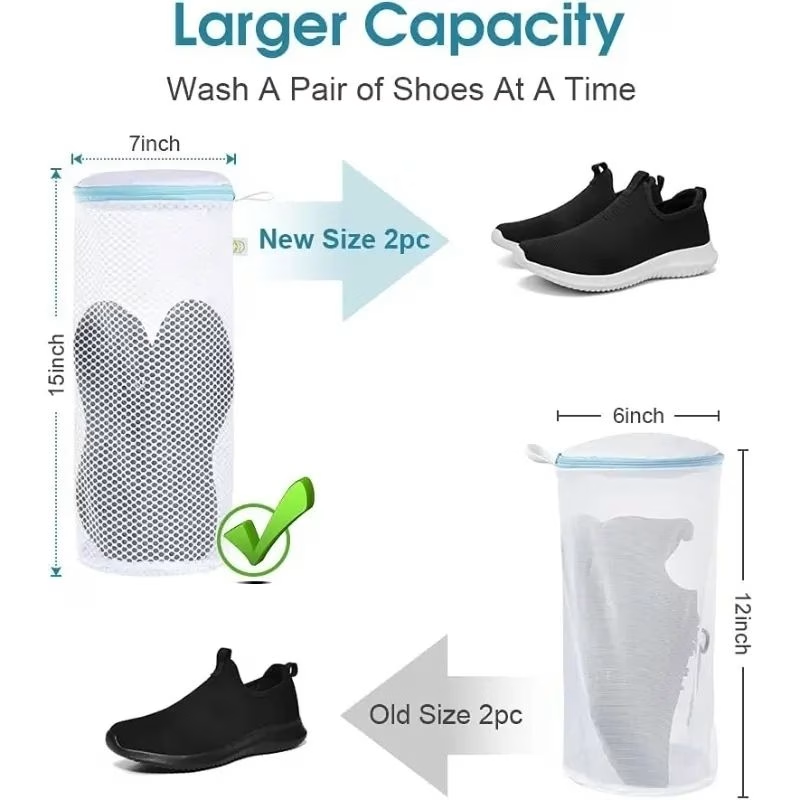
A bag that is too small can compress the shoes and restrict water movement. A bag that is excessively large may allow too much movement inside the bag.
Consider:
- Shoe length
- Shoe width
- Shoe height
- Adult vs children’s footwear
- Sneaker vs running shoe
- Lightweight vs heavier footwear
For many everyday applications, one pair per bag is a practical approach.
If you are sourcing bags for different footwear categories, asking a manufacturer about custom dimensions can be more effective than using one universal size.
6. Easy Drying and Storage
After washing, the bag itself should be easy to rinse and dry.
Features such as hooks, handles, breathable mesh, and quick-drying materials can improve usability.
A reusable shoe washing bag can also serve additional purposes such as:
- Travel shoe storage
- Closet organization
- Keeping dirty footwear separate from clothing
- Retail packaging
- Storage between washing cycles
Multi-purpose functionality can increase the perceived value of the product.
Types of Shoe Washing Bags Compared
Some specialized designs combine protective construction with additional cleaning surfaces. A shoe bag cleaner can be useful for buyers looking for a product that goes beyond basic containment.
Different shoe washing bag designs serve different purposes.
| Type | Main Features | Best For | Protection Level |
|---|---|---|---|
| Mesh-only bag | Lightweight mesh, simple construction | Canvas shoes, light footwear | Basic |
| Padded shoe bag | Mesh plus cushioning | Sneakers and regular use | Good |
| Honeycomb mesh bag | Durable mesh, good airflow | Sneakers and sports shoes | Good |
| Structured bag | Reinforced shape or frame | Premium footwear and frequent use | High |
| Microfiber/chenille bag | Cleaning surface plus protective construction | Sneakers requiring additional cleaning action | High |
1. Mesh-Only Shoe Washing Bags
Mesh-only bags are generally the simplest option.
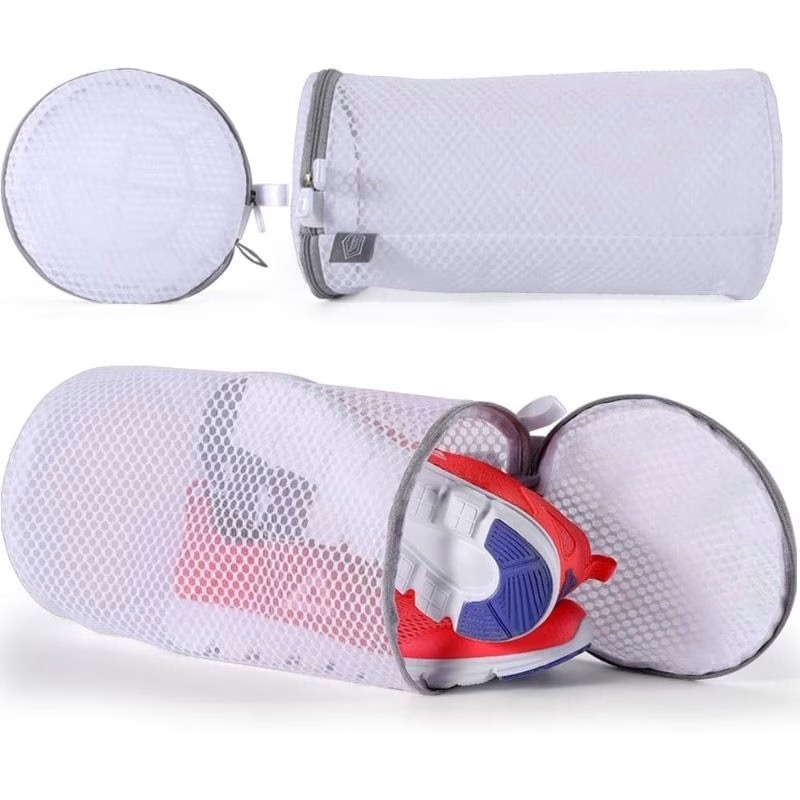
They are lightweight, easy to store, and allow water and detergent to circulate efficiently.
They can work well for:
- Canvas shoes
- Lightweight casual shoes
- Kids’ shoes
- Occasional machine washing
Their main limitation is that they may provide less cushioning and structural support than premium designs.
2. Padded Shoe Washing Bags
Padded bags add cushioning around the footwear.
They are a good choice for users who regularly wash sneakers and want more protection from impact and friction.
They are also attractive for retailers that want to position the product as a higher-value footwear-care accessory.
3. Honeycomb Mesh Shoe Washing Bags
Honeycomb mesh is another design option.
Its structure can provide a combination of durability, airflow, and water circulation.
A honeycomb mesh design may be particularly suitable for sneakers and other everyday footwear where repeated washing and drying are important considerations.
4. Structured or Box-Style Bags
Structured bags are designed to maintain a more defined shape.
Some models use reinforced panels or built-in frames to provide additional support.
These bags are particularly suitable for:
- Premium footwear-care products
- Retail bundles
- Private-label products
- Gift sets
- Brands seeking a differentiated design
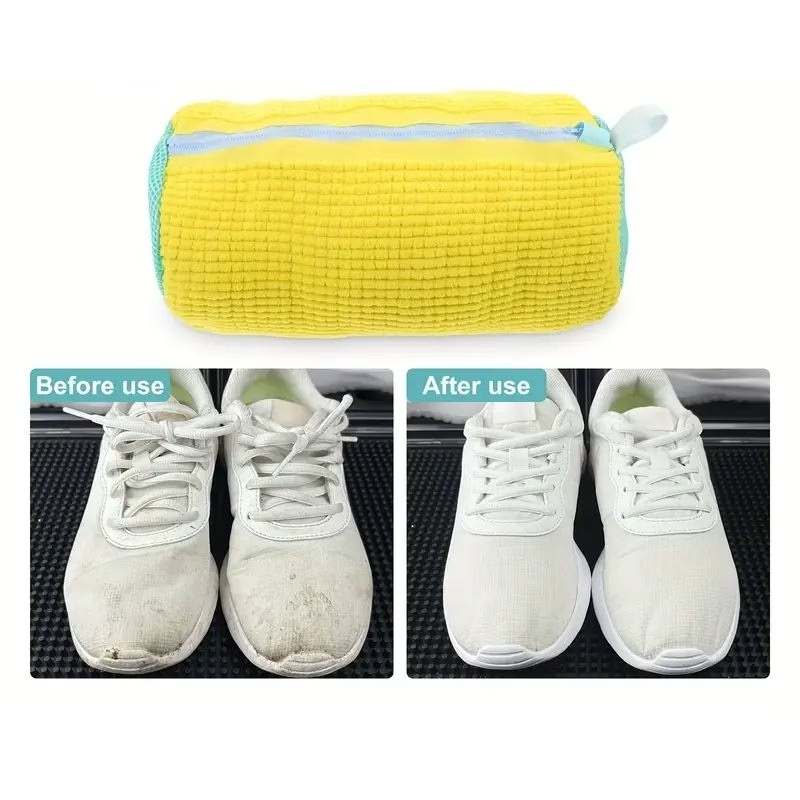
5. Microfiber or Chenille Shoe Washing Bags
Some shoe washing bags incorporate microfiber or chenille surfaces with cleaning fibers.
These designs attempt to combine washing protection with additional surface contact for cleaning.
They can be an interesting option for brands looking for a more specialized sneaker-cleaning product rather than a simple mesh pouch.
Shoe Washing Bag vs. Regular Laundry Mesh Bag
A regular laundry mesh bag and a shoe washing bag may look similar, but they are not necessarily designed for the same job.
| Feature | Shoe Washing Bag | Standard Laundry Mesh Bag |
|---|---|---|
| Intended use | Footwear | Clothing and delicate laundry |
| Mesh construction | Often stronger | Usually lighter |
| Padding | Available on many designs | Usually absent |
| Shape support | Available | Usually loose |
| Zipper protection | Often included | Varies |
| Impact protection | Better suited to footwear | Limited |
| Shoe-specific sizing | Yes | Not always |
| Heavy footwear | Depends on construction | Usually unsuitable |
A standard laundry bag may be fine for socks, underwear, or delicate clothing, but it should not automatically be treated as a replacement for a purpose-built shoe washing bag.
How to Choose the Best Shoe Washing Bag for Your Needs
If sneakers are the primary target, a dedicated sneaker laundry bag can provide a better fit than a generic laundry mesh bag because its dimensions and construction are designed specifically around footwear.
For Everyday Sneakers
For everyday sneakers, look for durable polyester or nylon mesh, a secure zipper, good ventilation, reinforced seams, and moderate padding. A sneaker washing machine bag with these features can be a practical choice for regular machine-washable footwear.
Choose a bag with:
- Durable polyester or nylon mesh
- Secure zipper
- Good ventilation
- Reinforced seams
- Moderate padding
A padded or honeycomb mesh design is a practical starting point.
For Running Shoes
Running shoes can have lightweight mesh uppers and molded foam components.
Look for a bag that provides protection without excessively compressing the footwear.
Good airflow and sufficient internal space are particularly useful.
For Canvas Shoes
Canvas shoes generally do not require the same level of structure as heavier footwear.
A durable mesh-only or lightweight padded bag may be sufficient.
For Children’s Shoes
Size is particularly important.
A smaller shoe-specific bag can prevent small footwear from moving excessively inside an oversized bag.
For Heavy Footwear
Do not assume that every shoe washing bag is suitable for boots or heavy work shoes.
Heavy footwear puts considerably more stress on mesh, seams, zippers, and the washing machine.
For these applications, choose a reinforced design specifically tested for the intended weight.
For Travel and Storage
If you want more than a washing accessory, look for a reusable design that can also be used as a travel shoe bag.
This adds functionality and can make the product more useful throughout the year.
How to Use a Shoe Washing Bag Correctly
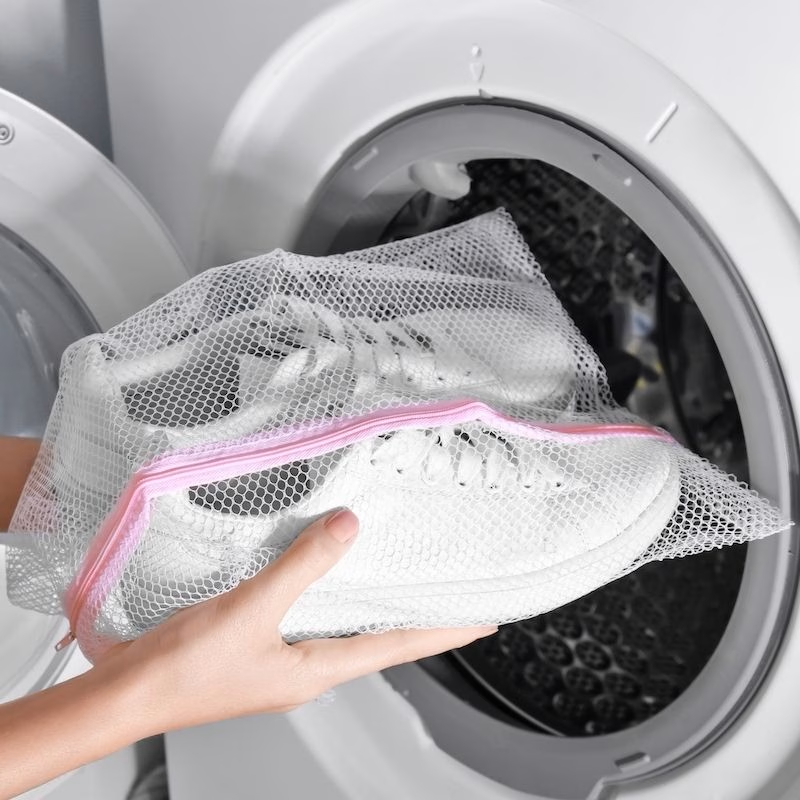
Before purchasing a shoe bag for washing machine, make sure its dimensions and construction are appropriate for the type and size of footwear you intend to wash.
Step 1: Remove Loose Dirt
Brush off mud, sand, gravel, and other loose debris before putting shoes into the washing bag.
Large particles can interfere with cleaning and may create unnecessary wear.
Step 2: Prepare the Shoes
Remove loose accessories, insoles, or laces when the shoe manufacturer’s care instructions recommend doing so.
Always check the shoe manufacturer’s washing instructions before using a washing machine.
Not every shoe is machine washable.
Step 3: Place the Shoes Inside the Bag
Place the appropriate number of shoes inside the bag without overloading it.
For most shoe-specific designs, one pair per bag is a sensible approach unless the manufacturer specifies otherwise.
Step 4: Close and Secure the Zipper
Close the zipper completely.
If the bag has a zipper cover or protective flap, make sure the zipper pull is properly secured inside it.
Step 5: Select a Gentle Cycle
A gentle or delicate cycle with cold or suitably cool water is generally a safer choice for machine-washable footwear.
Aggressive cycles can create unnecessary stress on shoes and the washing bag.
Step 6: Use Mild Detergent
Use a suitable mild detergent and follow the footwear manufacturer’s care instructions.
Avoid bleach or harsh chemicals unless specifically permitted.
Step 7: Air Dry the Shoes
After washing, remove the shoes from the bag and allow them to air dry.
Avoid exposing footwear to excessive heat unless the manufacturer specifically permits it.
High heat can affect adhesives, foam, rubber, and some synthetic materials.
Common Shoe Washing Bag Mistakes to Avoid
Even the best shoe washing bag cannot compensate for incorrect use.
1. Overloading the Bag
Putting too many shoes into one bag can increase friction and put additional stress on the mesh and zipper.
2. Using a Lightweight Bag for Heavy Shoes
A lightweight mesh bag designed for sneakers should not automatically be used for heavy boots or work footwear.
Match the bag’s construction to the footwear weight.
3. Using Hot Water Without Checking the Shoe Care Label
Heat can damage certain adhesives, synthetic materials, foam components, and colors.
Always follow the footwear manufacturer’s instructions.
4. Using Bleach or Harsh Chemicals
Harsh chemicals can damage both footwear and the washing bag.
Use an appropriate detergent instead.
5. Tumble Drying Without Checking Compatibility
A washing bag does not automatically make shoes suitable for tumble drying.
Many shoes are better air dried.
6. Continuing to Use a Damaged Bag
Inspect the mesh, seams, zipper, and protective cover regularly.
If the mesh is torn or the zipper no longer closes securely, replace the bag.
What Should B2B Buyers Look for When Sourcing Shoe Washing Bags?
For wholesalers, retailers, distributors, and private-label brands, buying a shoe washing bag involves more than selecting a consumer-ready product.
The supplier’s manufacturing capability can have a major impact on consistency, cost, lead time, and customer satisfaction.
1. Material Specifications
Ask the supplier for details about:
- Polyester or nylon composition
- Mesh density
- Fabric weight
- Padding material
- Frame material
- Zipper specifications
- Stitching construction
Clear specifications make it easier to compare suppliers.
2. Size Customization
Different footwear categories require different dimensions.
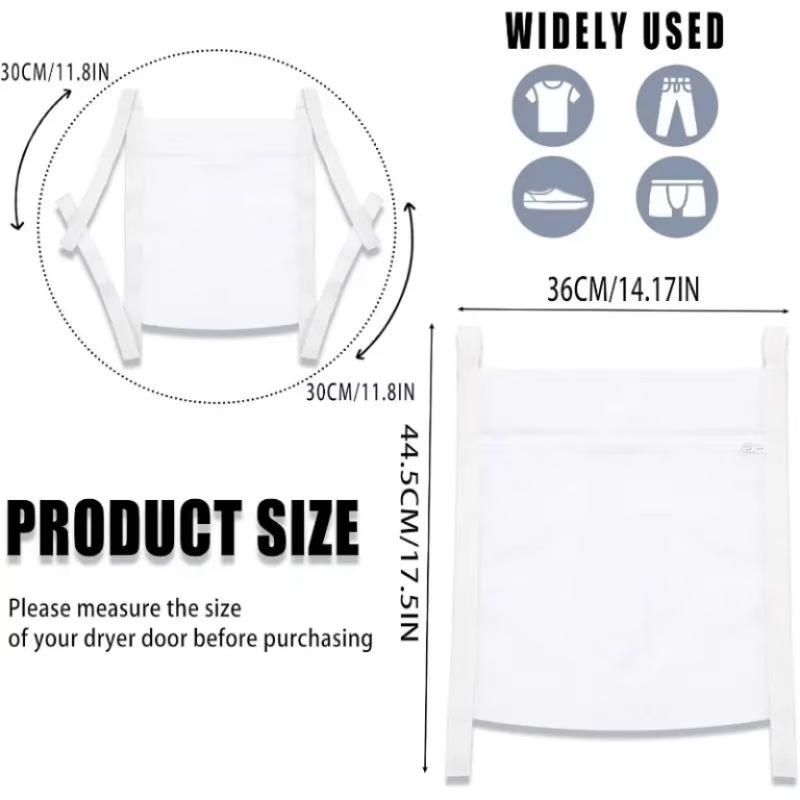
A manufacturer capable of producing custom sizes can help brands create products for:
- Sneakers
- Running shoes
- Children’s footwear
- Large footwear
- Specialty footwear
3. Logo and Branding
For private-label products, ask about:
- Screen printing
- Heat transfer printing
- Woven labels
- Rubber labels
- Embroidery where appropriate
- Custom zipper pulls
- Custom packaging
Branding can transform a generic laundry accessory into a dedicated product within a footwear-care range.
4. Color Customization
Color is another useful branding element.
Instead of limiting a product to standard white or gray, brands may request colors that match their existing product range or packaging.
5. Packaging Options
Retail packaging can include:
- Individual polybags
- Printed boxes
- Paper cards
- Hang tags
- Instruction cards
- Custom retail packaging
Packaging requirements should be discussed before production begins because they can affect MOQ, cost, and lead time.
6. Quality Control
For bulk orders, quality consistency is critical.
Ask how the manufacturer checks:
- Mesh strength
- Stitching
- Zipper performance
- Dimensions
- Color consistency
- Printing quality
- Product functionality
Samples should ideally be tested before committing to a large production run.
7. Compliance Documentation
International buyers may need documentation relating to materials and product safety.
Depending on the target market and product specifications, buyers may request relevant testing or compliance documentation.
Do not rely on a generic “eco-friendly” or “safe” claim. Ask suppliers to provide the appropriate documentation for the exact material and product being purchased.
Best Shoe Washing Bag Features at a Glance
If you are comparing several products, use this checklist:
- Durable polyester or nylon mesh
- Suitable mesh density
- Strong and secure zipper
- Protective zipper cover
- Reinforced seams
- Appropriate size
- Sufficient internal space
- Padding when additional protection is required
- Good water circulation
- Good airflow
- Suitable weight capacity
- Easy drying
- Reusable construction
- Optional branding for private-label applications
- Custom size and color availability
- Reliable quality control
The more demanding the application, the more important these specifications become.
Frequently Asked Question (FAQs)
Q1. What is the best shoe washing bag?
The best shoe washing bag is one that matches the footwear and washing conditions. For everyday sneakers, a durable mesh or padded bag with a secure zipper is a practical option. For premium or frequent-use applications, structured or reinforced designs may provide additional protection.
Q2. Can I wash sneakers in a washing machine with a shoe washing bag?
Some sneakers can be machine washed, but not all footwear is suitable for machine washing. Always check the manufacturer’s care instructions first. A washing bag can provide additional protection, but it does not make unsuitable footwear machine washable.
Q3. Does a shoe washing bag really protect shoes?
A properly designed bag can reduce direct impact, friction, tangling, and uncontrolled movement during washing. The level of protection depends on the bag’s material, padding, structure, size, and construction.
Q4. What material is best for a shoe washing bag?
Polyester and nylon are common choices because they can provide durability while allowing water to circulate. The best material depends on the desired strength, mesh density, flexibility, price point, and intended use.
Q5. Can shoe washing bags be customized?
Yes. Manufacturers may offer customization options such as size, material, color, logo, labeling, zipper design, packaging, and other product specifications. Customization options and minimum order quantities vary by supplier.
Q6. How many shoes fit in one washing bag?
Capacity depends on the bag’s dimensions and construction. Many shoe washing bags are designed for one pair, while some larger designs can accommodate more. Avoid overloading a bag because excessive pressure and friction can reduce washing performance and increase stress on the bag.
Final Verdict: How to Choose the Best Shoe Washing Bag in 2026
The best shoe washing bag is not necessarily the largest, thickest, or most expensive model. Instead, choose a bag based on the footwear you intend to wash and the level of protection you actually need. For everyday sneakers, look for durable mesh, a secure zipper, appropriate sizing, and good airflow. and more demanding applications, consider padded or structured designs that provide additional impact and shape protection.
For retailers, wholesalers, and private-label brands, the decision should go further. Material specifications, zipper quality, stitching, customization, packaging, quality control, testing, and production consistency can all affect the success of the finished product. If you are comparing suppliers for a new footwear-care product line, start by defining your target footwear, dimensions, material, protection level, branding requirements, and expected order volume. Then request samples and test the products before moving into large-scale production.
A well-designed shoe washing bag can be a simple but valuable addition to a laundry-care or footwear-accessory range—especially when durability, usability, and brand customization are considered from the beginning.