
Have you ever opened the dryer to find stretched lingerie, twisted straps, or a pile of socks with a few missing? When mesh laundry bags for washing machine loads aren’t used correctly—or aren’t used at all—that’s exactly what happens. It’s frustrating, time-consuming, and expensive when clothes wear out early or vanish one piece at a time.
That’s why so many homes, gyms, hotels, and busy laundry rooms now rely on mesh bags, from the washer right through to the dryer. These simple tools protect delicate items during washing and drying, reduce tangles, and keep small garments together. But one question comes up again and again: Are mesh bags actually safe to use in the dryer?
The short answer: yes, most quality mesh bags are dryer safe when you use them correctly and choose the right material and construction. In this guide, you’ll learn how mesh bags work, what makes them safe for dryers, how to use them step by step, and what to look for when you order them for your operation.
What Are Mesh Bags and Why Do They Matter?
Mesh bags are soft, ventilated bags made from woven or knitted synthetic fibers such as polyester or nylon. The tiny openings in the mesh allow water, detergent, and air to pass through, while the bag keeps garments together and reduces friction.
In everyday laundry rooms, mesh laundry bags are used for:
-
- Delicate items like lingerie, hosiery, and bras
- Sports uniforms and practice gear
- Socks and other small pieces that tend to get lost
- Baby clothes and accessories
- Items with zippers, hooks, or embellishments
For professional users, mesh laundry sack designs are often larger and more robust. They help keep each person’s items together, support color-coding by department, and improve sorting and tracking.
How Mesh Bags Work in Washers and Dryers
A good mesh wash bag strikes a balance:
- Protection: The mesh forms a barrier, so trims and fabrics do not rub directly against the drum or rough fabrics.
- Flow: Water, detergent, and rinse water move through the mesh easily, so clothes still get clean. How to Use a Laundry Mesh Bag
- Ventilation: In the dryer, air can circulate, so moisture escapes instead of getting trapped.
When you move a load from washer to dryer, the mesh bags stay with the garments inside. This saves time, cuts handling, and reduces the risk of items going missing between machines.
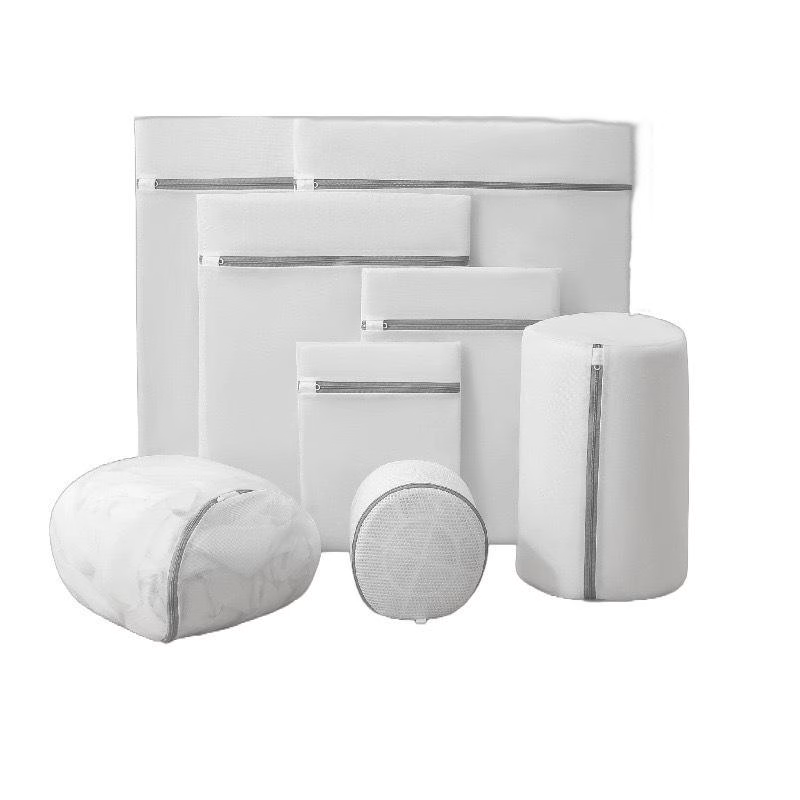
Are Mesh Bags Washer and Dryer Safe?
Most modern mesh bags made from polyester or nylon are designed to be safe in both washers and dryers, especially at low to medium heat. The key is to check the care label and understand how the bag is built.
Laundry experts often recommend using mesh laundry bags for delicates and small items to help avoid damage. When the bags themselves are rated as dryer safe, they can protect both the clothing inside and the rest of the load.
What Makes a Mesh Bag Dryer Safe?
A dryer-safe polyester mesh laundry bag usually has:
- Heat-resistant synthetic fibers
Polyester and nylon can tolerate typical domestic and many commercial dryer temperatures when used on suitable cycles. - Stable mesh construction
The mesh should keep its shape under heat and rotation, without shrinking, melting, or becoming stiff. - Reinforced seams
Strong stitching prevents seams from splitting when the bag is loaded and tumbling. - Secure closure
A good zipper, drawstring, or clip keeps the bag closed so garments do not spill out during drying. - Clear labeling
Tags that state “dryer safe” or indicate a maximum temperature make it easy for staff to choose the correct heat setting.
If a mesh bag is very thin, made from low-quality material, or has weak stitching, it may not be suitable for the dryer. In that case, air drying is a safer option.
Ideal Items to Put in Mesh Bags for the Dryer
Mesh bags are especially useful when you dry:
- Bras, lingerie, and hosiery
- Small socks and baby clothes
- Lightweight sports uniforms and training gear
- Delicate tops, camisoles, and tights
- Items with lace, beads, or embroidery
Many cleaning professionals recommend combining mesh bags, gentle detergent, and suitable wash/dry cycles to extend the life of fragile garments.
For buyers who want additional reference, some facilities also compare their options with other specialized mesh laundry bags from established textile brands.
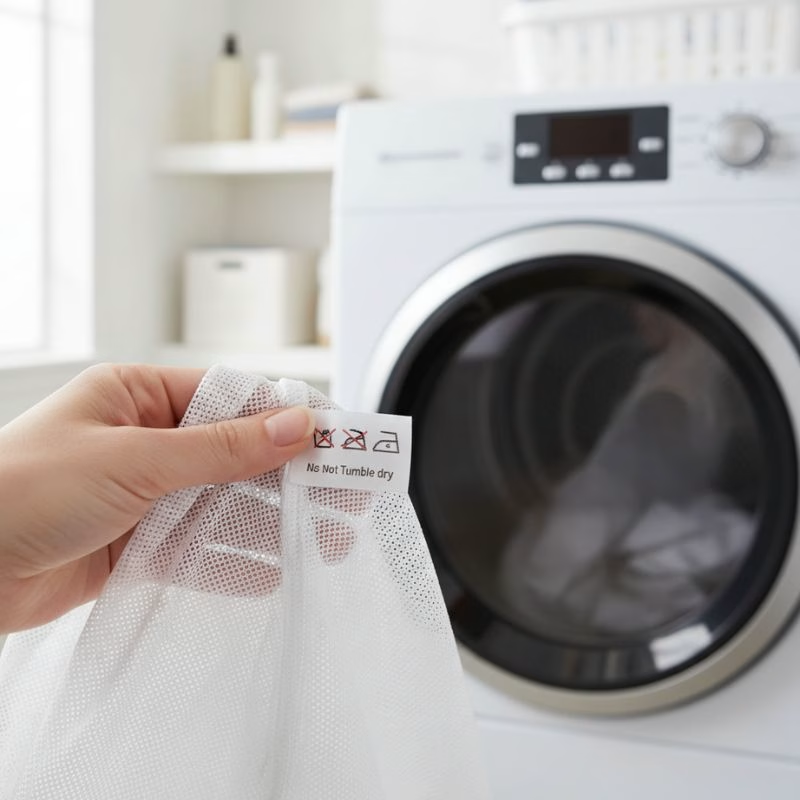
How to Use Mesh Laundry Bags in the Dryer Step by Step
Using mesh bags correctly is just as important as buying the right ones. A few simple habits make a big difference in cleaning performance and bag life.
Step 1: Sort by Fabric and Color
Before you even touch the mesh wash bag, sort your laundry:
- Light vs dark colors
- Delicates vs heavy items (like towels and jeans)
- Special fabrics like wool, silk, or activewear
Experts still recommend sorting to protect both color and fabric quality, even with modern machines
Step 2: Load the Mesh Bags
Add suitable items to your mesh bags:
- Group similar fabrics together (e.g., all bras in one bag, all baby socks in another).
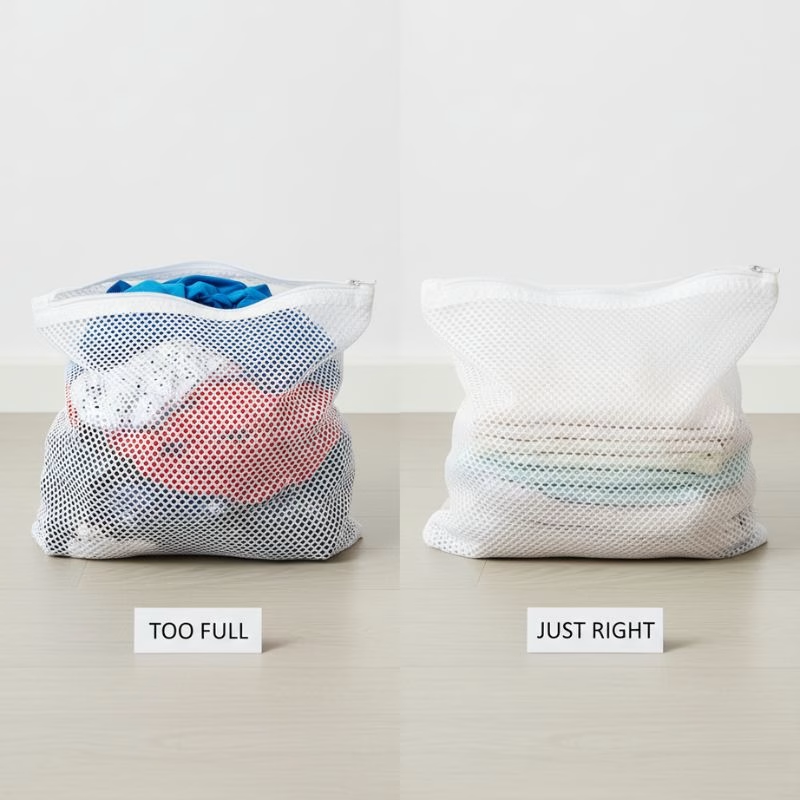
- Fill each bag to about 70–80% of its capacity. This leaves room for water and air to circulate.
- Close the zipper fully, or tighten and secure the drawstring.
Do not overload mesh bags. Overstuffed bags prevent proper cleaning and drying, and they put extra stress on seams and closures.
Step 3: Load the Washer, Then the Dryer
Place heavier items directly in the washer drum. Then add the filled mesh bags on top. This protects delicates from rubbing on rough fabrics.
Once the wash cycle finishes:
- Lift the mesh bags out as they are.
- Move them directly into the dryer with other suitable items.
- Check that everything inside the bags is dryer safe according to the garment labels.
Avoid washing or drying mesh bags with items that have sharp edges, open Velcro, or exposed hooks that can catch on the mesh.
Step 4: Choose the Right Cycle and Temperature
For most delicates in mesh bags, choose:
- Washer: Delicate or gentle cycle, cold or warm water
- Dryer: Low heat, delicate, or “air dry” setting when needed
Laundry specialists advise against very high heat for delicate garments. Lower heat helps fabrics hold their shape and elasticity longer.(The Spruce)
Step 5: Unload and Inspect
After drying:
- Remove mesh bags from the dryer.
- Open each bag and check the garments.
- Smooth out straps and seams while items are still warm.
If a few pieces are still slightly damp, hang them to air dry instead of sending them through another full dryer cycle.
Mesh Bags vs No Mesh Bags: Quick Comparison
| Feature / Outcome | Without Mesh Bags | With Mesh Bags |
|---|---|---|
| Protection of delicates | Higher risk of snags and stretching | Reduced friction and tangling |
| Sock and small item loss | Easy to lose in drum or drain | Kept together inside the bag |
| Sorting and handling time | More time spent matching and folding | Faster sorting by owner or garment type |
| Risk of damage to other items | Hooks/zippers can scratch other fabrics | Hardware is contained inside the mesh bag |
| Clothing lifespan | Higher wear and tear per cycle | Gentler care, longer usable life |

Choosing the Right Mesh Laundry Sack for Your Operation
Not all mesh bags are the same. For home use, almost any small mesh laundry bag can help. For professional environments—hotels, clinics, gyms, factories, schools—you need to match the bag to the workload.
Key Decisions When Selecting Mesh Bags
- Bag size and shape
- Small pouches for lingerie and accessories
- Medium bags for tops and undergarments
- Large mesh laundry sack designs for uniforms, towels, or each person’s bundle
- Mesh type and openness
- Fine mesh for small items and delicate fabrics
- More open mesh for bags that handle bulkier garments and need faster drying
- Closure style
- Zipper bags for secure, repeatable closure
- Drawstring bags for large volumes and easy hanging
- Clip or toggle systems to keep cords from tangling
- Color and labeling
- Color-coded bags by department, size, or shift
- Printed or embroidered logos for brand visibility
- Sewn-in ID windows or barcodes for tracking
- Material and heat rating
- Polyester mesh that can tolerate regular drying cycles
- Clearly tested and rated for the dryer temperatures you use
- Colorfast dyes that do not bleed when exposed to heat and detergent
Matching Our Product Range to Different Needs
As a direct manufacturer, we offer a wide range of mesh bags and related products so you can match each model to a specific use case:
- For mixed family or staff delicates, a compact laundry bag set is a simple way to standardize handling.
- For branded programs or uniform rental, our thickened white mesh laundry bag with embroidered logo lets you combine function and brand identity.
- When you need multiple sizes of fine mesh laundry bag set for lingerie, hosiery, and delicate tops, consider our set of 7 fine mesh laundry bag set or the set of 7 thickened fine mesh bags.
- For trendy retail or export markets, our sandwich mesh laundry bag in Korea style offers a modern look with high durability.
- Cleaning teams can use the cleaning mesh laundry bag to separate tools, cloths, or mop heads while still allowing water and chemicals to flow through.
- Large facilities that collect full outfits or linen bundles can rely on our premium large capacity polyester mesh laundry bag to move more volume per cycle.
- For delicates, travel, or retail sets, our versatile storage and lingerie bag doubles as an organizer and protective mesh wash bag.
You can browse the full range and mix models as needed in our products.
Key Specs to Discuss With Your Supplier
When you talk with your supplier or manufacturer, make sure you cover:
- Mesh weight or GSM
- Fiber type and dryer temperature rating
- Bag dimensions and tolerance
- Closure design and hardware (including zipper type)
- Stitch style and reinforcement points
- Logo placement, label content, and packaging
Clear specifications help you avoid rework and ensure every shipment of mesh bags performs the same way in your washers and dryers.
Common Mistakes When Using Mesh Bags in Washers and Dryers
Even the best mesh bags will not perform well if they are used incorrectly. Here are mistakes to watch for in your laundry room.
Overfilling the Mesh Bags
Overstuffed mesh laundry bags prevent water, detergent, and air from circulating. Clothes may come out still dirty or damp, and seams are more likely to fail under stress.
Overloading the Machines
Even when each mesh wash bag is correctly filled, the total load can still be too heavy. Overloaded washers and dryers struggle to move garments freely and may cause uneven wear or damage.
Using High Heat on Sensitive Items
If you put sensitive fabrics in mesh bags but then dry them on the hottest setting, you still risk shrinking or weakening the garments. The bag adds protection, but it does not change the fiber’s basic limits.
Mixing Rough and Delicate Items in One Bag
Putting a sweater with a heavy zipper in the same mesh laundry bag as lace lingerie defeats the purpose. Use multiple bags and sort by fabric weight and hardware.
Ignoring Damage to the Bag
A hole, broken zipper, or melted section can quickly lead to lost items or snagging. Damaged mesh bags should be removed from service and replaced.
Caring for Your Mesh Wash Bag and Extending Its Life
A durable mesh wash bag should handle many cycles, including dryer use, but a little care goes a long way.
Simple Maintenance Tips
- Wash the bags themselves
Every few loads, wash the empty mesh bags to remove lint and detergent residue. - Avoid bleach and very harsh chemicals
Strong bleach can weaken fibers and shorten bag life. - Choose appropriate dryer settings
Use the same low or medium heat you would use for the clothes inside the bag. - Air dry when in doubt
If you are testing a new type of mesh laundry sack or drying very delicate garments, air drying is the safest option. - Store bags flat or hanging
Keeping bags neatly stored reduces tangles and makes it easy for staff to grab the right size.
When to Replace a Mesh Laundry Bag
Plan to replace a mesh laundry bag if you notice:
- Holes, tears, or worn-through corners
- Melted, stiff, or misshapen fabric
- Zippers that will not close fully
- Drawstrings that have frayed or lost their stopper
Replacing worn mesh bags on time costs less than replacing damaged garments or dealing with lost items later.
Why Work With a Direct Mesh Bag Manufacturer
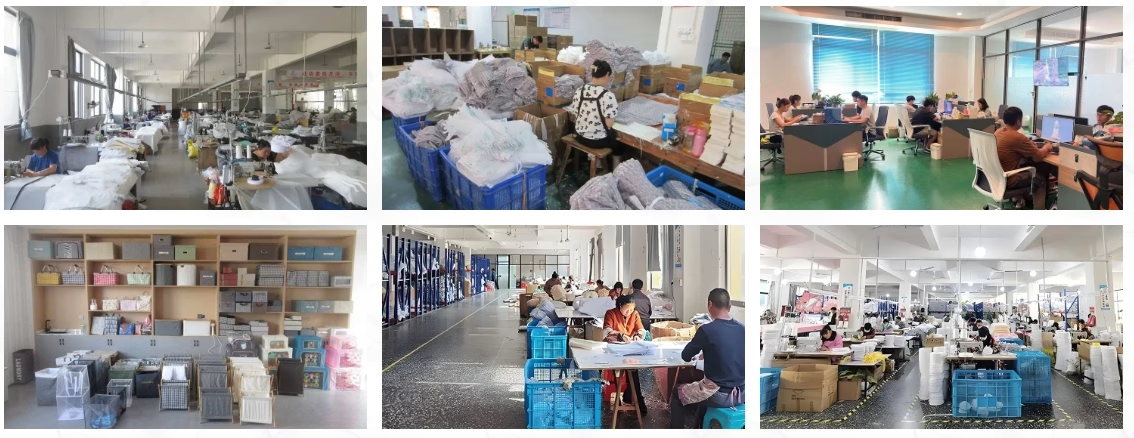
If you run a laundry operation or source for a commercial buyer, you need reliable supply and consistent quality. Working with a direct manufacturer of mesh bags brings clear advantages.
Our company, founded in 2014, focuses on:
- Laundry mesh bags and washing bags
- Laundry baskets and dirty clothes baskets
- Storage boxes and related organizers
Over the years, we have supplied clients across Europe, North America, South America, Korea, and Japan. We welcome OEM projects and custom designs, from special sizes and colors to private labels and packaging.
Material Safety and Compliance
We select environment-friendly raw materials designed to meet international standards such as REACH and other relevant tests. That means your mesh bags are not only durable and dryer safe when used correctly, but also aligned with safety expectations in demanding markets.
Benefits for Professional Buyers
When you work with us as your mesh bag partner, you can:
- Standardize specifications across multiple sites
- Order mixed containers of different models (e.g., fine mesh laundry bags, large sacks, and storage boxes)
- Request logo embroidery, custom labels, and color-coding
- Receive documentation for material and test compliance
- Align deliveries with your seasonal or project timelines
Typical Project Workflow
For procurement teams and product managers, a new mesh bags project usually follows these steps:
- Share your requirements (sizes, colors, closure, fabric weight, dryer conditions).
- We recommend suitable materials and constructions based on your use case.
- We develop samples for you to test in real washers and dryers.
- After approval and any needed adjustments, we confirm pricing and timelines.
- We produce, inspect, and ship according to your schedule.
This structured process helps you launch or upgrade your mesh bag program with confidence.
FAQs About Mesh Bags for Professional Laundry Operations
How hot can dryer-safe mesh bags go?
Most quality mesh bags made from polyester can handle typical low to medium dryer settings. For high-heat commercial tunnels or specialty processes, ask for the tested maximum temperature and confirm it on the spec sheet before use.
Can we use one mesh laundry sack per person for tracking?
Yes. Many facilities assign one mesh laundry sack per resident, player, or staff member. Color-coding and labeling make it easy to track each person’s garments from collection to return, even when using shared machines.
Are mesh laundry bags suitable for heavy items like workwear?
They can be, as long as you choose reinforced mesh laundry bags designed for higher weight and abrasion. For very heavy cotton or industrial fabrics, you may use larger, heavier-gauge mesh and double-stitched seams.
Can we print or embroider our logo on mesh bags?
We regularly supply mesh bags with embroidered or printed logos. This supports brand consistency, makes bags easy to identify, and adds value for resale or uniform programs. Placement and stitching are designed so the logo does not interfere with dryer safety.
What information should appear on the care label?
A good label on a mesh wash bag includes fiber content, wash and dry symbols, maximum dryer temperature, and clear “dryer safe” wording when applicable. For professional buyers, we can also add item codes or barcodes for inventory control.
We are a direct manufacturer of mesh bag, from small fine-mesh pouches to large polyester laundry sacks and storage solutions. If you are planning a new laundry project or looking for a more reliable supplier, now is the time to review your specs.
Share your requirements, request samples, or ask for a custom quote. Our team will help you select, test, and roll out mesh laundry bags that perform in both washers and dryers—at the volumes your operation needs.