
Washing sneakers and other washable shoes in a washing machine can save time, but putting footwear directly into the drum may expose it to unnecessary impact, friction, and movement. A mesh wash bag for shoes provides a simple way to contain footwear while allowing water and detergent to circulate through the mesh.
Designed specifically for machine washing, shoe washing bags can help reduce direct contact between shoes and the washing machine drum, keep pairs together, and make the washing process more organized.
In this guide, we will explain what a mesh wash bag for shoes is, its main benefits and features, which shoes may be suitable for machine washing, and how to use one correctly.
What Is a Mesh Wash Bag for Shoes?
A mesh wash bag for shoes is a reusable protective laundry bag designed to hold footwear during a washing machine cycle. It is commonly made from durable synthetic mesh, such as polyester, which allows water and detergent to pass through while keeping the shoes contained.
Unlike a basic laundry bag designed for socks or delicate clothing, a dedicated shoe washing bag is built to handle the greater weight, rigidity, and movement of footwear.
Many shoe washing bags feature durable mesh, reinforced seams, secure zippers, protective flaps, padding, or structured construction. These features can help reduce excessive movement and protect both the shoes and the washing machine during a cycle.
For buyers comparing different solutions, our collection of washing bags for shoes provides an overview of purpose-built options.
Benefits of Using a Mesh Wash Bag for Shoes
Using a dedicated bag does not make every shoe suitable for machine washing. However, when footwear is machine washable, a properly designed bag can provide several practical benefits.
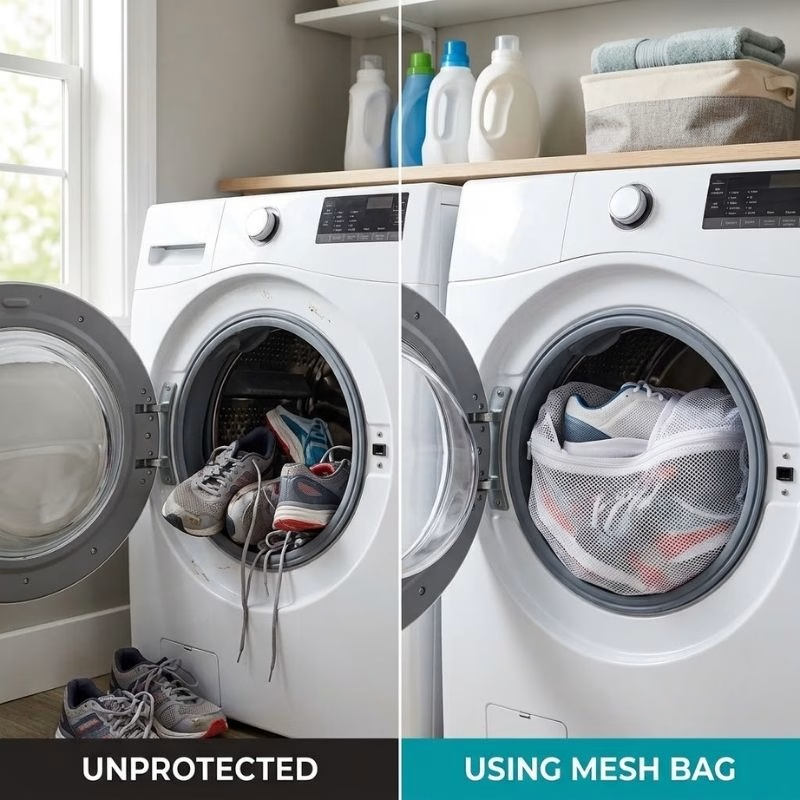
1. Helps Protect Shoes During Washing
Shoes are heavier and more rigid than most clothing. When they move freely inside a washing machine, their soles, eyelets, molded components, and other hard parts can repeatedly hit the drum.
A mesh wash bag helps contain the shoes and reduce uncontrolled movement. This can help minimize unnecessary impact during washing.
2. Reduces Friction and Scuffing
Repeated rubbing against the washing machine drum or other items can contribute to scuffing and wear.
The mesh creates a layer between the footwear and the drum while still allowing water and detergent to reach the shoes. This can be especially useful for fabric sneakers and other washable footwear that may be affected by excessive friction.
3. Helps Maintain Shoe Shape
Some shoe washing bags include padding, thicker mesh, or a structured design to provide additional support.
Keeping shoes contained can help reduce excessive twisting and compression during the wash cycle. While a washing bag cannot guarantee that footwear will retain its original shape, the right design can provide additional protection compared with washing shoes loose in the drum.
4. Keeps Shoes Together and Organized
A dedicated shoe bag keeps the pair contained in one place.
This is particularly convenient when washing shoes separately from everyday clothing. It can also help prevent laces and other removable components from becoming tangled with other laundry.
5. Helps Reduce Contact With the Washing Machine Drum
Loose shoes can repeatedly strike the interior of a washing machine during a cycle, creating noise and vibration.
A purpose-built shoe bag can help reduce direct contact between the footwear and the drum. It does not eliminate all movement or guarantee protection from machine damage, but it provides an additional layer of separation.
6. Allows Water and Detergent to Circulate
One of the most important characteristics of a mesh wash bag is its breathable construction.
The mesh allows water and detergent to pass through the bag and reach the shoes. This means the bag can provide containment without completely isolating the footwear from the washing process.
A suitable mesh density needs to balance two requirements: providing sufficient protection while still allowing effective water circulation.
Key Features of a Quality Mesh Wash Bag for Shoes
Not every laundry bag is designed to handle shoes. When choosing a shoe washing bag, pay attention to its construction and features.
1. Durable Mesh Material
Shoes are considerably heavier than socks, underwear, or other delicate laundry. A quality bag should therefore use durable mesh capable of handling repeated washing cycles.
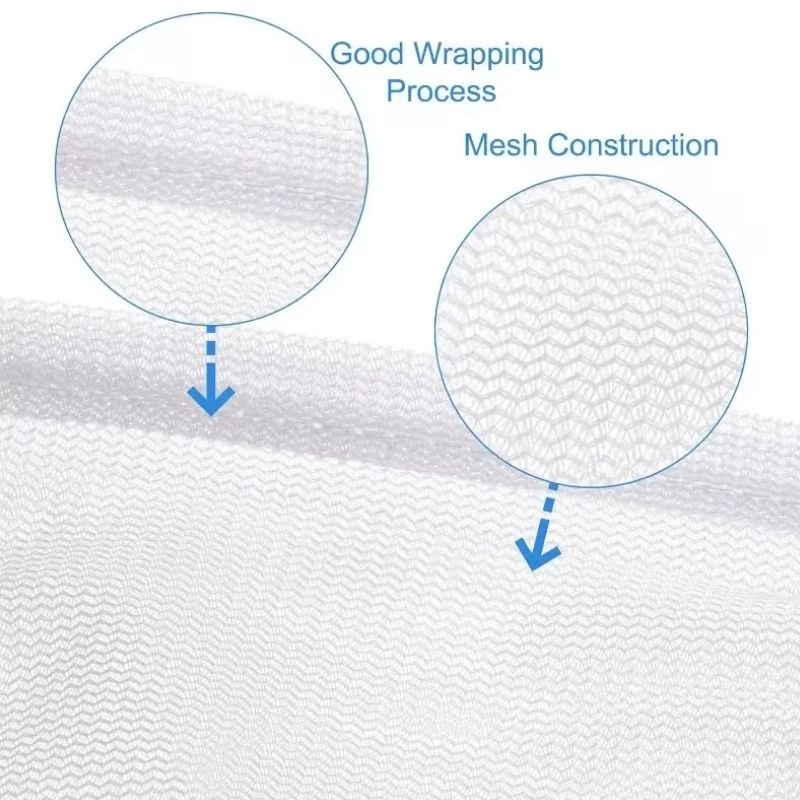
Polyester mesh is a common choice because it can provide a useful combination of strength, flexibility, and water permeability.
2. Secure Zipper
A secure zipper is essential.
The closure should remain closed during the wash cycle so the shoes do not escape from the bag. Some designs also include a zipper cover or protective flap to reduce the chance of the zipper catching on other items or contacting the washing machine.
3. Reinforced Seams
The seams experience considerable stress when a bag contains a pair of shoes during spinning.
Reinforced stitching can improve durability and reduce the likelihood of the bag opening or tearing after repeated use.
4. Padding or Structured Construction
Some premium shoe washing bags use padding or a structured design to provide additional protection.
This can be useful for sneakers or footwear where reducing impact and maintaining shape are important considerations.
5. Appropriate Size
Size is another important consideration.
The bag should be large enough to hold the intended footwear without compressing the shoes too tightly. At the same time, an oversized bag may allow unnecessary movement.
For most designs, the recommended capacity should be followed rather than trying to fit multiple pairs into a single small bag.
6. Reusable Design
A reusable shoe washing bag can be used repeatedly, making it more practical than a disposable solution.
After washing, the bag should be emptied, cleaned if necessary, and allowed to dry completely before its next use.
What Shoes Can Be Washed in a Mesh Bag?
A mesh wash bag can be useful for footwear that is already suitable for machine washing. However, the bag does not make unsuitable shoes machine washable.
Always check the manufacturer’s care instructions before putting footwear into a washing machine.
1. Shoes That May Be Suitable
Depending on their materials and manufacturer’s instructions, some of the following may be machine washable:
- Canvas shoes
- Fabric sneakers
- Mesh running shoes
- Some synthetic sneakers
- Certain washable casual shoes
- Some children’s fabric shoes
2. Shoes That Usually Need Extra Care
Machine washing may not be appropriate for:
- Leather shoes
- Suede shoes
- Delicate decorative footwear
- Shoes with sensitive glued components
- Footwear with materials that can be damaged by water
- Shoes specifically labeled as not machine washable
If you are uncertain, follow the manufacturer’s cleaning instructions rather than relying on the washing bag alone.
How to Use a Mesh Wash Bag for Shoes
Using a mesh wash bag for shoes is relatively simple. However, proper preparation can improve cleaning results and reduce unnecessary wear.
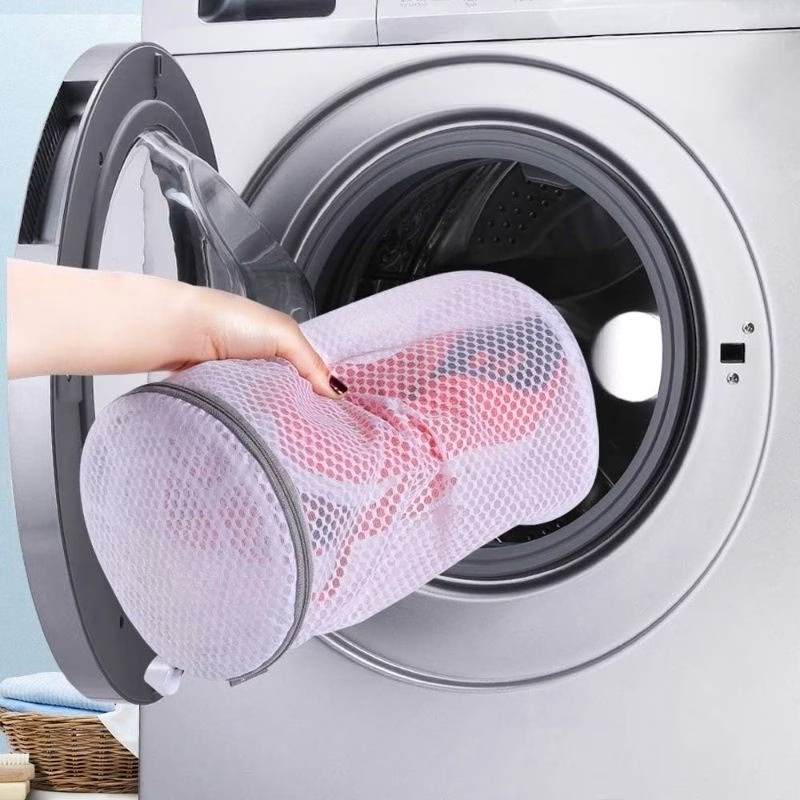
Step 1: Check the Shoe Care Instructions
Before doing anything else, check whether the footwear is suitable for machine washing.
Look for the manufacturer’s care label or cleaning instructions. If the shoes are labeled hand-wash only or not suitable for machine washing, use the recommended cleaning method instead.
Step 2: Remove Loose Dirt and Debris
Brush off dried mud, sand, gravel, and other loose debris from the shoes.
Pay particular attention to the soles. Removing larger particles before washing helps prevent unnecessary dirt from entering the washing machine and allows the wash cycle to focus on the remaining stains.
Step 3: Remove Laces and Insoles When Appropriate
If the shoe manufacturer’s instructions allow it, remove the laces and removable insoles.
Laces can be washed separately in a smaller laundry bag, while removing insoles can allow them to be cleaned and dried more effectively.
Step 4: Place the Shoes Inside the Bag
Open the mesh wash bag and place the shoes inside.
Avoid overloading the bag. The footwear should have enough space for water and detergent to circulate through the mesh.
For a dedicated bag designed for one pair, use it according to the manufacturer’s recommended capacity.
Step 5: Close and Secure the Zipper
Zip the bag completely before putting it into the washing machine.
If the bag includes a zipper cover or protective flap, secure it according to the product instructions.
Double-check that no part of the shoe is caught in the zipper.
Step 6: Balance the Washing Machine
Shoes can create an uneven load because they are heavier and more rigid than normal clothing.
If appropriate for your washing machine and shoe-care instructions, adding a few suitable towels can help balance the load and reduce excessive noise and movement.
Do not overload the machine.
Step 7: Choose an Appropriate Washing Cycle
Use the cycle and water temperature recommended by the shoe manufacturer.
For many washable fabric sneakers, a gentle or delicate cycle with cool or cold water may be appropriate. Avoid assuming that a stronger cycle will produce better results.
High temperatures and aggressive spinning can affect adhesives, synthetic materials, colors, and other components.
Step 8: Use an Appropriate Amount of Detergent
Use a suitable detergent according to the manufacturer’s recommendations.
More detergent does not necessarily mean cleaner shoes. Excess detergent may be difficult to rinse away and can leave residue on the footwear.
Step 9: Air Dry the Shoes
After washing, remove the shoes from the bag and allow them to dry according to the manufacturer’s instructions.
Air drying at room temperature is often a safer option than exposing footwear to high heat. Excessive heat can affect adhesives, soles, coatings, and synthetic materials.
The washing bag should also be allowed to dry completely before storage.
Mesh Wash Bag vs. Washing Shoes Without a Bag
The main difference is how the footwear is contained during the wash cycle.
| Feature | With a Mesh Wash Bag | Without a Bag |
|---|---|---|
| Shoe containment | Shoes remain contained | Shoes move freely |
| Drum contact | Can help reduce direct contact | More direct contact |
| Organization | Keeps the pair together | Shoes may separate |
| Lace management | Easier to contain | More likely to tangle |
| Noise | May reduce impact noise | Shoes can hit the drum directly |
| Handling after washing | Easy to remove as a pair | Shoes may be separated |
| Reusability | Bag can be reused | No protective accessory |
A shoe washing bag is therefore a useful accessory for machine-washable footwear, but it should be viewed as an additional protective measure rather than a guarantee against damage.
Common Mistakes to Avoid
Even the best mesh wash bag for shoes cannot compensate for incorrect washing practices.
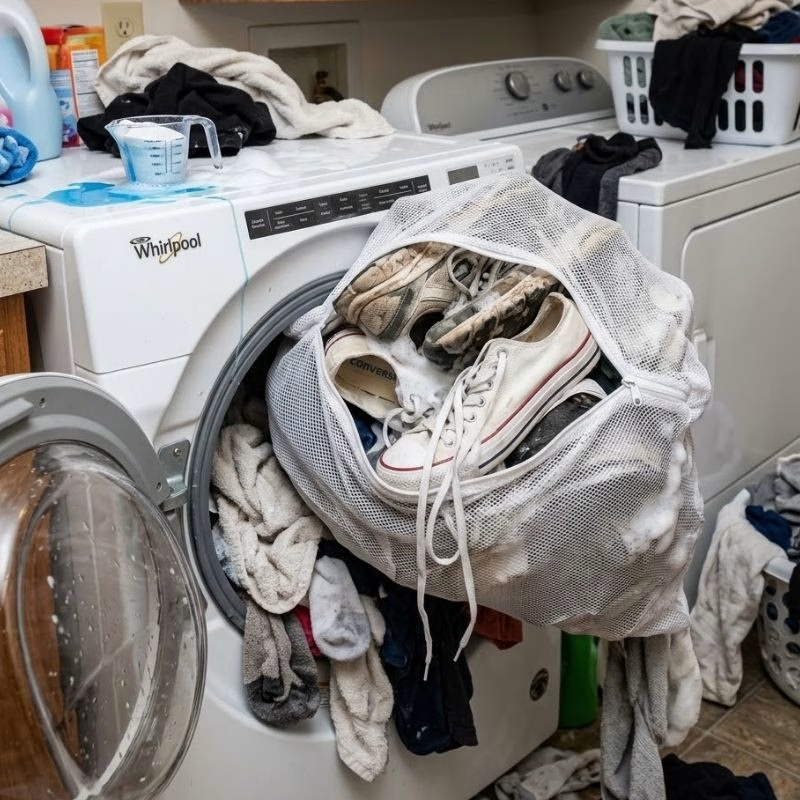
1. Washing Shoes That Are Not Machine Washable
This is the most important mistake to avoid.
If the manufacturer says that a shoe should not be machine washed, putting it inside a protective bag will not change that recommendation.
2. Overloading the Bag
Do not force multiple pairs or oversized footwear into a bag that is designed for a smaller load.
Overloading reduces the space available for water circulation and places additional stress on the mesh and seams.
3. Using Very Hot Water
High temperatures can damage adhesives, coatings, synthetic materials, and some shoe colors.
Follow the recommended washing temperature for the footwear.
4. Using Too Much Detergent
Excess detergent can leave residue on the shoe surface.
Use the recommended amount and consider an additional rinse if necessary.
5. Skipping Pre-Cleaning
Large pieces of mud, sand, or gravel should be removed before the shoes enter the washing machine.
A quick brush can make the cleaning process more effective and reduce unnecessary debris inside the washer.
6. Leaving Laces Loose
Loose laces can become tangled during a washing cycle.
When the manufacturer’s care instructions permit, remove the laces and wash them separately or place them in an appropriate small laundry bag.
7. Using High Heat for Drying
A washing bag protects shoes during washing, but it does not protect them from drying heat.
Avoid high-heat drying unless the shoe manufacturer specifically states that it is safe.
8. Choosing a Weak Bag
A lightweight laundry bag designed for delicate clothing may not be suitable for heavy footwear.
Look for durable mesh, reinforced seams, a secure closure, and construction appropriate for repeated shoe washing.
How to Choose the Right Mesh Wash Bag for Shoes
If you are buying a mesh wash bag for regular use, consider the following factors.
1. Material
Look for durable polyester or another suitable synthetic mesh that can withstand repeated washing.
he mesh should be strong enough for the weight of the footwear while still allowing sufficient water and detergent circulation.
2. Size and Capacity
Choose a bag that matches the size and type of shoes you plan to wash.
A bag that is too small can compress the footwear, while a bag that is excessively large may allow too much movement.
3. Closure System
A reliable zipper or other secure closure is important.
For machine washing, the closure should remain securely fastened throughout the cycle.
4. Construction
Consider whether you need a simple mesh design or a more protective construction with padding, thicker mesh, internal support, or other features.
The right choice depends on the footwear and how frequently the bag will be used.
5. Reusability
For regular shoe cleaning, a reusable design is more convenient and practical.
Choose a bag that can be easily rinsed, dried, stored, and reused.
6. Customization for Bulk Buyers
Businesses, retailers, laundry service providers, shoe brands, and promotional-product buyers may also need customized washing bags.
Depending on the manufacturer and project requirements, customization may include dimensions, mesh material, zipper design, branding, packaging, color, labeling, and other specifications.
For buyers comparing different shoe washing bag designs, you can also explore solutions such as a sneaker washing machine bag, shoe bag cleaner, or sneaker laundry bag.
For a more specific durable polyester option, see this mesh bag for washing shoes with a secure zipper.
You can also explore a dedicated shoe bag for washing machine use.
Frequently Ask Questions (FAQs)
1. What is a mesh wash bag for shoes?
A mesh wash bag for shoes is a reusable protective laundry bag designed to hold shoes during machine washing. Its mesh construction allows water and detergent to circulate while helping reduce direct contact between the shoes and washing machine drum.
2. Can I put a mesh wash bag for shoes in the washing machine?
Yes, a mesh wash bag designed specifically for shoes can be used in a washing machine. However, the shoes themselves must be suitable for machine washing. Always check the manufacturer’s care instructions before washing.
3. Does a shoe washing bag protect shoes from damage?
A shoe washing bag can help reduce excessive movement, friction, and direct impact against the washing machine drum. However, it cannot completely prevent damage, especially if the shoes are not suitable for machine washing or the wrong washing cycle is used.
4. What type of shoes can be washed in a mesh shoe bag?
Depending on the manufacturer’s care instructions, mesh shoe bags can be used for washable canvas shoes, fabric sneakers, mesh running shoes, and some synthetic footwear. Leather, suede, and other delicate shoes generally require different cleaning methods.
5. How do I use a mesh wash bag for shoes?
First, check the shoe’s care instructions and remove loose dirt. Place the shoes inside the mesh bag, secure the zipper, and use an appropriate washing cycle and temperature. After washing, remove the shoes and allow them to air dry according to the manufacturer’s recommendations.
Final Thoughts
A mesh wash bag for shoes can make machine washing more controlled and convenient when used with suitable footwear. By containing shoes, reducing uncontrolled movement, and allowing water and detergent to circulate, a properly designed bag can help protect both footwear and the washing machine.
The key is to choose a bag made from durable materials with strong seams, a secure zipper, and an appropriate size. Just as importantly, always follow the shoe manufacturer’s cleaning instructions.
Before washing, remove loose dirt and prepare the footwear. During washing, use an appropriate cycle and temperature. Afterward, allow the shoes and washing bag to dry properly.
With the right preparation and a suitable shoe washing bag, cleaning washable sneakers and other fabric footwear can become a simpler and more organized part of your regular laundry routine.