
A torn lace trim rarely fails in the closet. It fails in the washing machine. For brands and retailers that sell garment care products, that single tear often becomes a one-star review, a return, or a lost repeat customer. So the product that prevents it deserves more attention than it usually gets.
A large laundry bag for delicates is one of the simplest items in any home goods catalog. Yet it carries real weight in customer satisfaction. It protects bras, lace, silk, knitwear, and baby clothes from the agitation that ruins them. It also keeps small items together, so socks and straps stop disappearing mid-cycle.
This guide explains how these bags work, which materials and constructions hold up, and how large wash bags for delicates compare with standard sizes. It also covers compliance testing, customization, and what to expect when you order directly from a manufacturer. By the end, you’ll know exactly what to specify before requesting a quote.
What Is a Large Laundry Bag for Delicates?
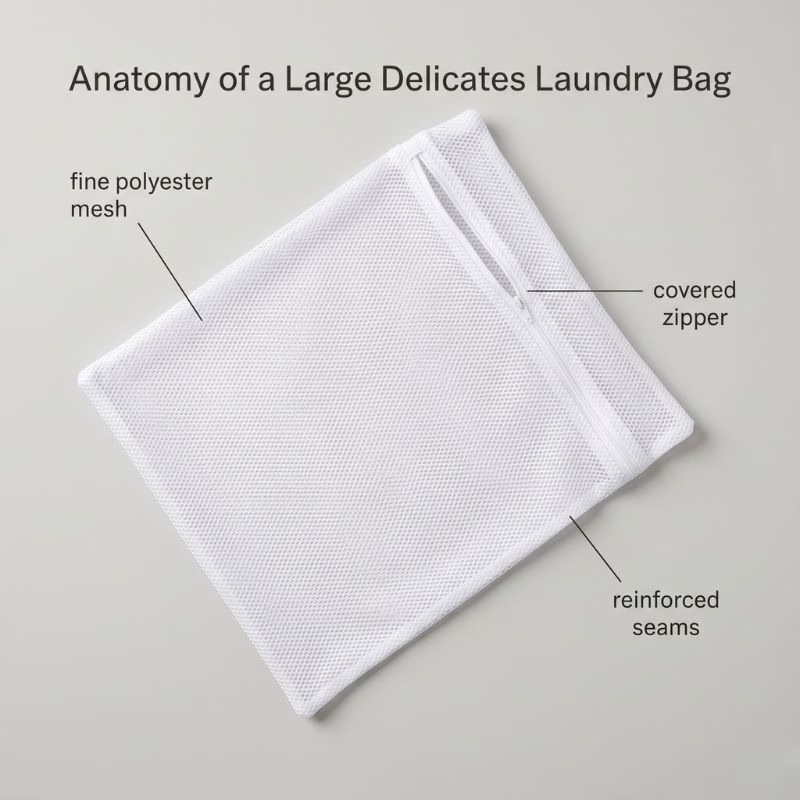
A large laundry bag for delicates is a zippered mesh enclosure, usually made from woven polyester, that holds fragile garments during machine washing. Water and detergent flow freely through the mesh. But the bag blocks direct contact between the garments inside and the drum, the agitator, and heavier items in the same load.
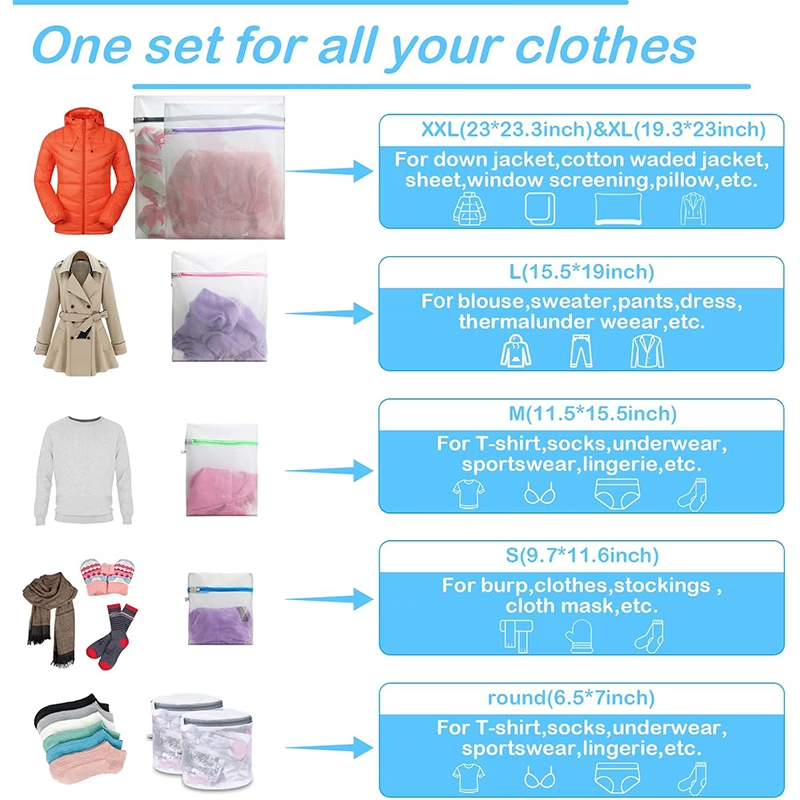
The word “large” matters here. Small lingerie bags measure around 30 x 40 cm and hold one or two bras. Large formats typically run from 50 x 60 cm up to 60 x 90 cm. That extra room handles sweaters, blouses, full lingerie sets, curtains, and bedding accessories in a single bag.
Most designs share a few core components:
- Mesh body – fine, medium, or honeycomb weave polyester, chosen by garment type.
- Zipper closure – often with an elastic or covered zipper guard, so the slider doesn’t snag fabric or rattle against the drum.
- Reinforced seams – overlocked or double-stitched edges that survive hundreds of wash cycles.
- Optional extras – hanging loops, color-coded trims, printed logos, or drawstring variants for storage use.
Because the construction is simple, quality differences show up in the details. Mesh density, stitch count, and zipper hardware separate a bag that lasts three years from one that splits in three months. For a closer look at the standard construction, you can review our laundry mesh bag product page, which lists typical specifications and weave options.
Why Delicate Garments Get Damaged in the Wash
Before judging any protective product, it helps to understand the damage it prevents. Washing machines are rough environments. A standard cycle spins, tumbles, and rubs garments against each other and against the drum for 30 to 90 minutes.
Delicate items suffer in four main ways:
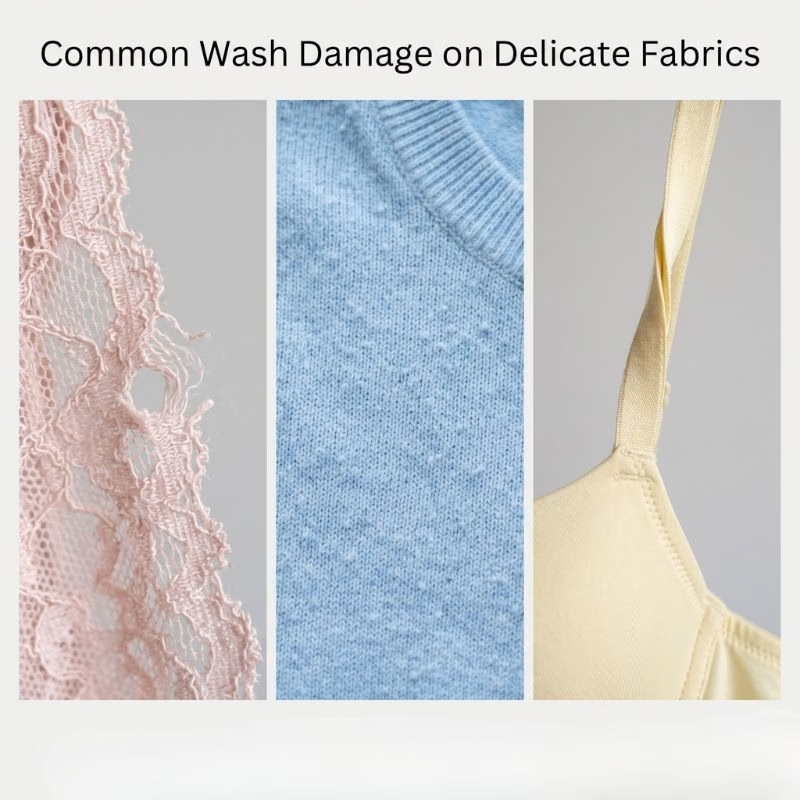
- Snagging. Hooks, zippers, and buttons on other garments catch lace, mesh panels, and loose knits. One snag can pull a thread line across an entire blouse.
- Stretching. Bra straps and elastic bands wrap around heavier items, then stretch as the drum spins. The garment loses shape long before the fabric wears out.
- Abrasion. Friction dulls colors and creates pilling on knitwear, especially wool and viscose blends.
- Loss and tangling. Socks, baby mittens, and detachable straps slip into drum gaps or hide inside duvet covers.
Embellished garments face an extra risk. Beads, sequins, and appliqués can tear off during agitation, and loose beads may then damage other items or the machine itself.
The cost of this damage adds up faster than most shoppers realize. A quality bra retails between $40 and $80, and silk blouses often cost more. When agitation shortens a garment’s life from three years to one, the hidden expense dwarfs the price of the bag that would have prevented it. That math is worth spelling out in product descriptions, because it reframes a low-cost accessory as garment insurance.
Hand washing avoids most of this, but few consumers have the time. So the practical answer is a barrier that allows machine washing while removing direct contact. That is exactly what mesh washing bags provide. For end users, general fabric care guidance from the American Cleaning Institute also recommends gentle cycles and garment separation for fragile fabrics, which pairs naturally with bag use.
How a Large Laundry Bag for Delicates Protects Every Load
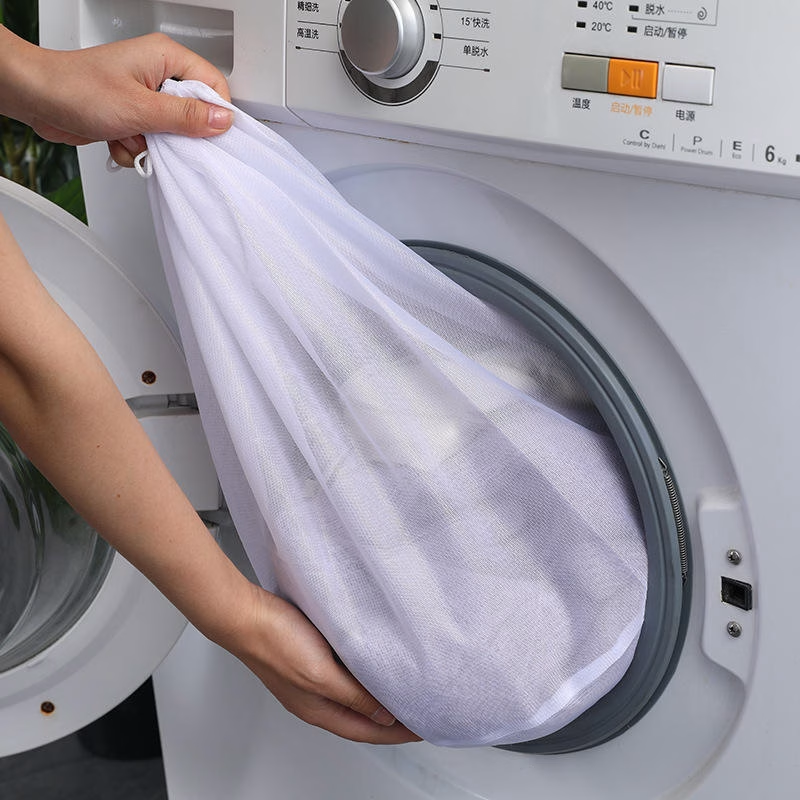
The protection mechanism is mechanical, not chemical. A large laundry bag for delicates works because it controls movement and contact inside the drum. Here is what happens during a typical cycle:
- The mesh creates a physical barrier. Hooks and zippers from other garments cannot reach the items inside.
- Garments inside the bag move as one soft mass, so individual straps and trims stop whipping around the drum.
- Water and detergent pass through the open weave, so cleaning performance stays unchanged.
- The zipper guard keeps the closure shut and prevents the metal or plastic slider from scratching the drum.
The large format adds benefits that small bags cannot match:
- Room to move. Garments need some space to release dirt. A bag filled to two-thirds capacity cleans noticeably better than a stuffed one. Larger bags make that easy.
- Fewer bags per load. One 60 x 90 cm bag can replace three or four small pouches. That speeds up sorting for busy households and for commercial users such as laundromats, hotels, and dormitories.
- Bigger item coverage. Sweaters, shapewear, mesh curtains, and pillow protectors fit without folding or crushing.
There’s also a sorting benefit that buyers often highlight in product copy. Households can pre-sort laundry into bags by person or by fabric type, wash everything together, and skip the post-wash sorting pile. Commercial laundries use the same logic with color-coded bags to track customer batches.
For product teams, these points translate directly into listing content: protection, capacity, and time savings are the three claims that convert. Our laundry bag set bundles multiple sizes for exactly this reason, since most end users want one large bag plus two or three smaller ones.
Mesh Types and Materials: A Buyer’s Comparison
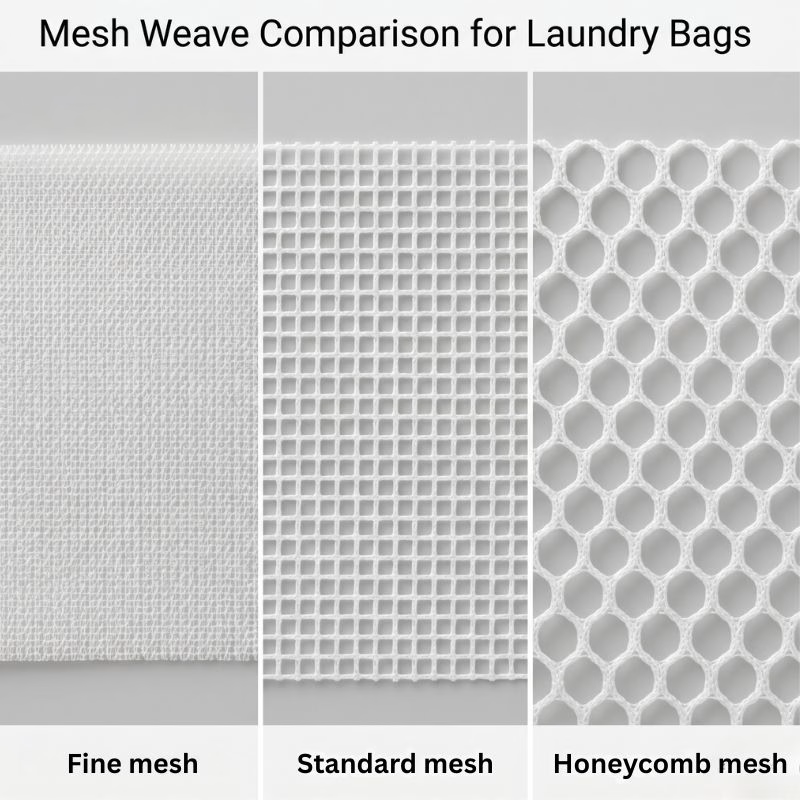
Not all mesh performs the same. The weave determines protection level, drying speed, and feel. So matching mesh type to the end use is the first sourcing decision to make.
| Mesh type | Hole size | Best for | Trade-offs |
|---|---|---|---|
| Fine micro mesh | < 1 mm | Lingerie, lace, hosiery, embellished items | Slower water exchange; slightly higher cost |
| Standard mesh | 2–4 mm | Everyday delicates, knitwear, baby clothes | Balanced protection and flow; the common default |
| Honeycomb mesh | 4–6 mm | Sweaters, sportswear, towels, shoes | Fast rinsing; less protection for trims and hooks |
| Drawstring mesh | Varies | Storage, produce, toy organization | Not sealed; better for storage than washing |
Material choice is just as important. Nearly all washing bags use 100% polyester because it resists stretching, dries fast, and tolerates repeated hot washes. Nylon feels softer but absorbs more water and can yellow over time. Recycled polyester (rPET) is gaining ground with European and Japanese buyers who need sustainability claims on packaging.
Three construction details deserve a place on every spec sheet:
- Fabric weight. Look for 60–110 GSM depending on weave. Lighter fabric saves cost but tears at the seams first.
- Zipper quality. Nylon coil zippers with an elastic guard or hidden pocket prevent both snagging and drum noise. Cheap zippers are the top failure point in warranty claims.
- Seam finishing. Overlock stitching with 9+ stitches per inch keeps seams intact past 200 wash cycles.
Because raw material choices affect safety claims too, ask suppliers about chemical compliance early. Our materials are environment friendly and pass REACH and related tests, which we’ll cover in more detail below.
Large Wash Bags for Delicates vs Standard Sizes
Buyers often ask whether to stock large formats, small formats, or both. The honest answer depends on your customer mix. Large wash bags for delicates serve a different job than the small lingerie pouch, and the table below shows where each one wins.
| Factor | Large bags (50×60 to 60×90 cm) | Standard/small bags (30×40 cm) |
|---|---|---|
| Typical contents | Sweaters, blouses, full sets, curtains | 1–2 bras, hosiery, accessories |
| Bags needed per load | 1–2 | 3–5 |
| Protection for hooks/underwire | Good with fine mesh | Excellent, items barely move |
| Commercial laundry use | Strong fit | Limited |
| Retail price point | Higher per unit | Lower; sells well in multi-packs |
| Gift/bundle potential | Anchor item in sets | Filler item in sets |
A few patterns show up consistently across markets:
- North America and Europe lean toward mixed sets. A typical bestselling bundle includes one extra-large bag, one large, and two small zippered pouches.
- Korea and Japan buy more single-purpose designs, such as dedicated bra bags with internal frames plus a separate large delicates wash bag for knitwear.
- Commercial buyers (hotels, laundromats, student housing) order large honeycomb bags almost exclusively, often with color-coded trim for batch tracking.
So instead of choosing one format, most successful product lines treat the large bag as the anchor and surround it with size variants. Mixed sets also raise average order value without raising customer acquisition cost, because the buyer makes one decision instead of four.
Beyond Washing: Storage, Travel, and Multi-Use Value
A point that often gets lost in product listings: large mesh bags earn their keep outside the laundry room too. Multi-use value strengthens the purchase case, and it gives marketing teams more angles for content, bundles, and seasonal promotions.
Here are the secondary uses that customers mention most often in reviews:
- Seasonal storage. Breathable mesh prevents the musty smell that sealed plastic bins create. Sweaters, scarves, and swimwear store well in zipped mesh through the off-season.
- Travel packing. A large bag separates worn clothes from clean ones inside a suitcase. At home, the whole bag goes straight into the machine. Frequent travelers buy second and third sets for this reason alone.
- Beach and sports gear. Sand falls through the mesh, and wet swimsuits or gym clothes dry faster in a breathable bag than in a backpack pocket.
- Toy and small-item organization. Parents use them for building blocks and bath toys, since the toys can be rinsed inside the bag.
- Dormitory and laundromat trips. Students carry sorted loads in large bags, wash everything bagged, and skip sorting entirely.
For retailers, this versatility supports a simple positioning decision. You can market the same product as a laundry tool in spring, a travel organizer in summer, and a storage solution in autumn. The manufacturing specification barely changes, but the content calendar gets three campaigns from one SKU.
Drawstring mesh variants extend the range further. They suit produce storage, gift packaging, and promotional giveaways, and they share materials with the washing line. So adding them to an order rarely changes production setup costs. Many of our customers in Europe and North America combine zippered washing bags and drawstring mesh in a single shipment for exactly this reason.
How to Choose a Large Delicates Wash Bag for Your Market
Choosing a large delicates wash bag for resale means thinking past the unit price. The right specification depends on who buys it, where they wash, and what claims you want to print on the packaging. Use the checklist below when preparing a request for quotation.
Match Mesh to Customer Garments
First, profile the end user’s wardrobe. Lingerie-focused retailers should specify fine micro mesh, because hooks and lace need the tightest barrier. General home goods brands do better with standard 3 mm mesh, since it balances protection with rinse speed. Sports and footwear brands usually want honeycomb mesh for fast drying.
Set Size and Capacity Targets
Second, define the size range in centimeters, not vague labels. “Large” means different things across markets. A useful baseline:
- 50 x 60 cm – blouses, lingerie sets, baby bundles
- 60 x 60 cm – sweaters and knitwear
- 60 x 90 cm – curtains, bedding accessories, commercial batches
Specify Hardware and Stitching
Third, write zipper and seam requirements into the contract. Ask for nylon coil zippers with guards, overlock seams, and a minimum cycle-life test (for example, 50 simulated wash cycles without seam failure). These two lines of text prevent most quality disputes later.
Plan Branding and Packaging
Fourth, decide on customization before sampling. Options usually include woven labels, printed logos on the zipper guard, colored trims, hang tags, and retail-ready polybags or header cards. Since OEM orders are welcome at our factory and customized designs are available, this stage is where a private-label product starts to look like yours rather than a generic import. The large-capacity polyester mesh laundry bag is a common starting point that buyers then adapt with their own sizing and branding.
Confirm Compliance Documents
Finally, request test reports with the quotation, not after production. REACH documentation, azo-dye test results, and material safety data should arrive before you approve the pre-production sample.
Step-by-Step: Using Mesh Wash Bags Correctly
Clear usage instructions reduce complaints and returns. They also make strong content for packaging inserts, product pages, and after-sale emails. Here is the sequence we recommend printing or publishing:
- Sort by fabric and color. Group delicates with similar care needs. Keep darks and lights in separate bags.
- Close hooks and zippers. Fasten bra hooks and garment zippers before bagging, so they can’t catch the mesh from inside.
- Fill to two-thirds, not full. Garments need room to move for proper cleaning. Overfilling lowers wash quality and stresses the seams.
- Zip fully and tuck the slider. Slide the zipper pull under its elastic guard. This stops mid-cycle openings and drum noise.
- Choose a gentle cycle. Cold or warm water with low spin protects both garments and the bag itself.
- Air dry when possible. Mesh bags can go in the dryer on low heat, but line drying extends both garment and bag life.
A few extra tips help specific user groups. Parents can dedicate one bag per child for tiny items like mittens and booties. Travelers can use the same bags to separate worn clothes in a suitcase, then drop them straight into the machine at home. Commercial users should number or color-code bags so each batch returns to the right customer.
These small habits compound. A well-used bag keeps garments in shape for years, and that experience is what drives the reviews and reorders behind any garment care brand.
Compliance, Testing, and Environment Friendly Materials
For importers, chemical compliance is not optional. Textile products entering the EU must meet REACH requirements, which restrict substances such as certain azo dyes, phthalates, and heavy metals. You can read the official overview of the regulation from the European Chemicals Agency, which explains registration and restriction duties for articles sold in Europe.
What does this mean in practice for mesh laundry bags?
- Dye safety. Colored mesh, trims, and printed logos must use dyes that pass azo and heavy-metal limits.
- Zipper hardware. Metal sliders and pulls must meet nickel-release and lead-content limits.
- Documentation. Buyers should receive current third-party test reports, not certificates older than the latest production run.
Our raw materials are environment friendly, and our products pass REACH and related tests. We’ve supplied compliant goods to Europe, North America, South America, Korea, and Japan since 2014, so the documentation process is routine on our side. Buyers serving Japanese or Korean retail chains can also request additional testing aligned with local standards, and recycled polyester options are available for lines that carry sustainability claims.
One practical note: build testing time into your launch calendar. Third-party verification of a new colorway or print typically adds one to two weeks. Ordering test reports alongside the pre-production sample keeps the schedule intact.
What Drives Unit Cost and Retail Margin
Pricing conversations go faster when buyers know which specification choices move the quotation. Mesh laundry bags look similar on a screen, yet two bags of the same size can differ by 40% in factory cost. The gap comes from five inputs.
| Cost driver | Lower-cost option | Higher-cost option | Margin impact |
|---|---|---|---|
| Mesh weave | Honeycomb, 60 GSM | Micro mesh, 100+ GSM | Fine mesh supports a higher retail price for lingerie lines |
| Zipper | Basic coil, no guard | Guarded coil with auto-lock slider | Guarded zippers cut return rates noticeably |
| Stitching | Single overlock | Double-stitched stress points | Longer product life backs warranty claims |
| Branding | Plain, polybag only | Woven label, print, header card | Branded packaging lifts perceived value at shelf |
| Order volume | Small trial run | Container-level quantity | Volume discounts widen retail margin directly |
Two practical lessons follow from this table. First, don’t cut the zipper. It’s the cheapest place for a factory to save money and the most common reason a customer leaves a bad review. A few cents per unit protects your rating. Second, spend on branding only where your channel rewards it. Marketplace sellers benefit from printed inserts and tidy polybags, while wholesale buyers supplying hotels usually prefer plain bulk packing at the lowest cost.
Freight also deserves a line in your costing model. Mesh bags compress well, so a container holds a very large unit count compared with rigid home goods. Per-unit shipping cost stays low even when freight rates climb, which keeps landed cost predictable. Buyers who consolidate washing bags with our laundry baskets or storage bags in one container spread the freight even thinner.
Finally, ask the factory for a tiered quotation rather than a single price. Seeing the cost at three volume levels helps you plan reorders and shows where the next discount threshold sits.
Working Directly With the Manufacturer
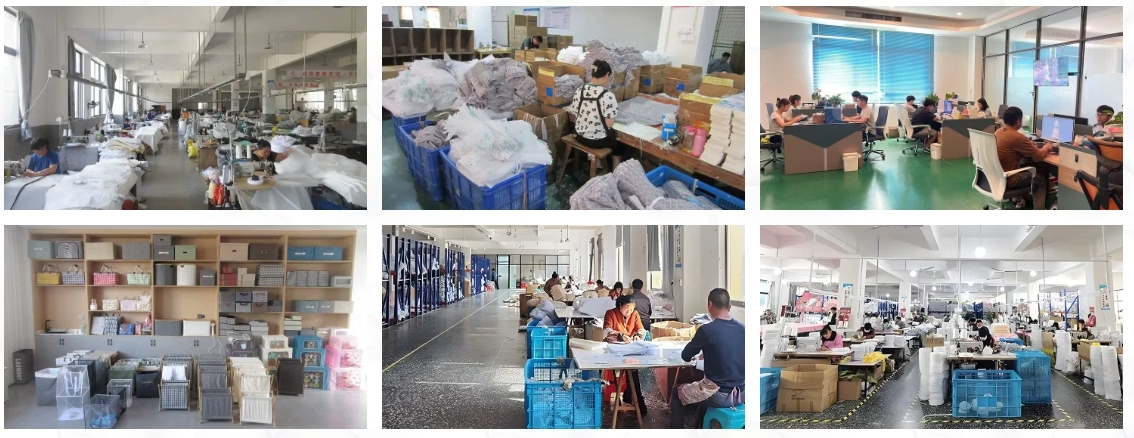
Buying from a trading company adds a margin layer and a communication layer. Buying from the factory removes both. Since 2014, we have manufactured laundry mesh bags, bra laundry bags, washing bags for shoes, storage bags, laundry baskets, and drawstring mesh for customers across Europe, North America, South America, Korea, and Japan.
Direct sourcing changes the practical details of an order:
- Specification control. You speak with the people who set the looms and cut the zippers, so changes to mesh density or bag dimensions happen at the source.
- Honest lead times. Production schedules come from the factory floor, not from a middleman’s estimate.
- Customization depth. OEM orders are welcome, and customized designs are available, from private-label sets to entirely new size formats.
- Cost clarity. Quotations reflect actual material and labor costs, which gives you room on retail margin.
A typical engagement starts small. You send target sizes, mesh preferences, and branding ideas. We respond with a quotation and physical samples. After sample approval, production begins with agreed checkpoints, and test reports ship with the goods.
If you’re building or refreshing a delicates care line, this is a good moment to compare your current specifications against what a factory partnership offers. Send us your size range, target quantities, and any customization ideas, and we’ll reply with samples, pricing, and realistic timelines. As the original manufacturer, we’re the source your competitors’ suppliers are quoting from — reaching us directly simply means better terms and faster answers for you.
Frequently Asked Questions
1. What is the minimum order quantity for large bags?
MOQs vary by size and customization level, but standard designs start at accessible volumes for first orders. Custom prints and special sizes carry slightly higher minimums. Reach out with your target quantity, and we’ll confirm exact figures with pricing tiers.
2. Can you customize sizes, colors, and printed logos?
Yes. We support custom dimensions, mesh types, colored trims, woven labels, printed logos, and retail packaging. OEM orders are welcome, and our team can adapt an existing design or develop a new one from your sketch. Contact us with your concept to start sampling.
3. Do your products pass REACH and related tests?
They do. Our raw materials are environment friendly, and finished products pass REACH and related compliance tests. Current third-party reports are available with quotations, and additional market-specific testing can be arranged for Japan, Korea, and other regions.
4. How long are production and delivery lead times?
Sampling usually takes 5–10 days, and bulk production typically runs 25–35 days depending on quantity and customization. Shipping time depends on destination and method. We confirm a full schedule with every quotation, so you can plan launches with confidence.
5. Can we receive samples before placing a bulk order?
Absolutely. We encourage sample evaluation before any volume commitment. Standard samples ship quickly, and customized samples follow your approved specification. Contact us to request samples for the sizes and mesh types on your shortlist.